Japan 2026
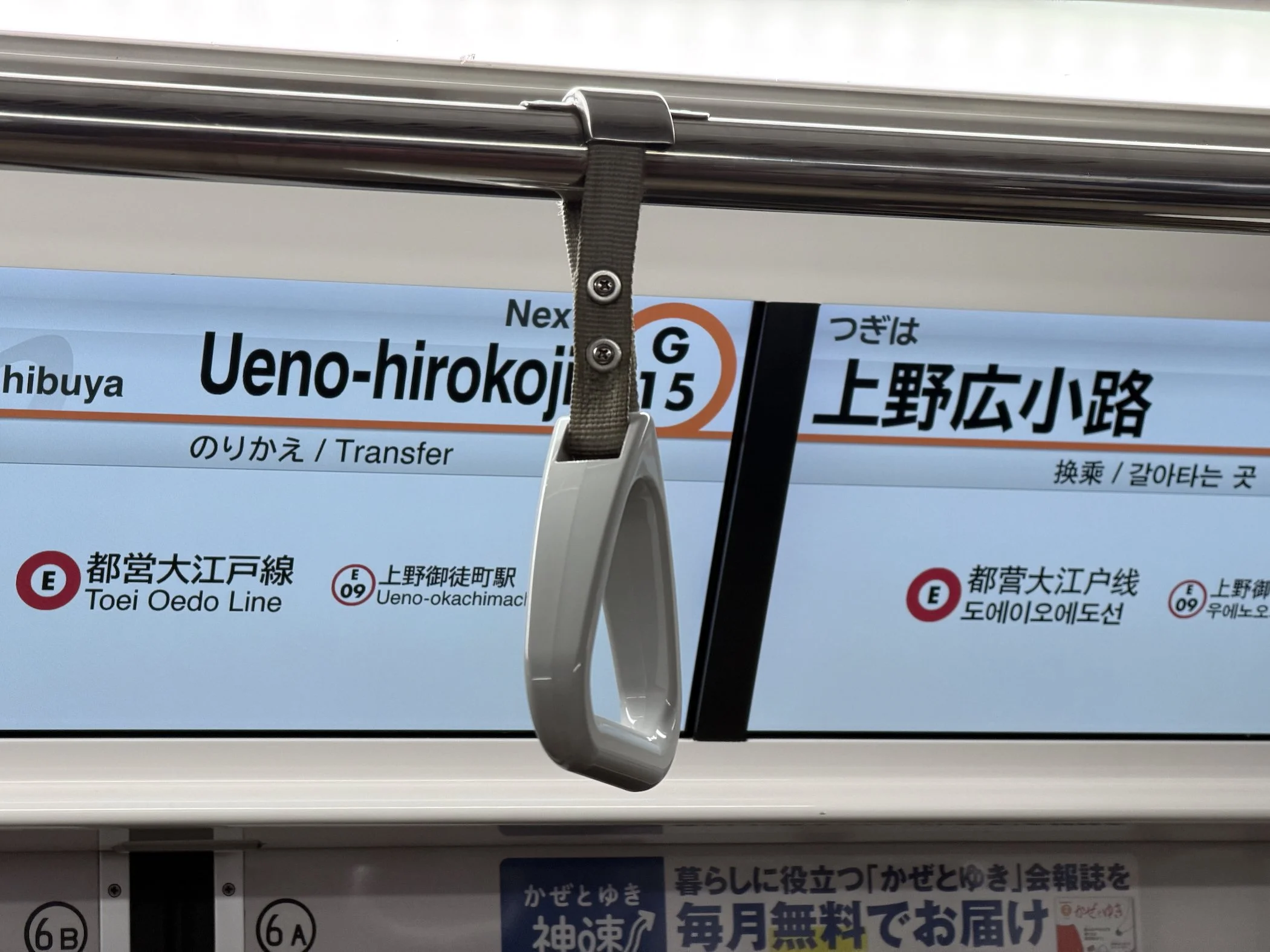
On the Metro lines, stops are announced in English, Korean, Chinese, and Japanese.
During April-May this year, right after the cherry blossoms and during Golden Week (what is that?), I took my first trip to Japan. My previous trips to Asia had included China (Shanghai, Jiangsu Province) and Hong Kong. The inspiration for Japan came after watching the second season of the Netflix show, The Boyfriend, and the initial plan was to visit Hokkaido, the large northern island where the show was filmed. Then investigation told me I’d be driving around Japan and that didn’t sound like fun, after my last driving abroad mishap in France. For those that don’t know, Japan drives on the left side of the road. And it requires the extra hassle (just so you know) of getting an International Driver’s License in Japanese (for Americans, do this through AAA). So the compromise was some intense city days in Tokyo then a more relaxing schedule in Kyoto. We also made a one-day trip to Nara from Kyoto.
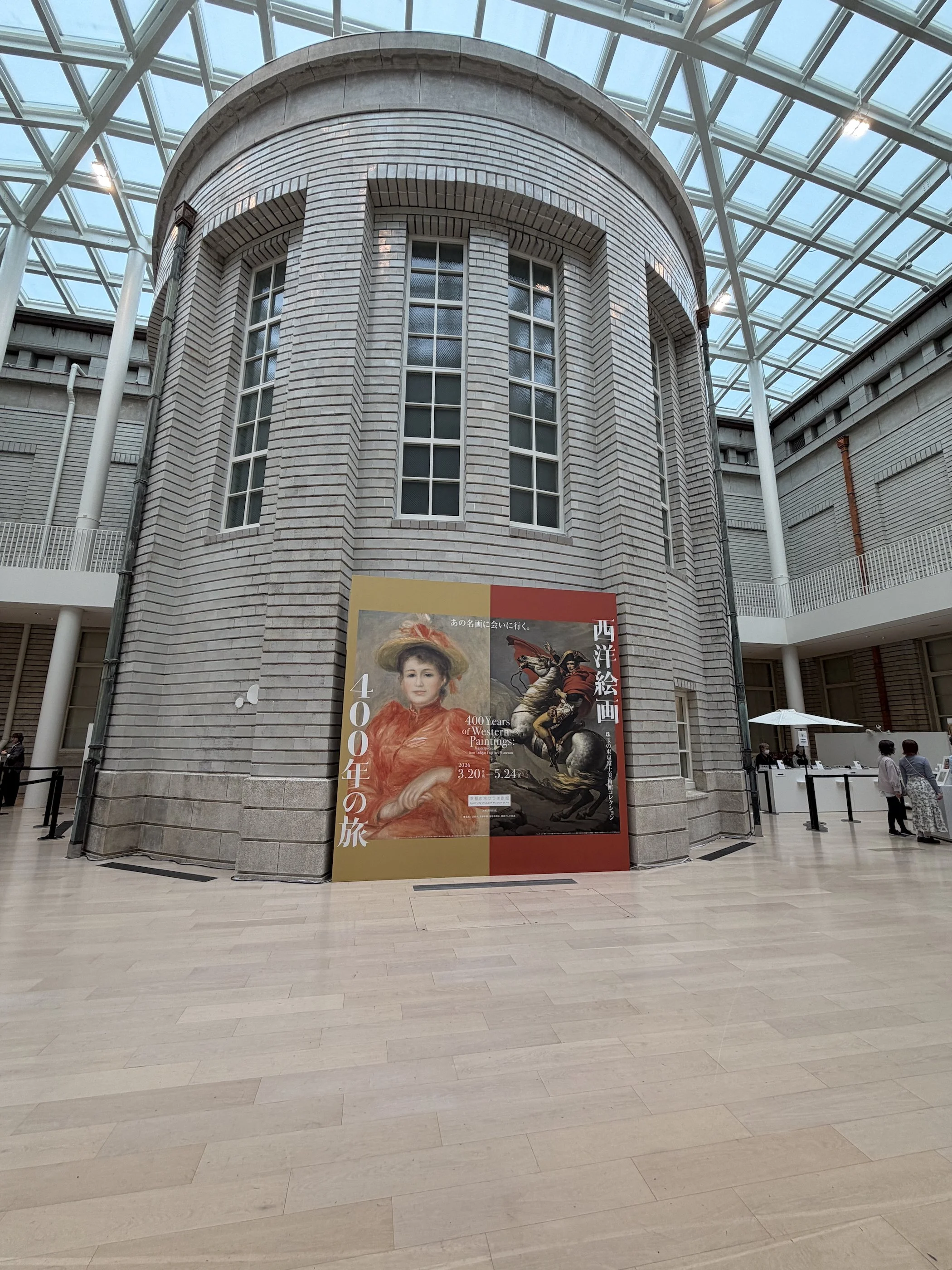
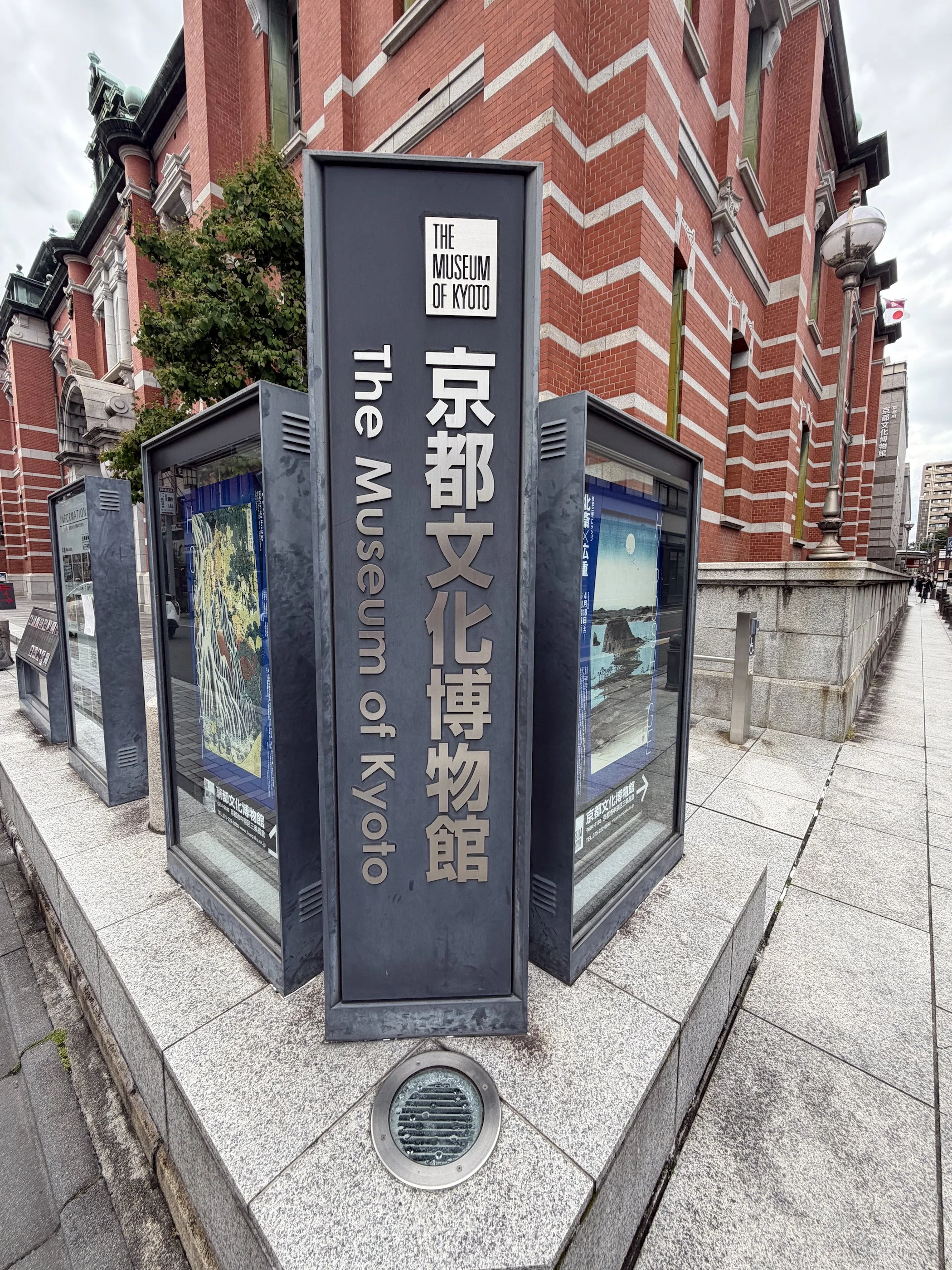
The Kyocera Museum in Kyoto holds special exhibits. It was a good choice for a rainy morning.
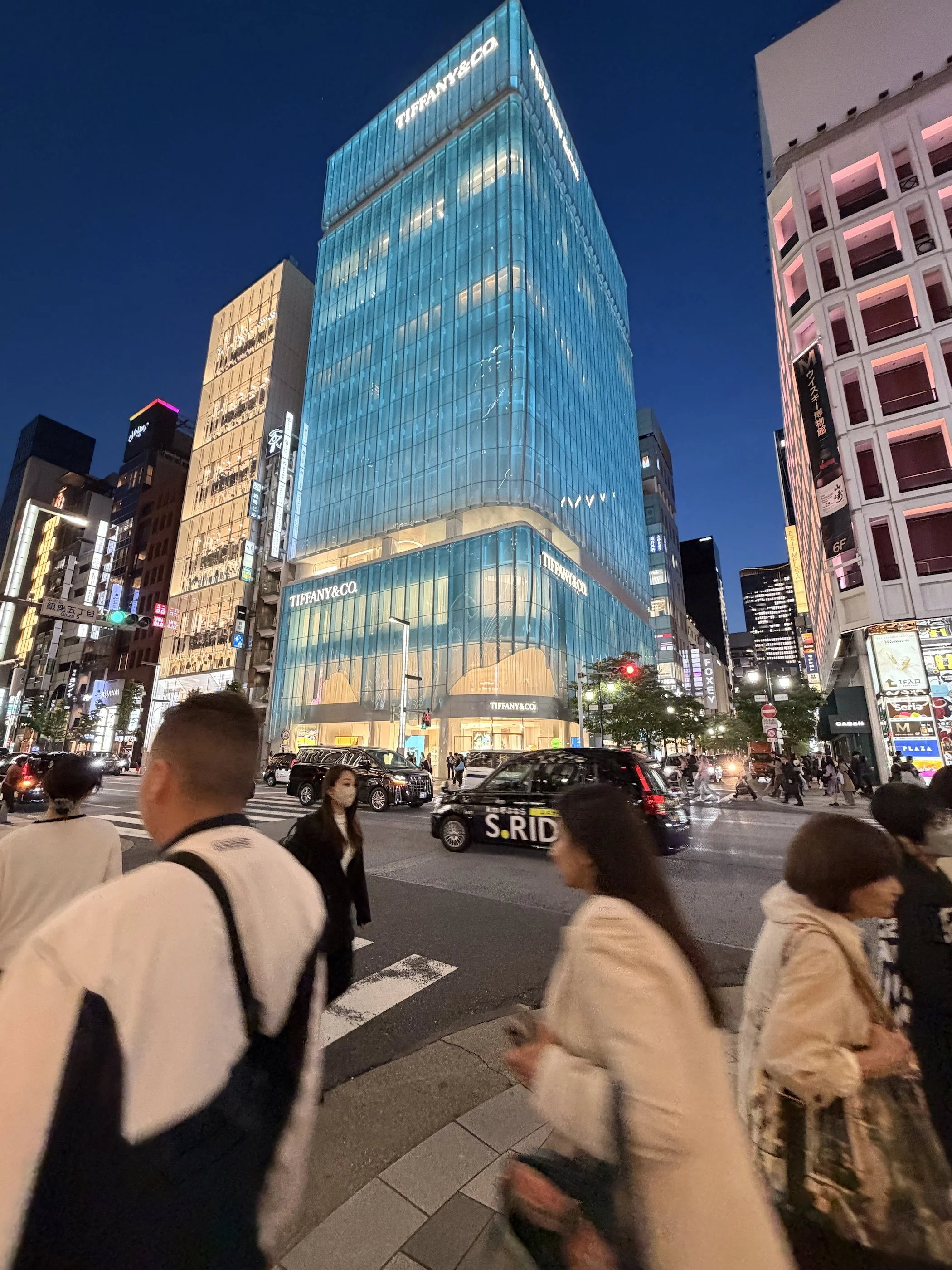
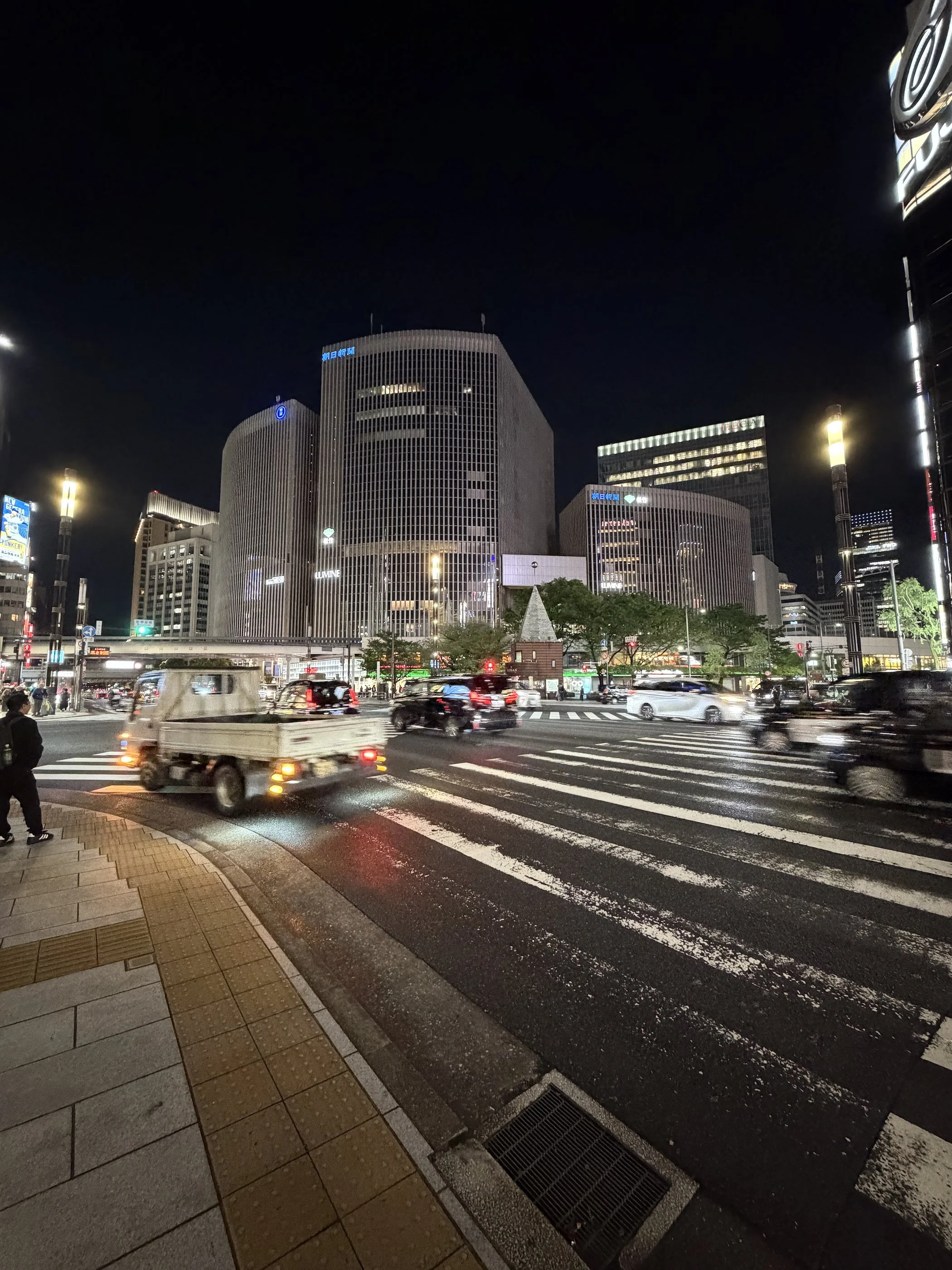
Ginza-fringe at night
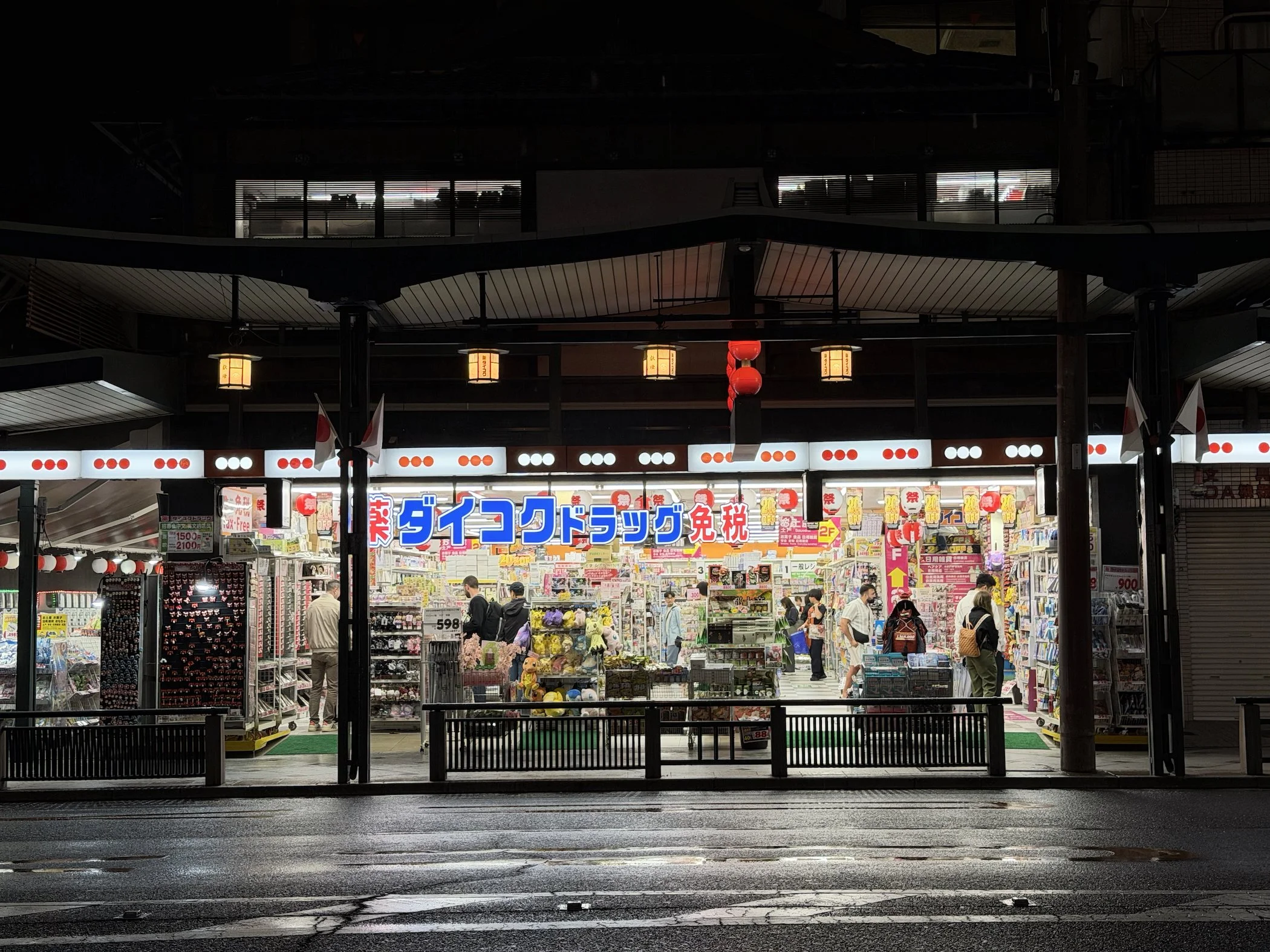
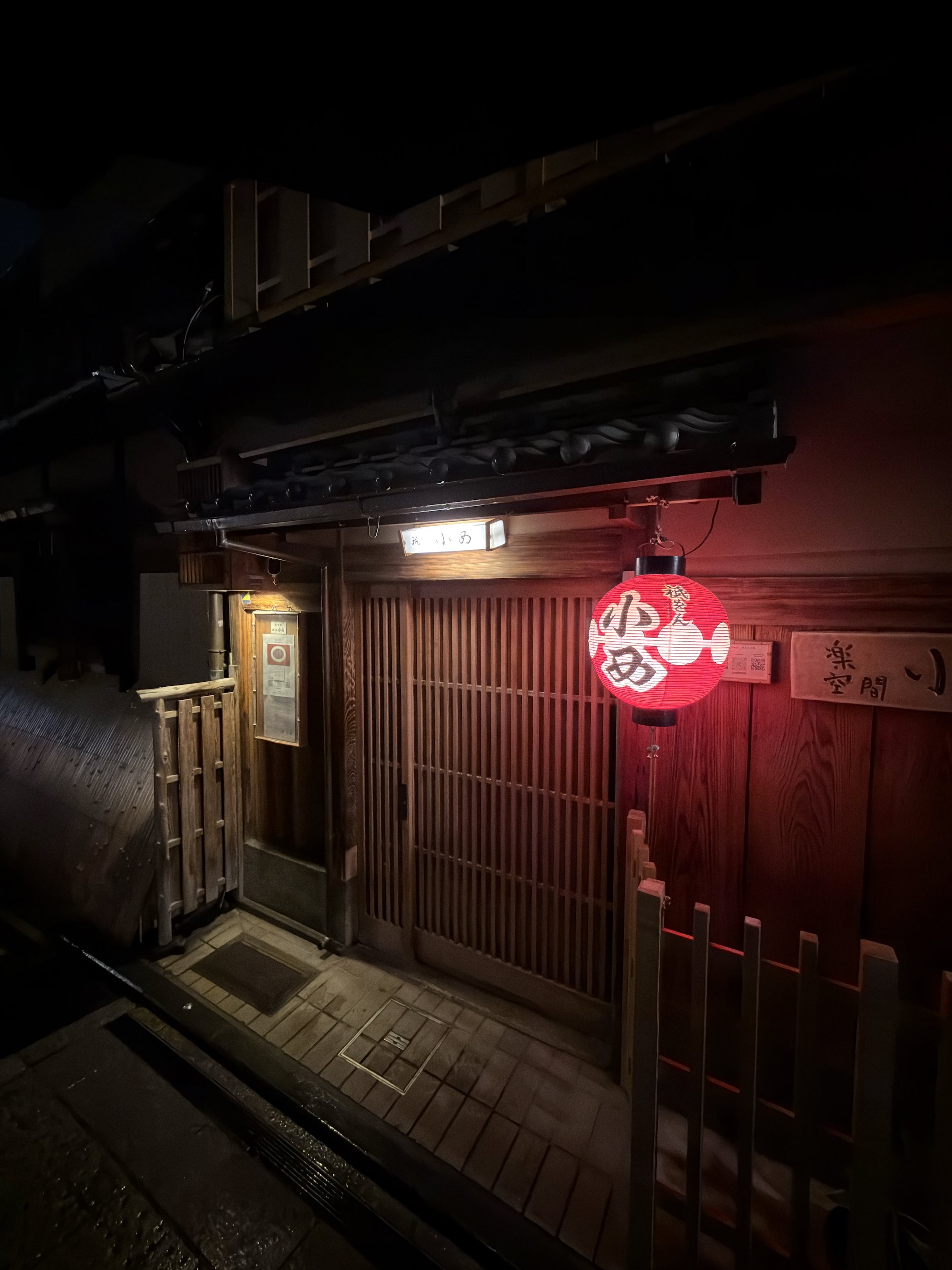
Some stores, this one in Gion (Kyoto), blast buyers in a wash of bright, white light.
I’m going to include some notes for each leg in case they are helpful for other first-timers like myself.
Tokyo
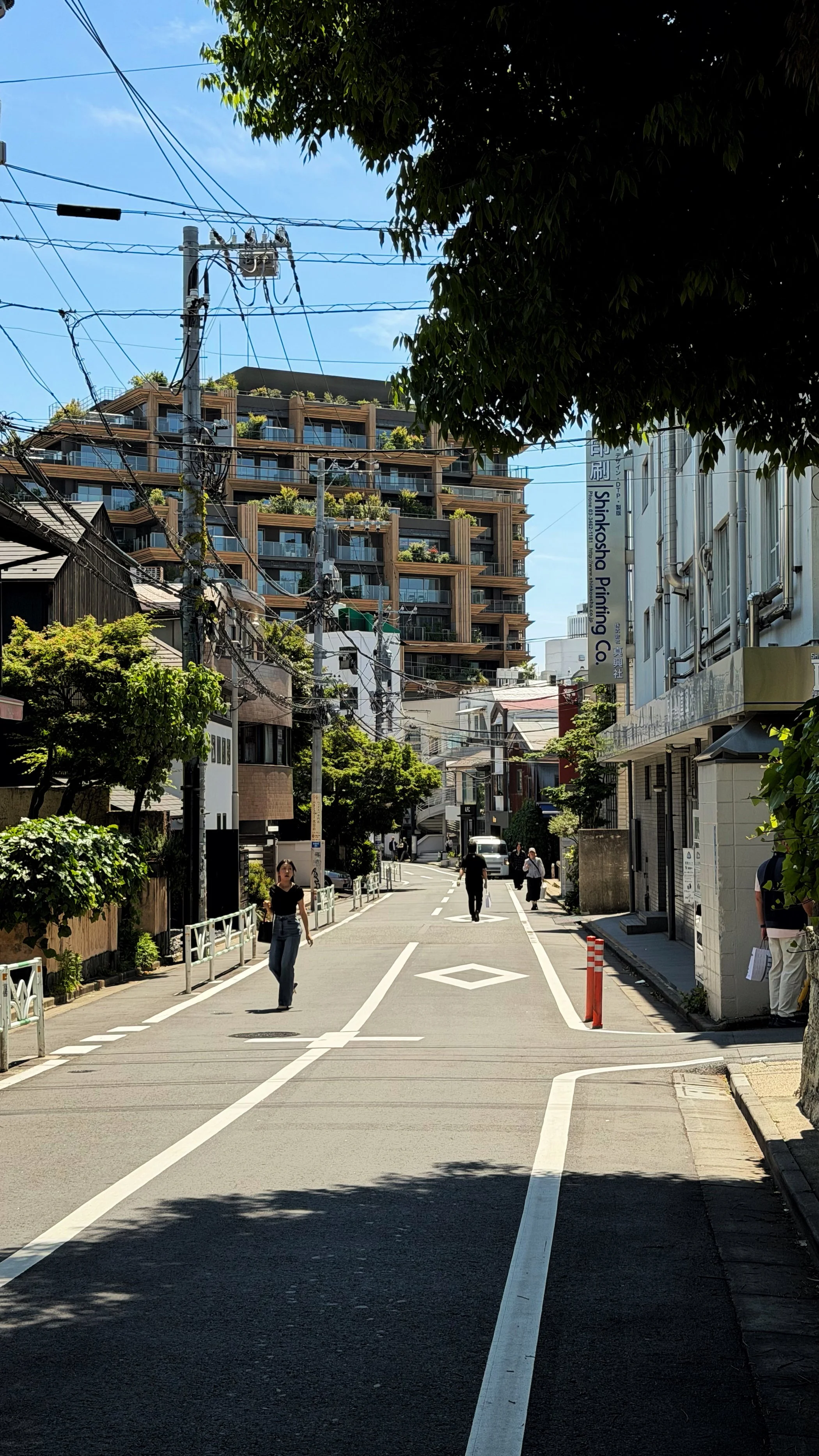
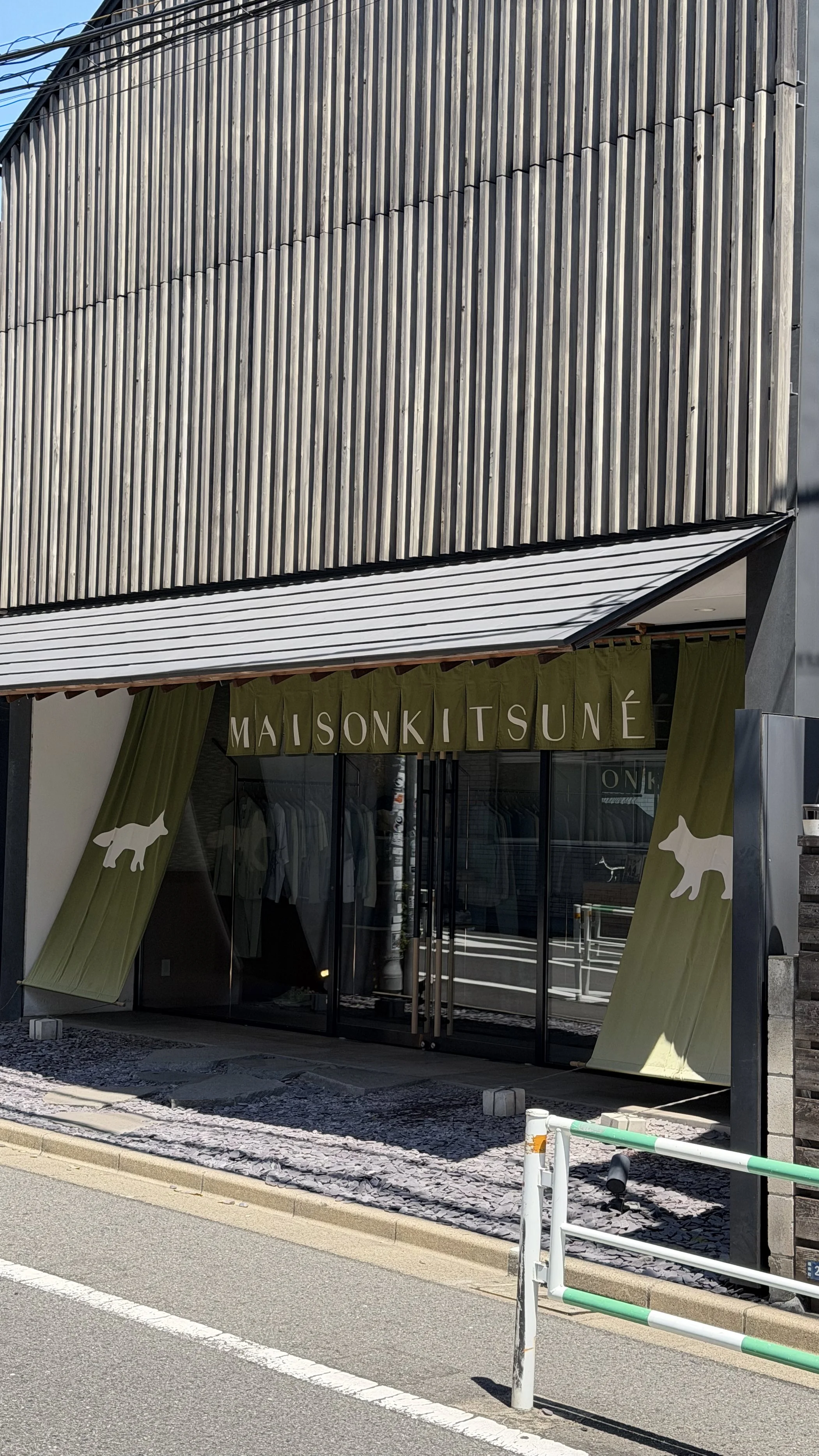
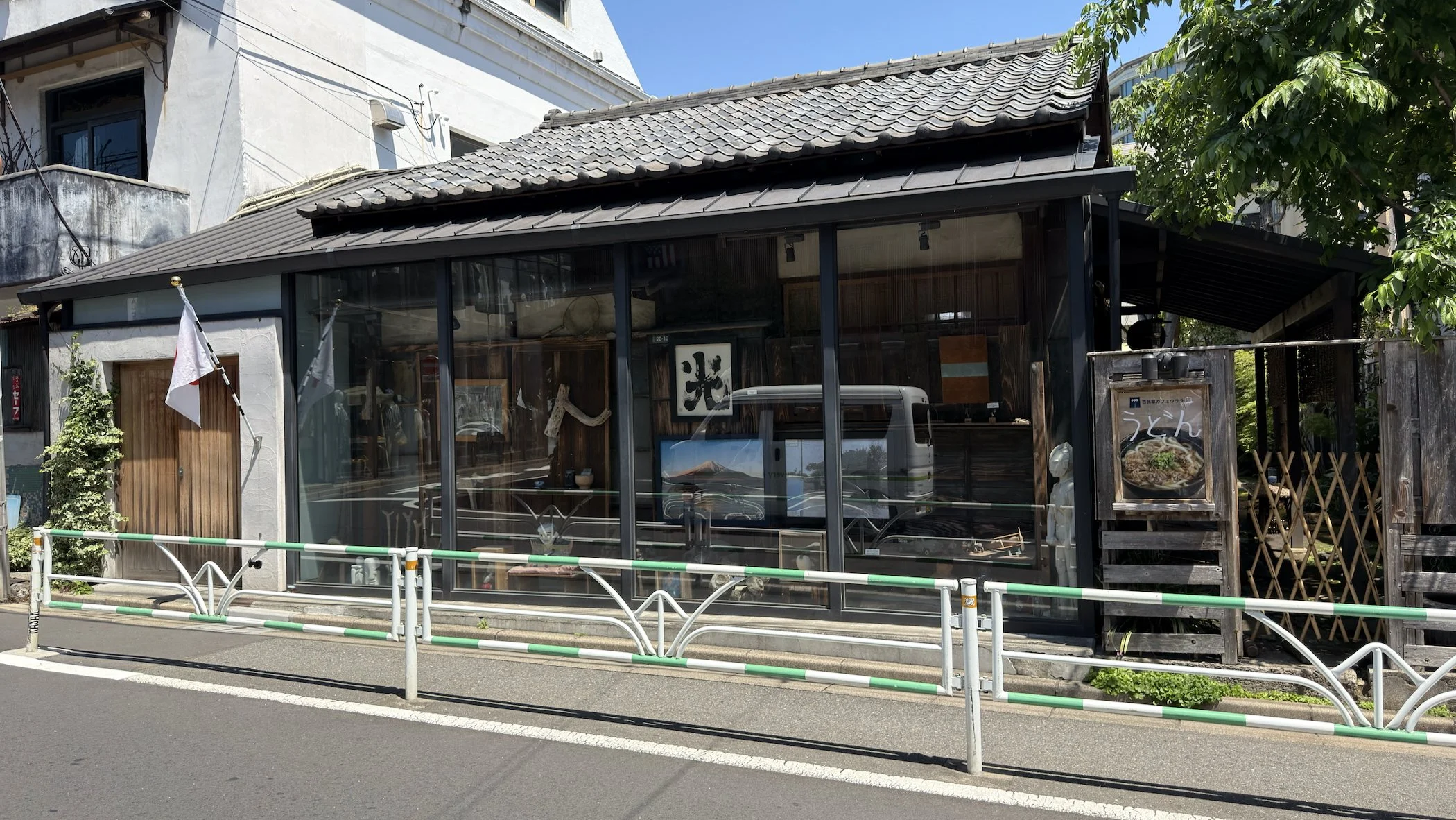
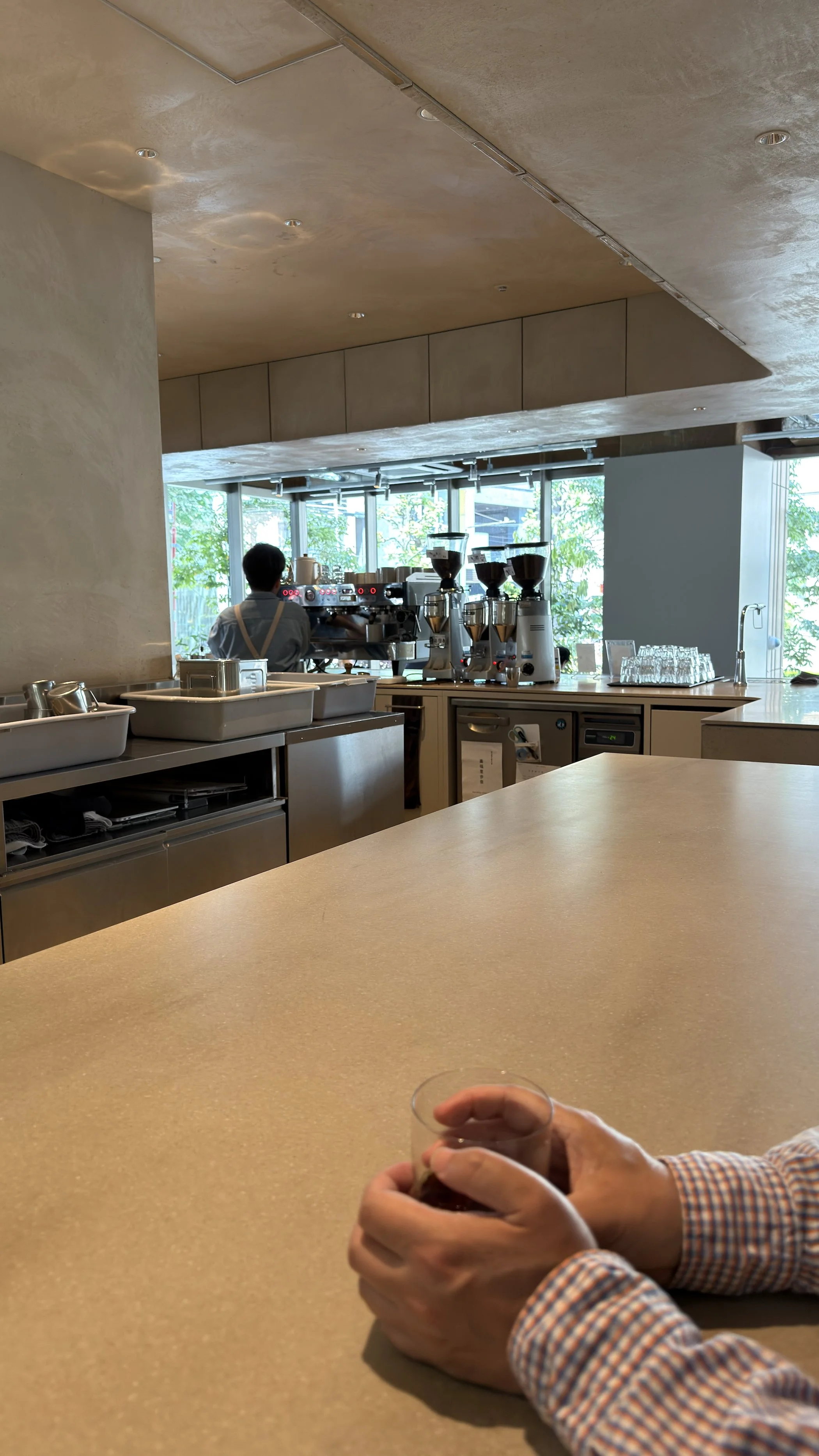
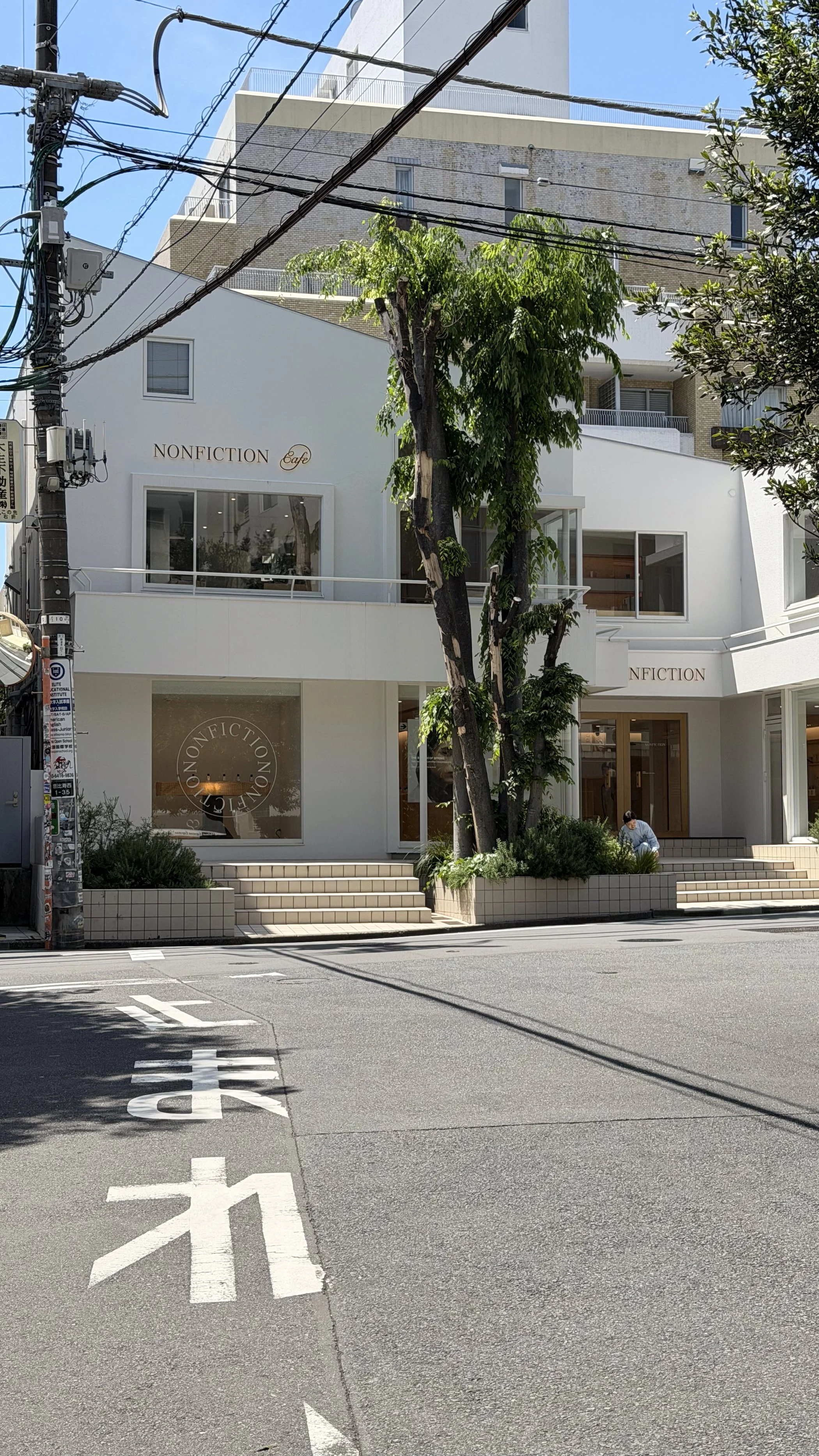
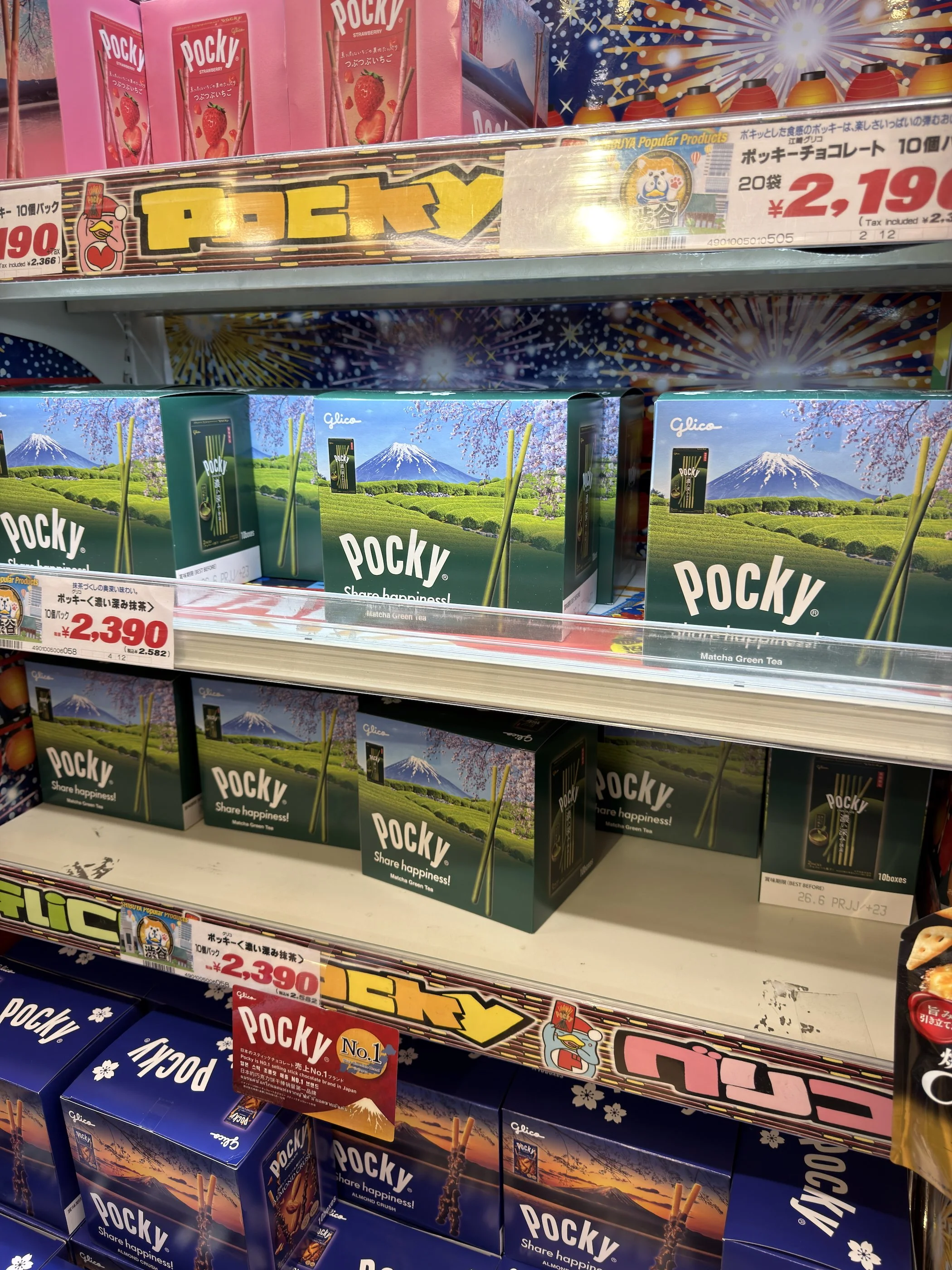
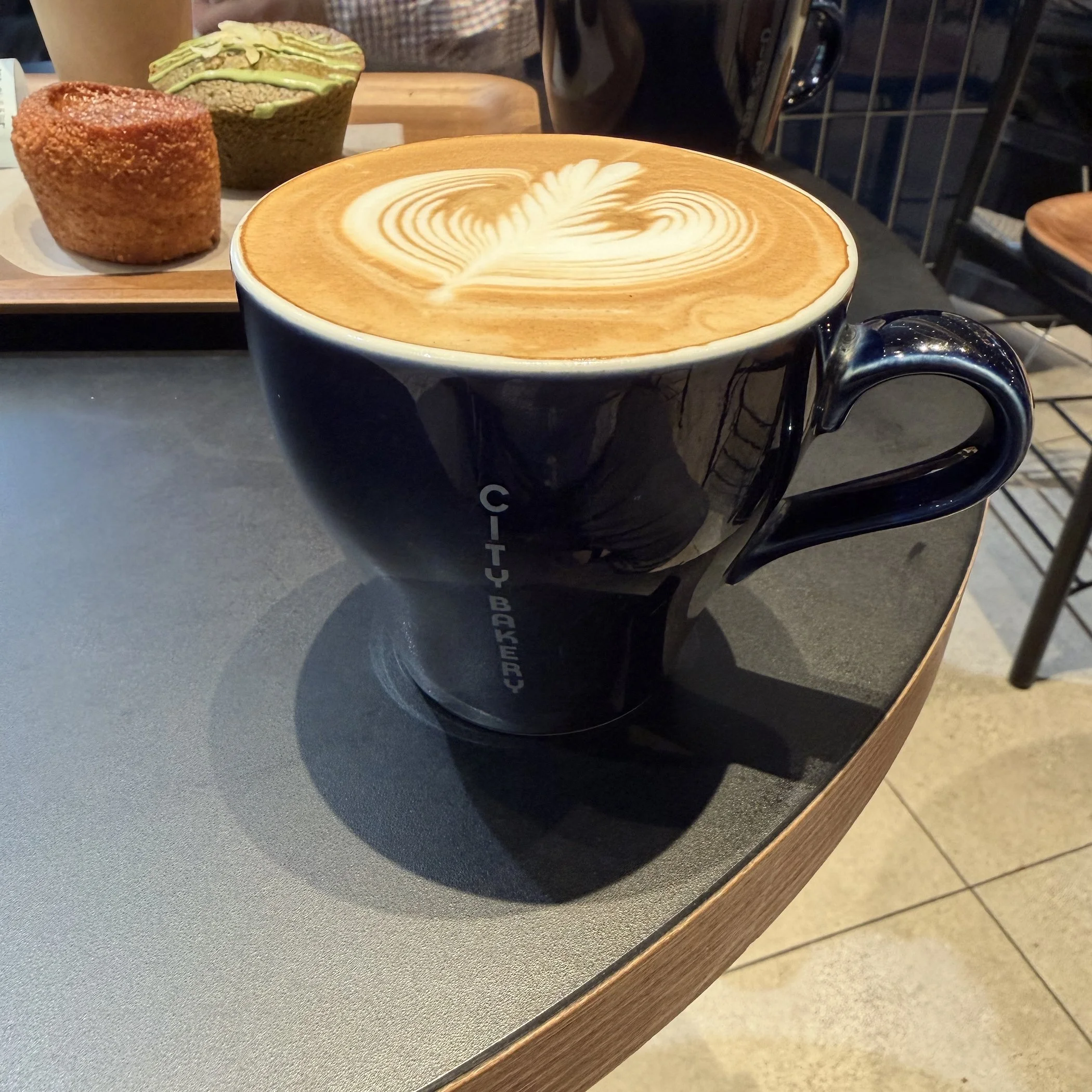
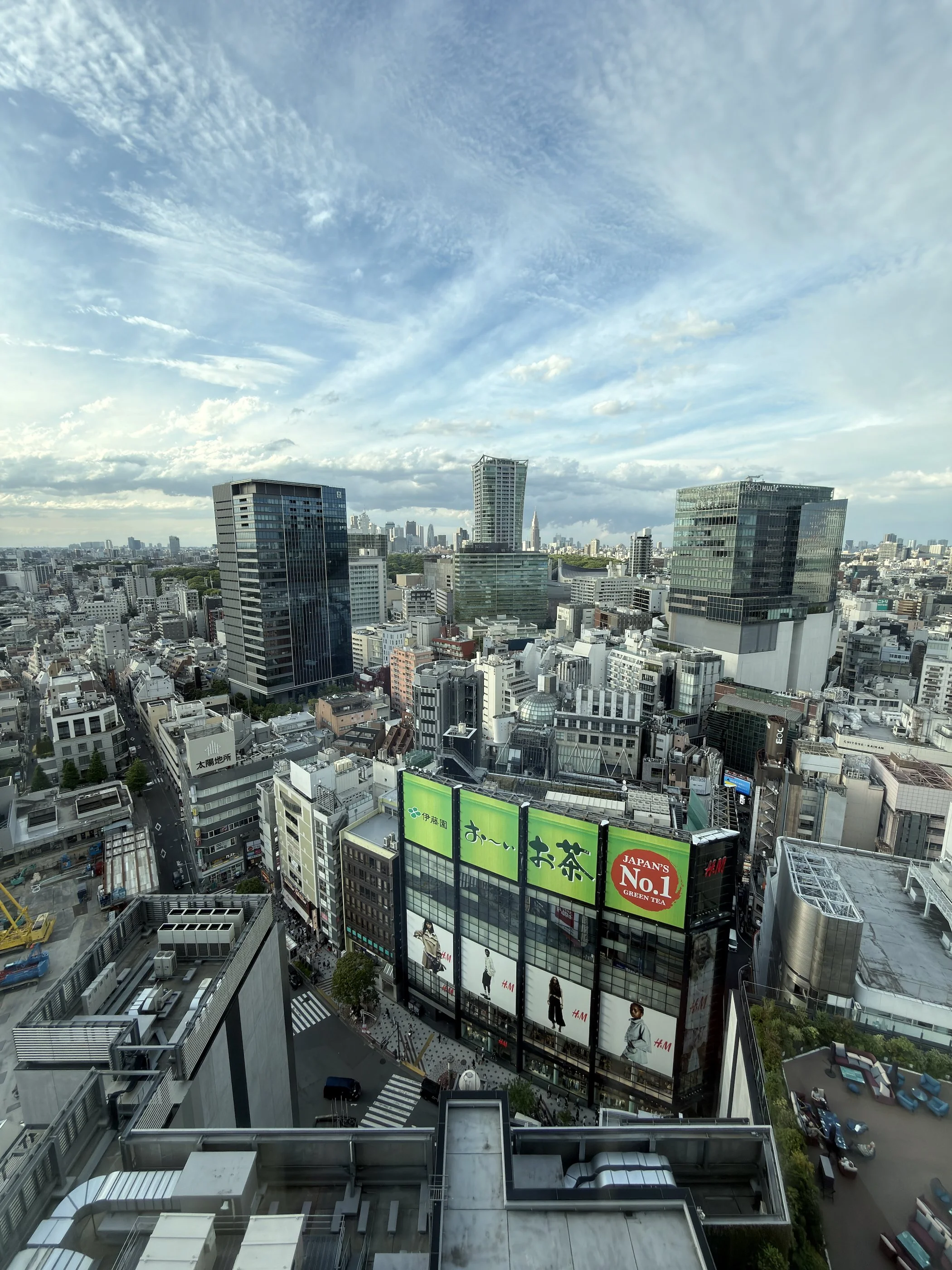
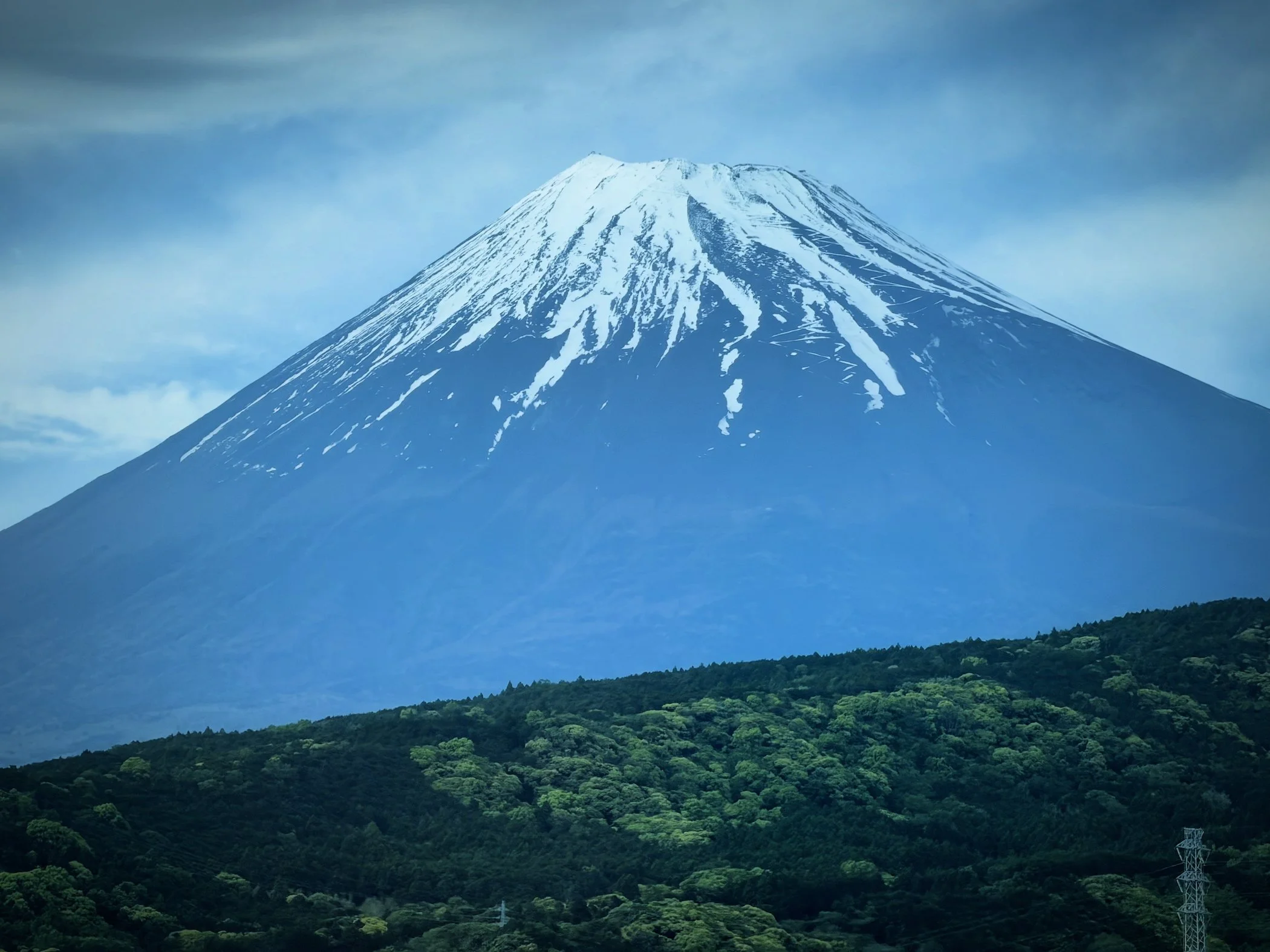
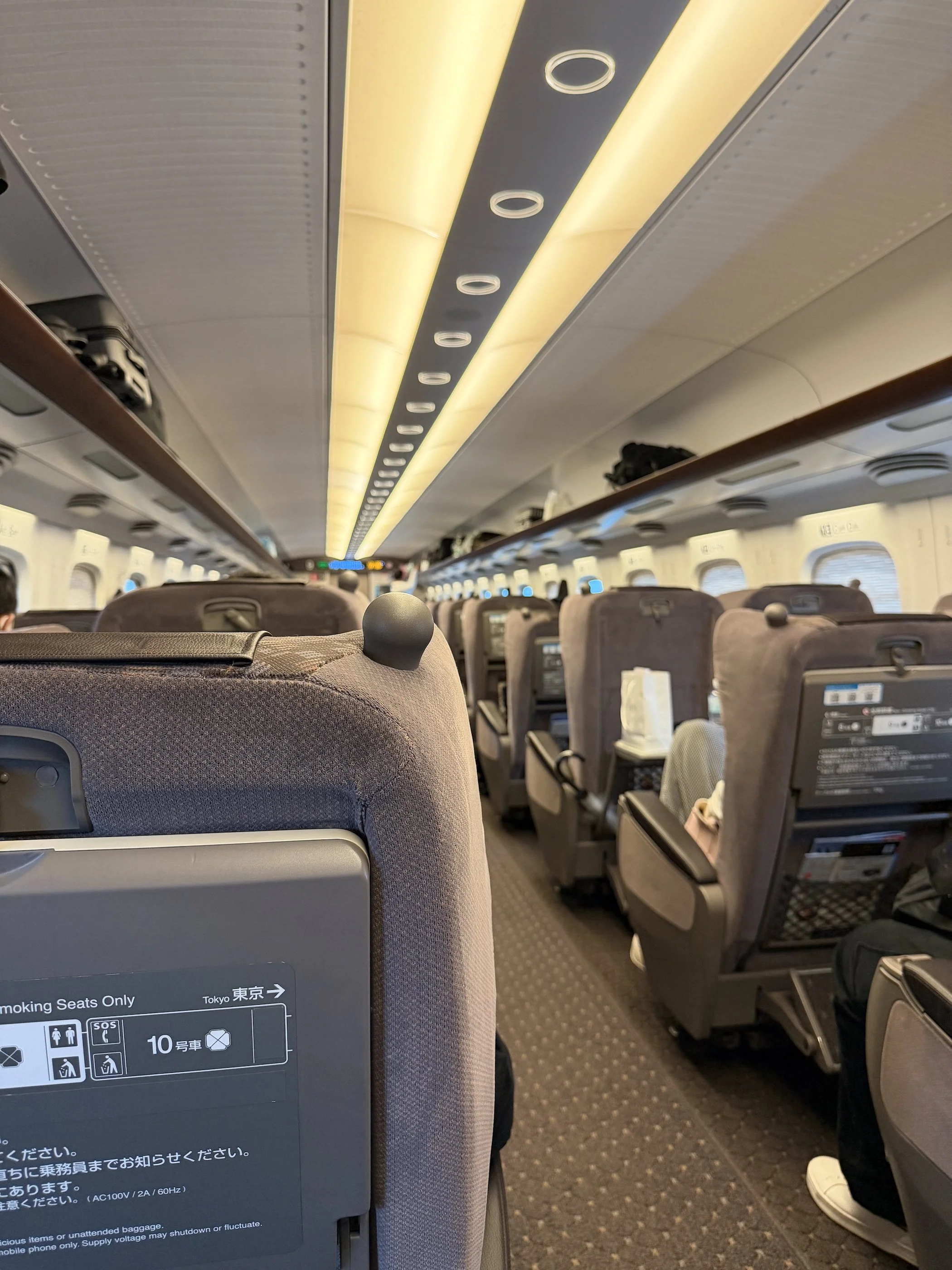
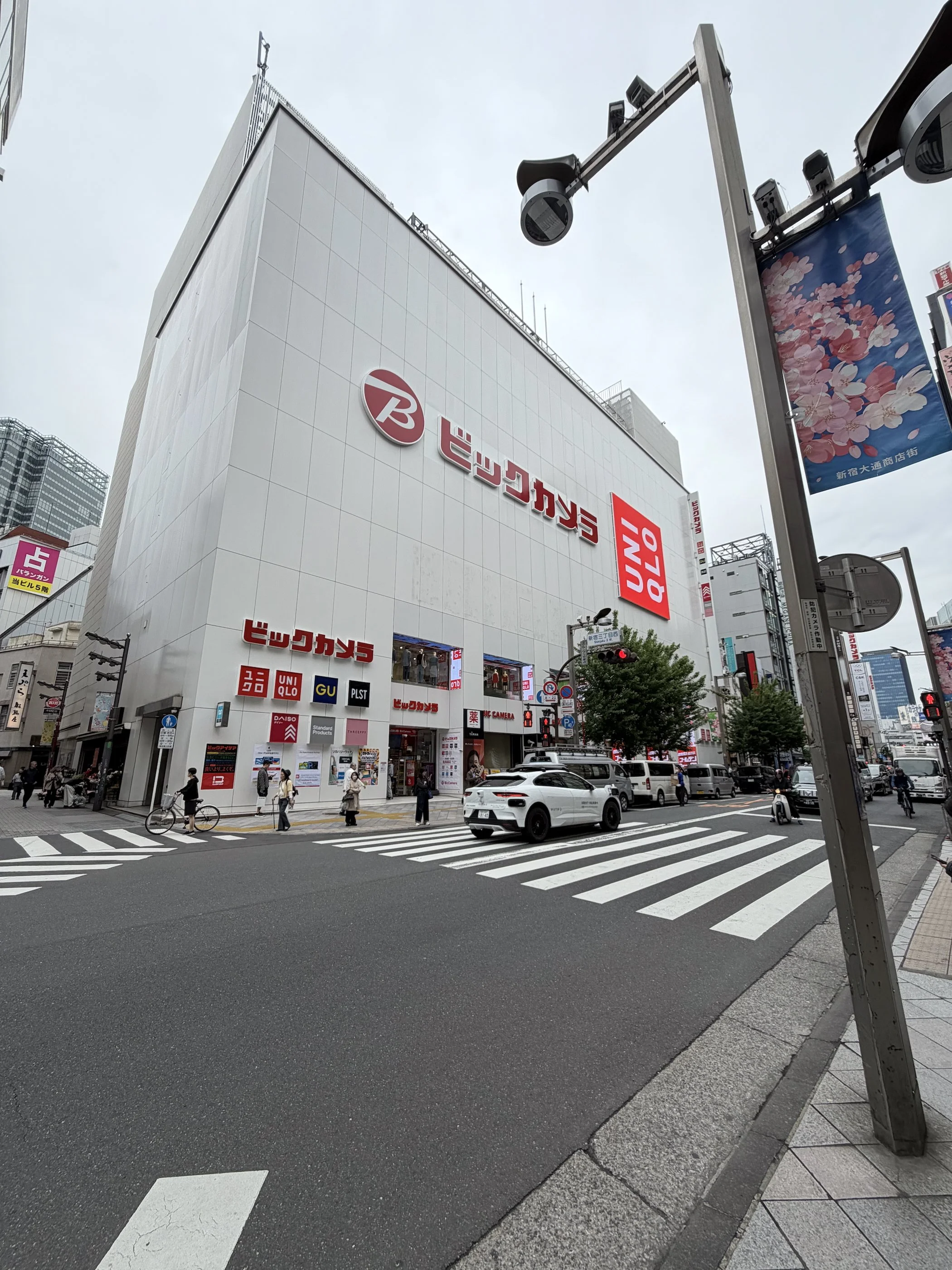
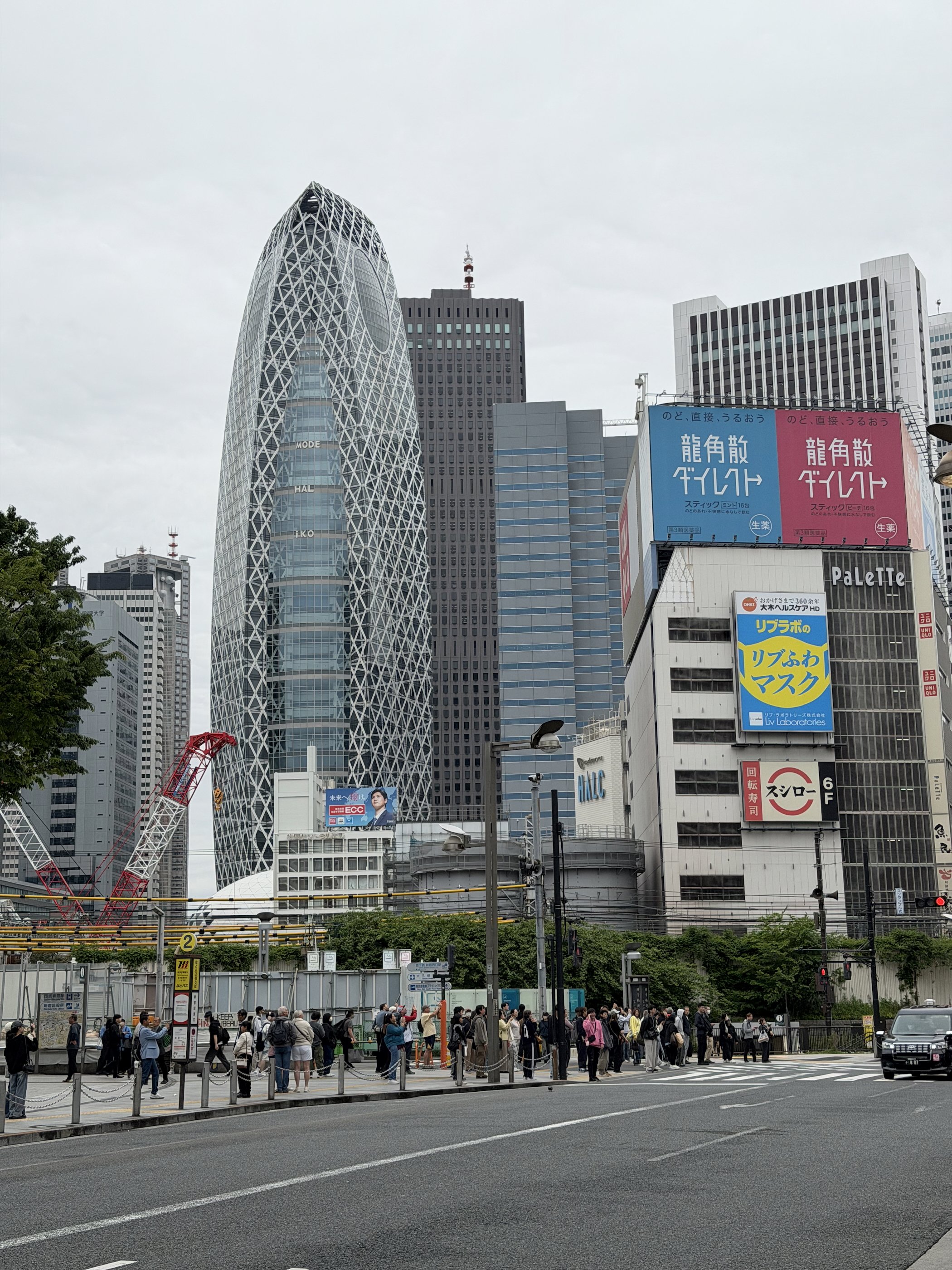
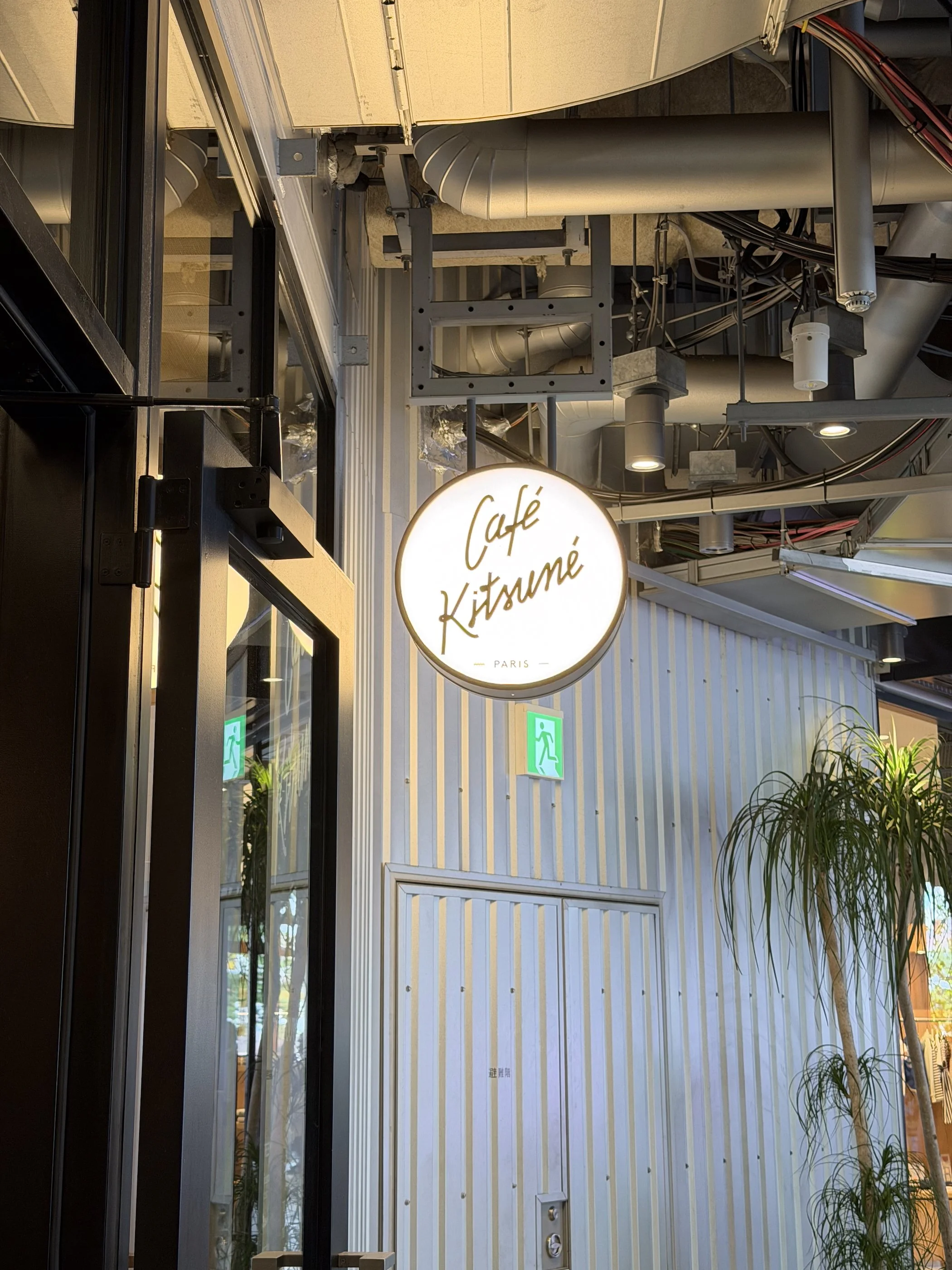
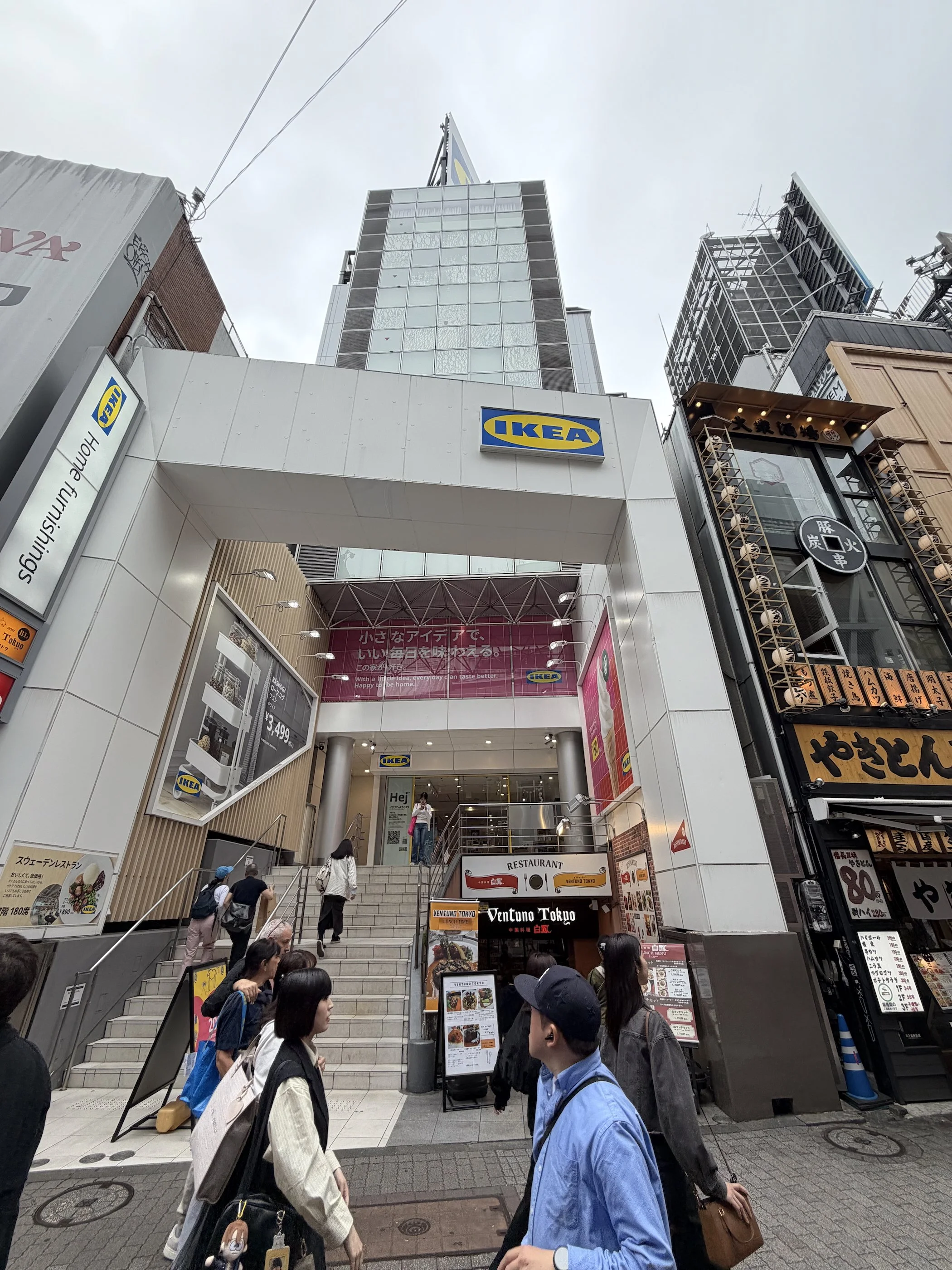
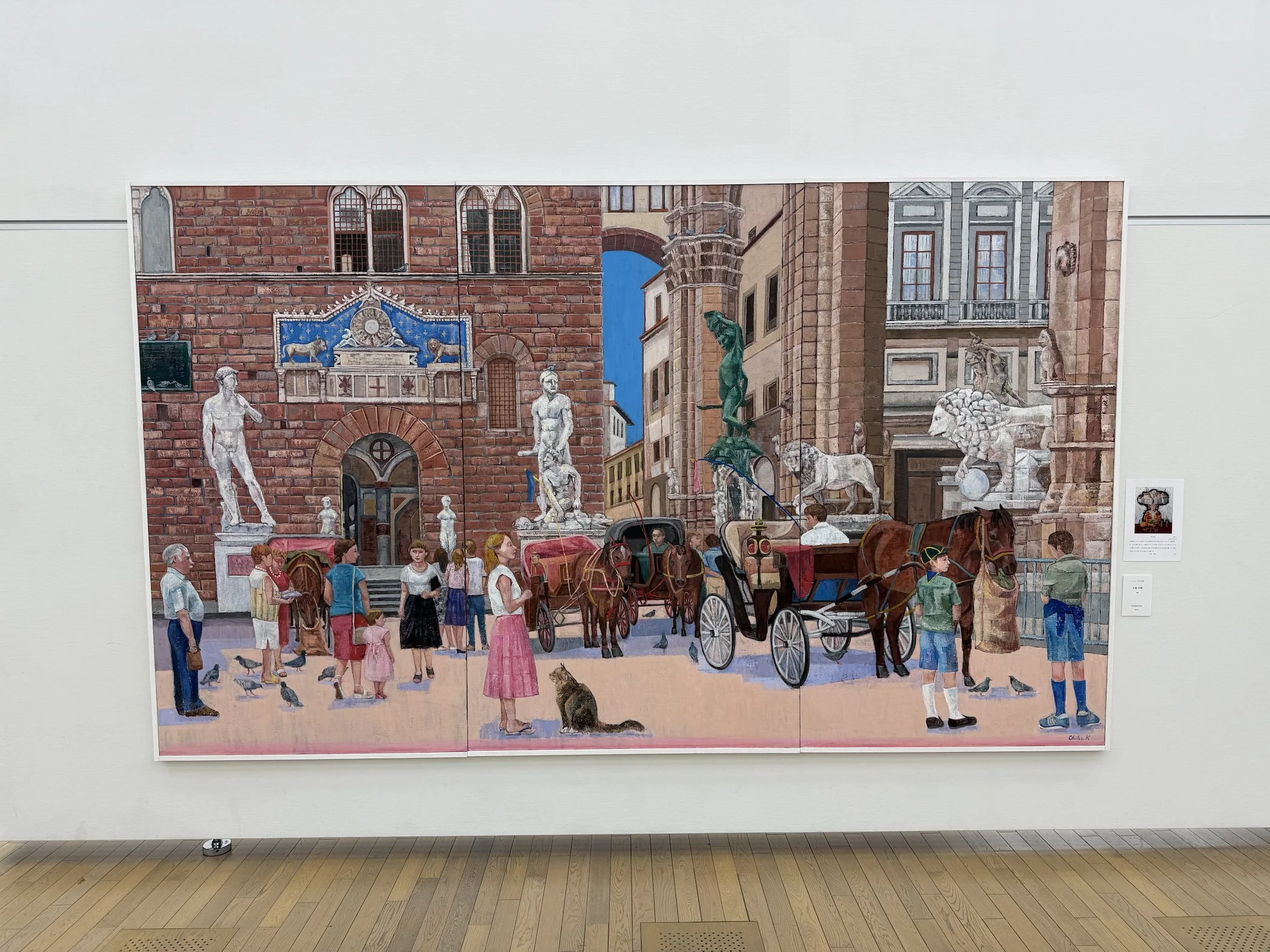
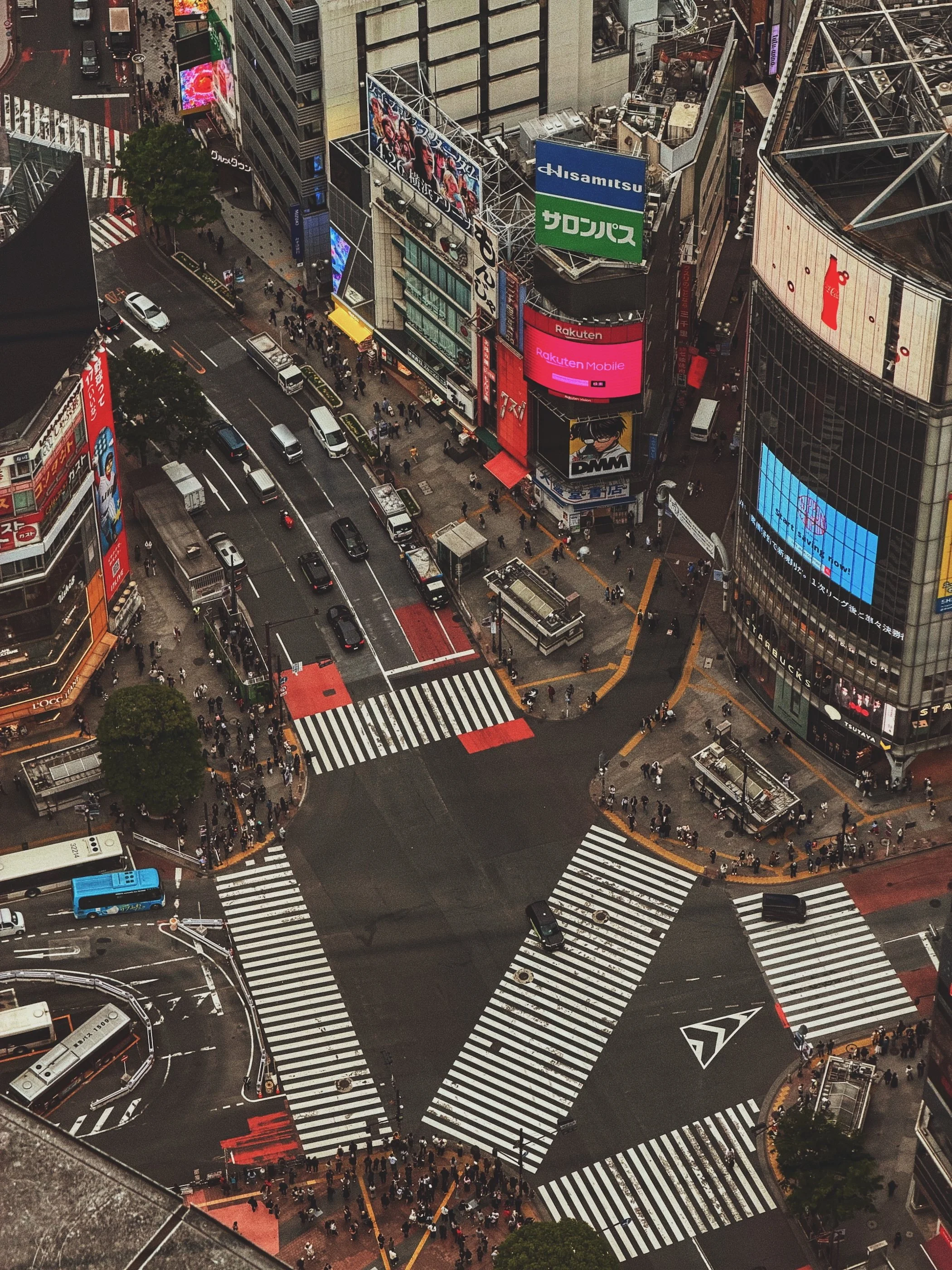
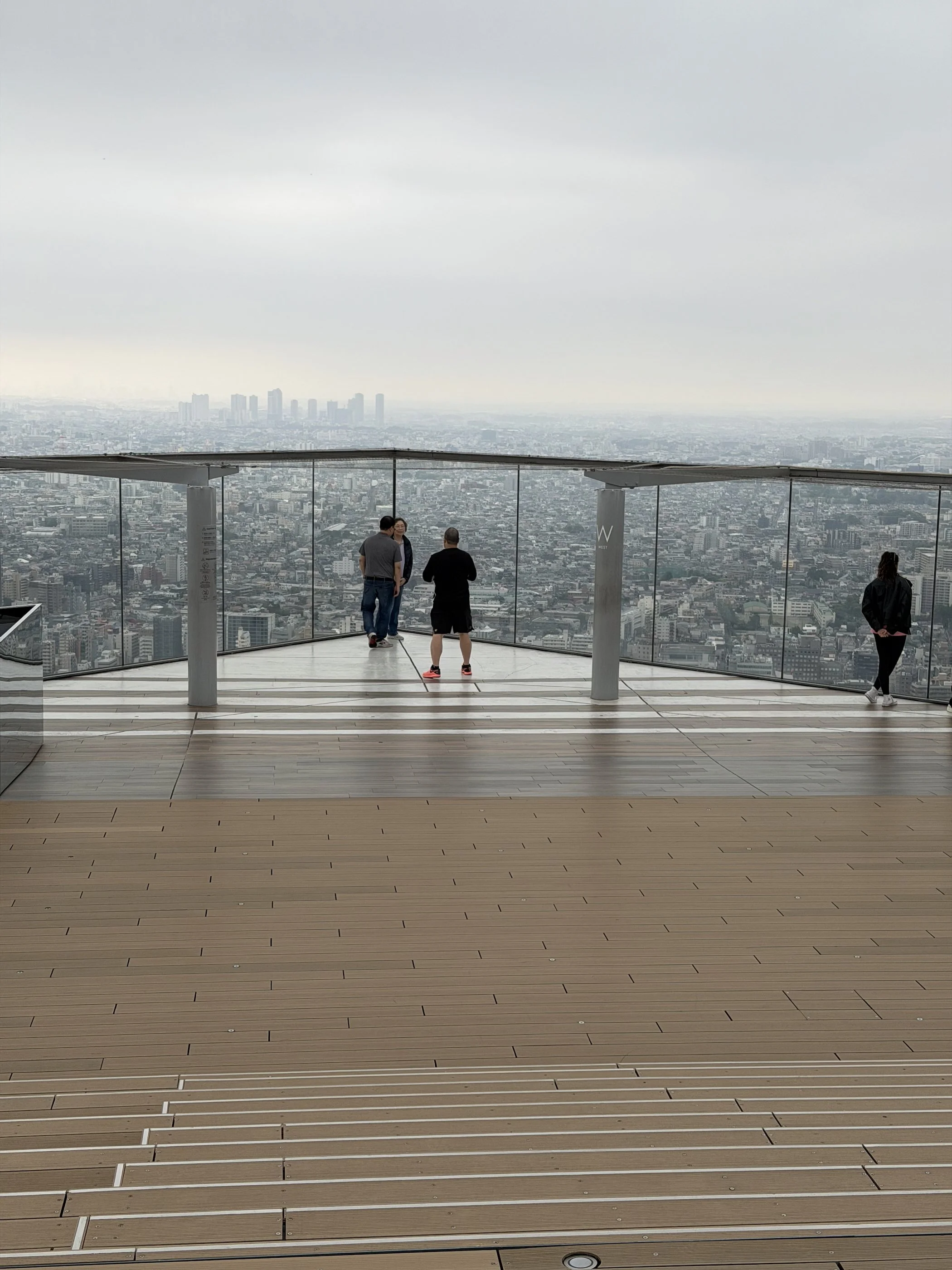
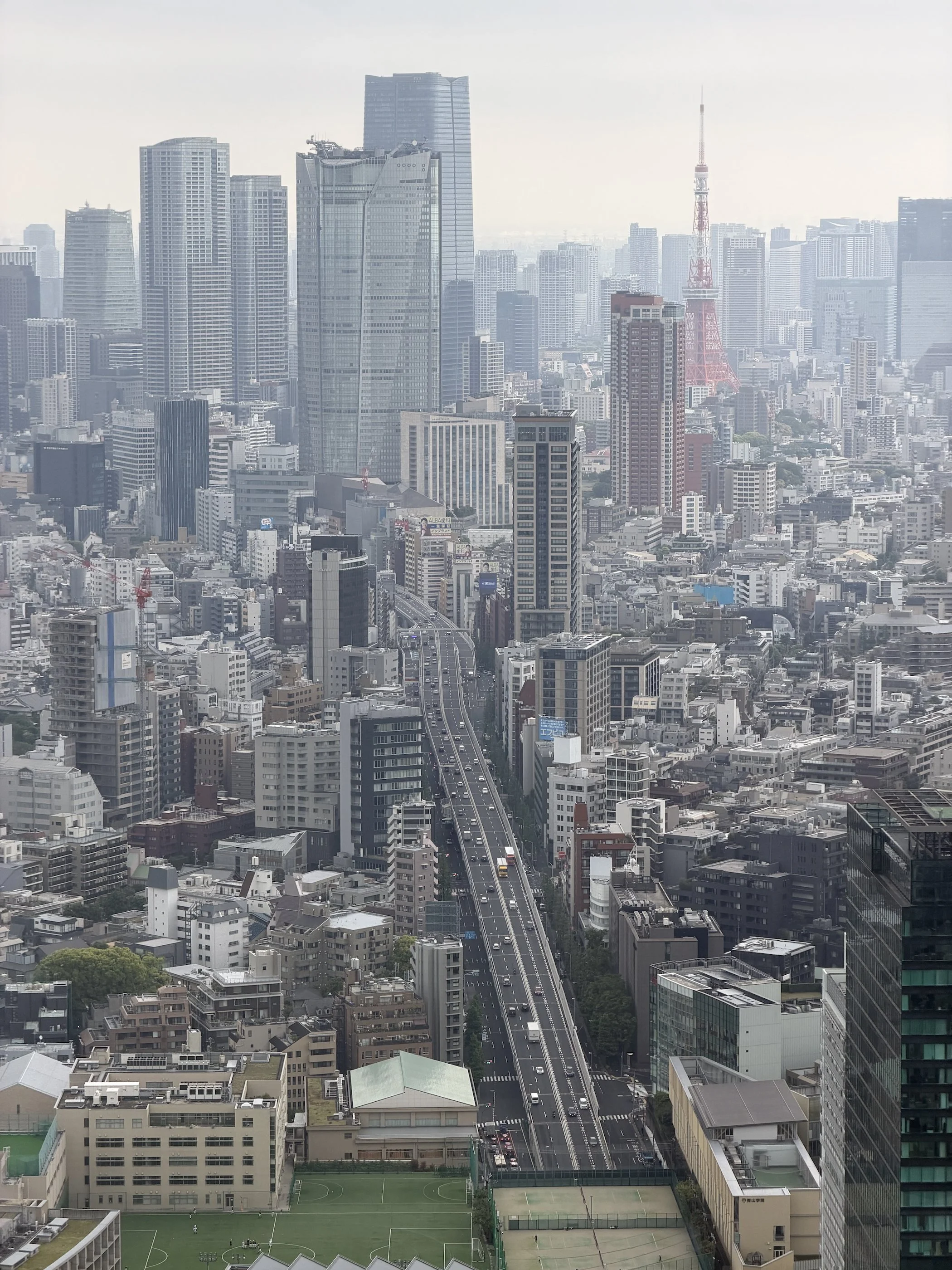
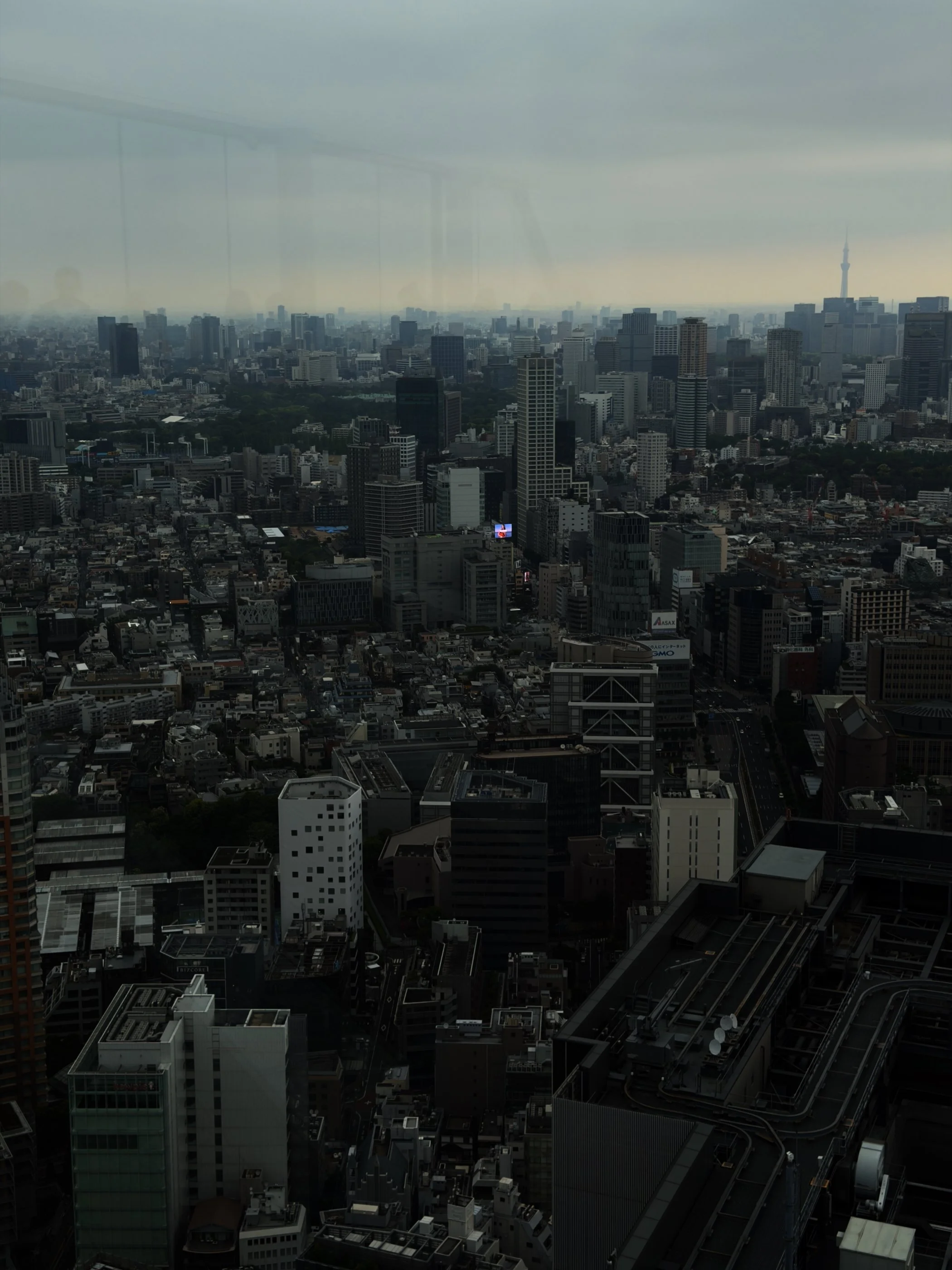
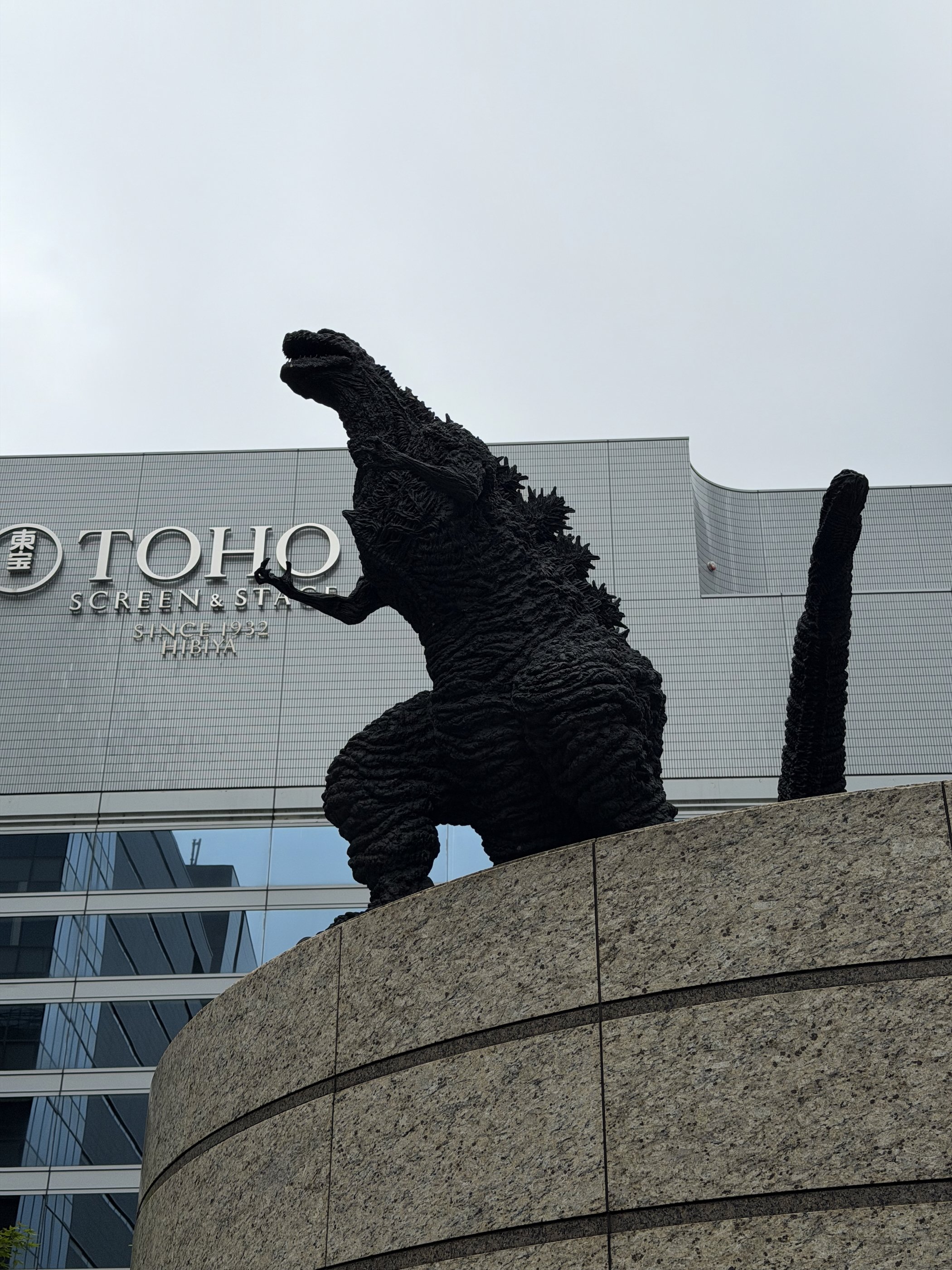
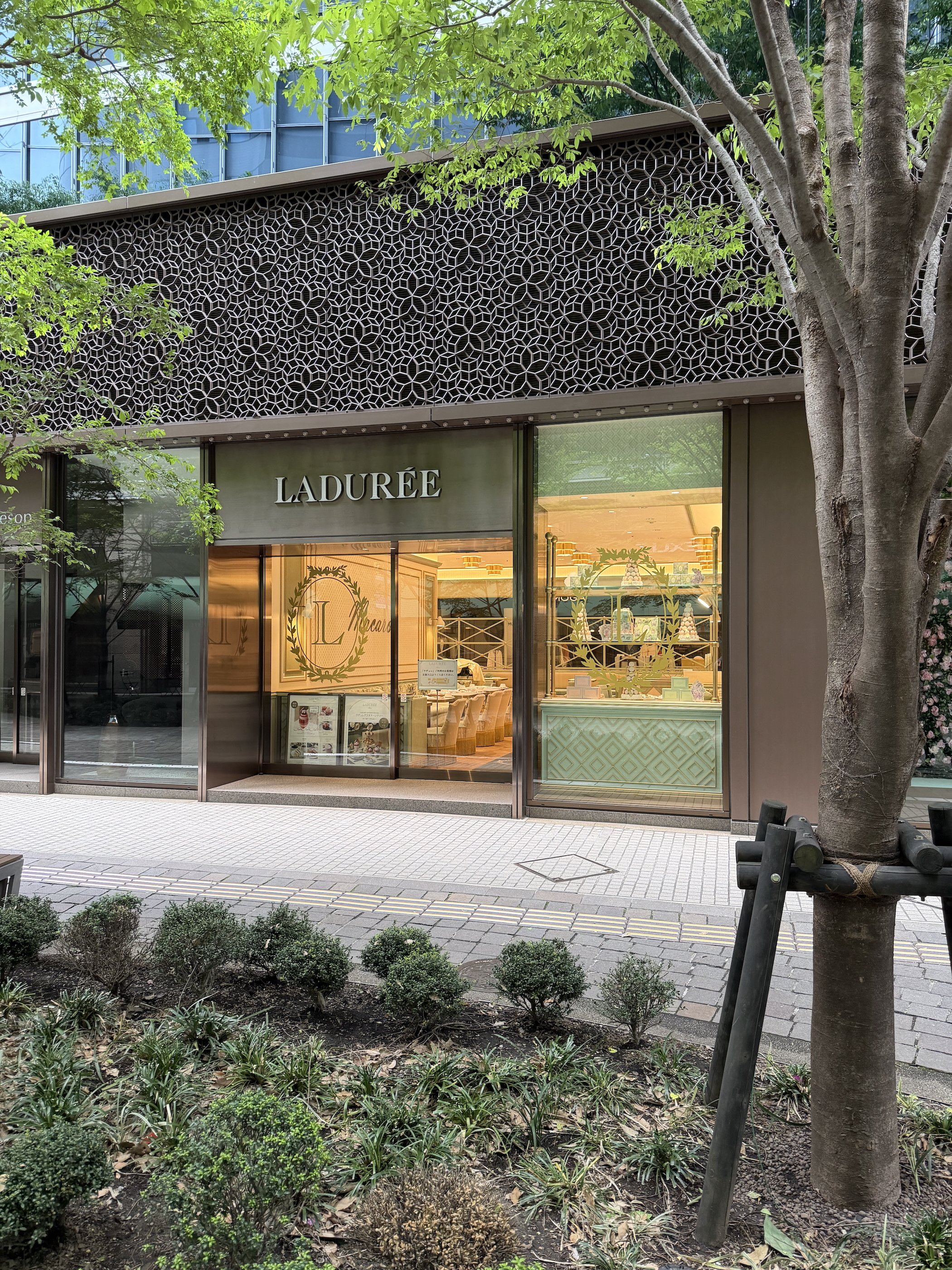
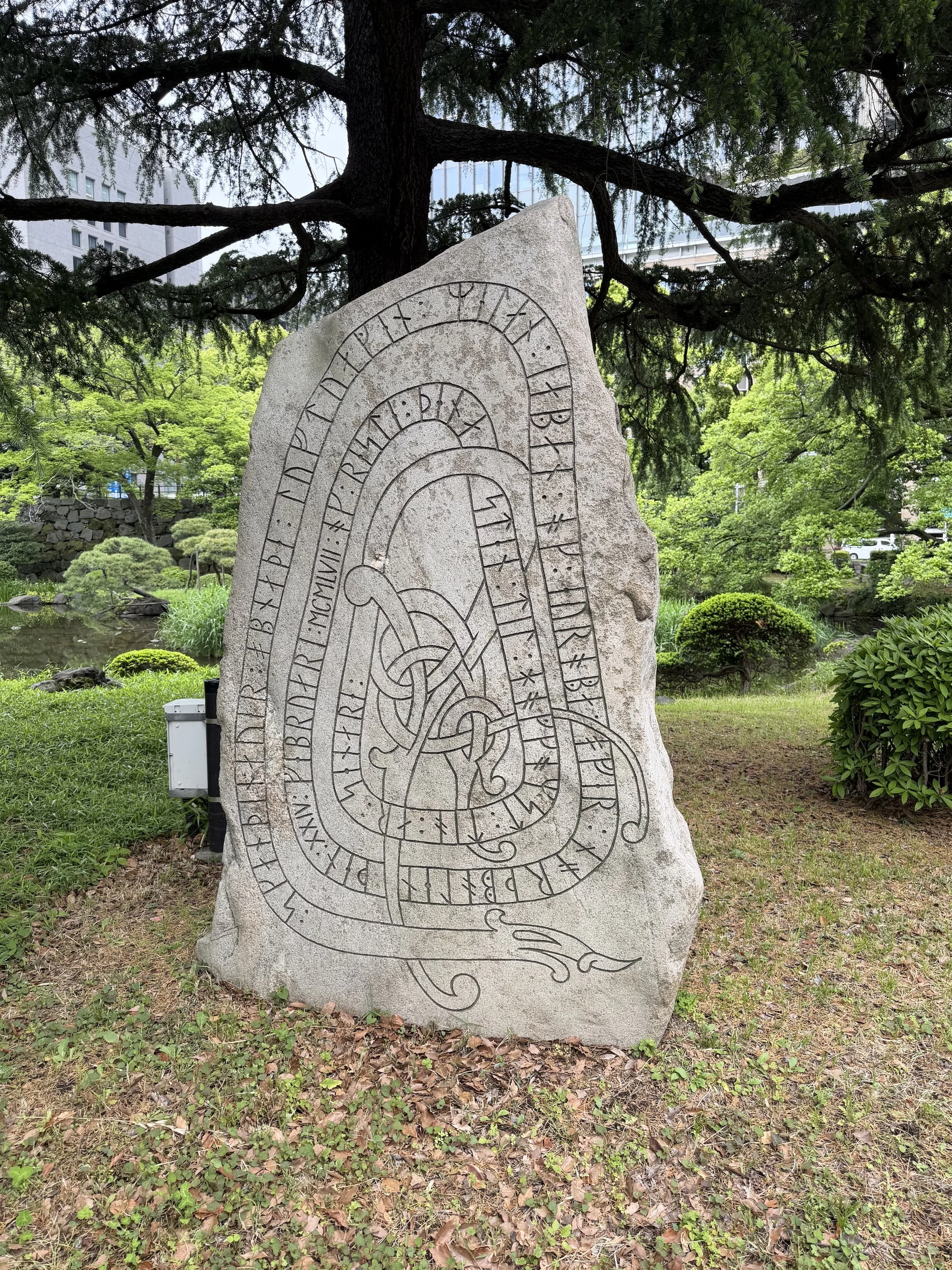
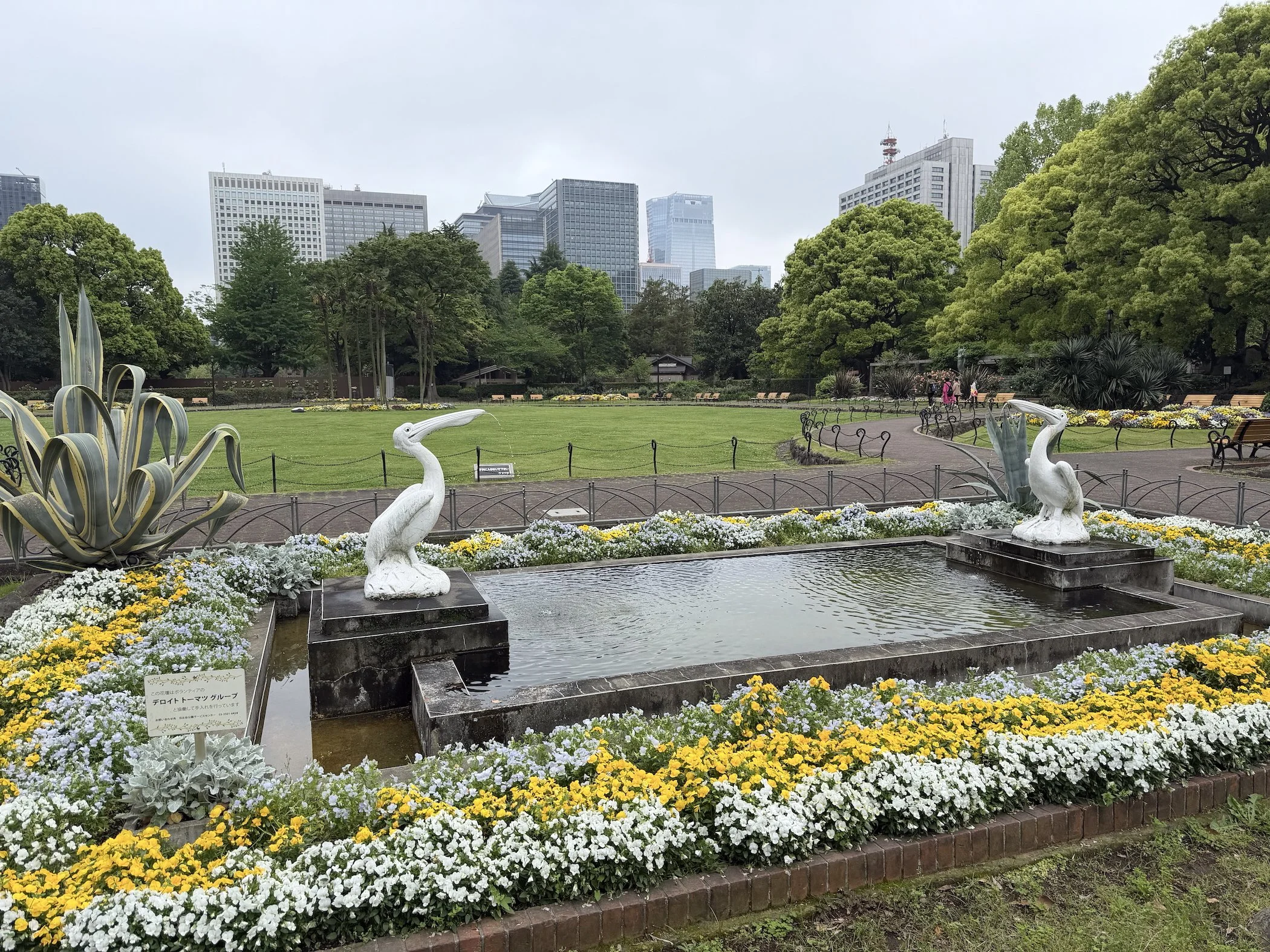
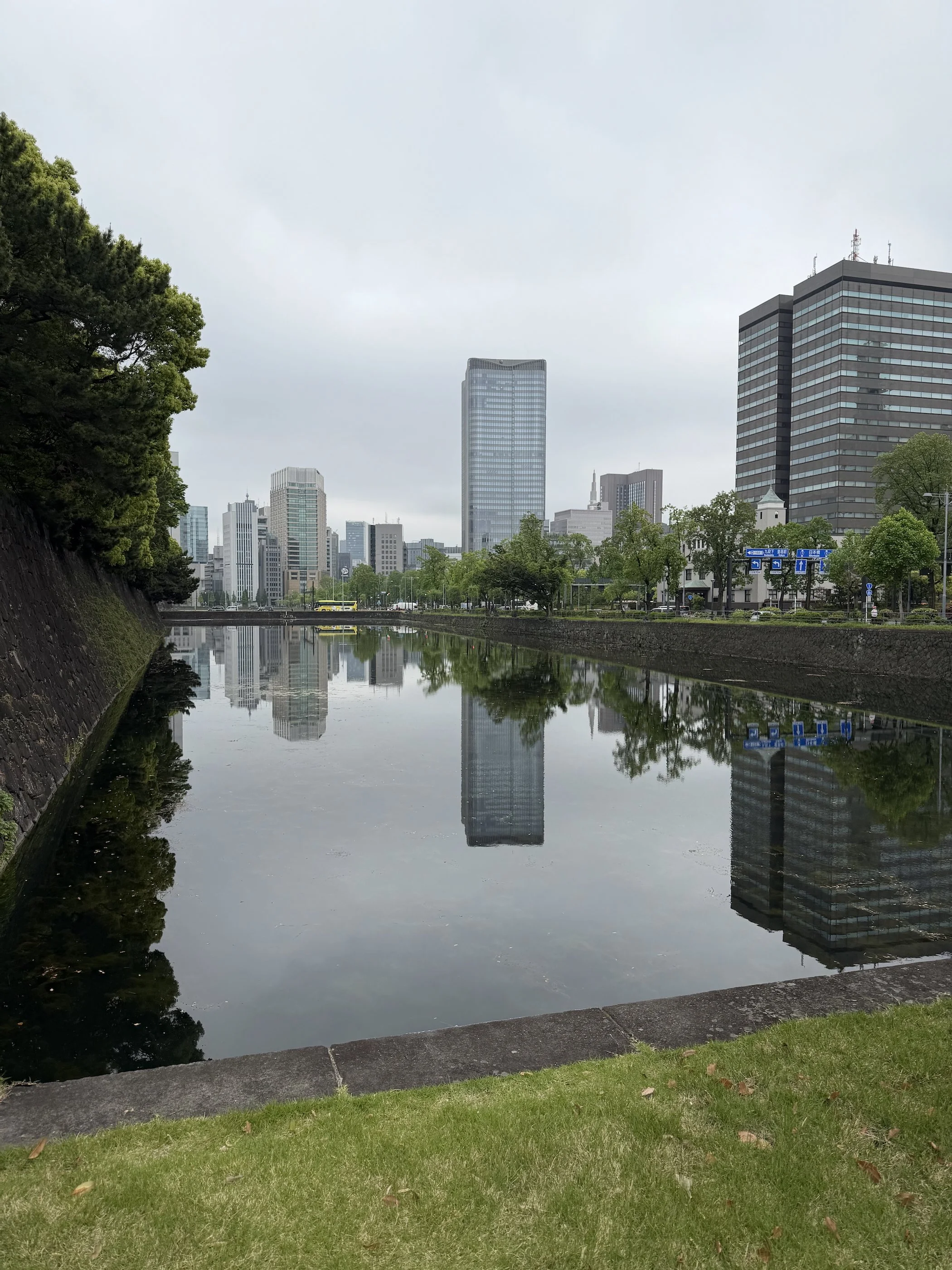
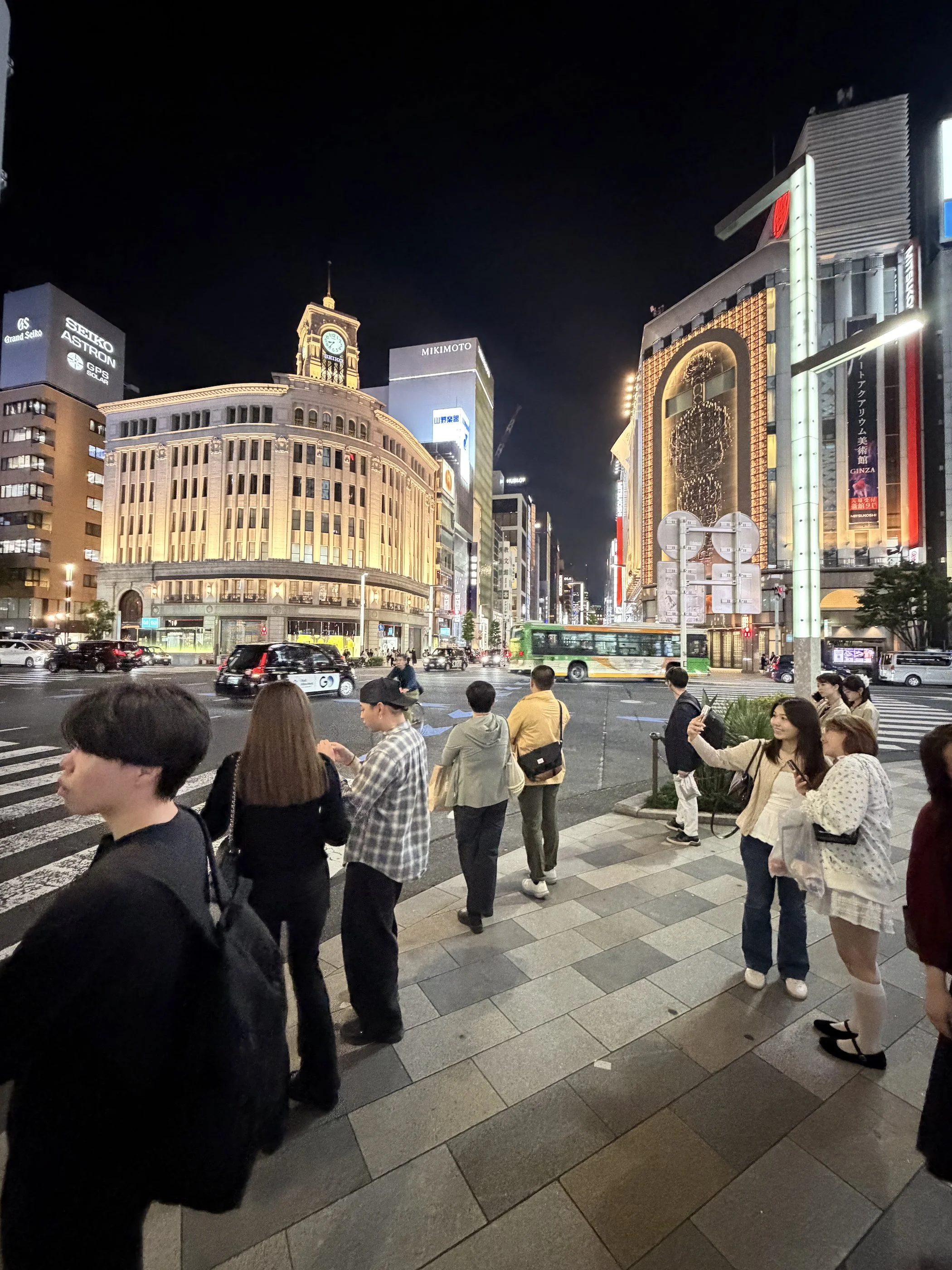
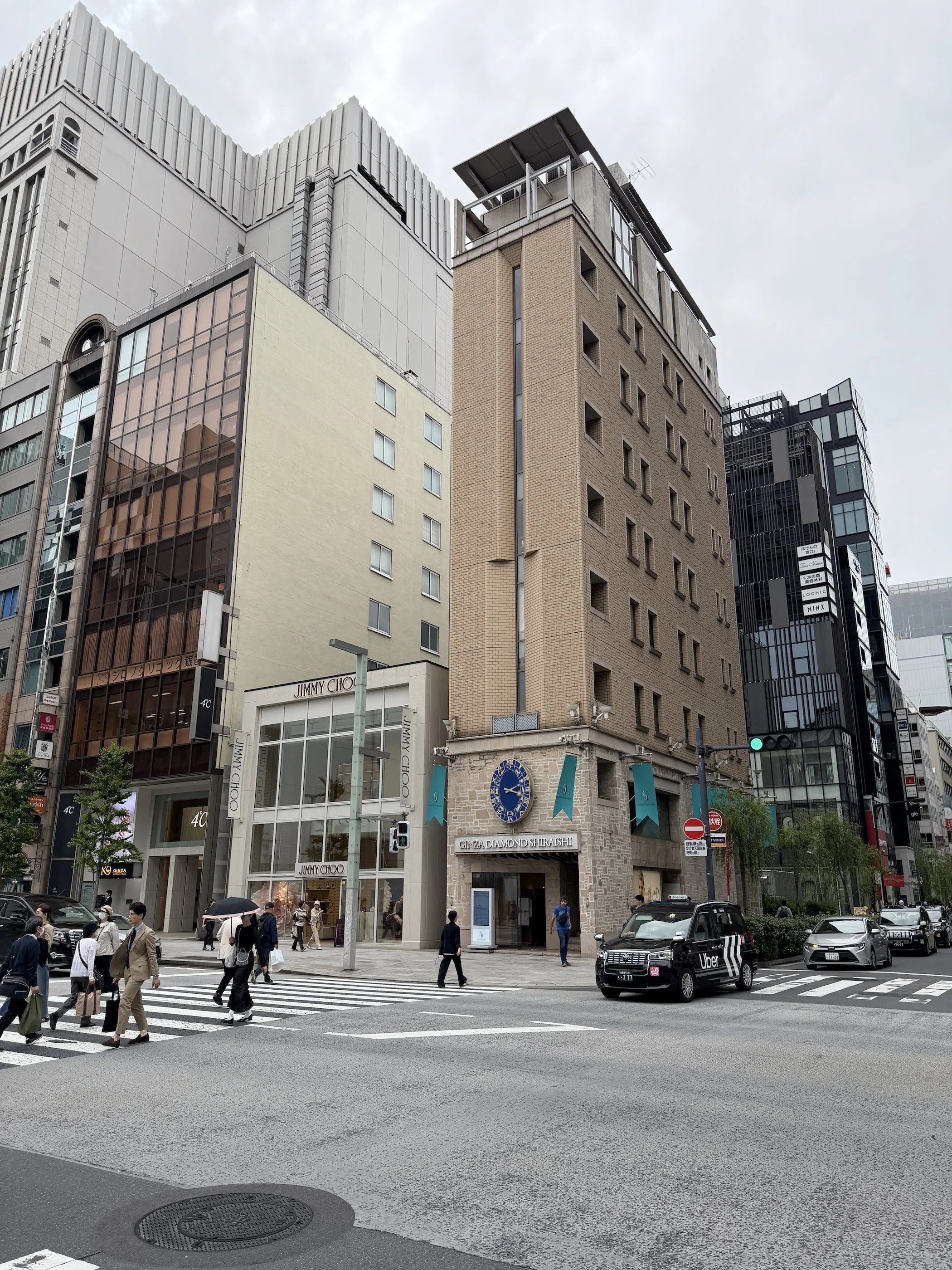
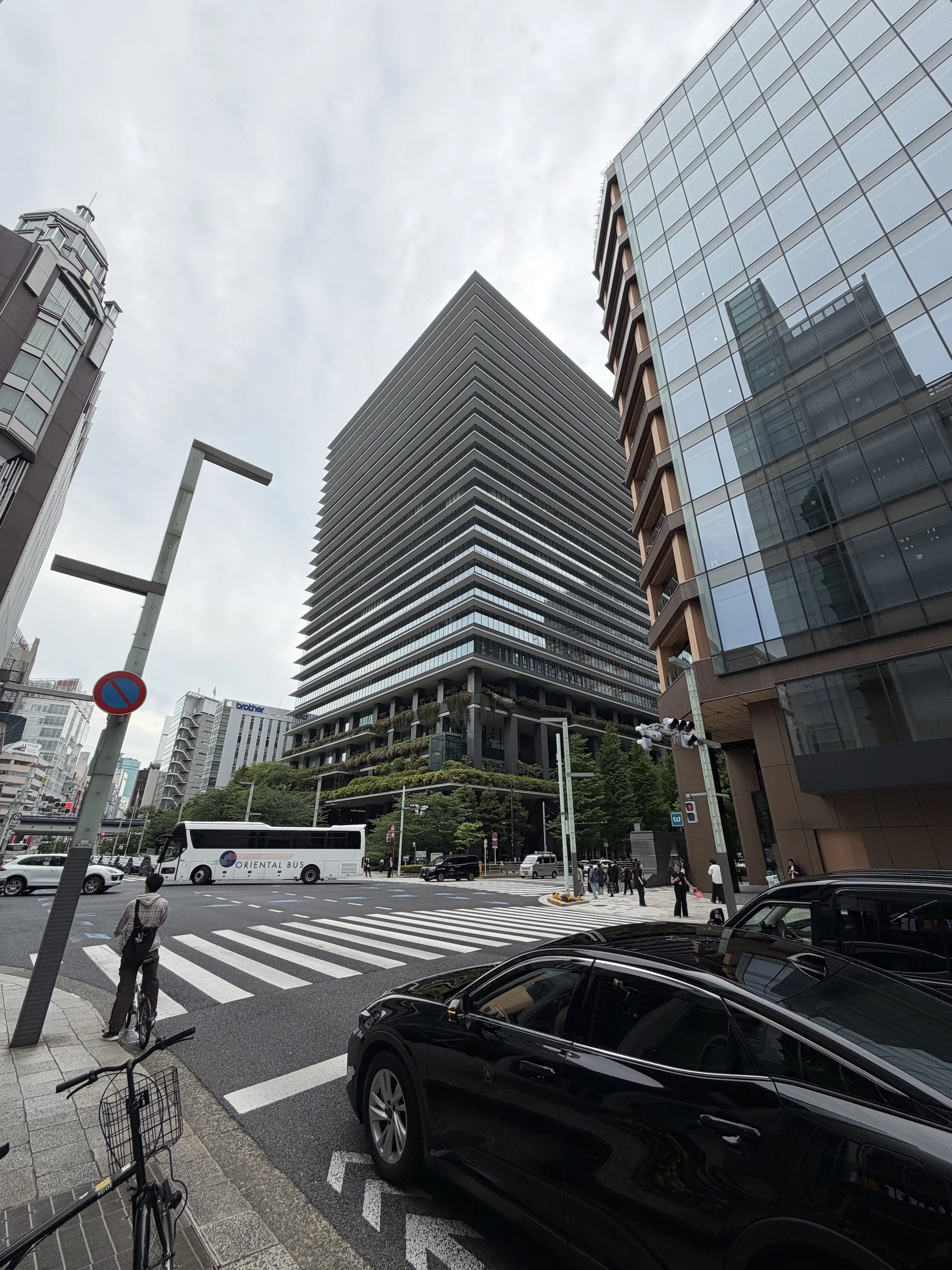
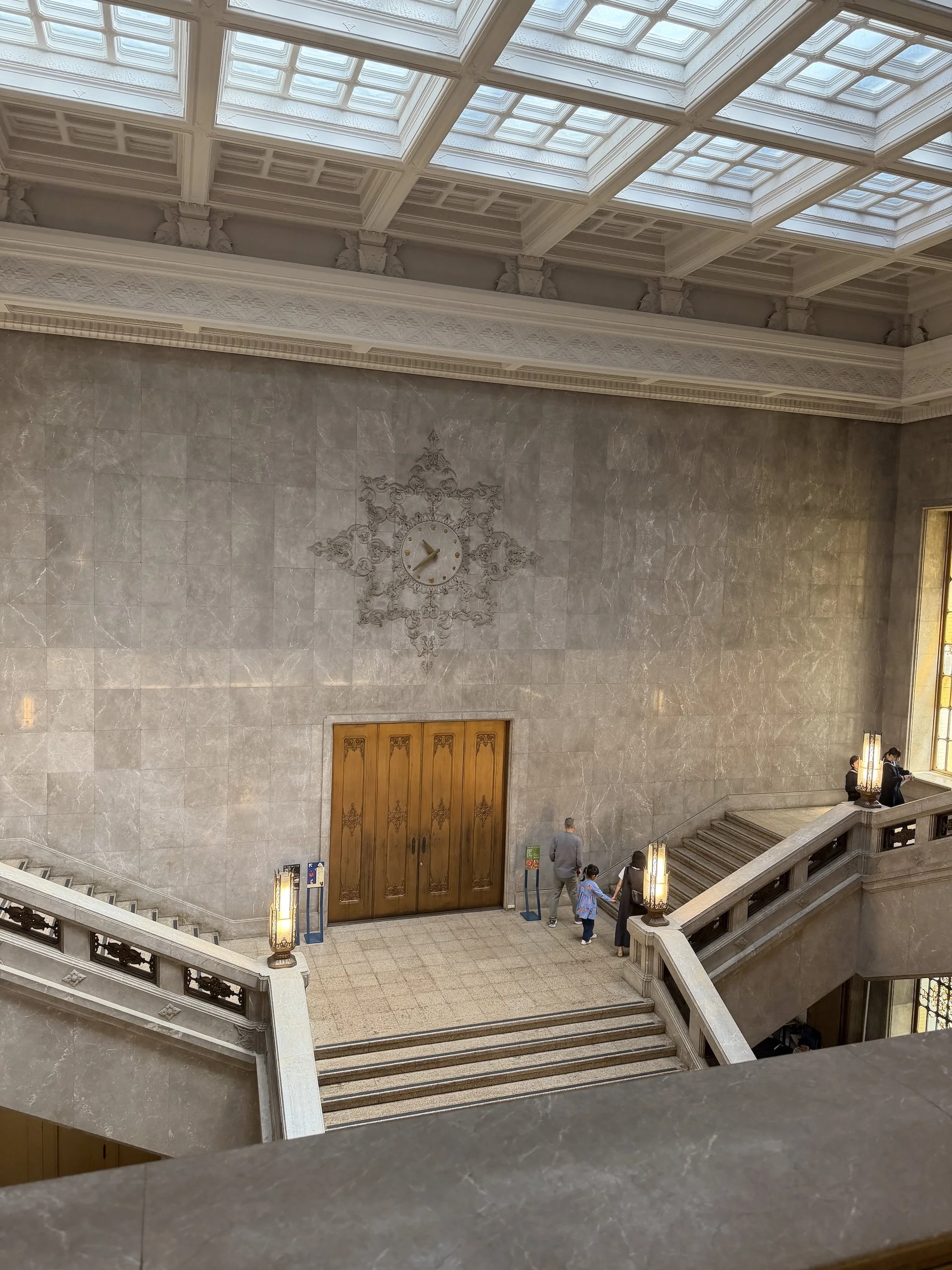
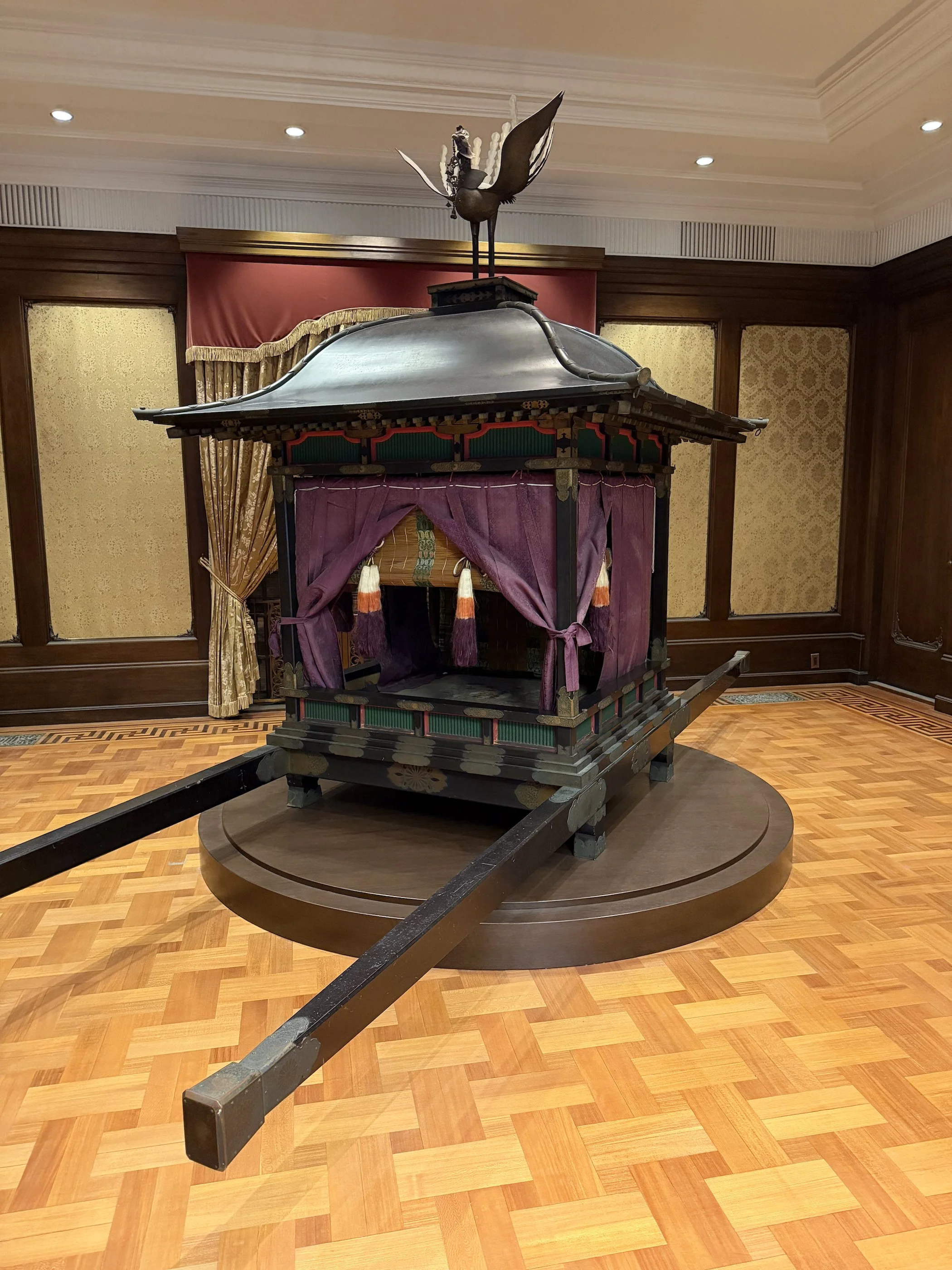
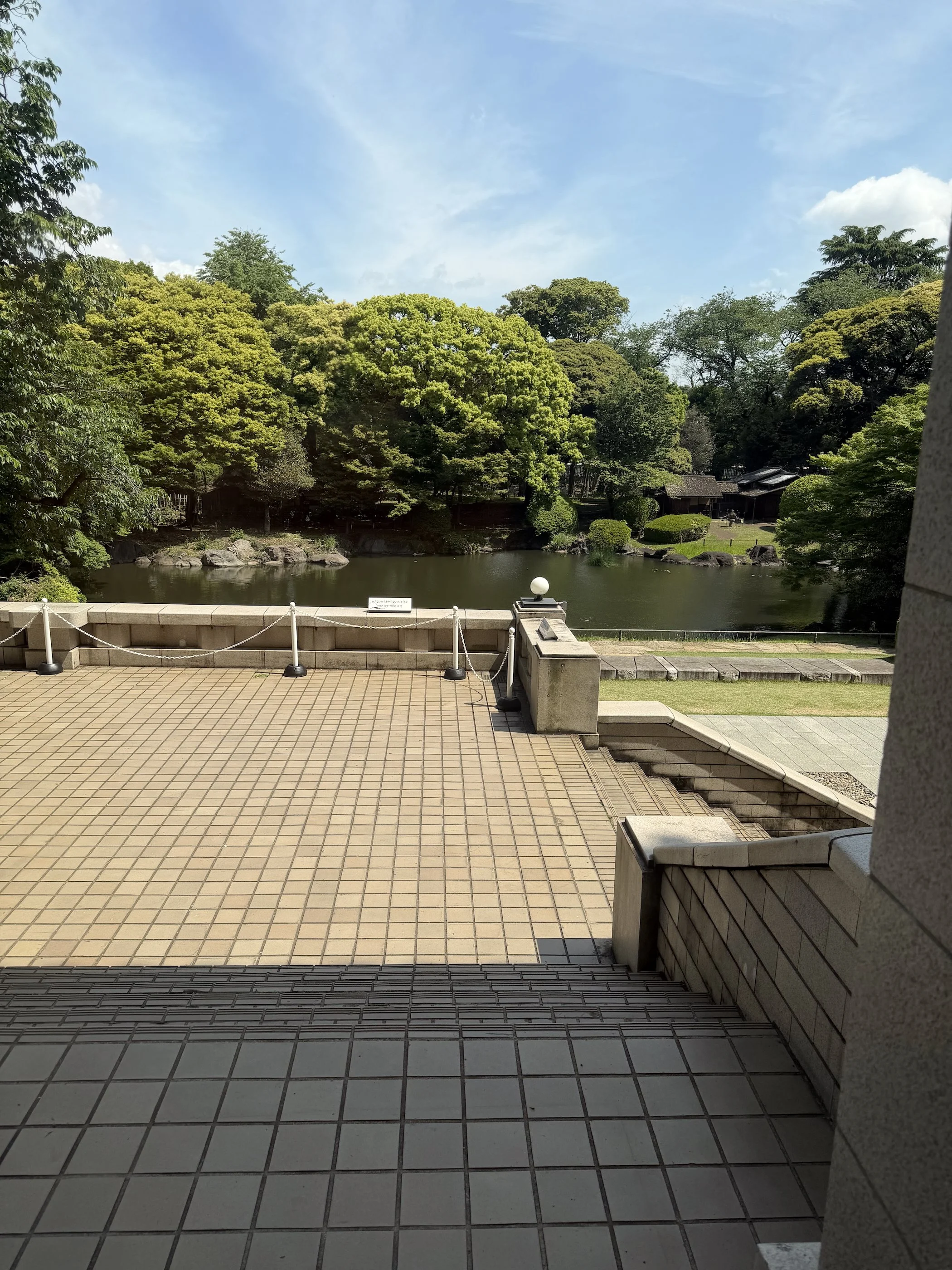
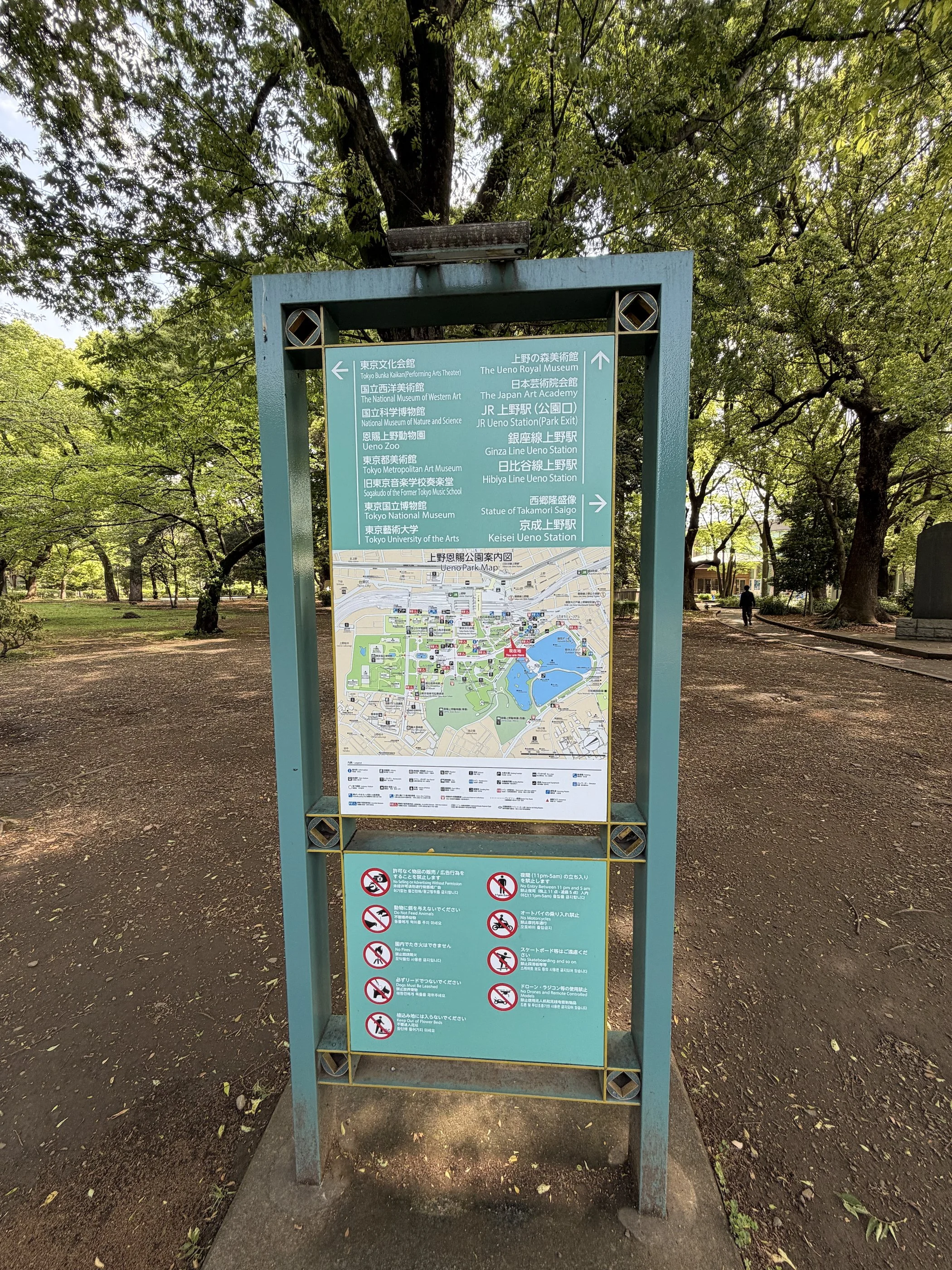
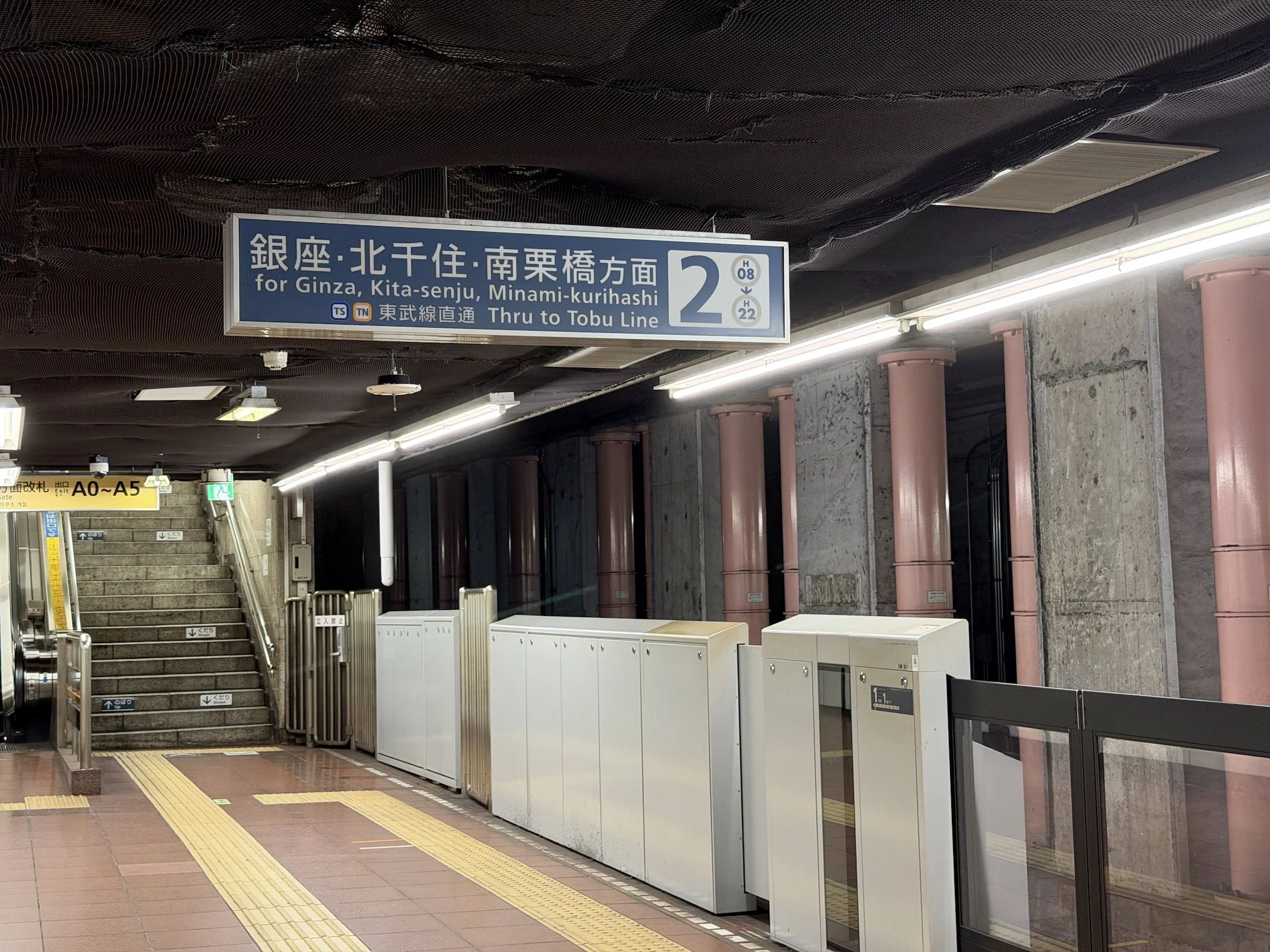
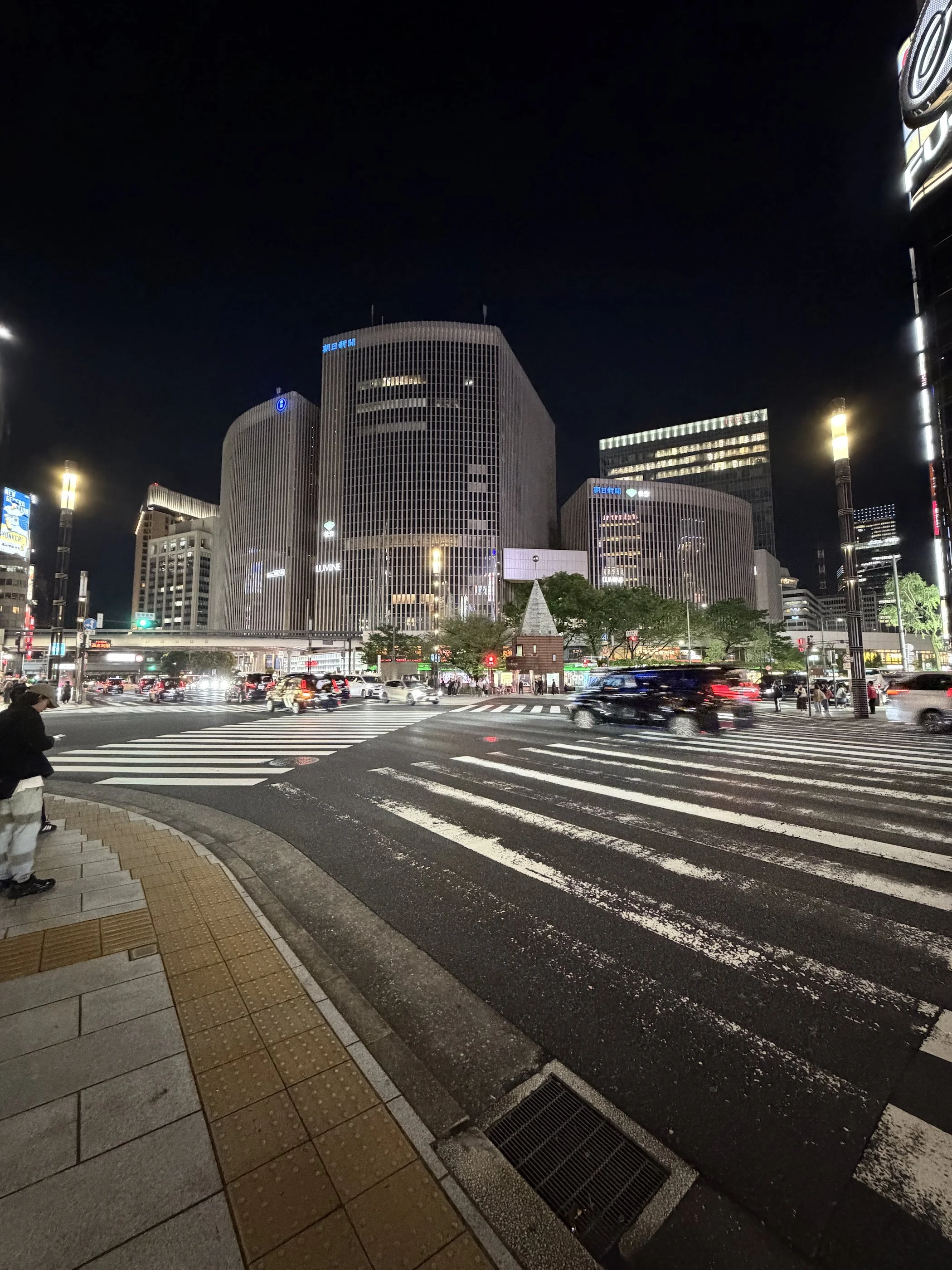
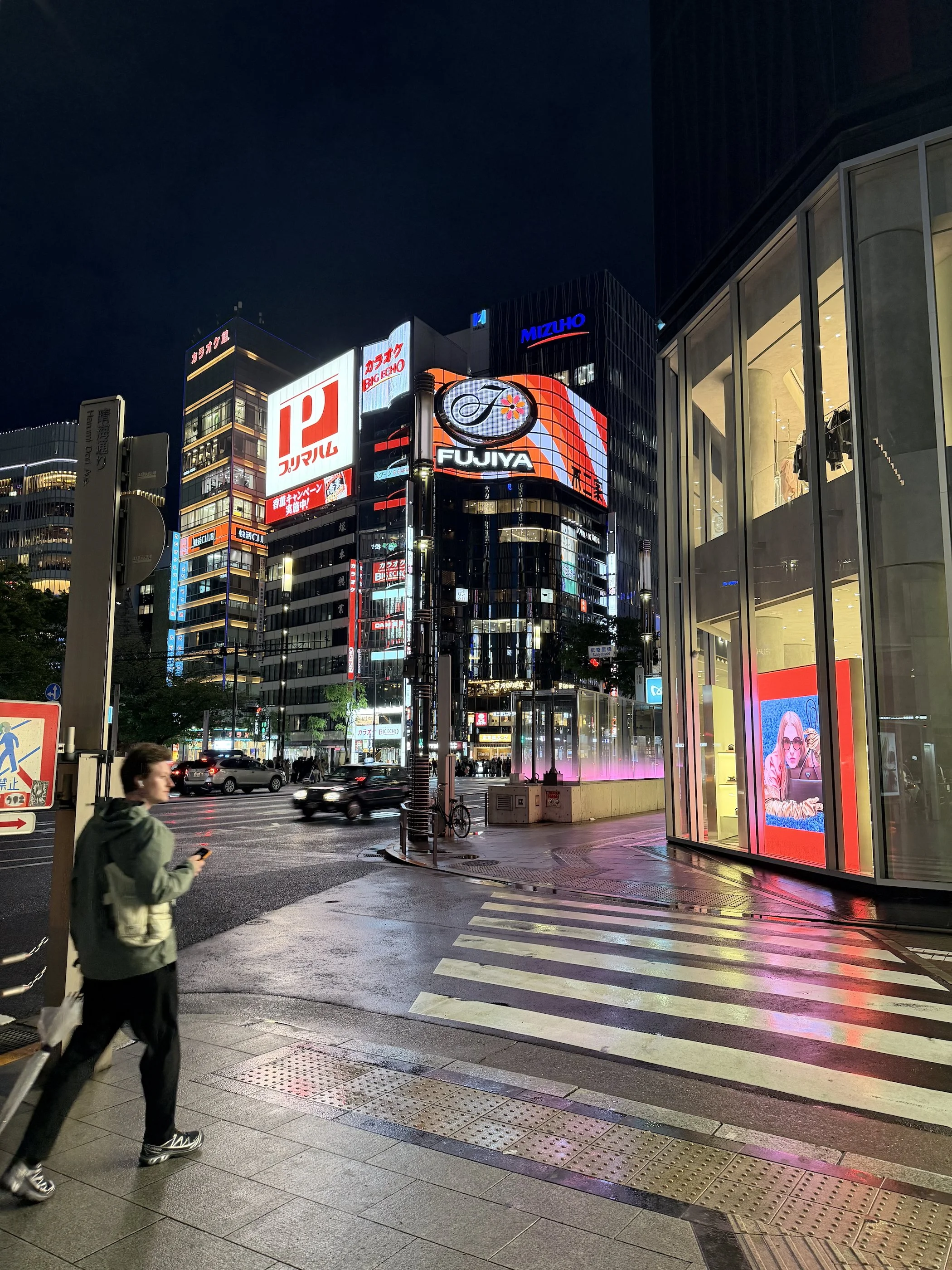
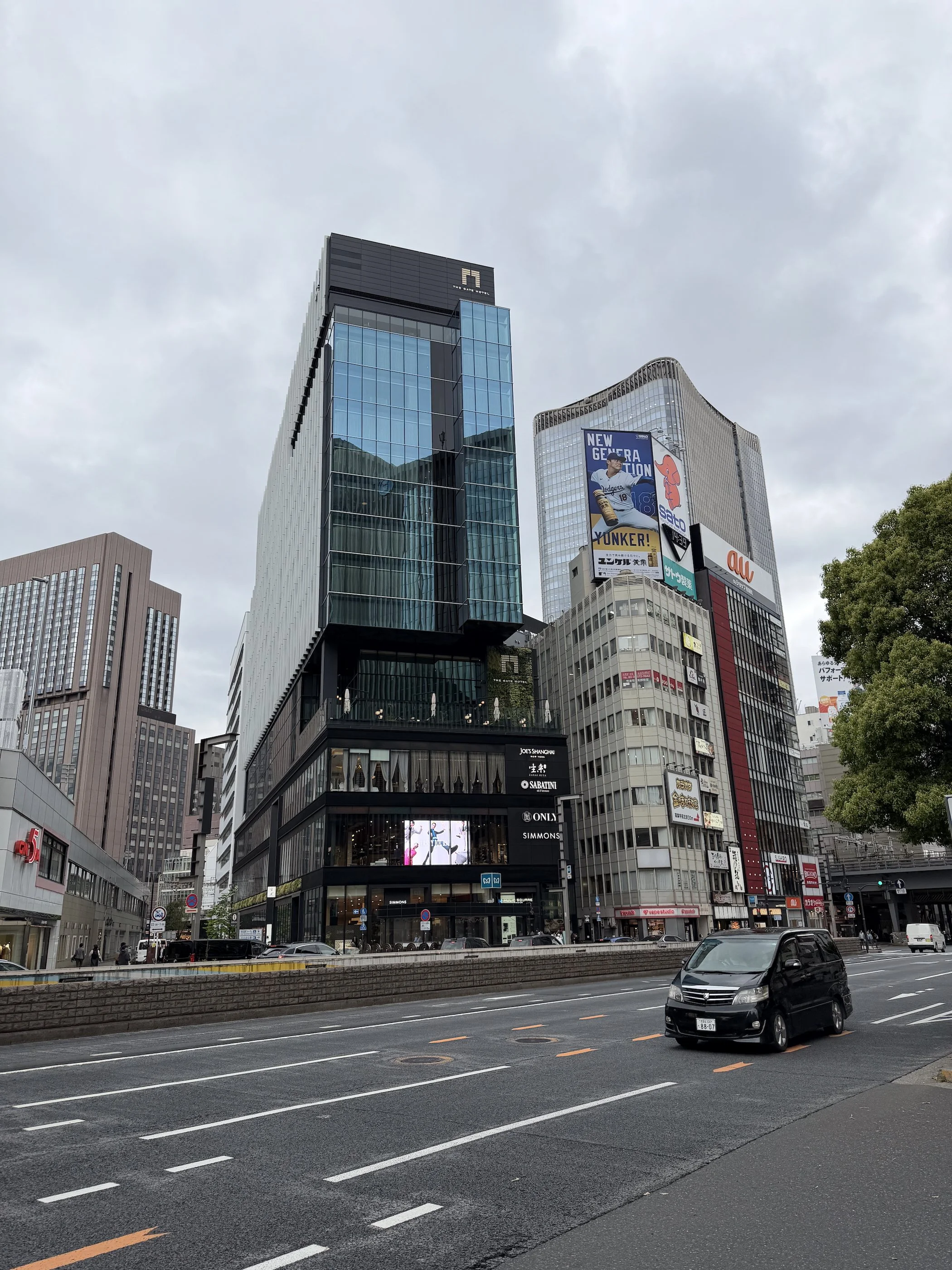
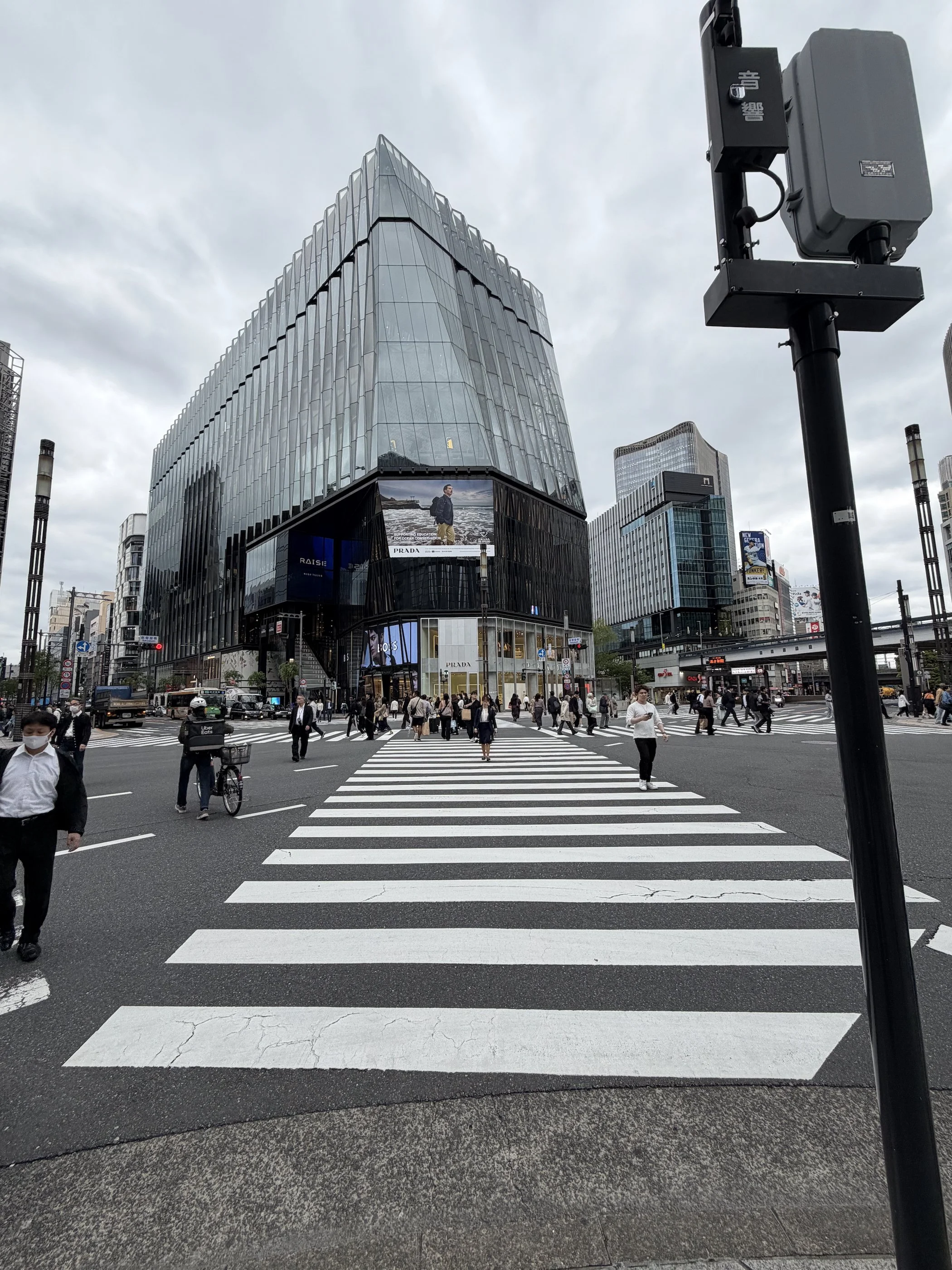
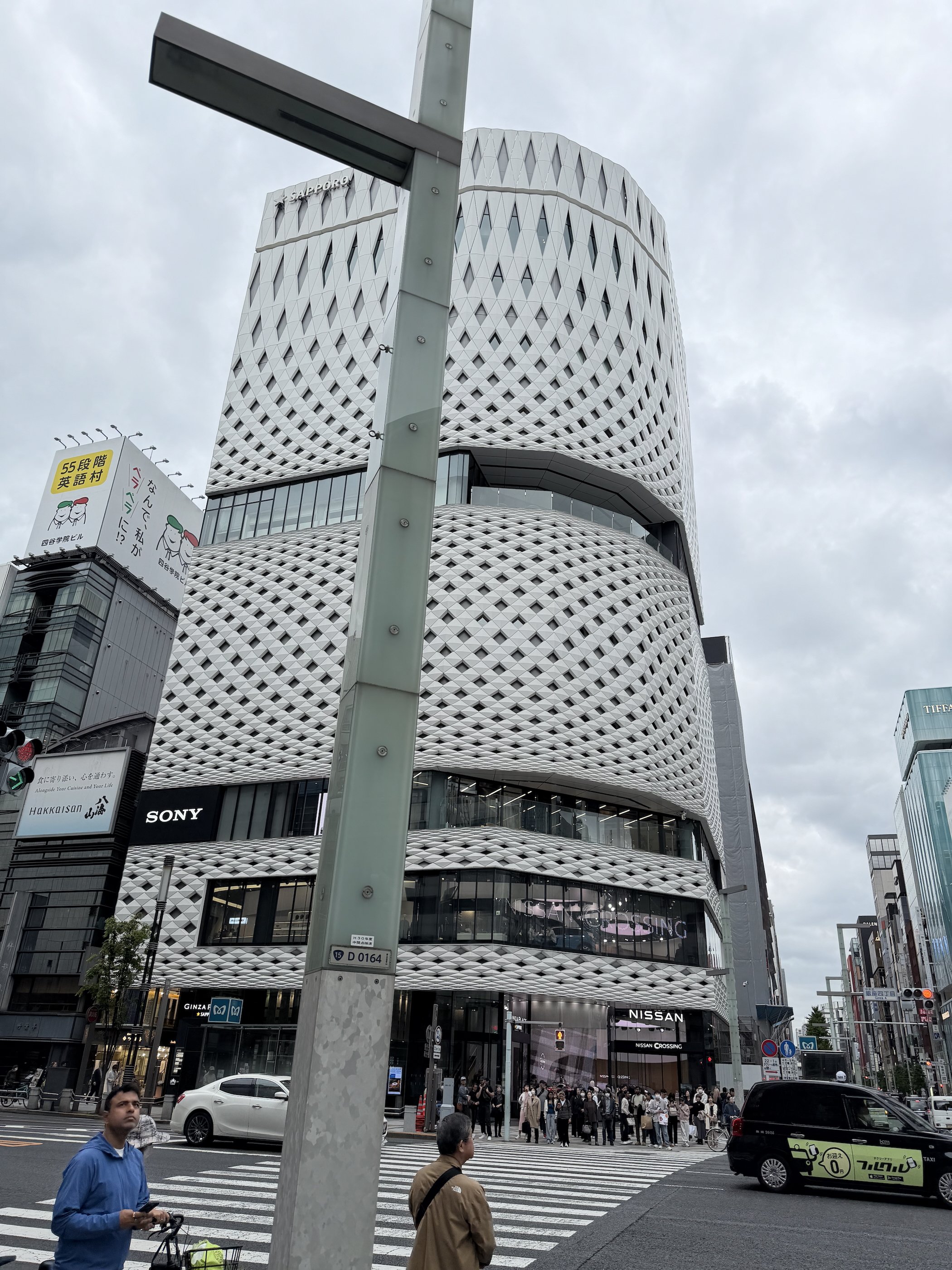
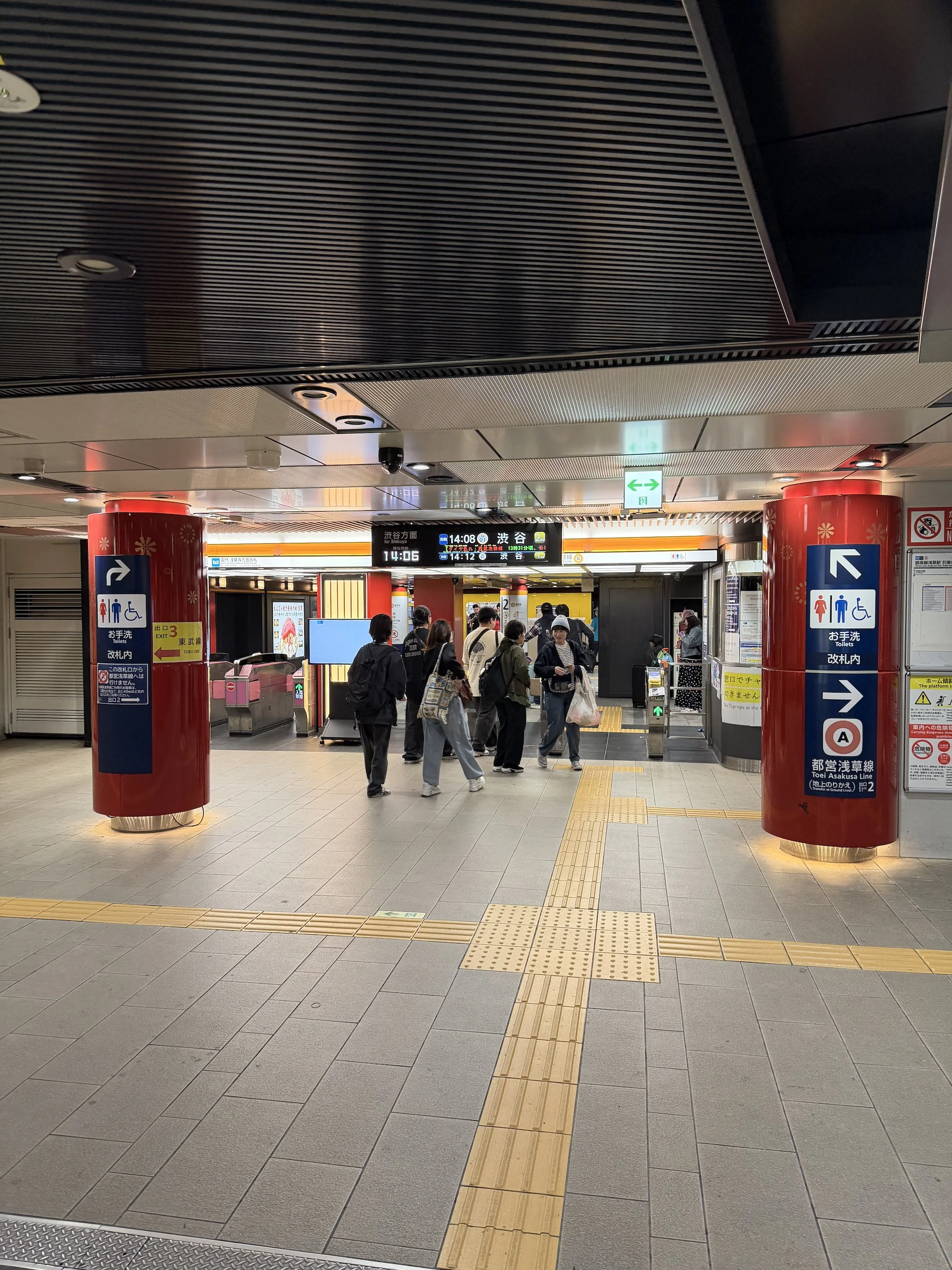
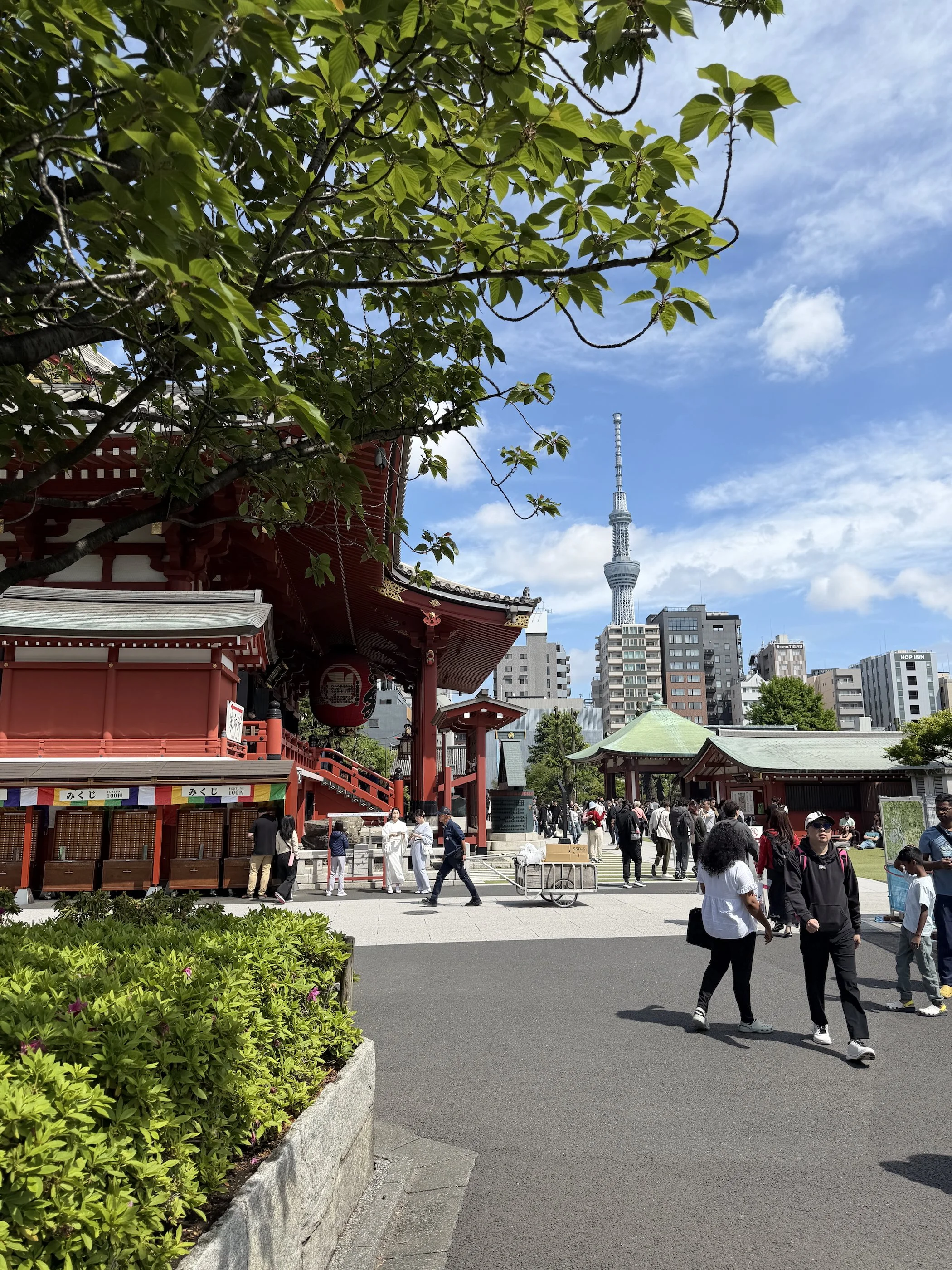
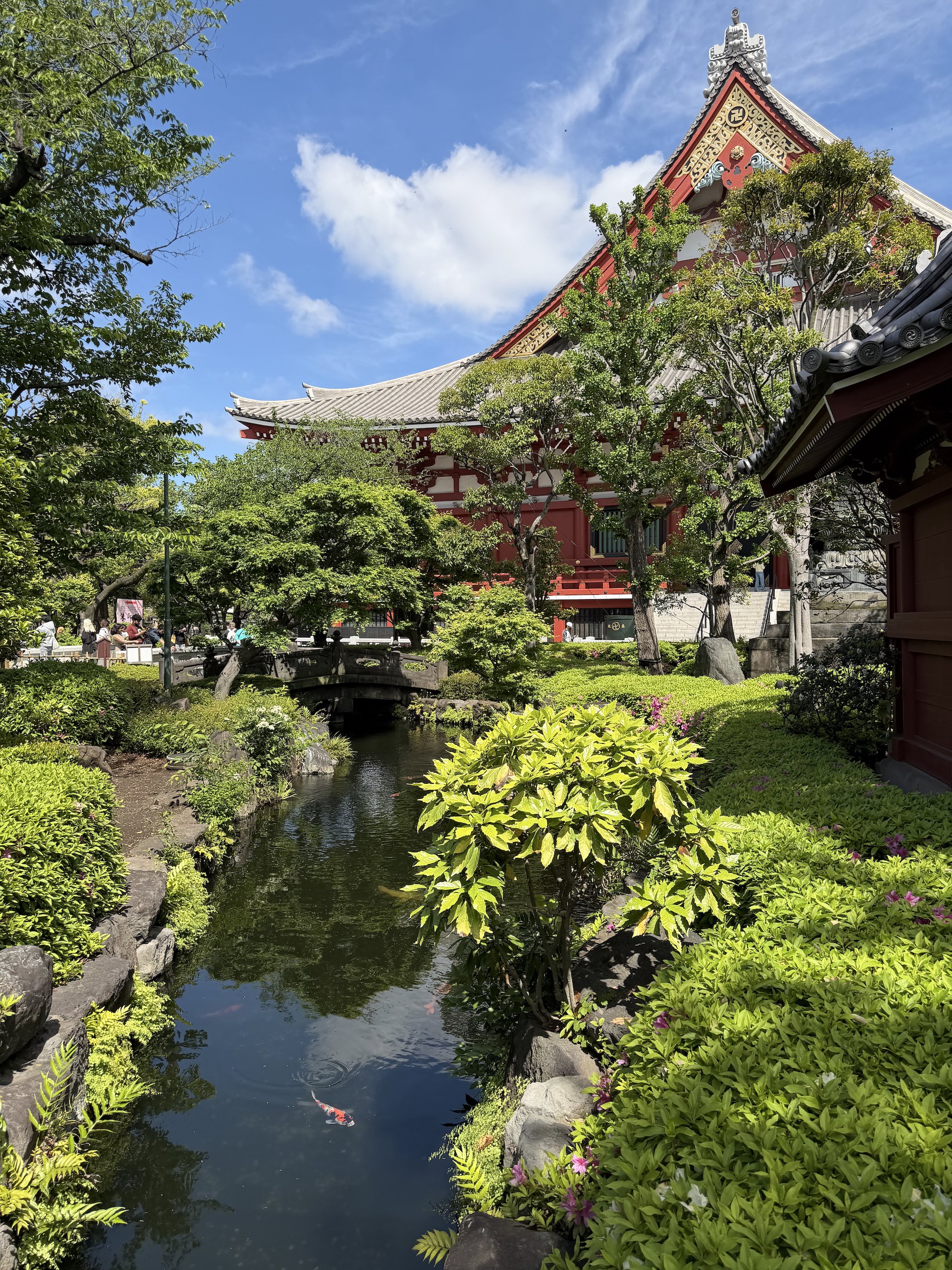
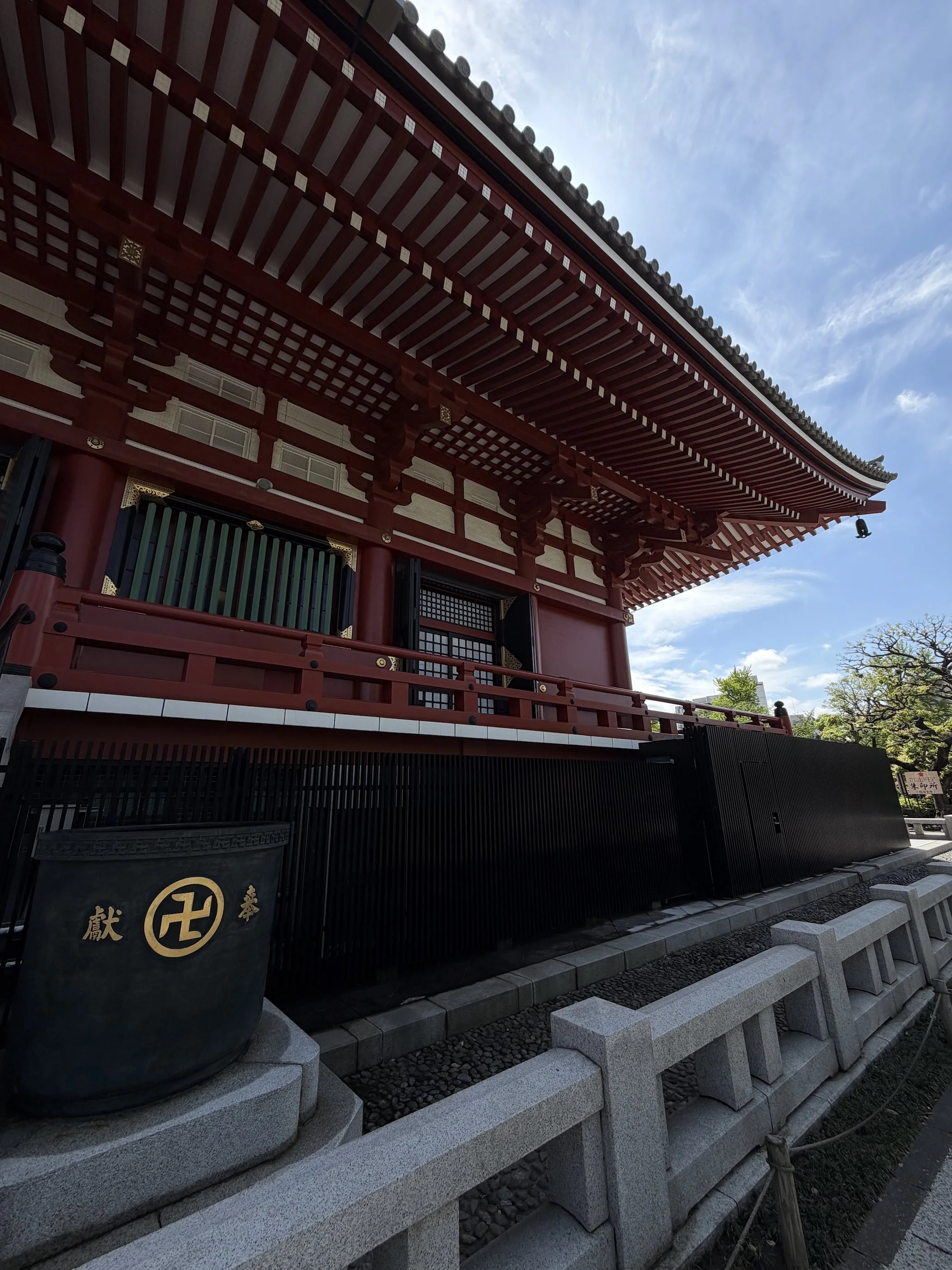
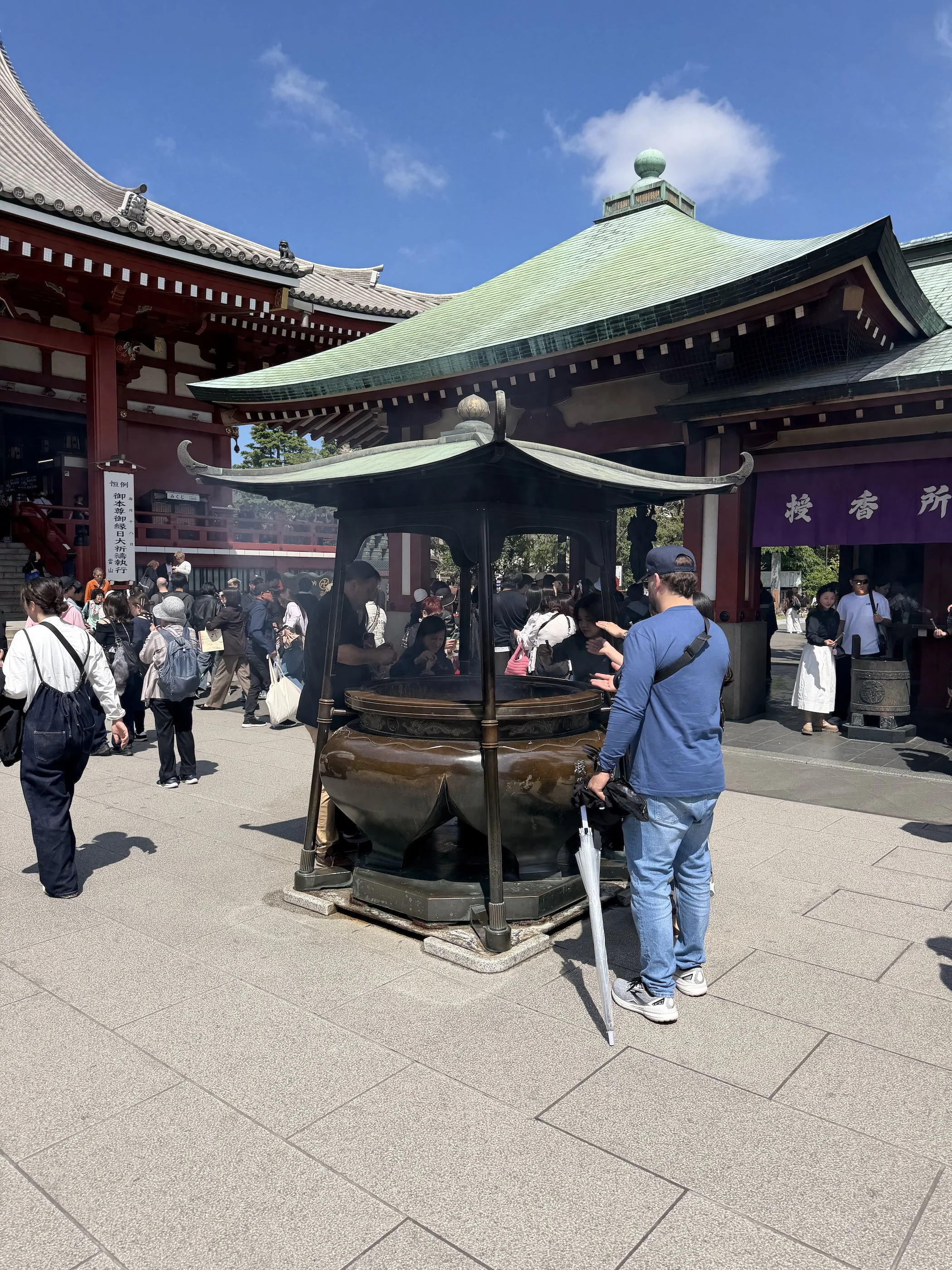
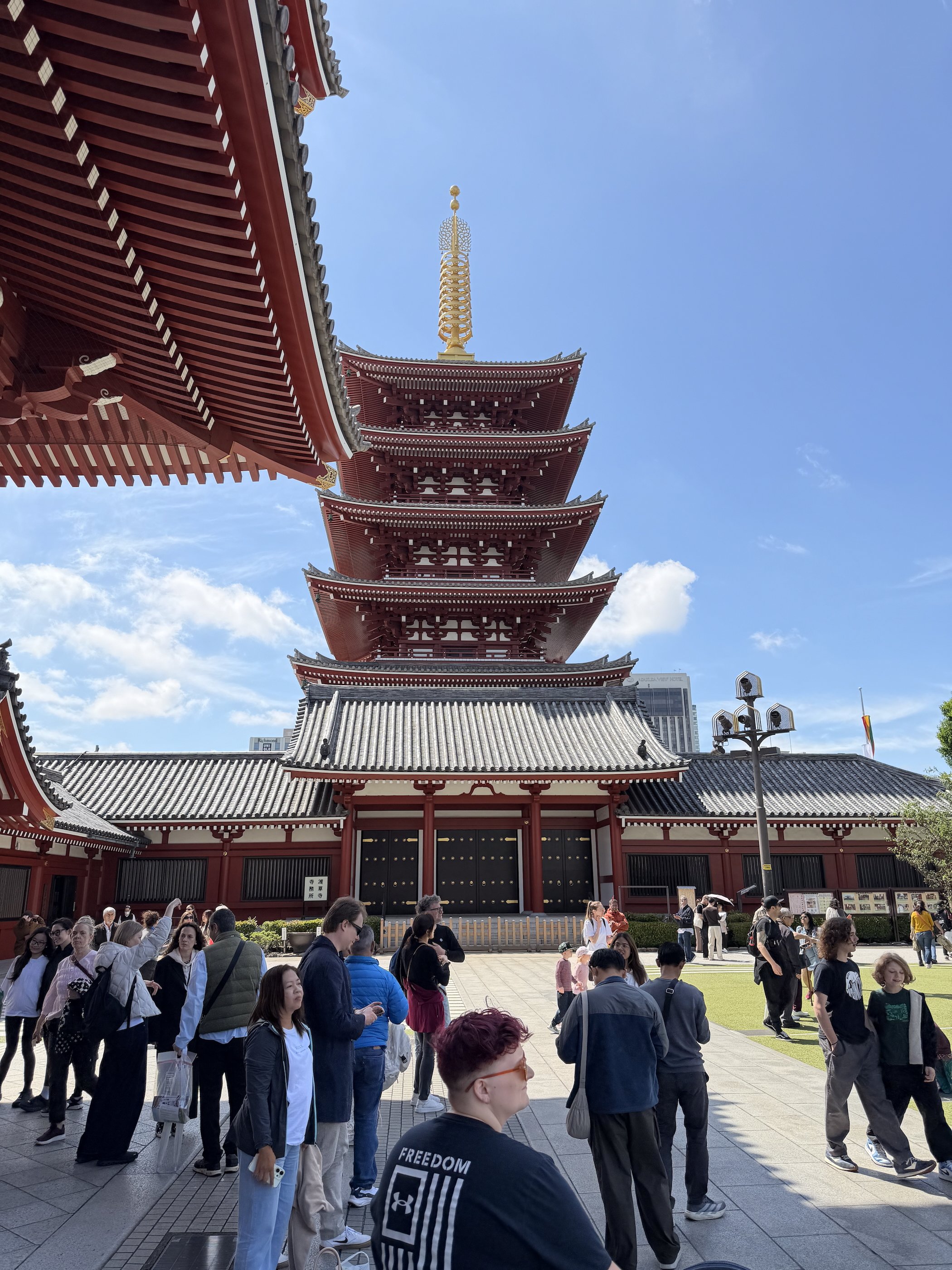
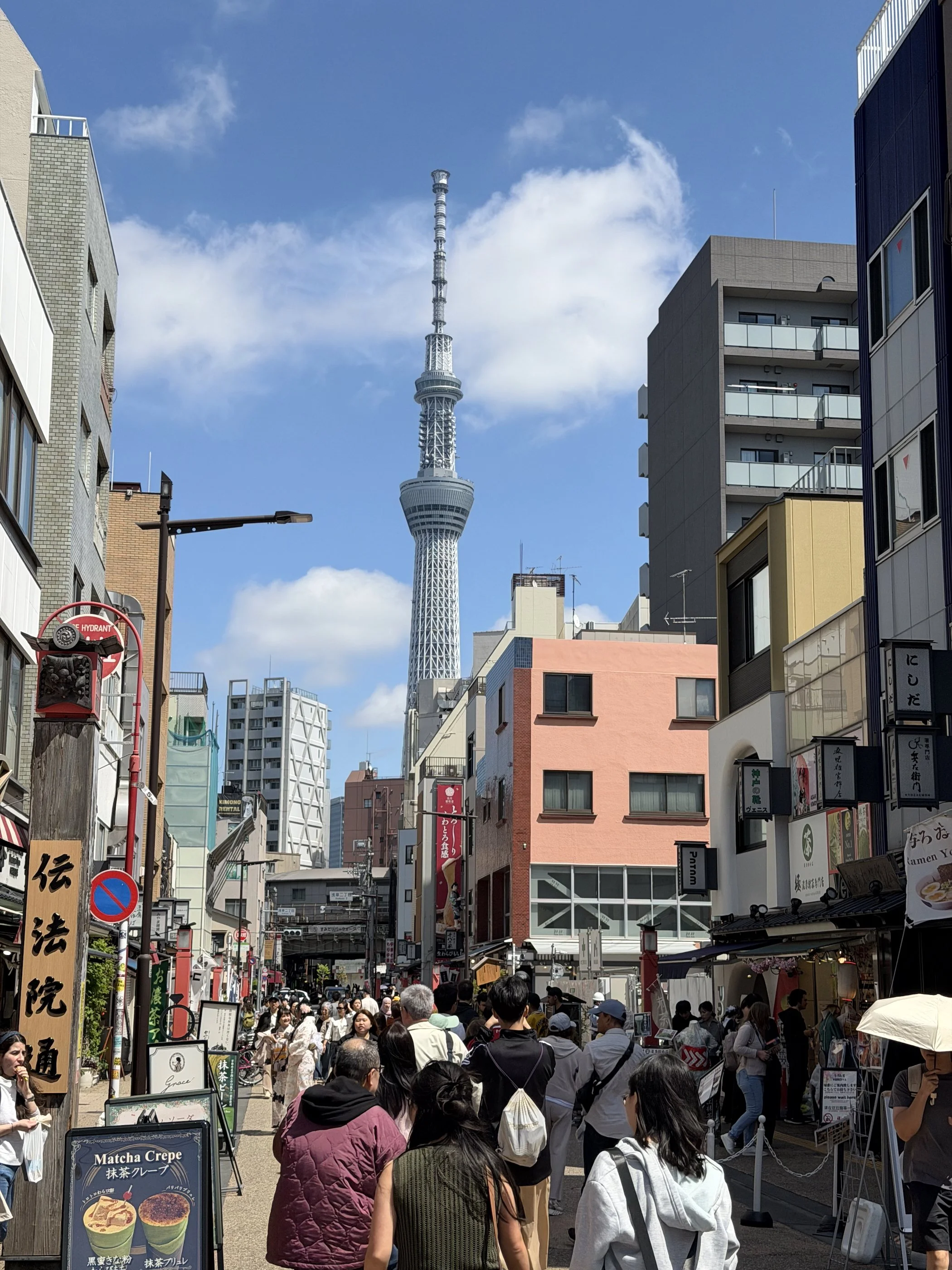
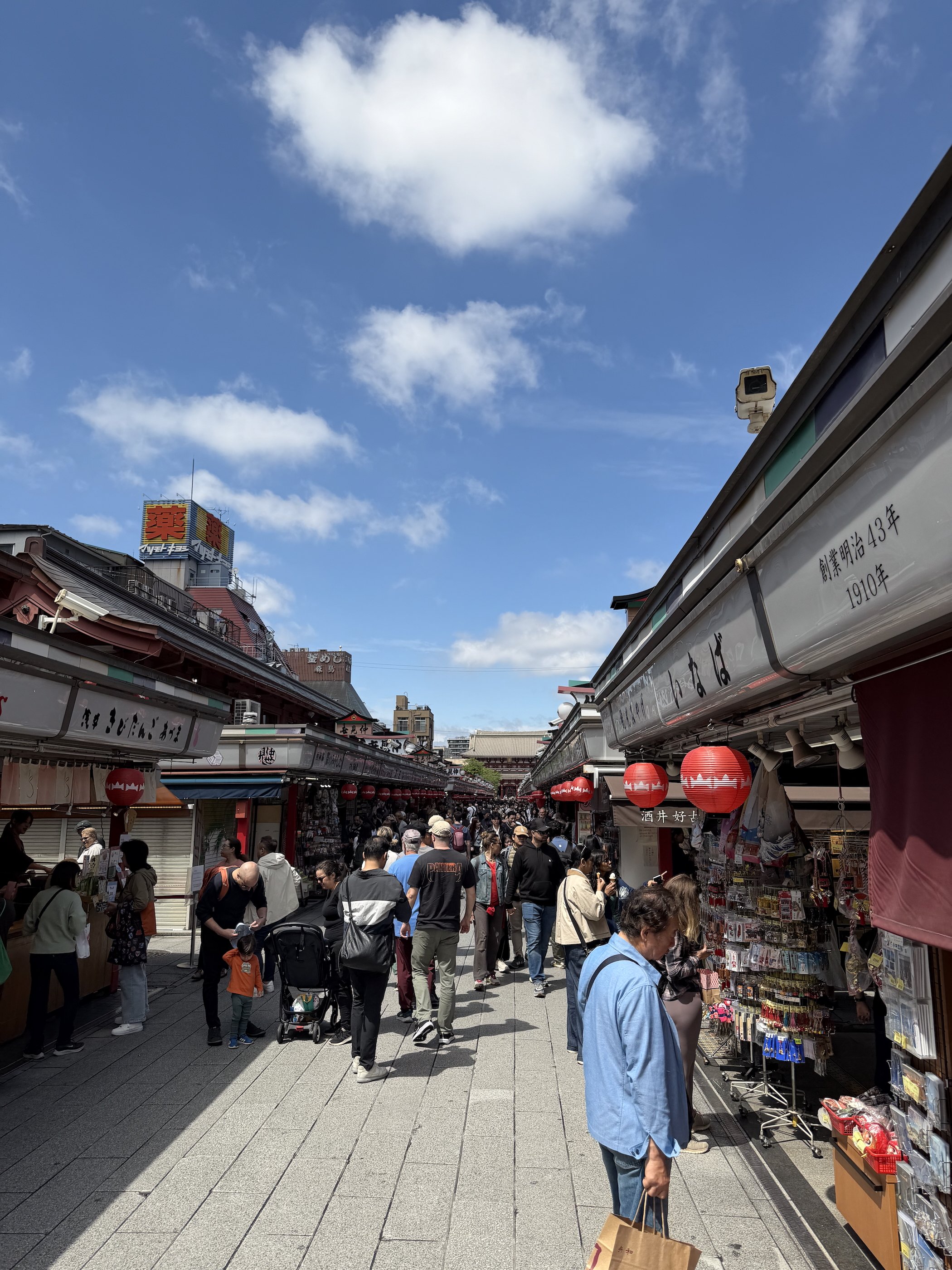
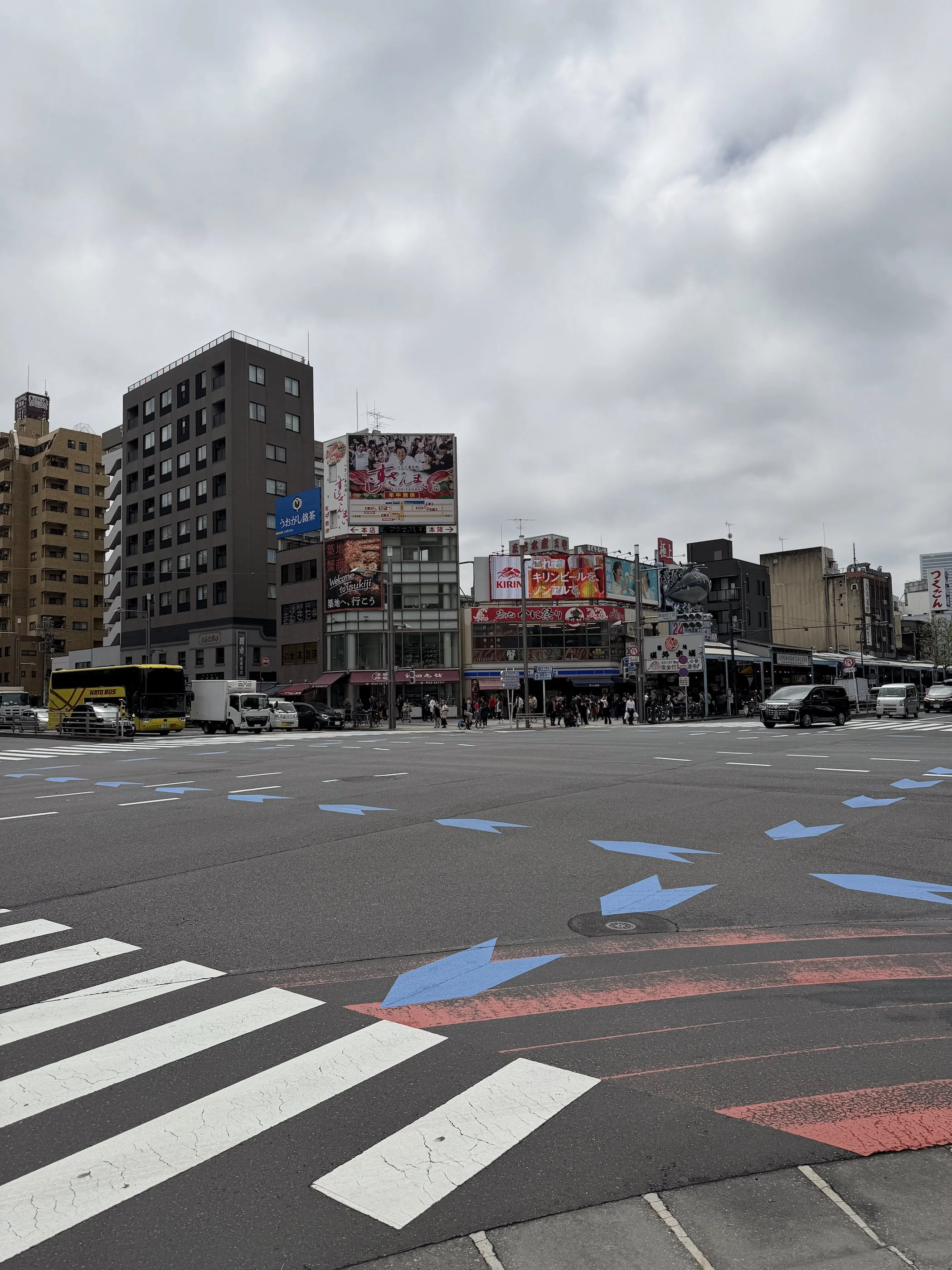
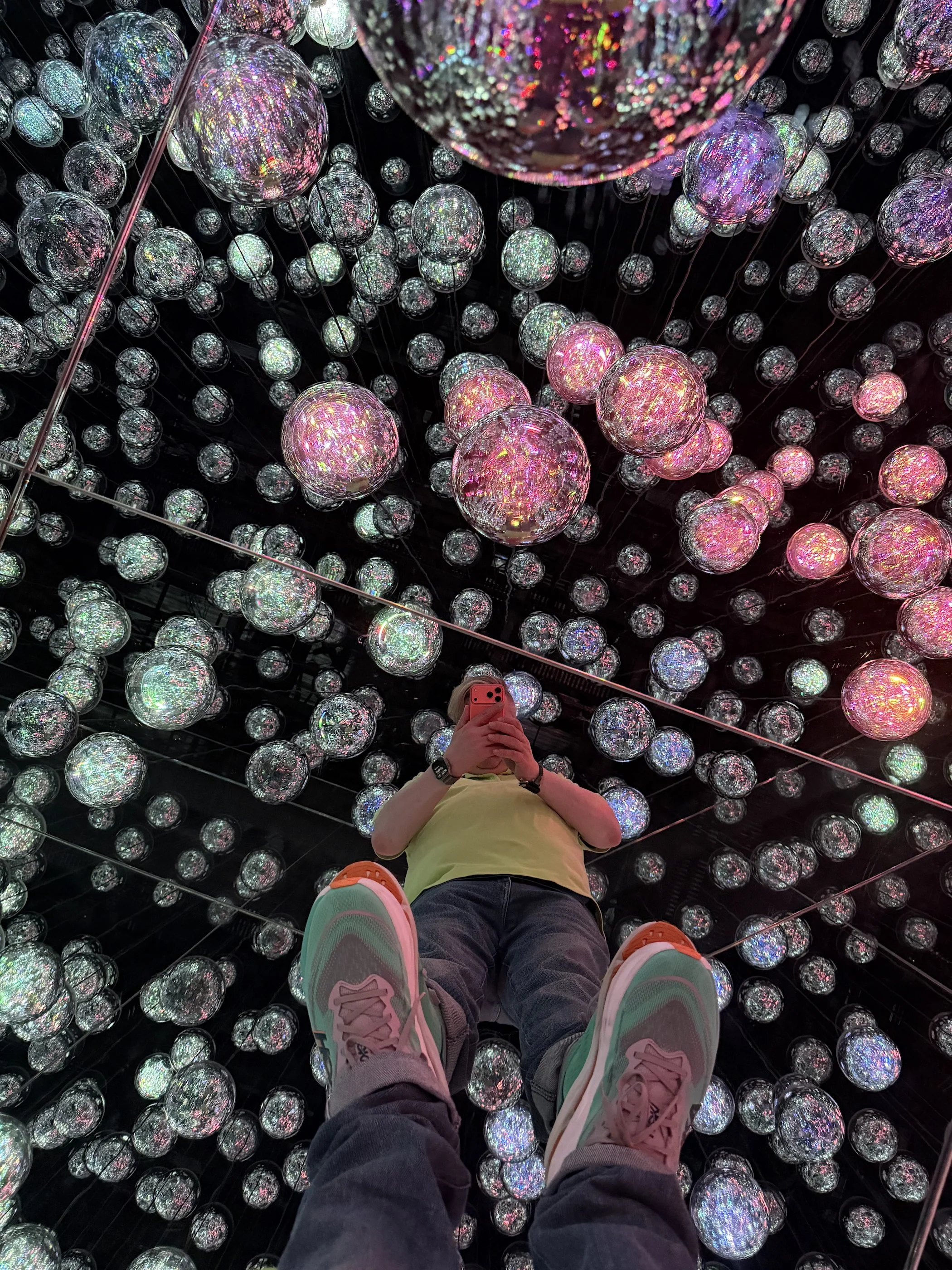
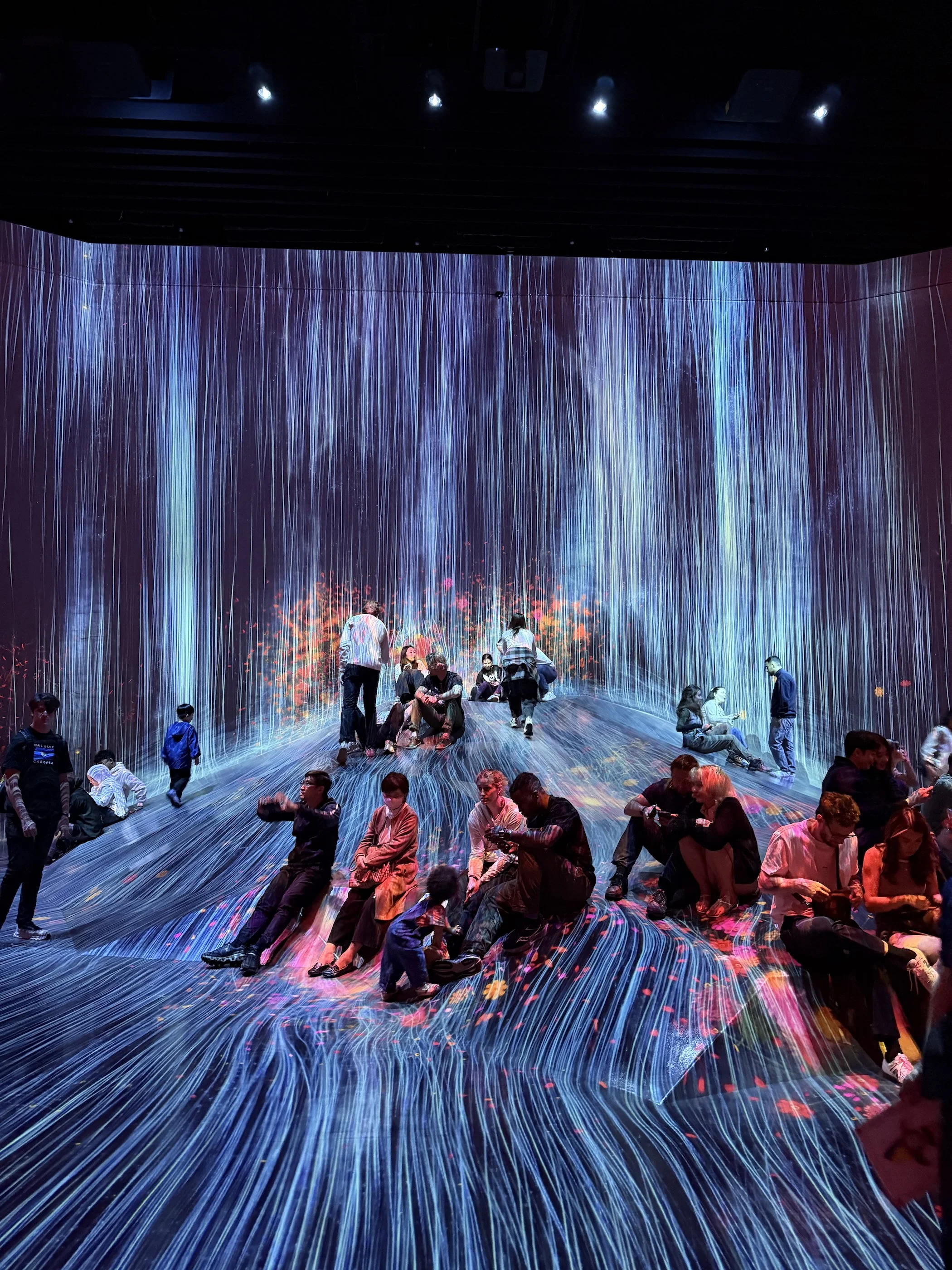
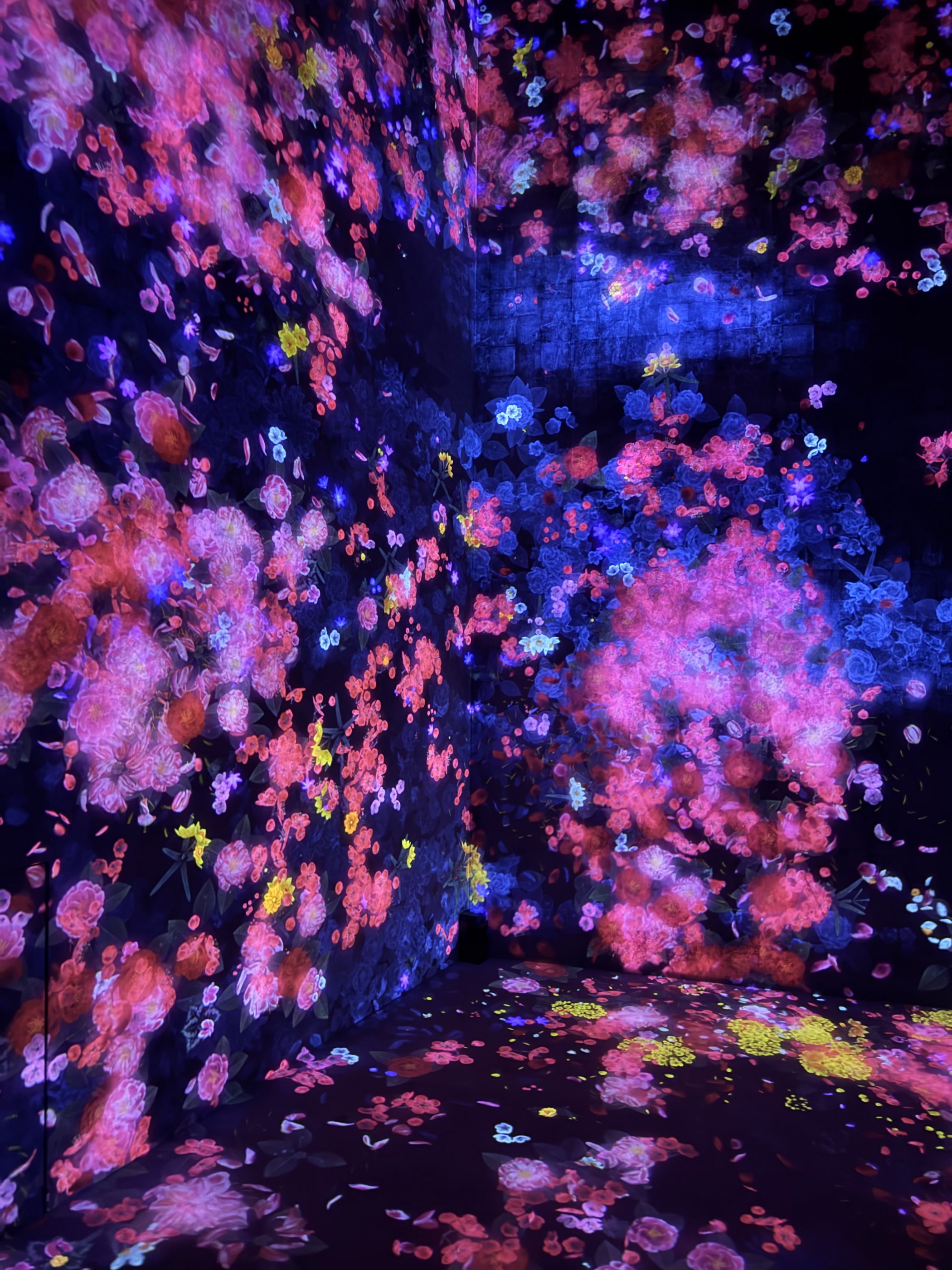
So the photos aren’t really presented in chronological order, but they include a variety of sights. While Tokyo’s greater area is reportedly the densest urban area in the world with over 30M, the city center reflects about 11M. I don’t know how you measure these areas because for me the city really isn’t as much a city as a collection of dense sub-cities. It might be okay to call these neighborhoods, but from a guy who grew up in suburban Ohio, understanding what Tokyo is in itself is hard to grasp. And going during Golden Week wasn’t awful, but it allowed us to see Japanese doing some sight-seeing alongside us which in some ways was fun.
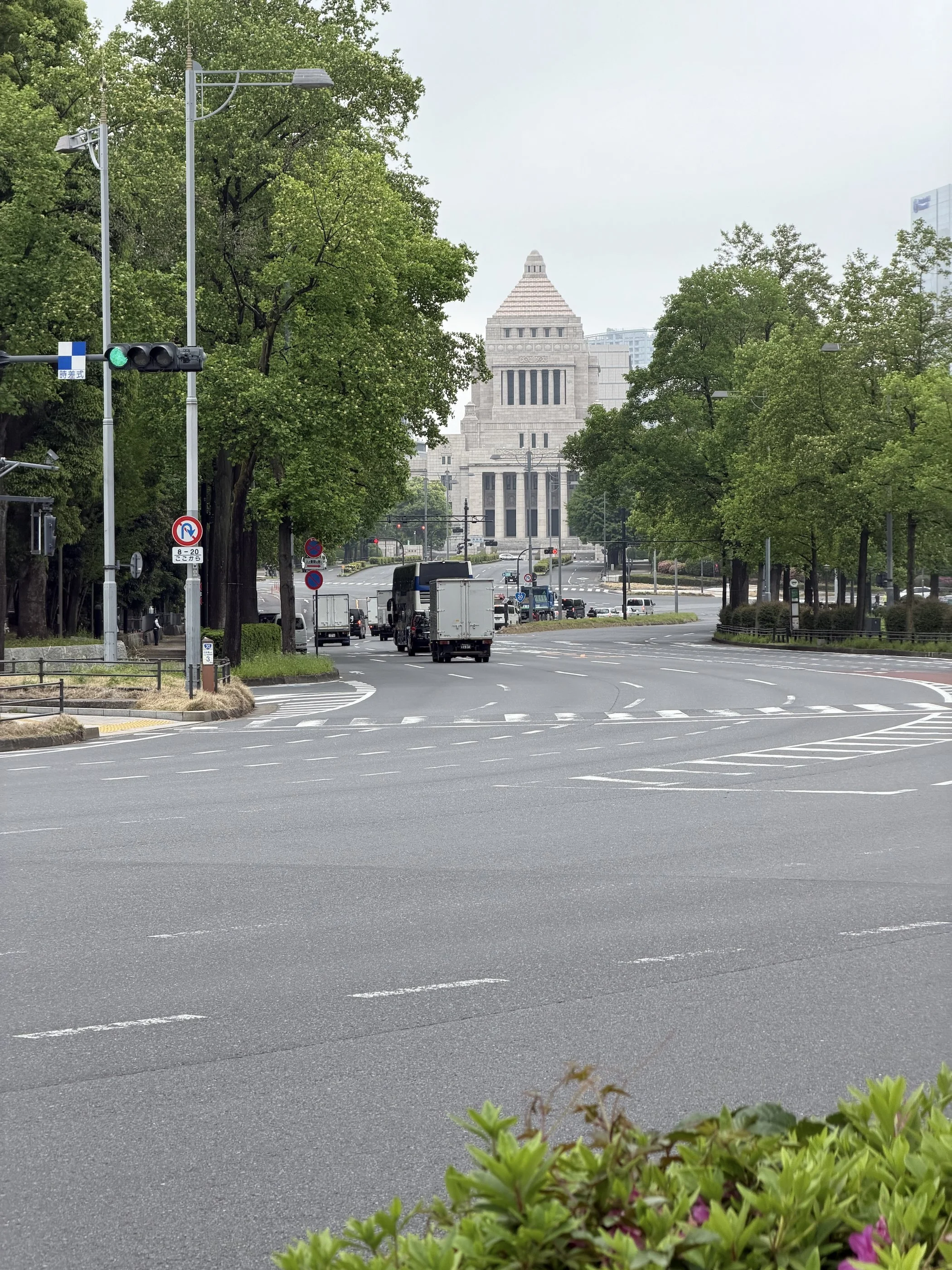
This park is located near Tokyo’s government city-center, near our hotel. The Tokyo Imperial Palace is across the street.
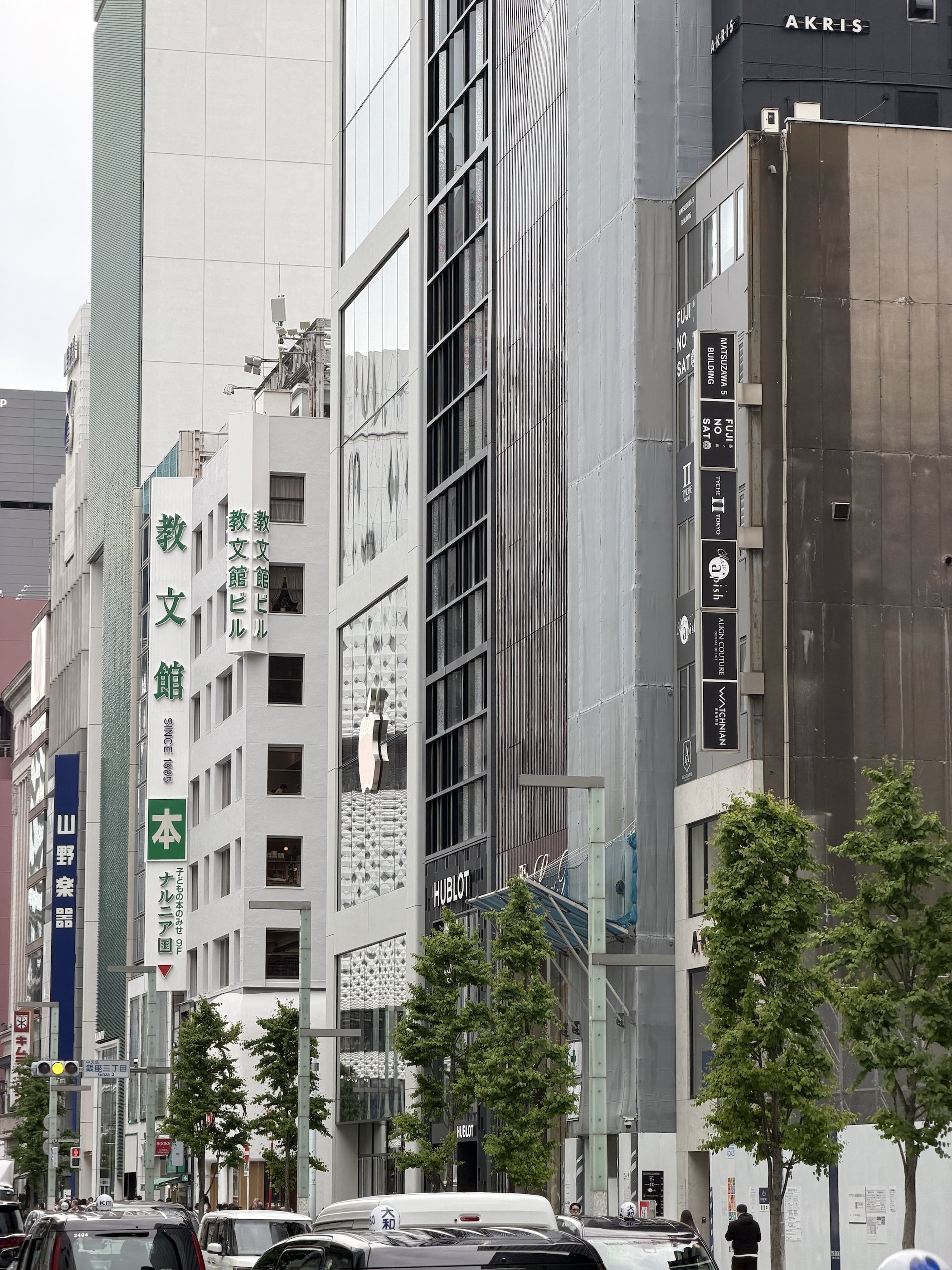
The first decision to make is where you want to stay. We chose to be close to the Ginza neighborhood, which is known for business and luxury shopping—think Fifth Avenue in New York. Many of the new skyscrapers are modern and interesting. On our last night, we stayed in Shibuya, which feels more like Times Square. Most of the folks around this area were far younger than us. This is a place to feel electric and alive.
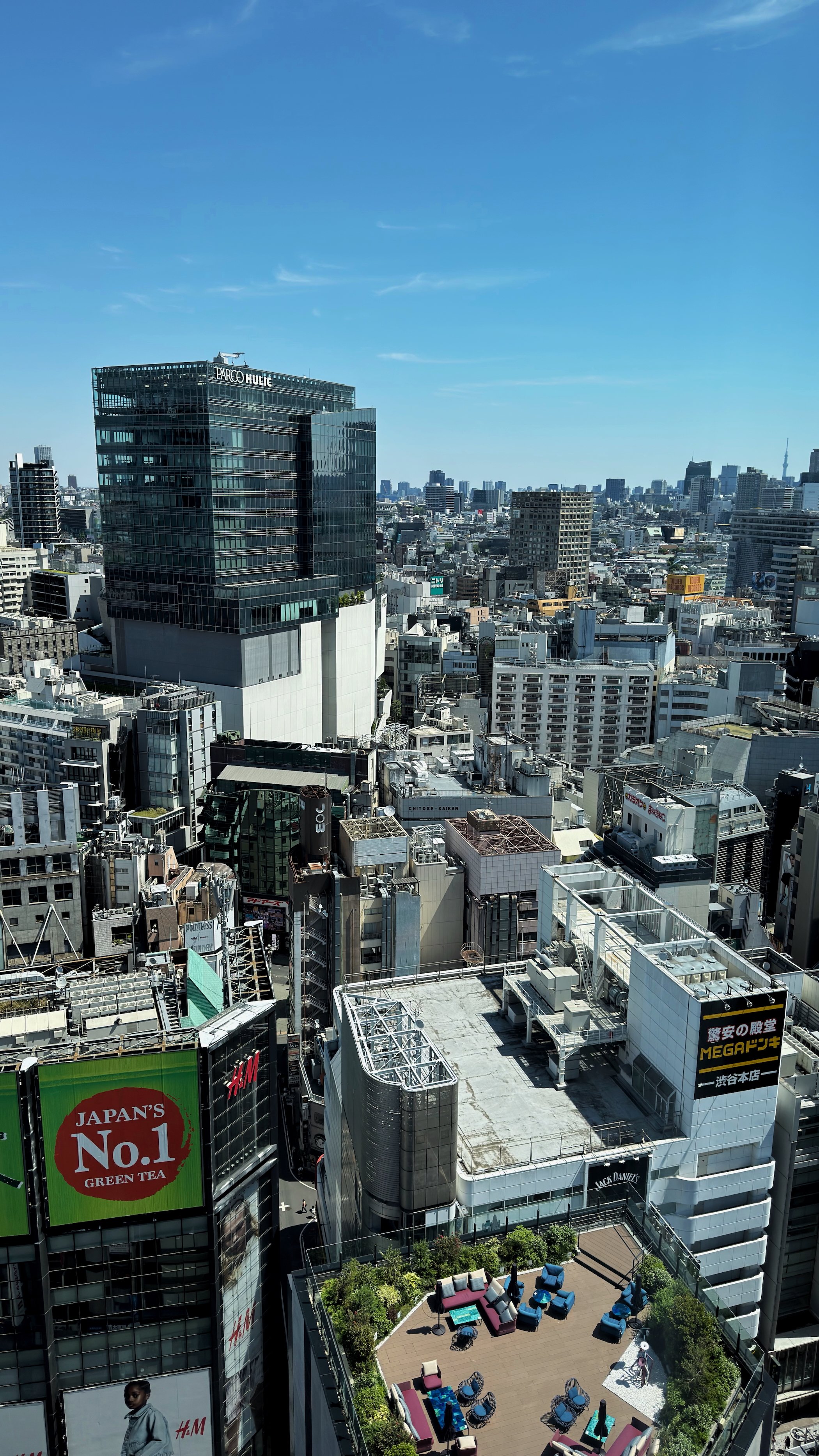
It’s hard to beat the views from Shibuya Sky, in the Shibuya Scramble building.
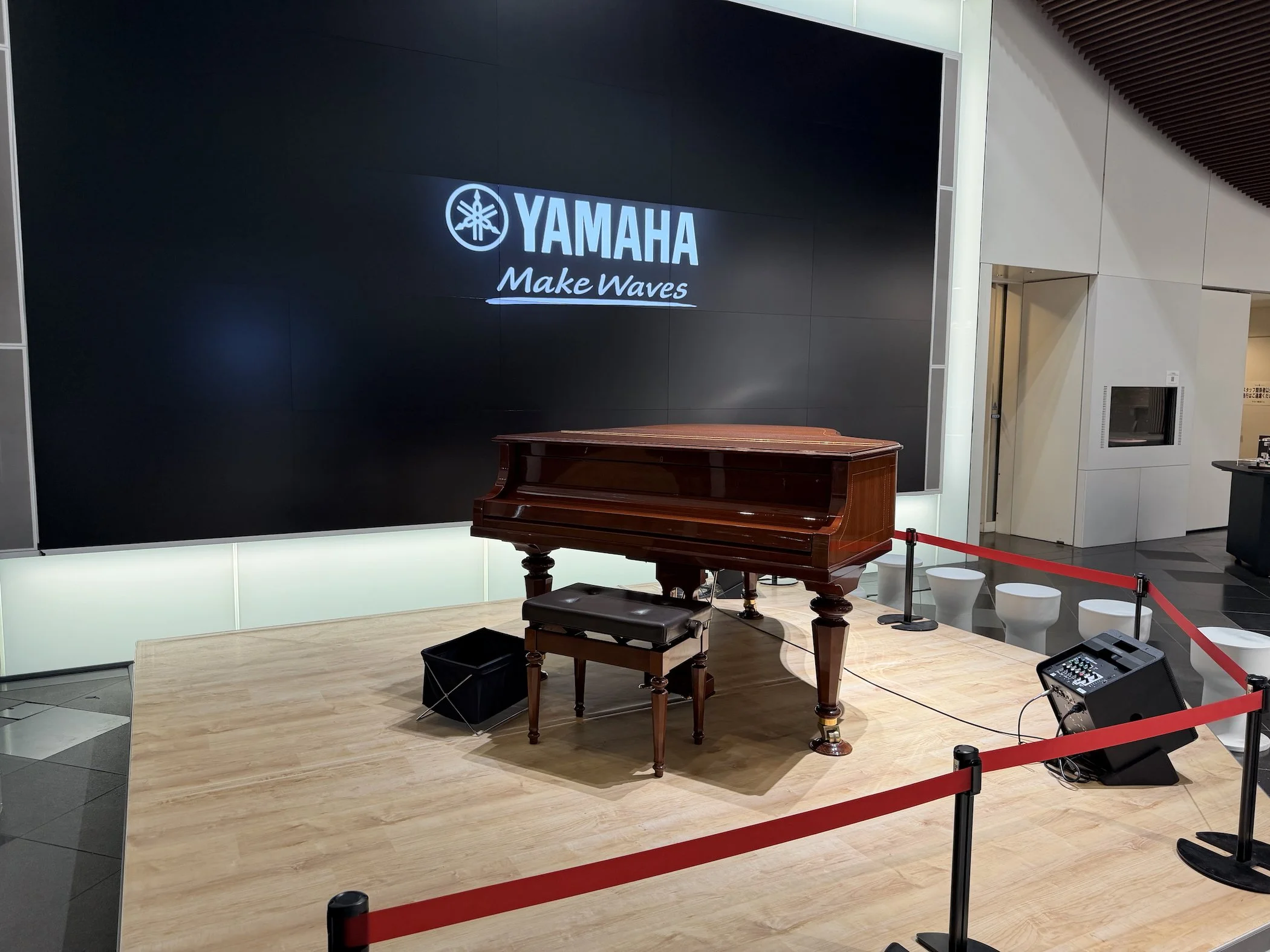
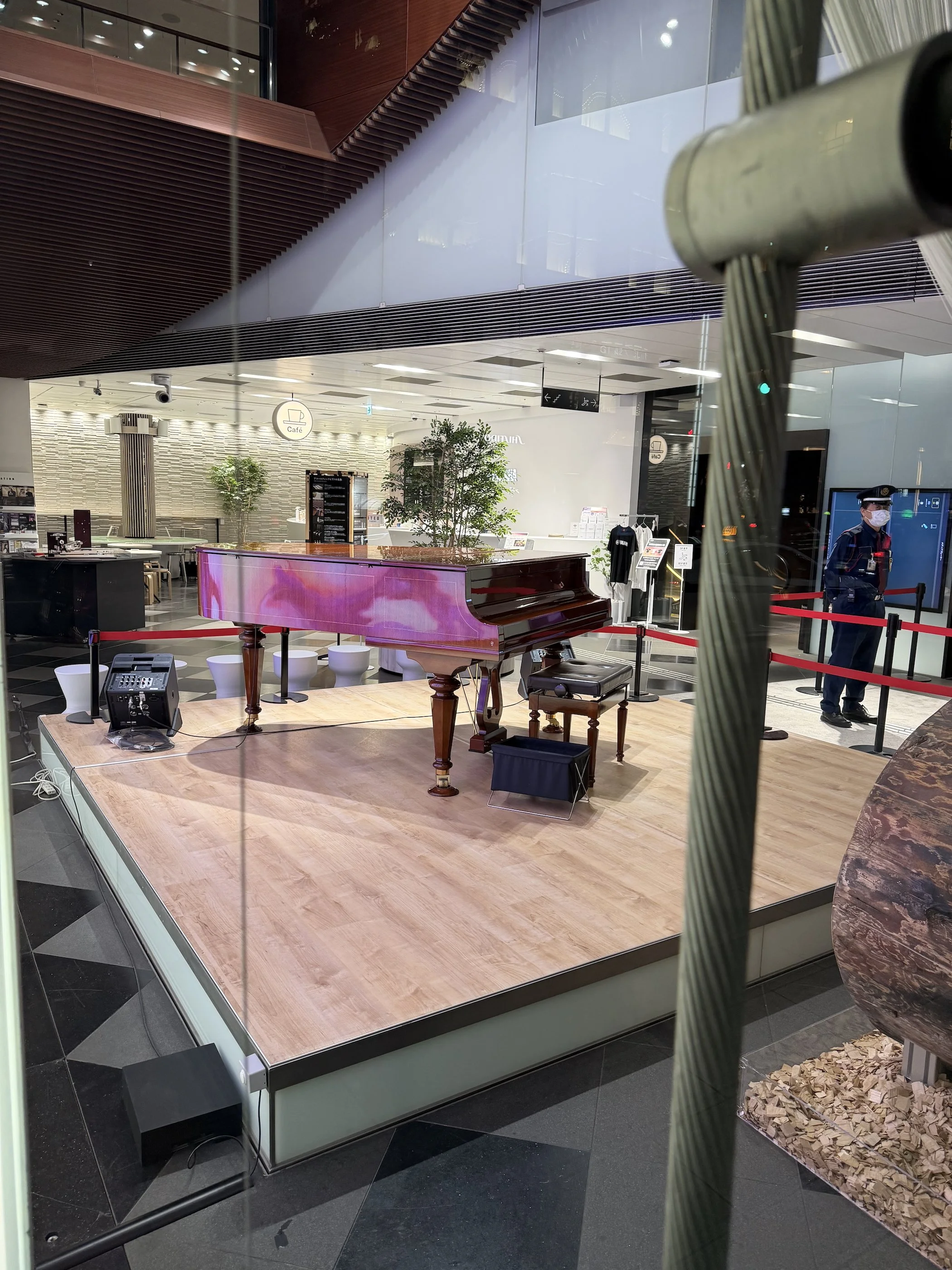
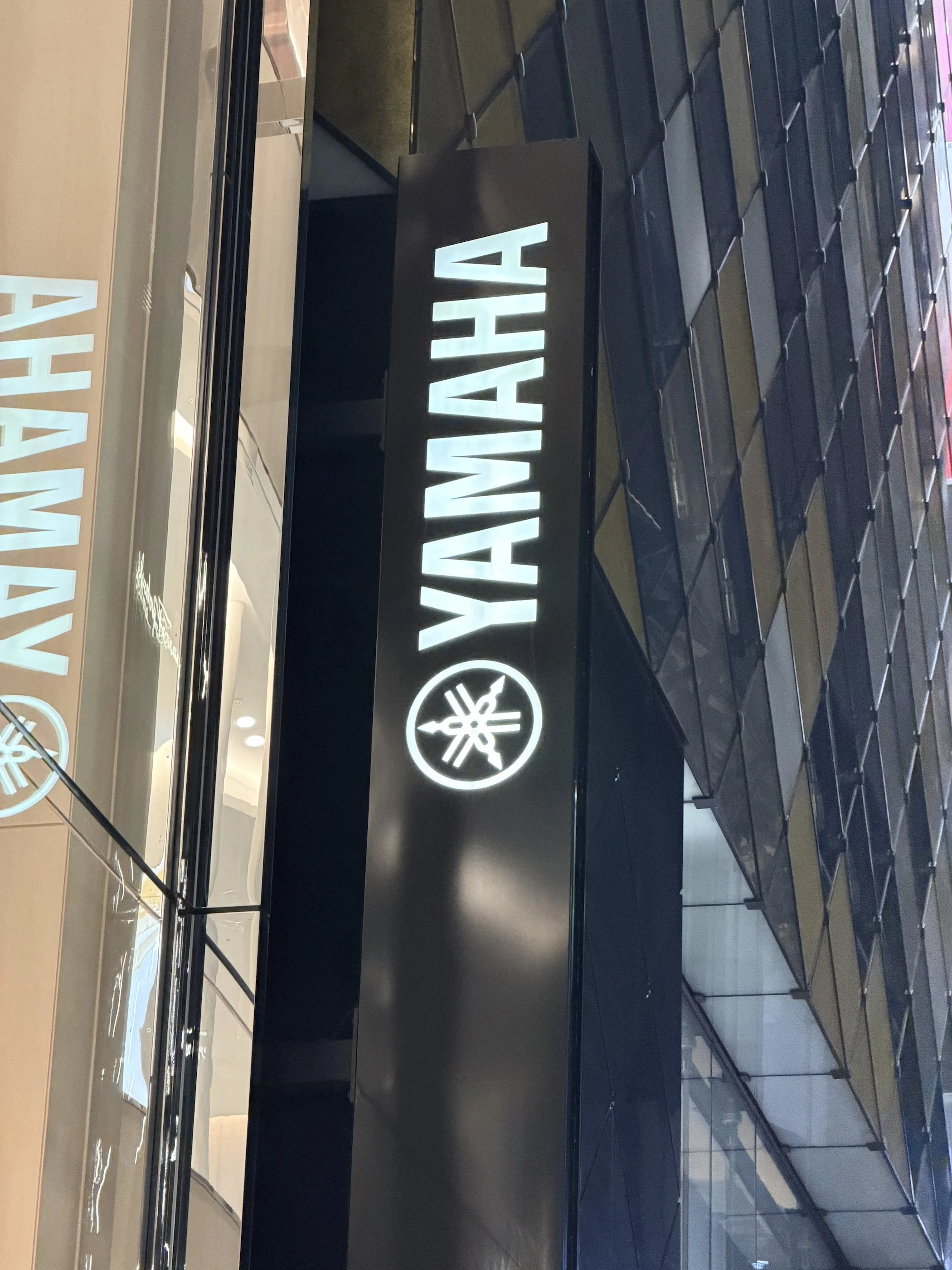
By chance, I walked past the Yamaha store/studio where I wondered if Tristiano recorded his last Bach album which I fell in love with, given the sound of the piano. You’ll see a couple shots, walking past in the evening, with a Yamaha grand on display.
By chance I ran into this store in Ginza; however the Bach recording was made in the Shibuya location of Yamaha.
The “digital art” photos from from the Borderless TeamLab, and there is a second one based on the Planets in Tokyo too; there’s another in Kyoto. Each is a different installation. While online reviews are mixed, I enjoyed the experience and would seek out the others on a return trip. You walk around surrounded by music and moving art. We even did the tea ceremony, where the art comes to your cup.
For those interested in technology, this art installation might be up your alley, to understand how the engineering went into making it work.
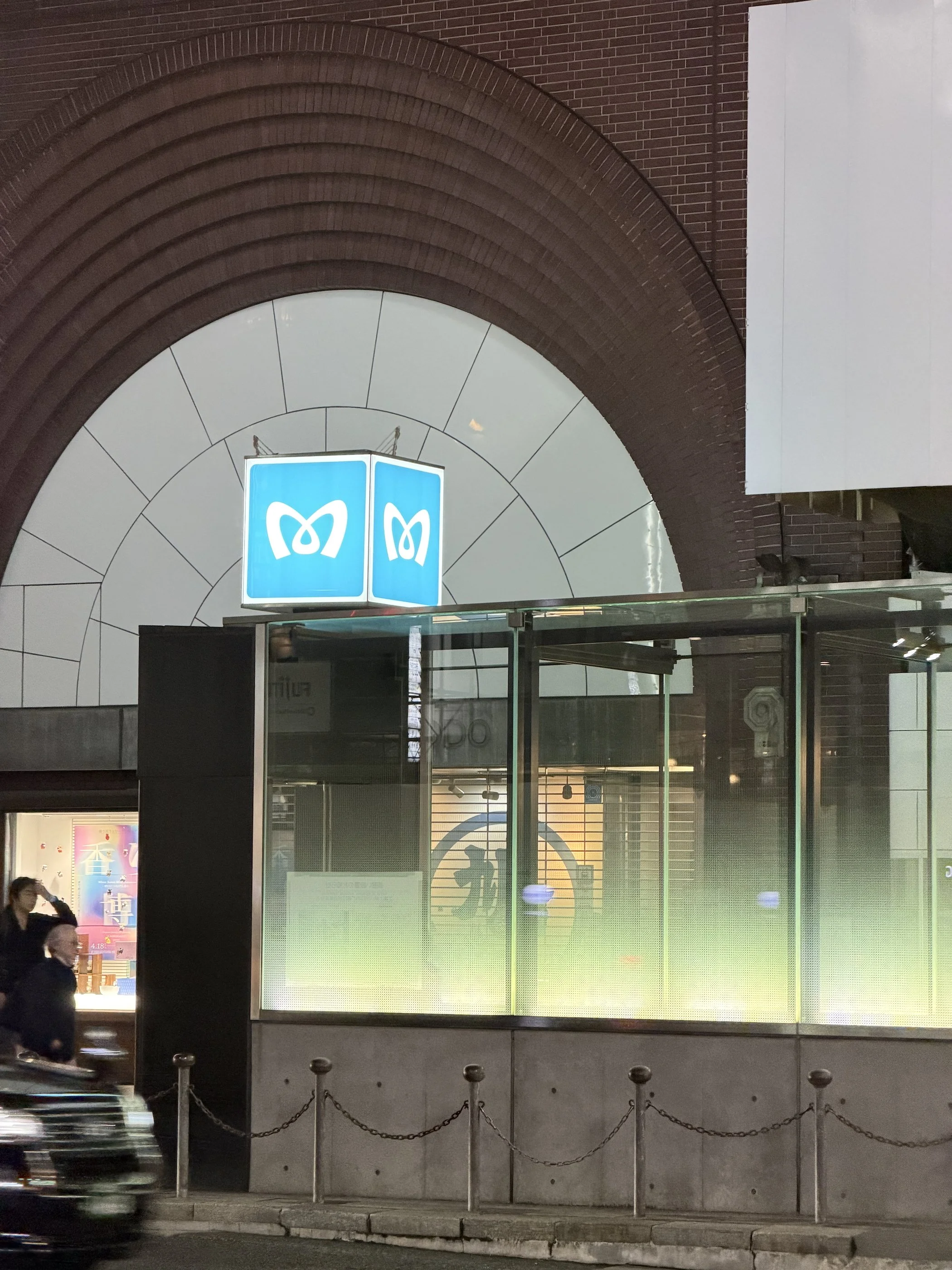
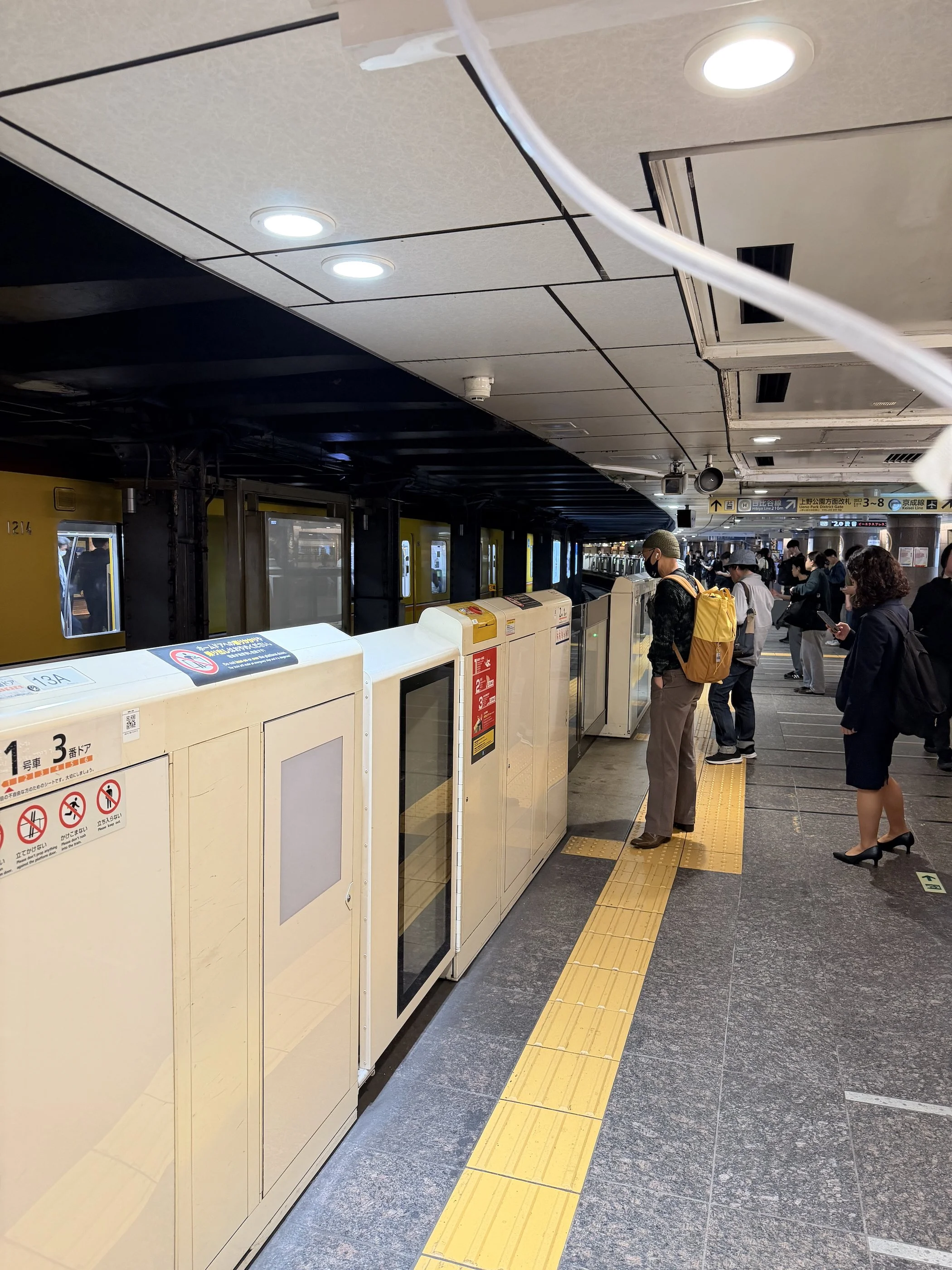
The subways in Tokyo are confusing at first. Google Maps is your friend. The system uses letters and numbers which helps a lot. For instance, H03 will be a stop on the Hibiya Line (H), named Hiroo Station. Instead of having to remember the names of the stops, the H3 says it all. You’ll see a fanciful blue “M” logo for the Tokyo Metro, but know that this is only one of many systems. There’s another city-run metro called Toei. It’s symbol is like a fan shape. We also took trips on the Japan Railways (JR Central) line and the Keio line. I’m guessing most residents don’t care which company is running which trains—you pay for them all the same through the IC system. As a visitor, you can download the Suica Welcome app on your phone, add money, and use it via your phone (like Apple Pay) across all these lines.
Sometimes you may want to take a taxi or Uber to enjoy the scenes across Tokyo’s streets. This interesting building, in Shinjuku, is the Gakuen Cocoon Tower, built in 2008 that houses 3 vocational colleges. It’s the world’s largest education building!
Good signage helps you get onto the right track. When in doubt, walk on the left. Unlike many other subway systems, most stations do not have escalators. The gates here close when the train departs.
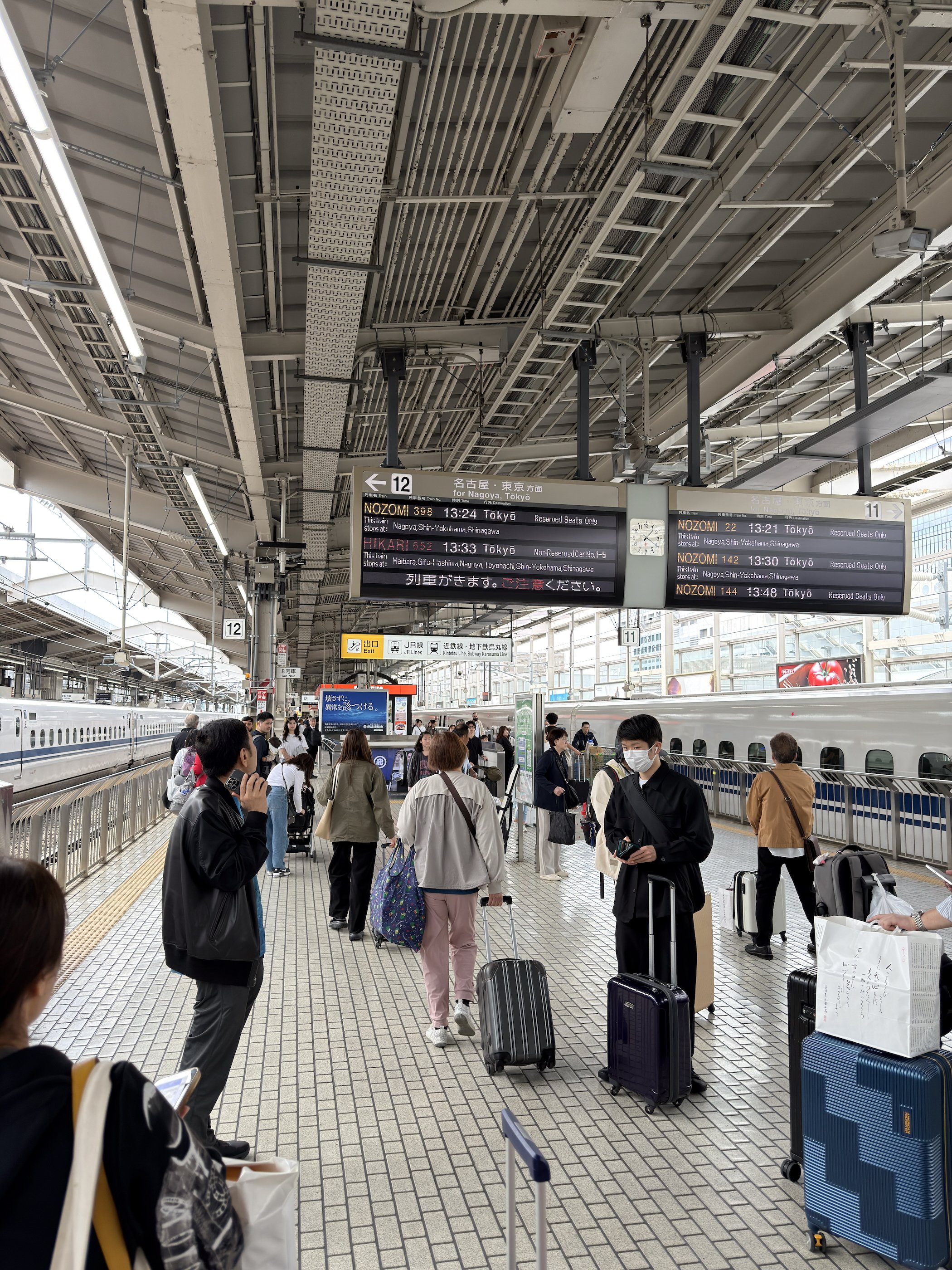
The JR company also runs the bullet trains, known as the Shinkansen. Tickets for these may be purchased through machines at the station, or you can do what we did, and purchased them in advance. You’ll want reserved seats for luggage if you’re hauling your big bags overseas because only in these seats can you place large bags behind the seat. Otherwise, rollarboards work well in the overhead spaces. The trains are terribly efficient.
On both journeys we rode the older N700 Advanced trains. We got the Green car, which has larger, more comfortable seats. The ride is even smoother than the TGV in France.
In one case, we were getting ready to go on the Keio line and the doors had started to close. A girl tried to sneak in and was caught by the doors. She stood there in horror as the doors bared down on her, crushing her, and she could not get through or pull backwards. It took two men to try and pry the doors open which eventually parted. It was pretty scary. In France, I ran to get on a TGV once, which keeps the doors open as the train starts to move. In Japan on the Shinkansen, it just quietly closes before the appointed departure time and that’s it. There are gates on these trains to avoid the incident I witnessed on the Keio commuter train.
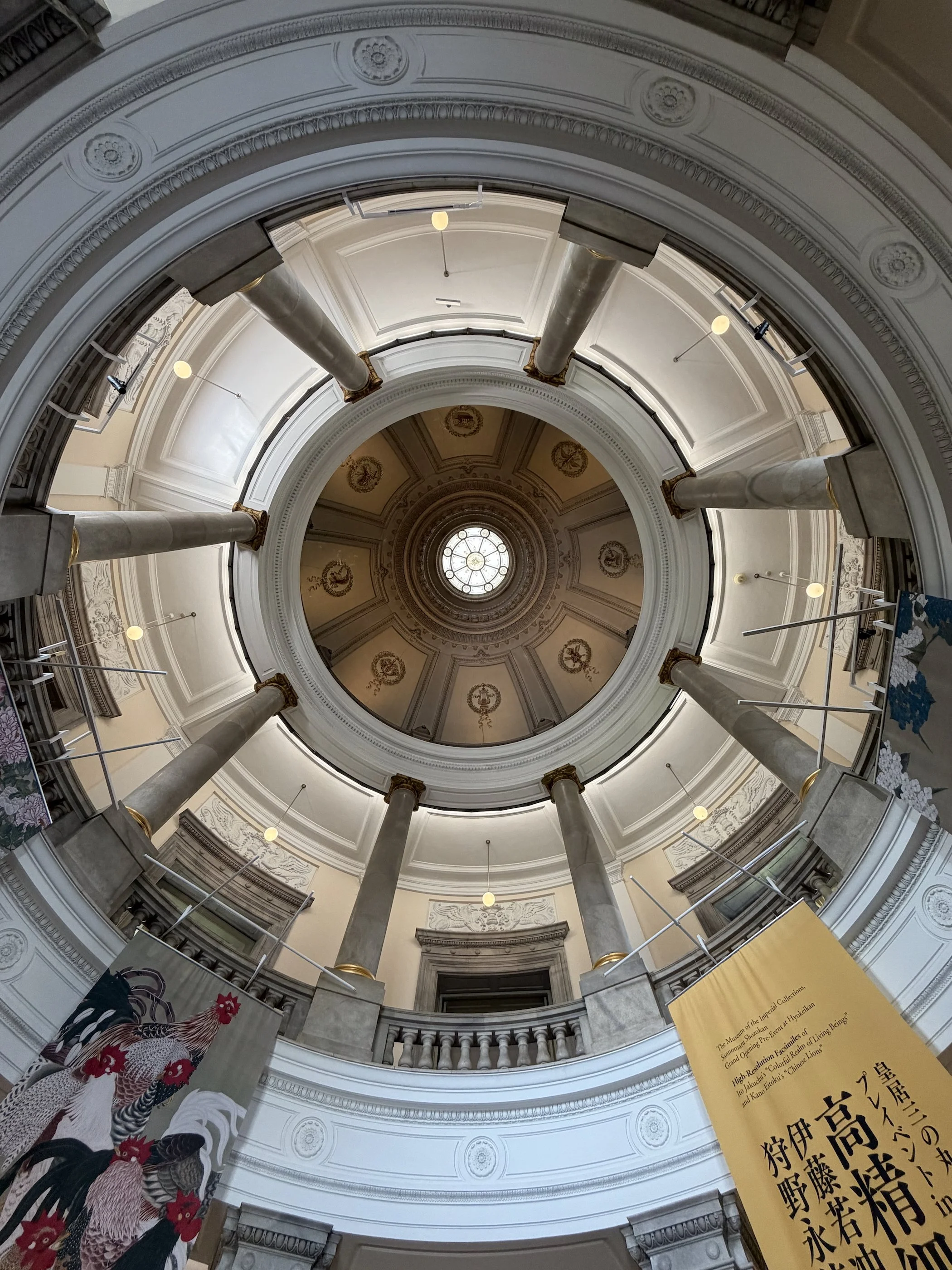
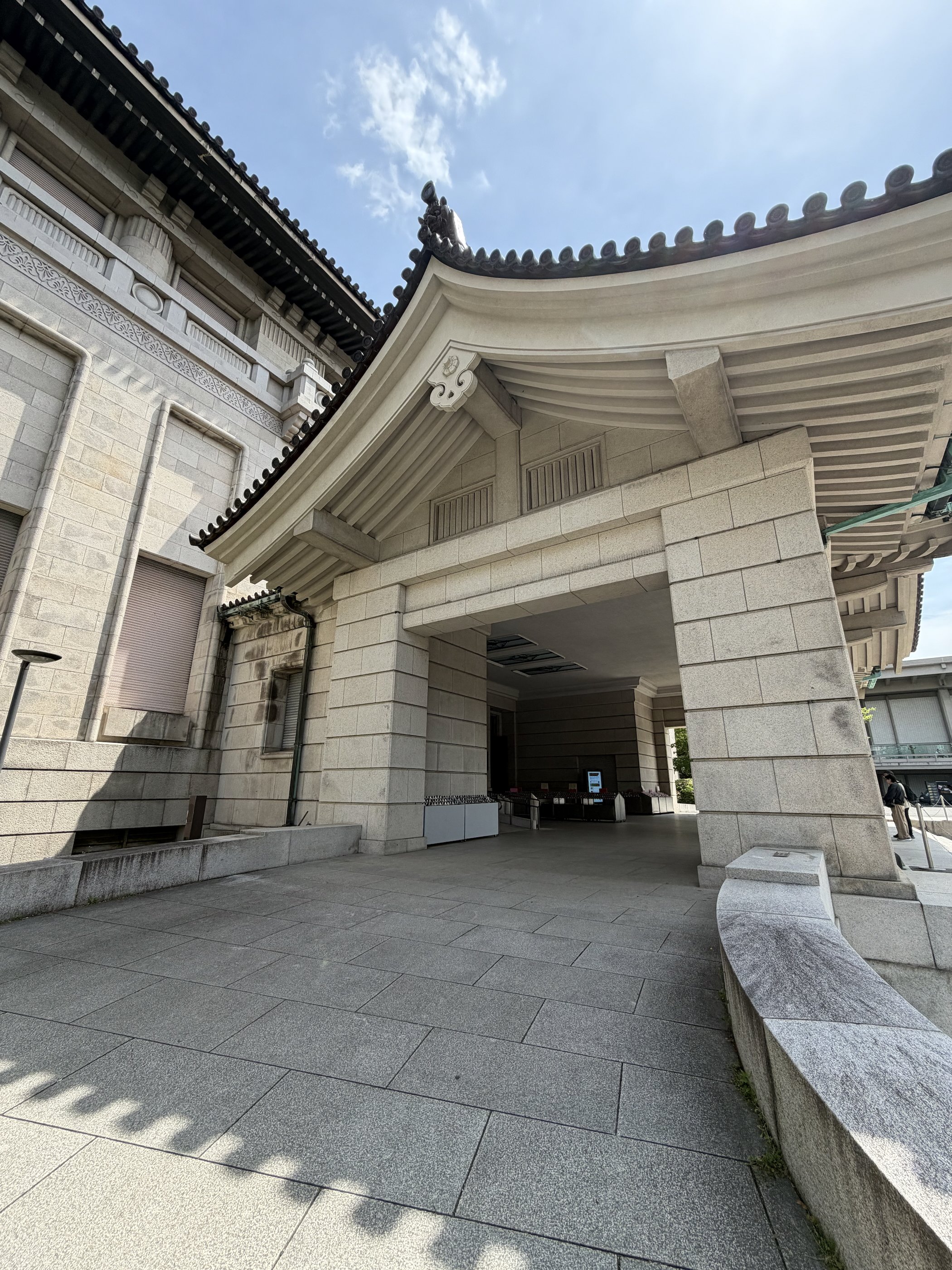
An impressive building with a less impressive collection, to my taste.
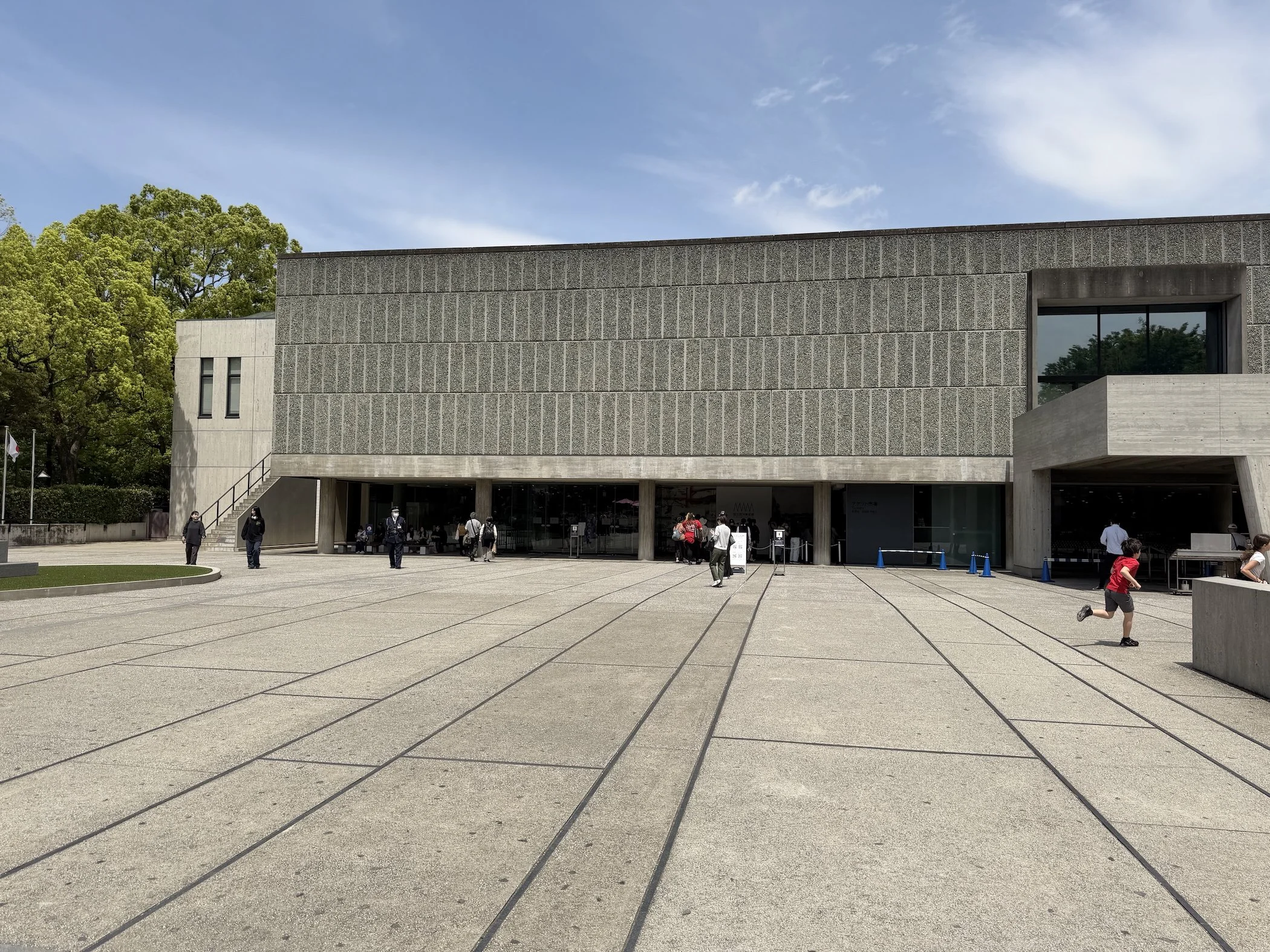
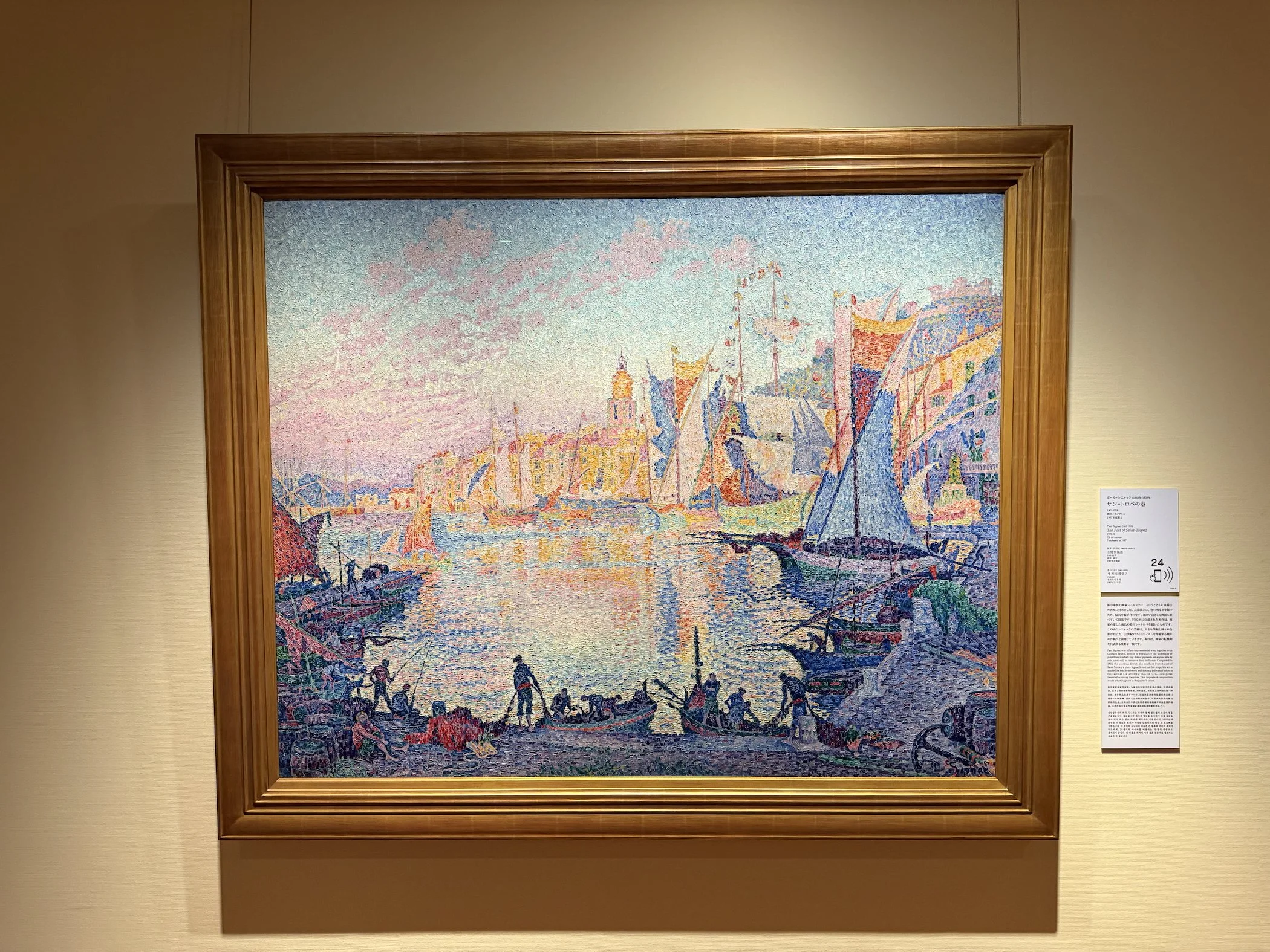
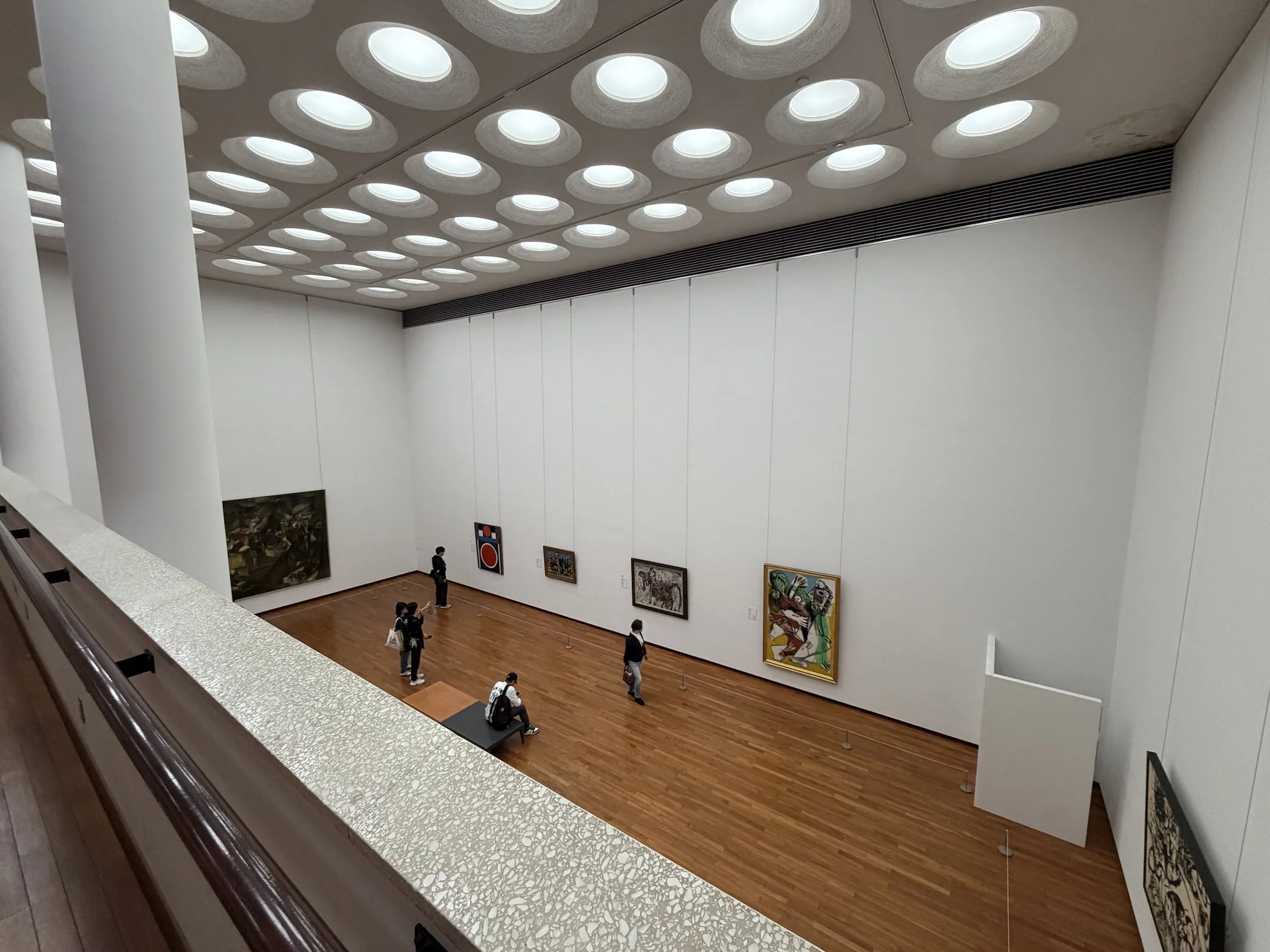
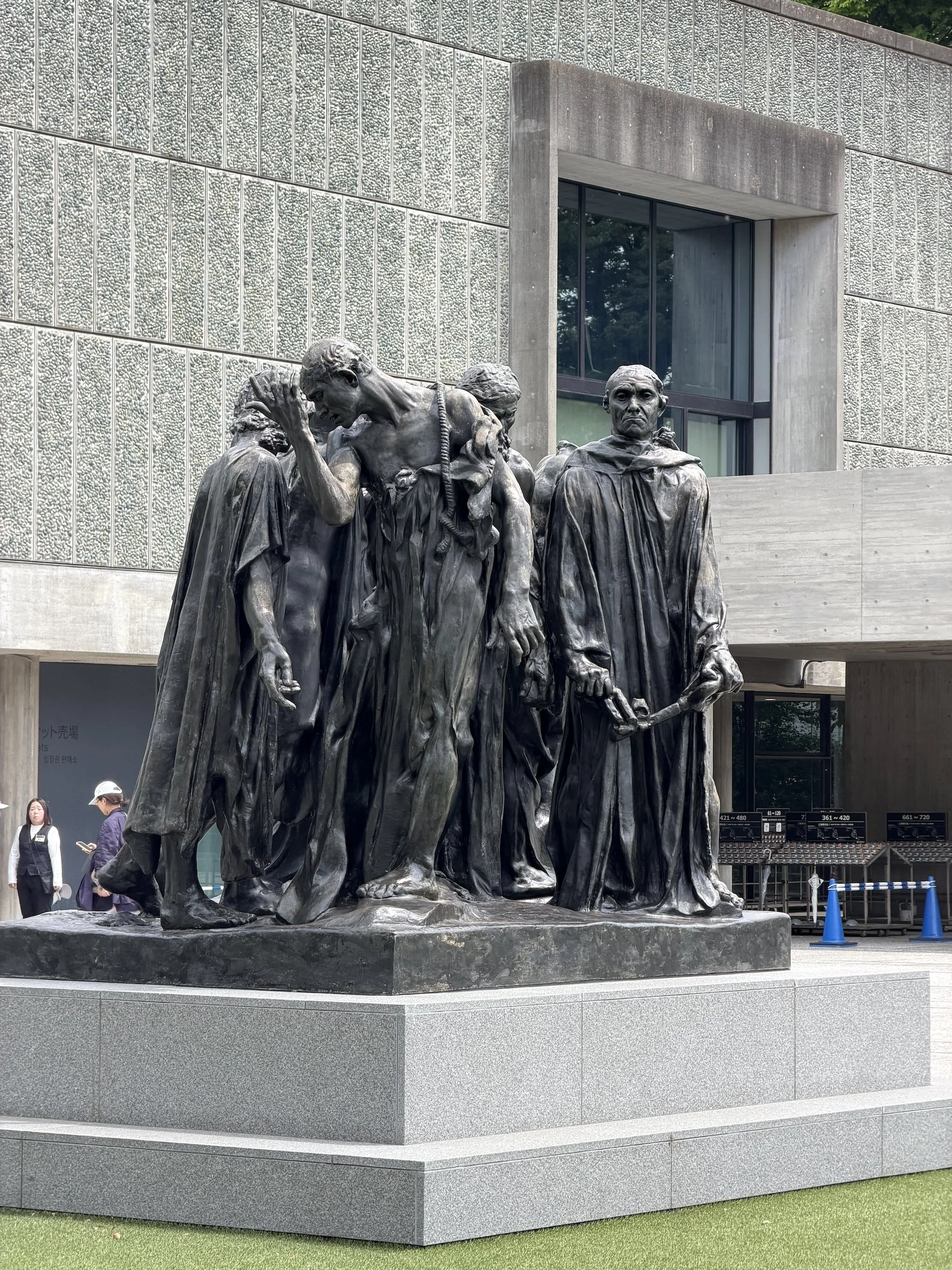
The Tokyo National Museum for me was a big disappointment. Compared to the Smithsonian museums we have in the US, this one was dark. Large, but not that much content to see. A lot of swords and old ceramics. Knowing this, I would have skipped it. Adjacent was one of Tokyo’s larger temples, the Kanei-ji. A lot of locals rented period outfits to take pictures. This is near Ueno Park, which is close to the sky tower, and also has a zoo if you’re interested. We also visited their Western Museum which was a nice experience. The building was designed in part by Le Corbusier and the amount of art and its quality was a nice experience. Of course, you may not need to see European art when you’re in Japan, but if the mood strikes, it was a good collection.
This scene from the “Western Art” museum, located on Ueno Park, has a small, but high quality collection, including works by Picasso.
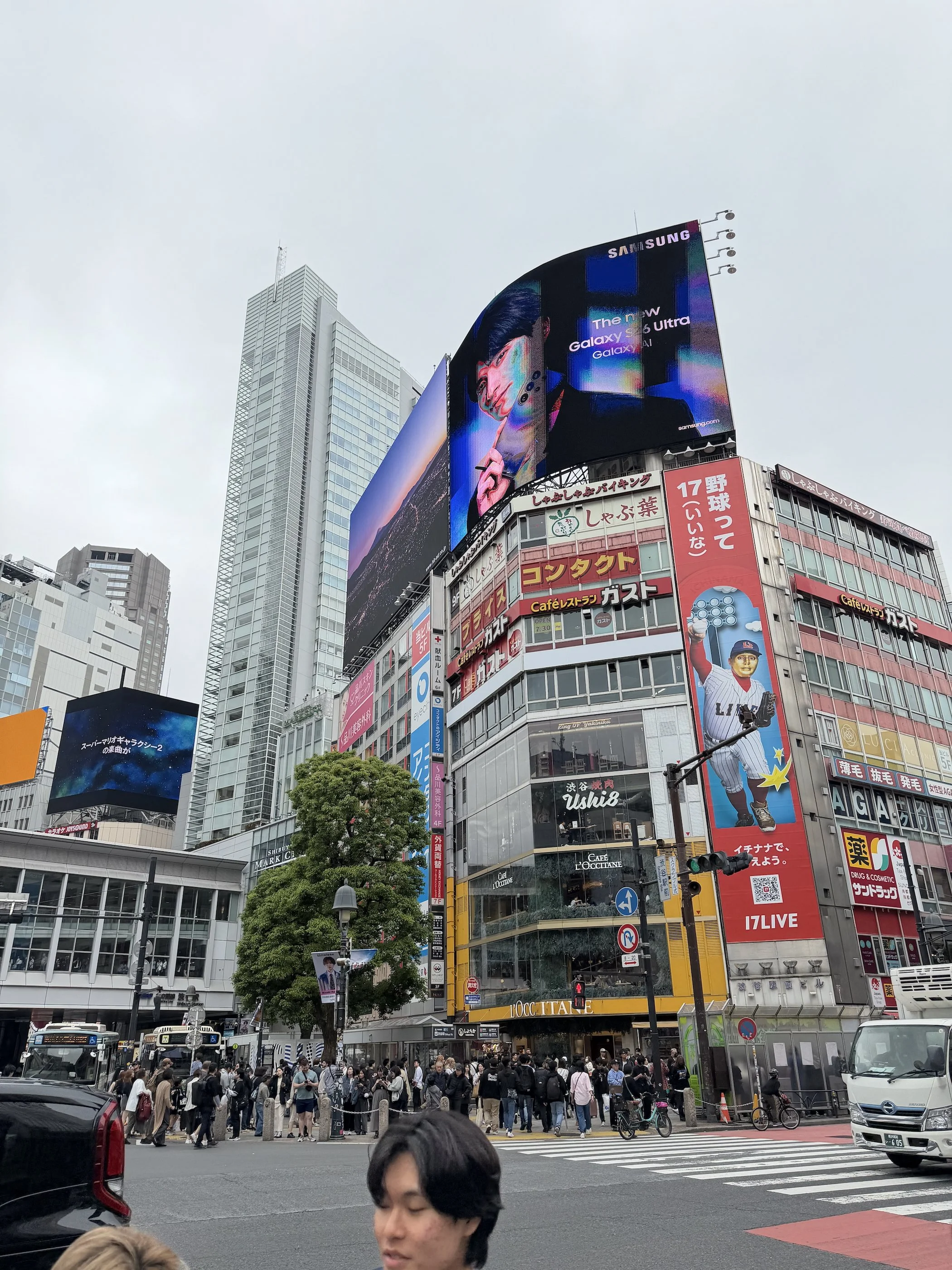
I walked through this and it was amazing how people manage to criss-cross and get to the other side. However in real life it feels far smaller than what I’ve seen online before visiting Shibuya.
You’ll also see that I visited Shibuya Scramble, where you can go to Shibuya Sky, an observation area to see the famous intersection. We didn’t have the clearest day, which would be optimal. You can buy tickets in advance.
The Tokyo Tower, inspired by the Eiffel Tower, is visible in this shot from Shibuya Sky. Today, it’s rather unimpressive in terms of height with all the skyscrapers.
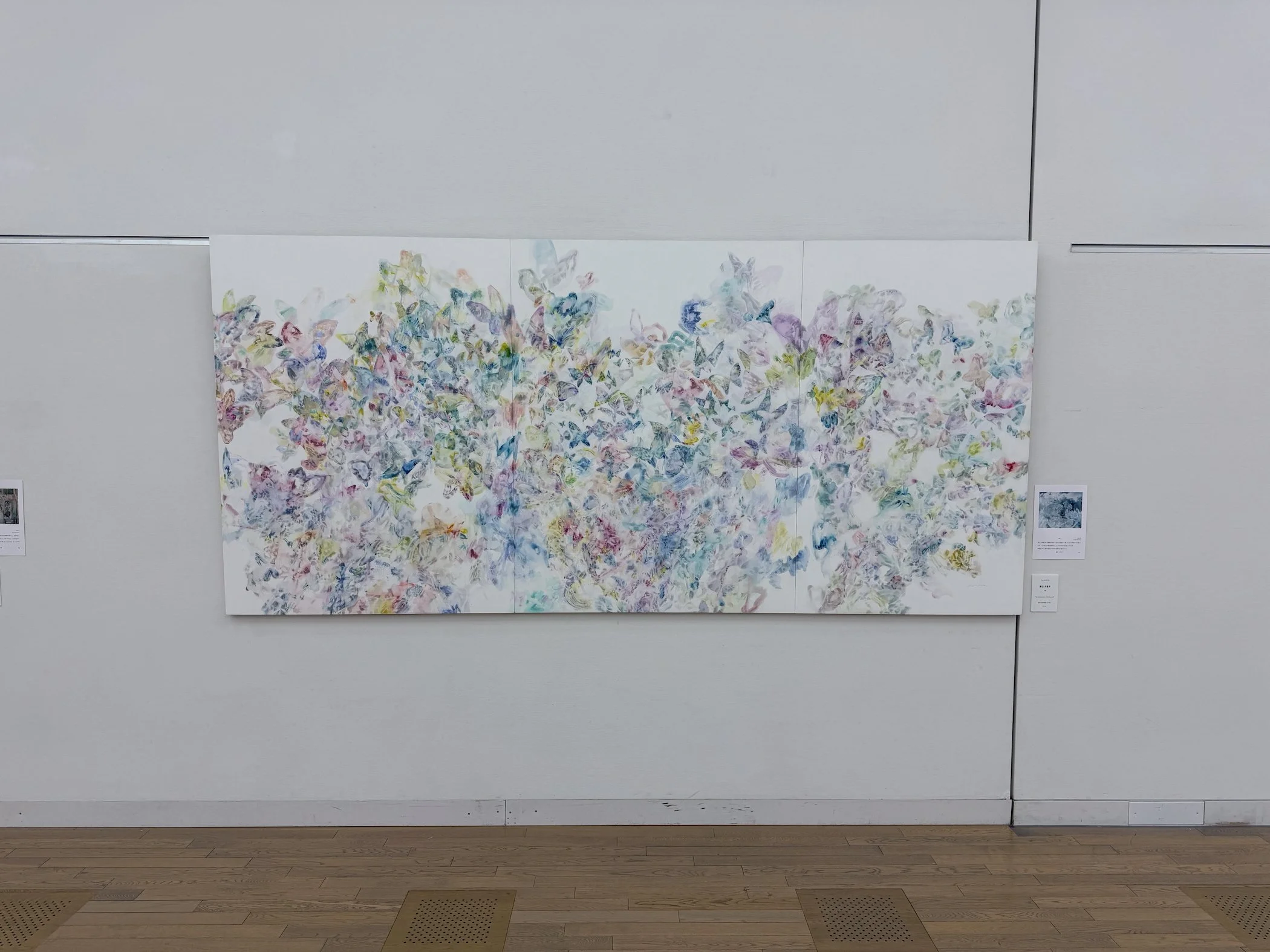
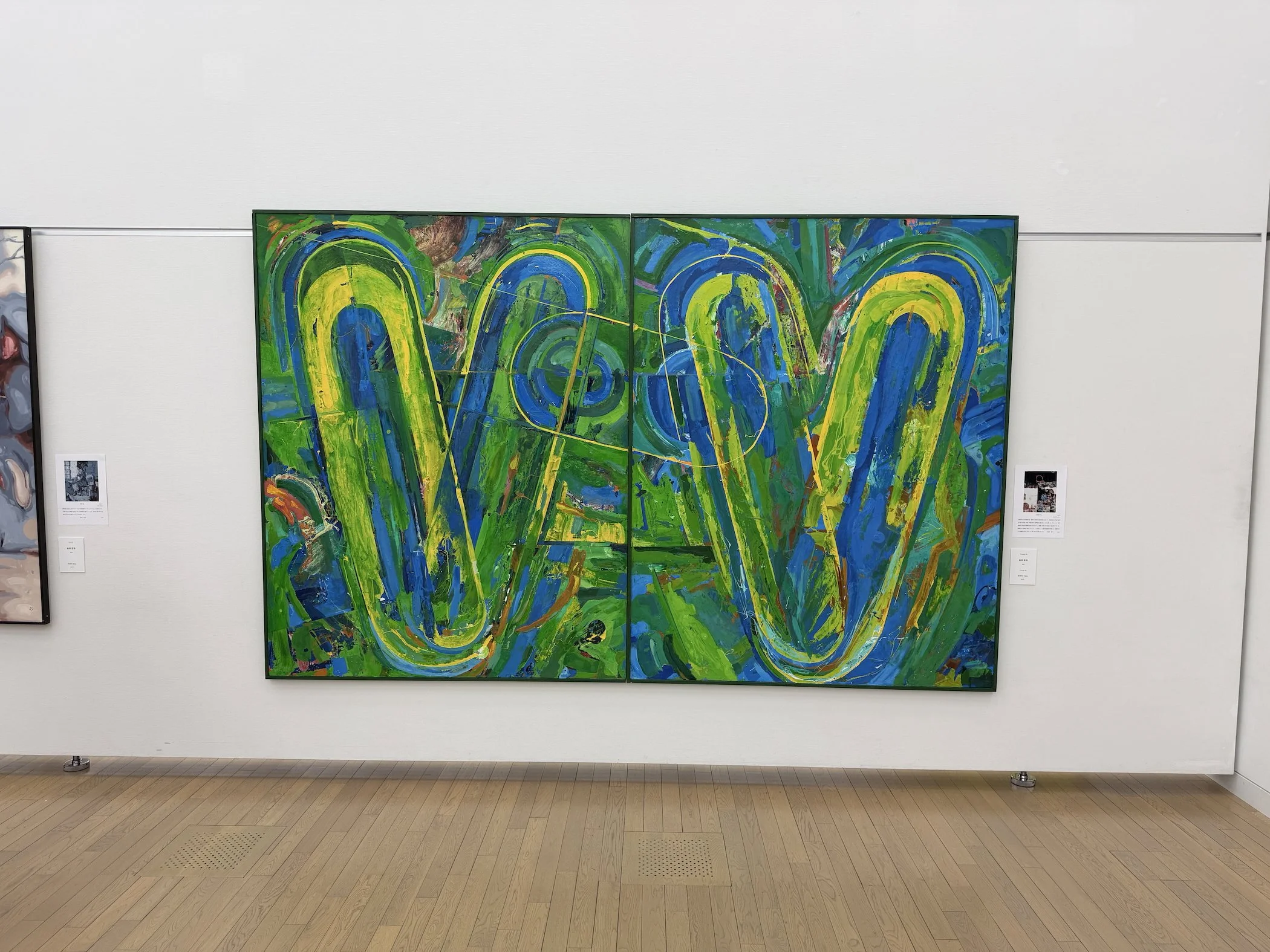
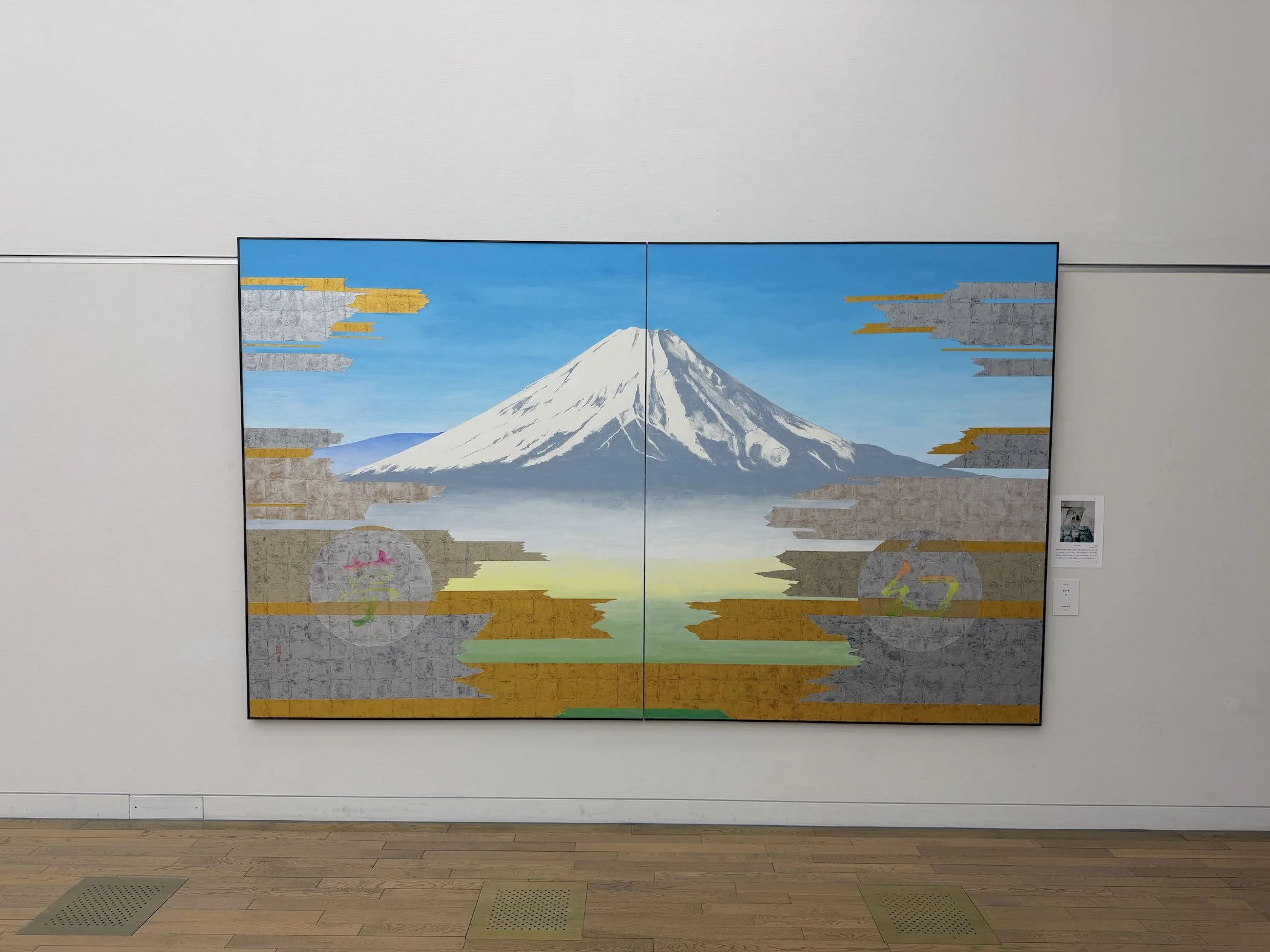
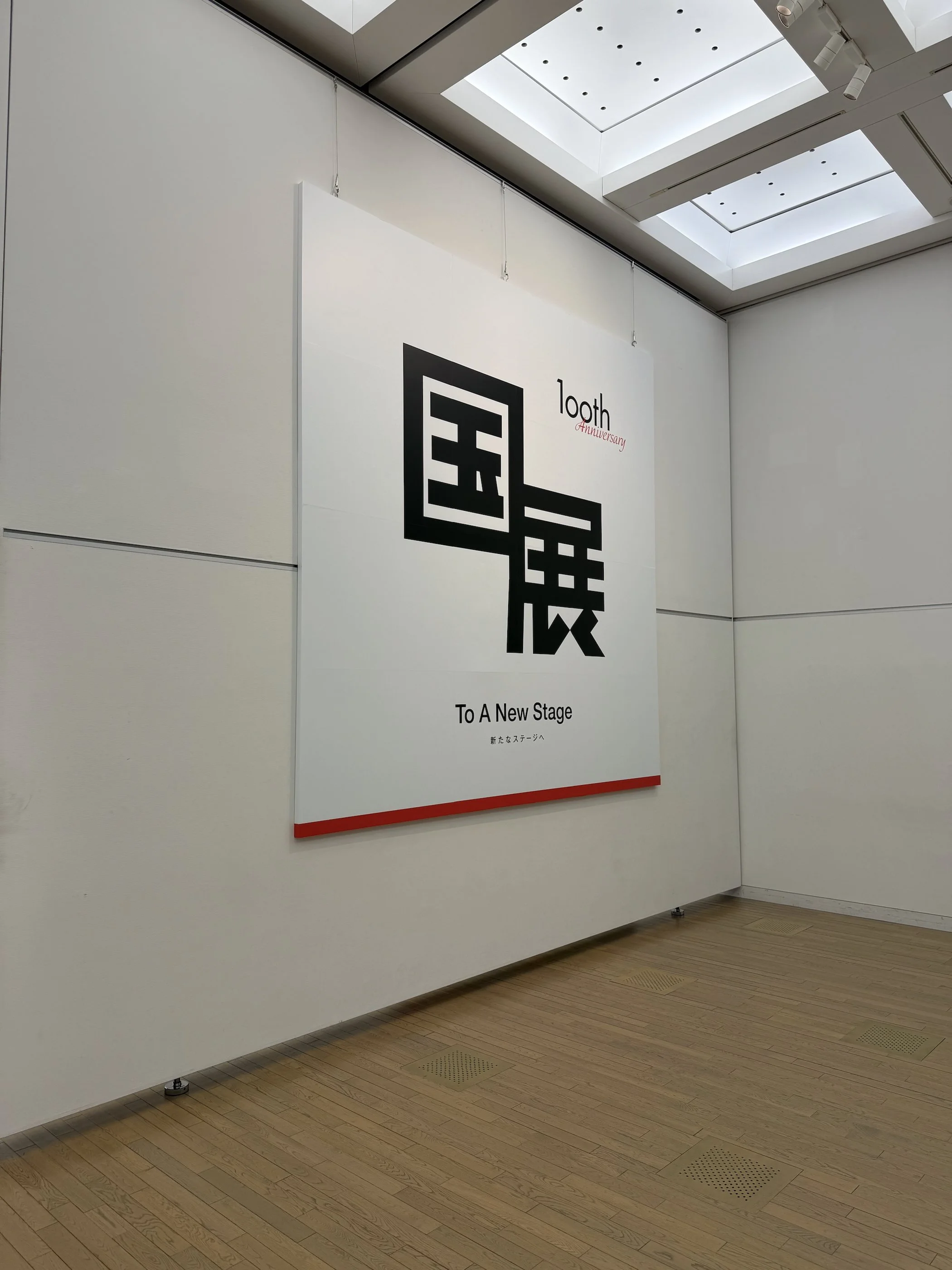
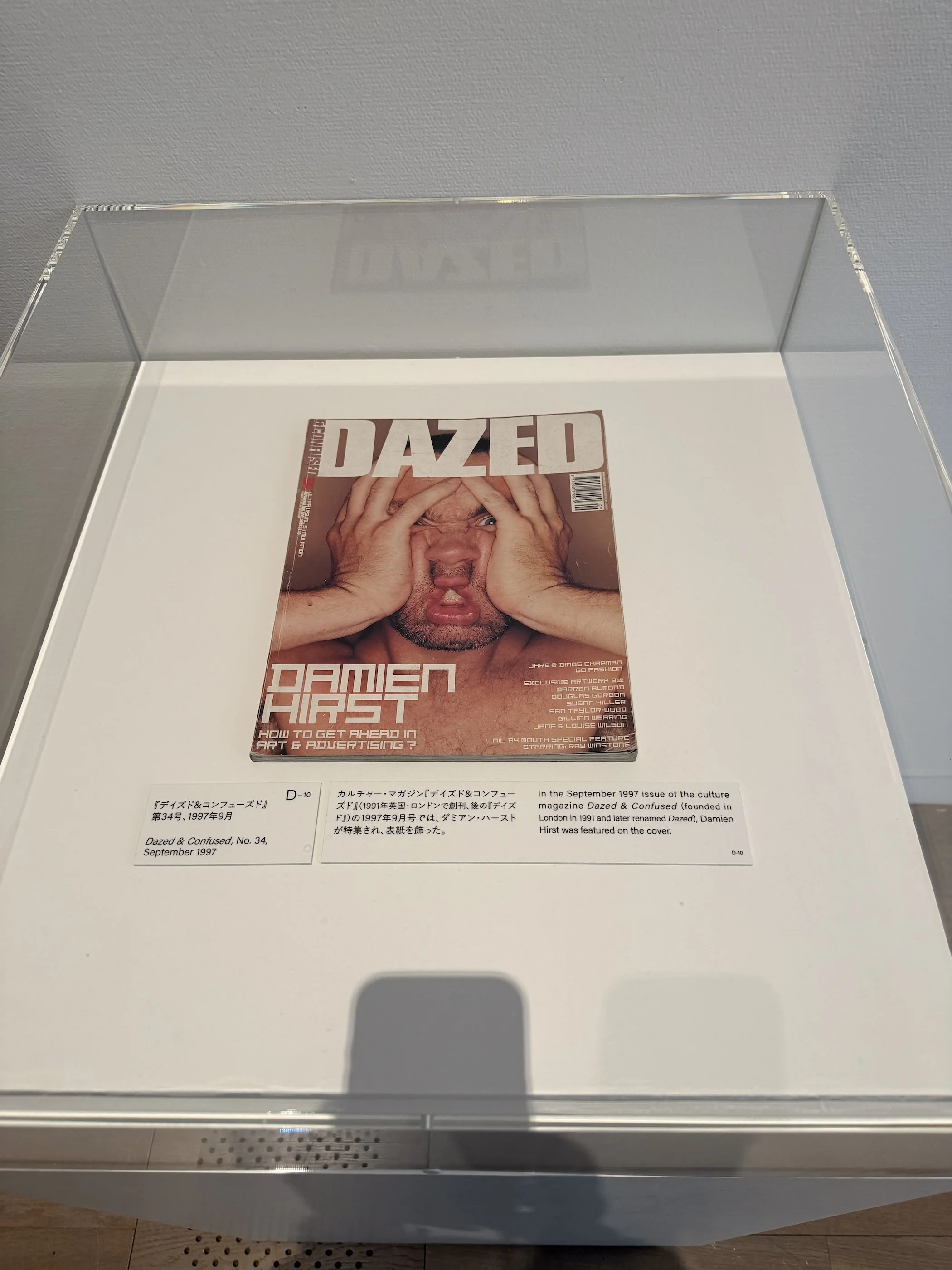
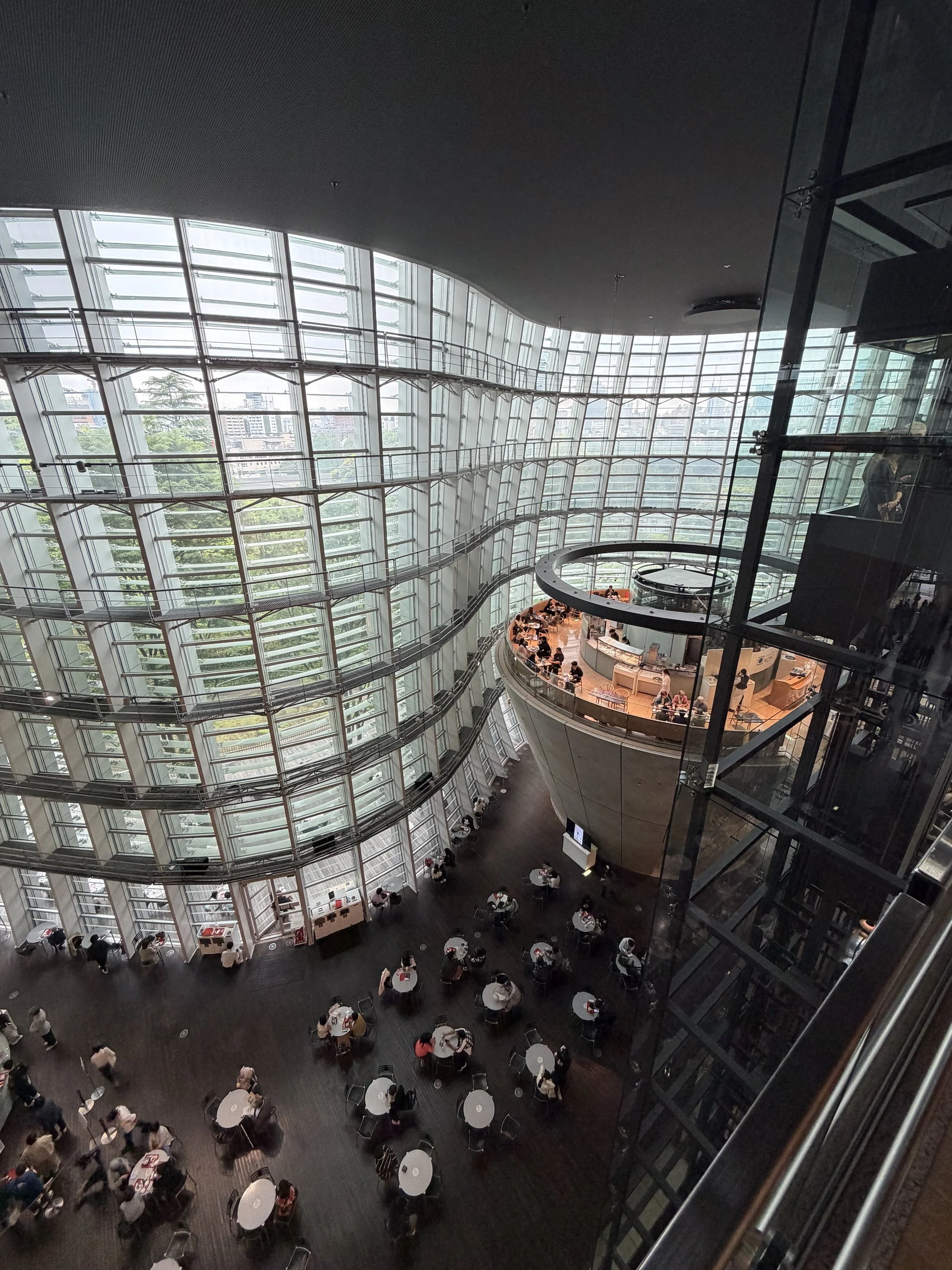
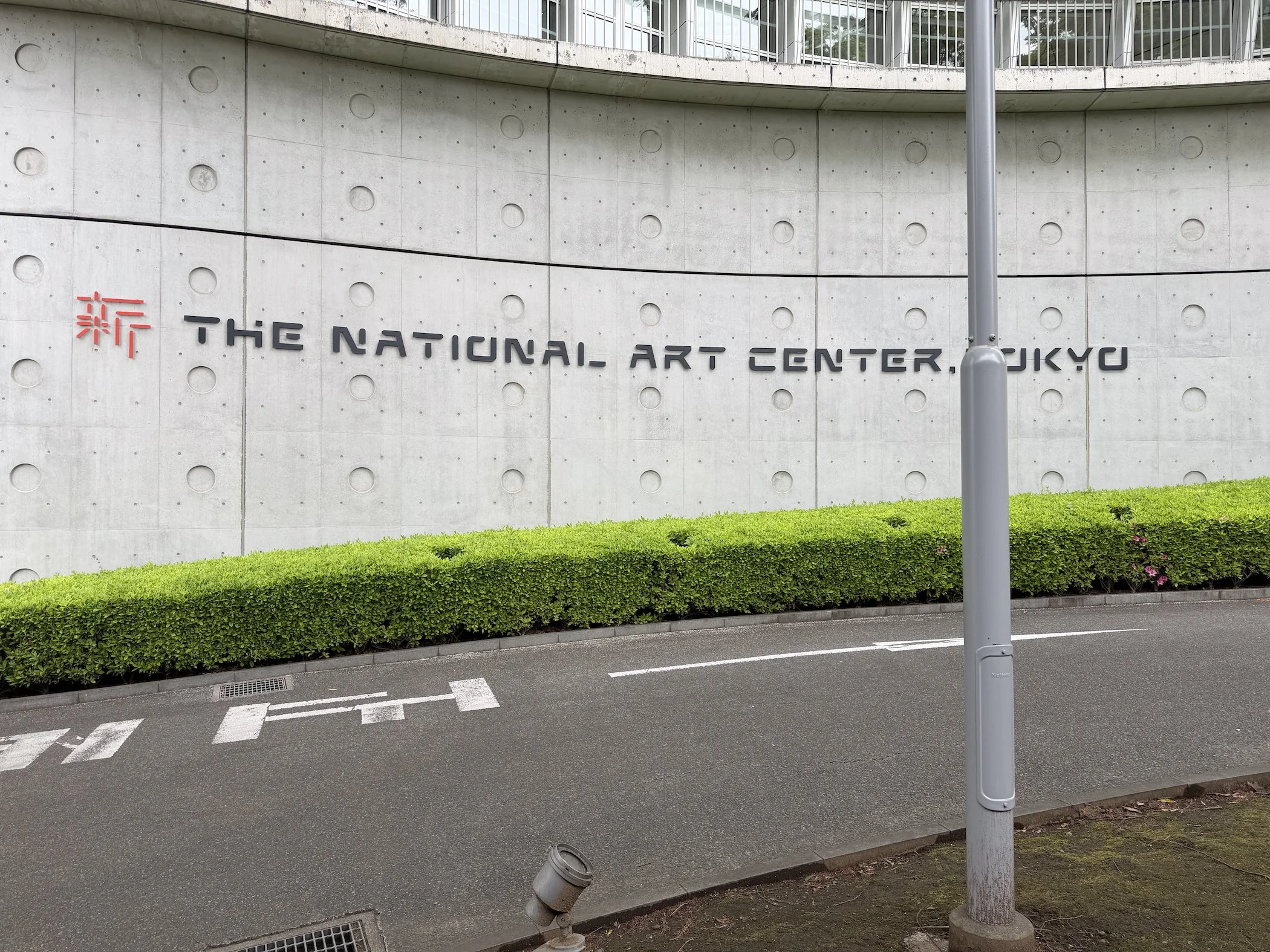
I also like contemporary art, so we visited the National Art Center, which I could have avoided. The building itself is really cool, but the installations are all special exhibits. The one from the Tate Gallery in London was not interesting, but another, with all large-format paintings by Japanese artists was not bad. There are many more museums if art is your thing, and we’ll hope to explore those on a future trip. (Yes, I’m already interested in going back!)
The exhibition we saw featured many bright, large canvases that explored a variety of themes, all made by a Japanese collective.
The National Art Center itself is a cool building inside and out, but offers a changing exhibition schedule.
We did see Mount Fuji on our bullet train ride to Kyoto (actually, the shot above is coming back). They even announce when the view comes into focus.
Shot taken at some 100km/hour on the Shinkansen.
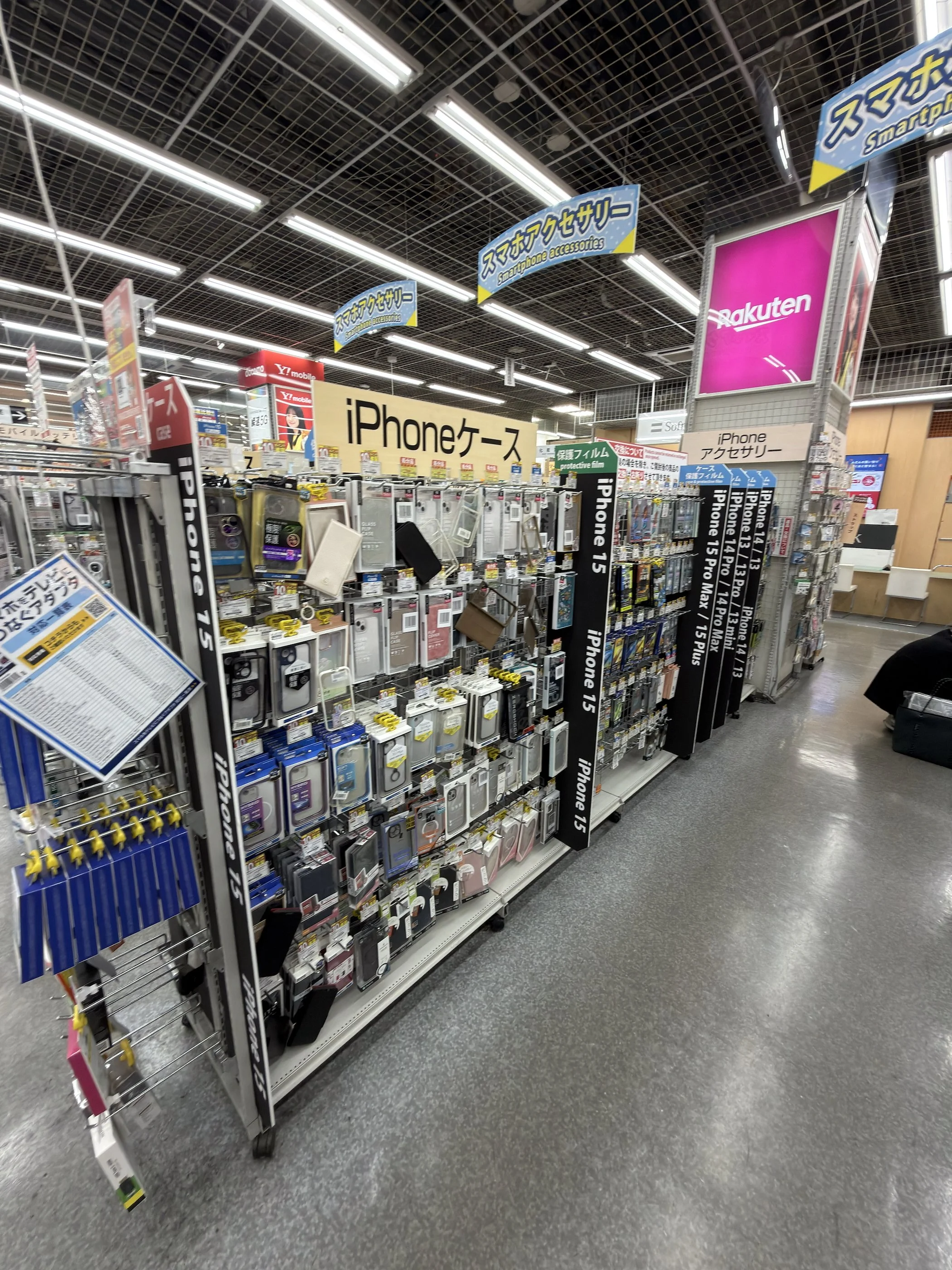
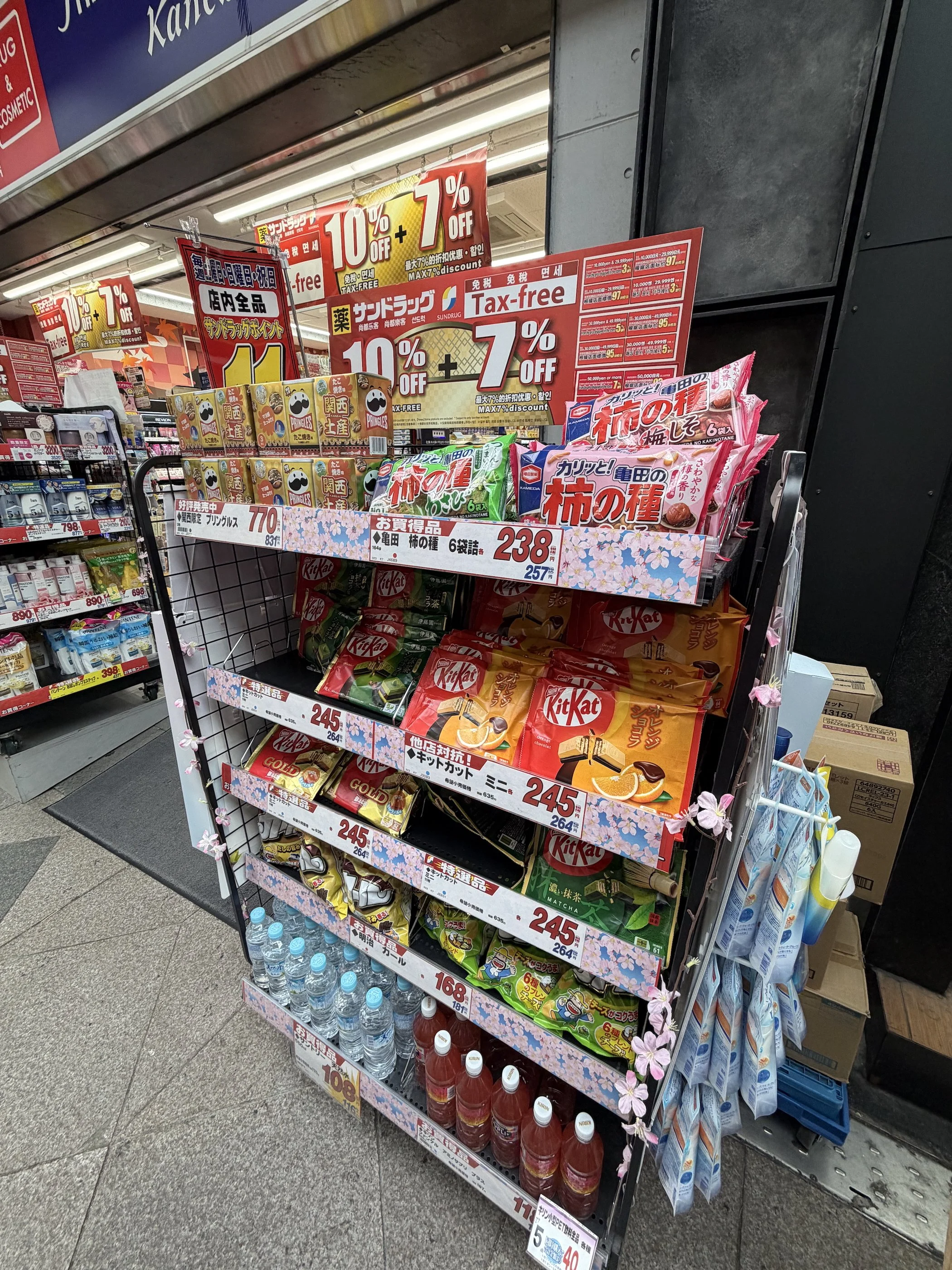
Some of Japan’s stores are crazy. They’re like CBD stores here, with bright lights, but there’s music going, and we visited the large Don Quijote in Shibuya. They sell everything from KitKat to dildos, including tons of little trinkets. It nerve racking about how many bright lights and competing music and sound that store turns on to overwhelm your senses.
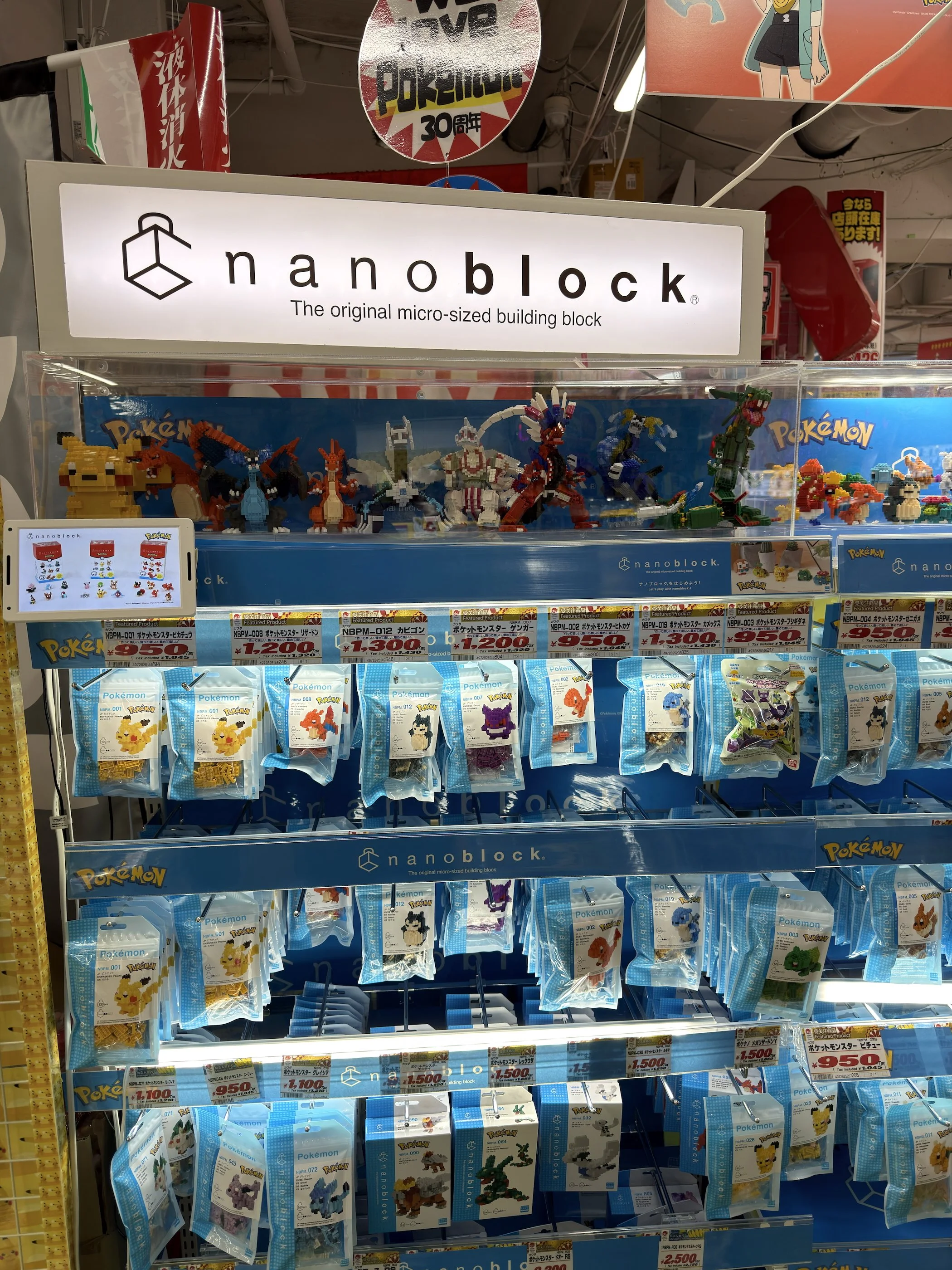
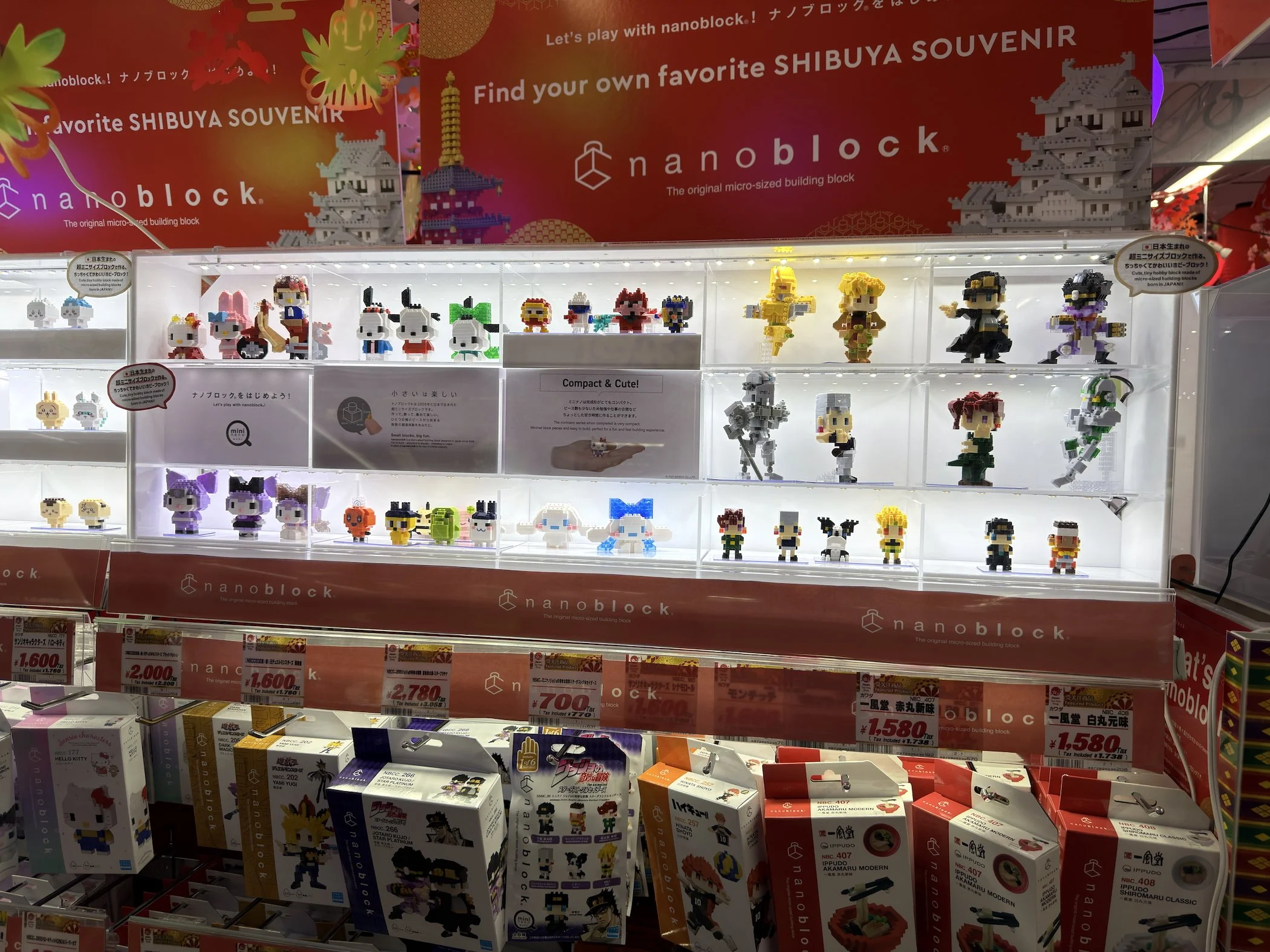
Move over Lego, Japan has nanoblocks.
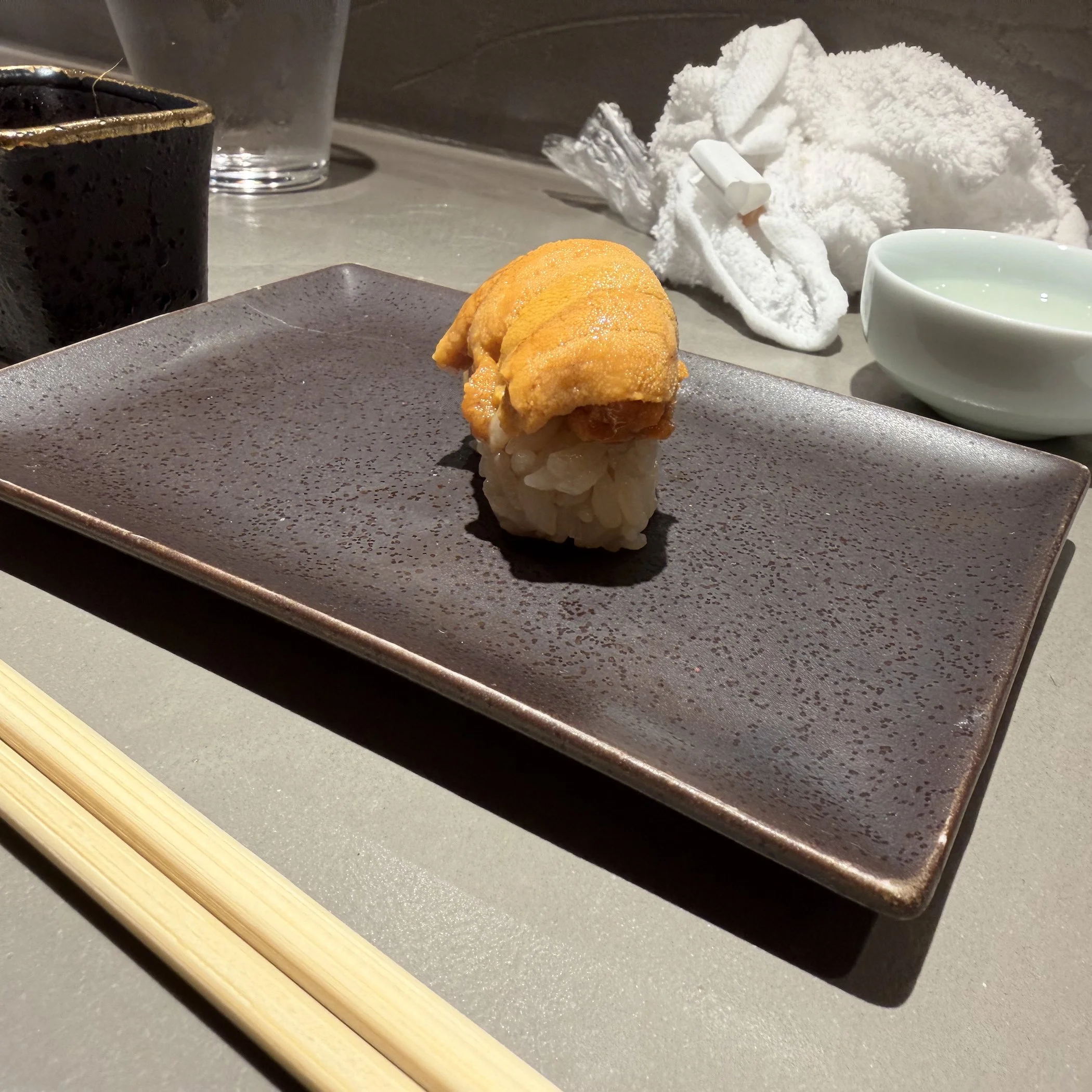
I’ll cover our food adventures in a separate post.
Kyoto
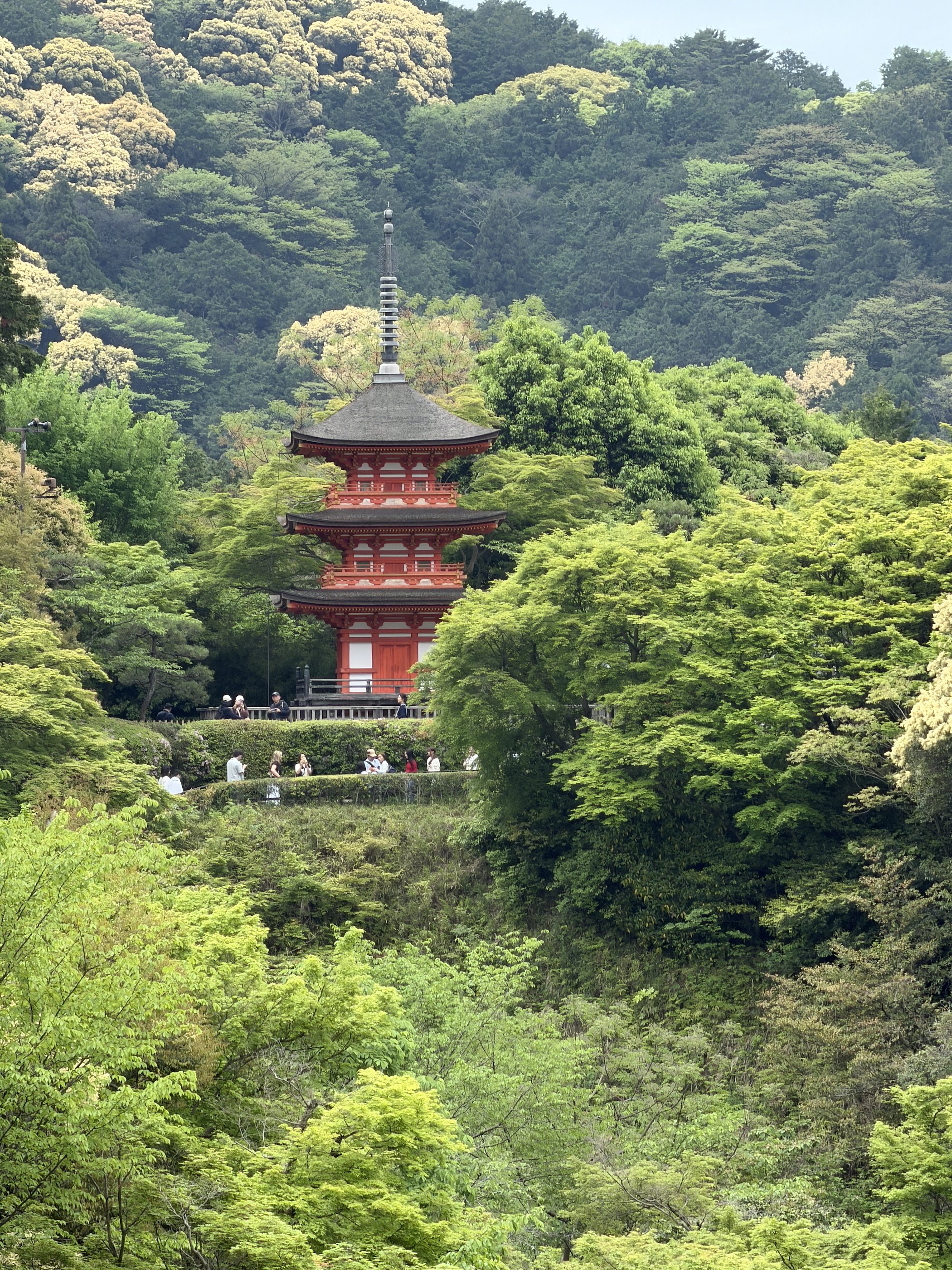
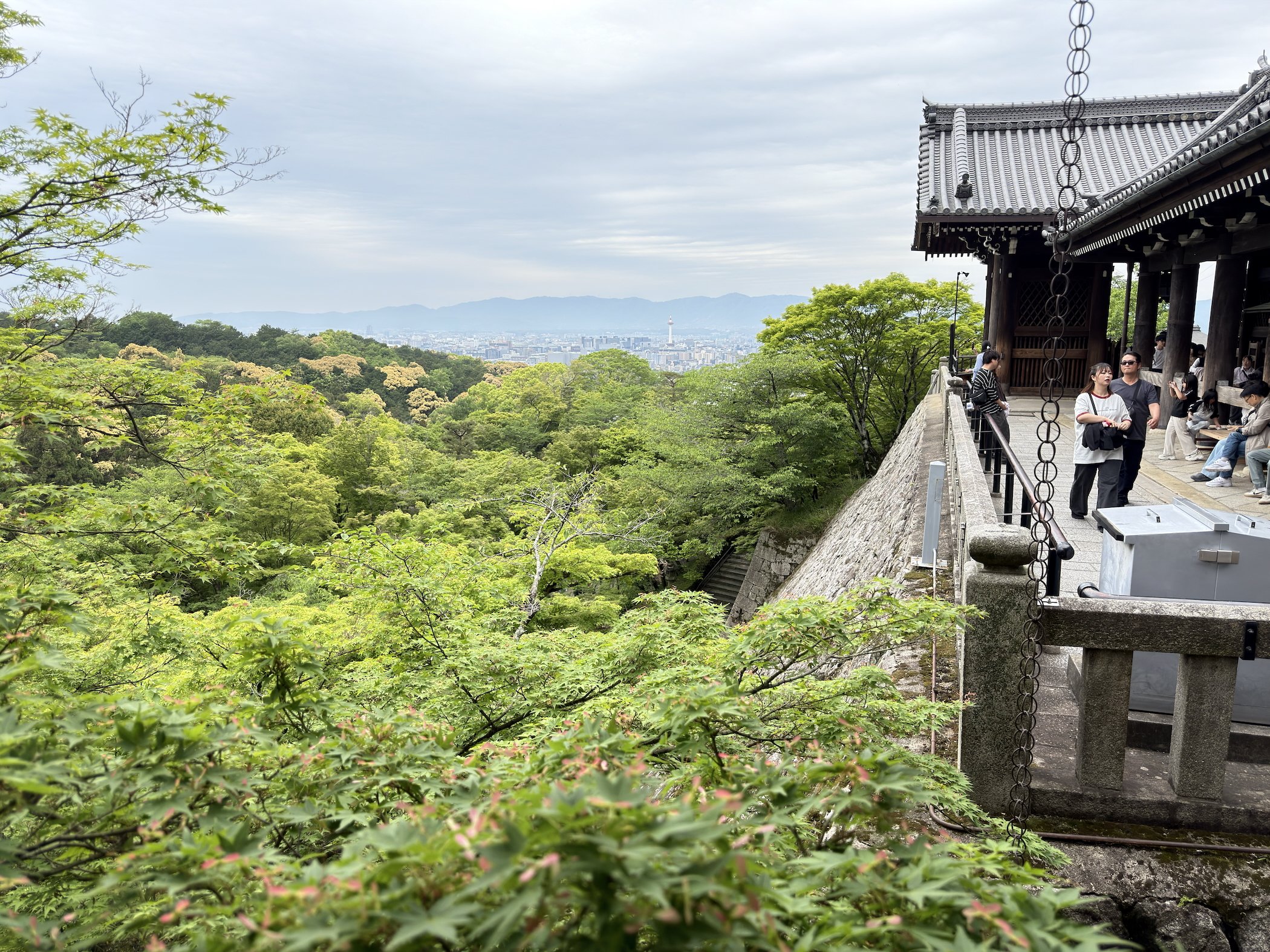
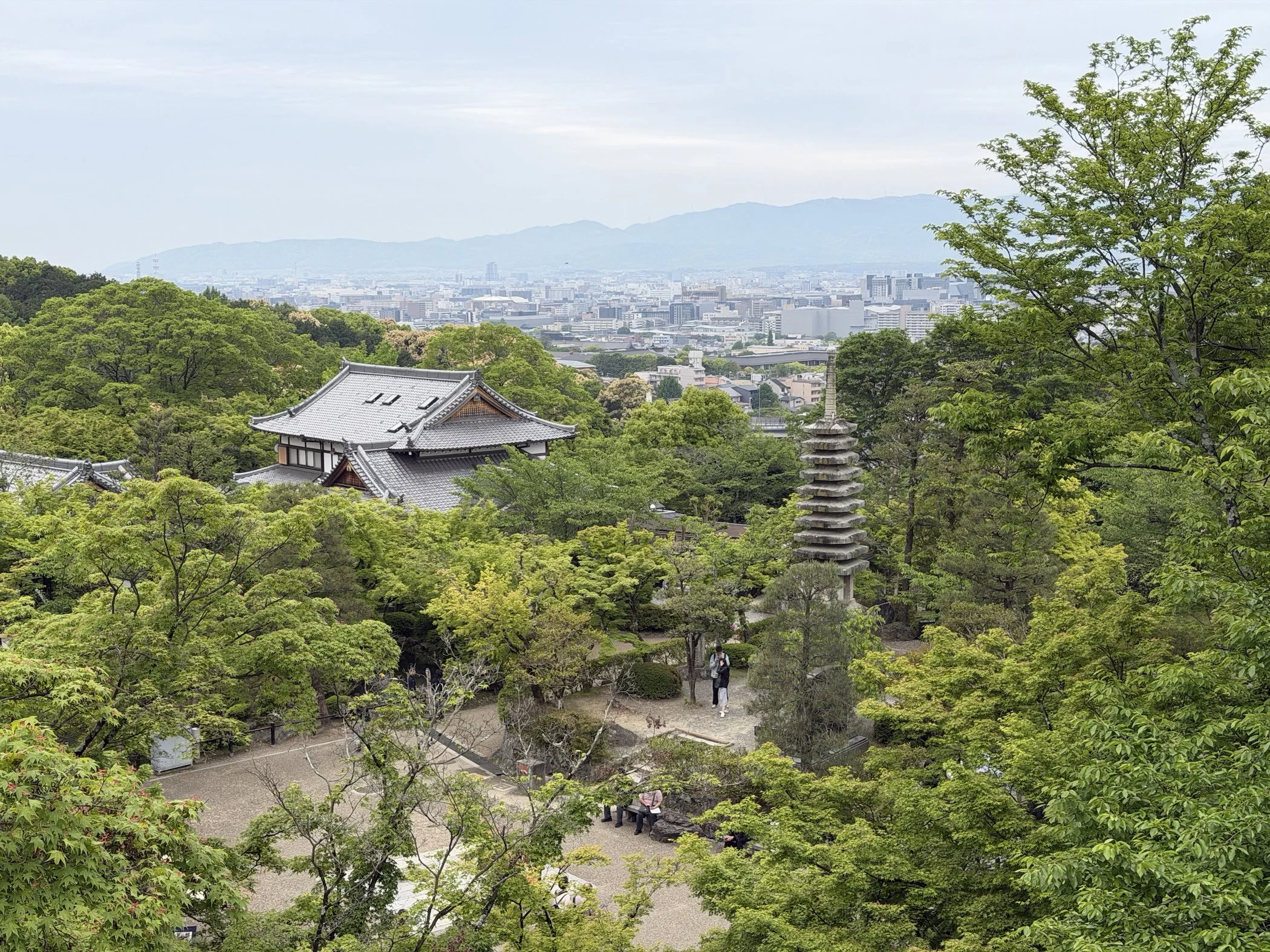
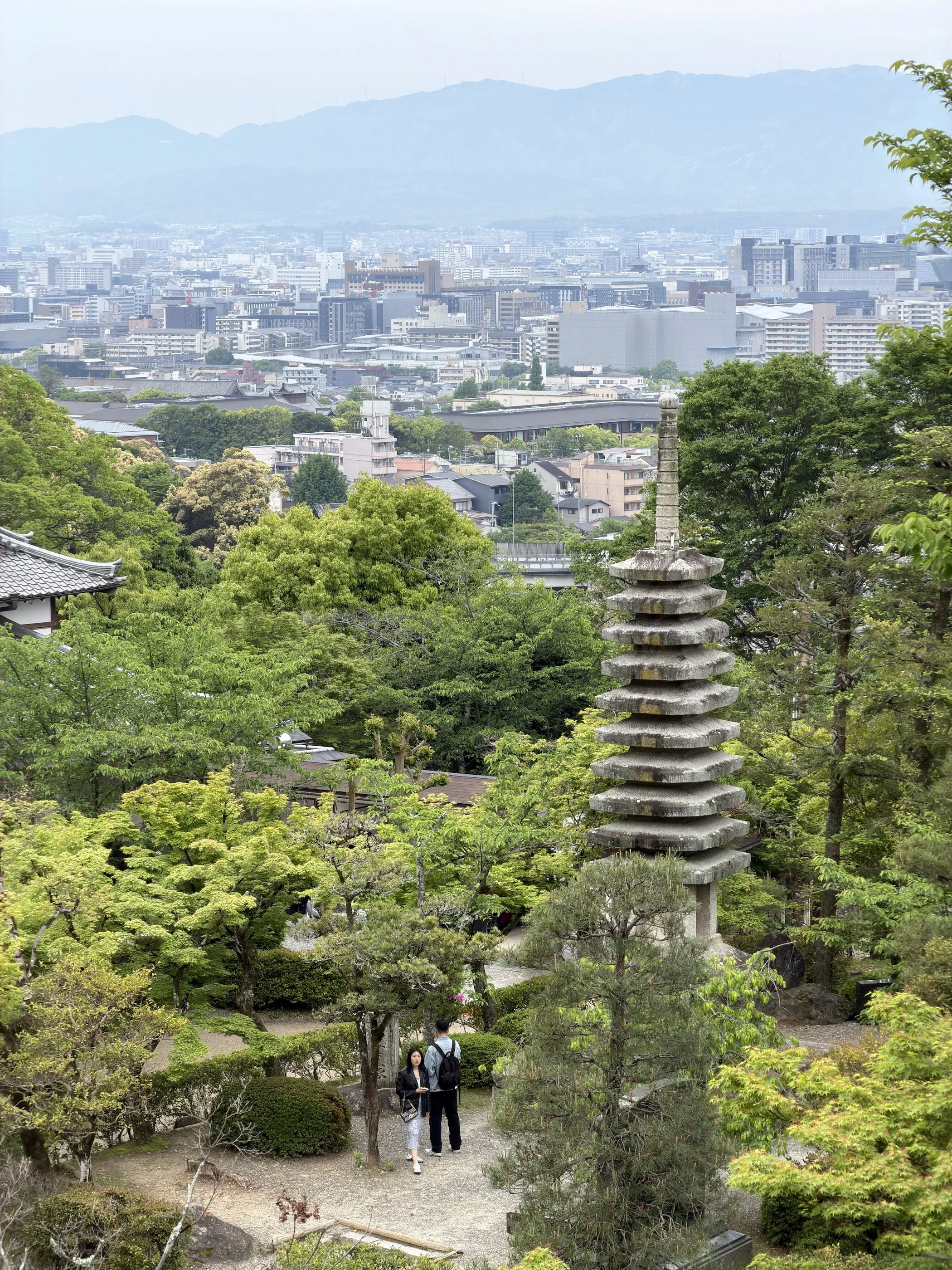
View of the city from the mountain.
Kyoto is by my standards still a big city (1.46M, 19th largest in Japan), at least in land area. It’s known for its many temples but there’s also a very old-world feel to it, at least in the dense city grid, where we stayed. The efficient use of space is astounding.
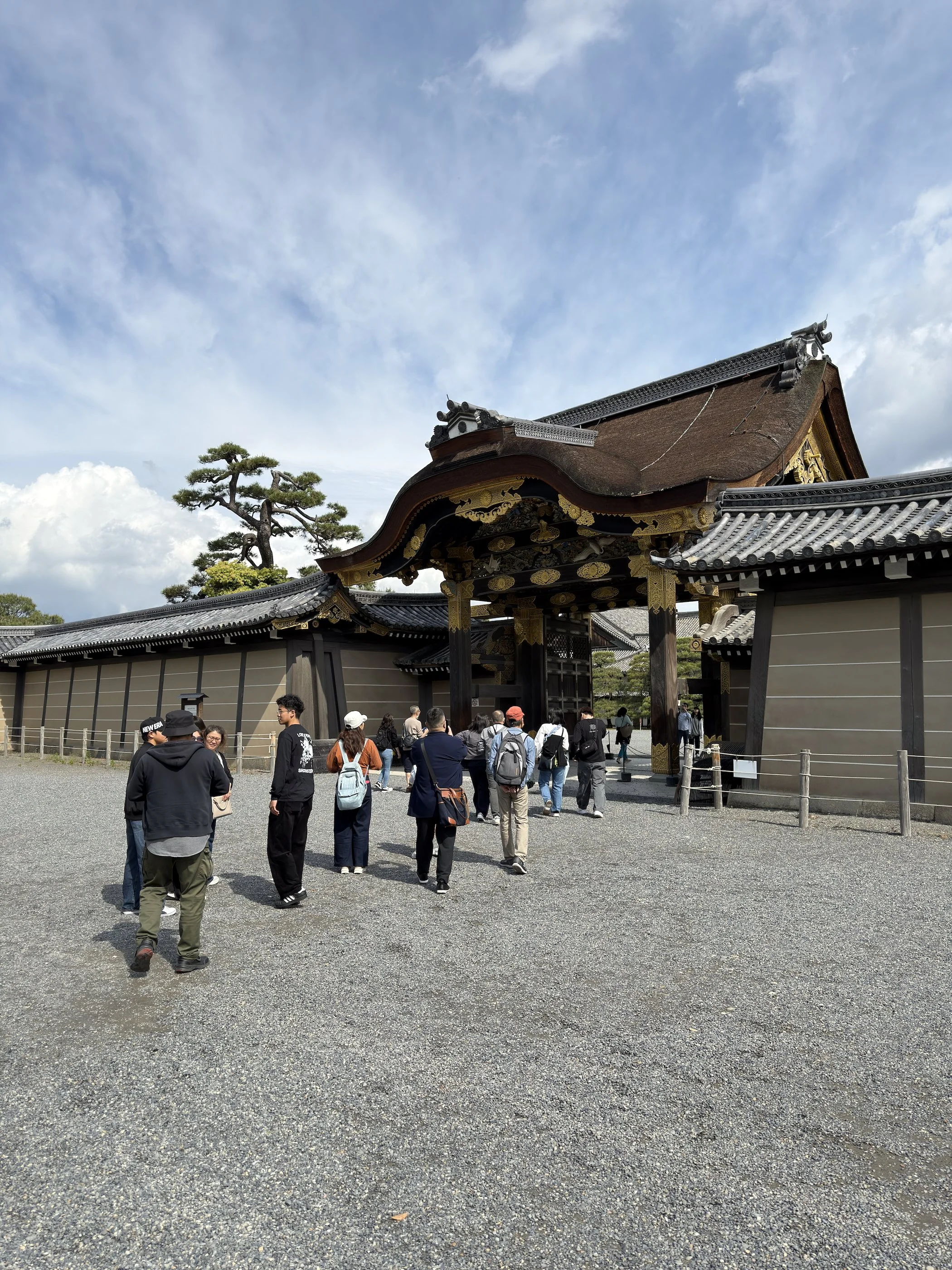
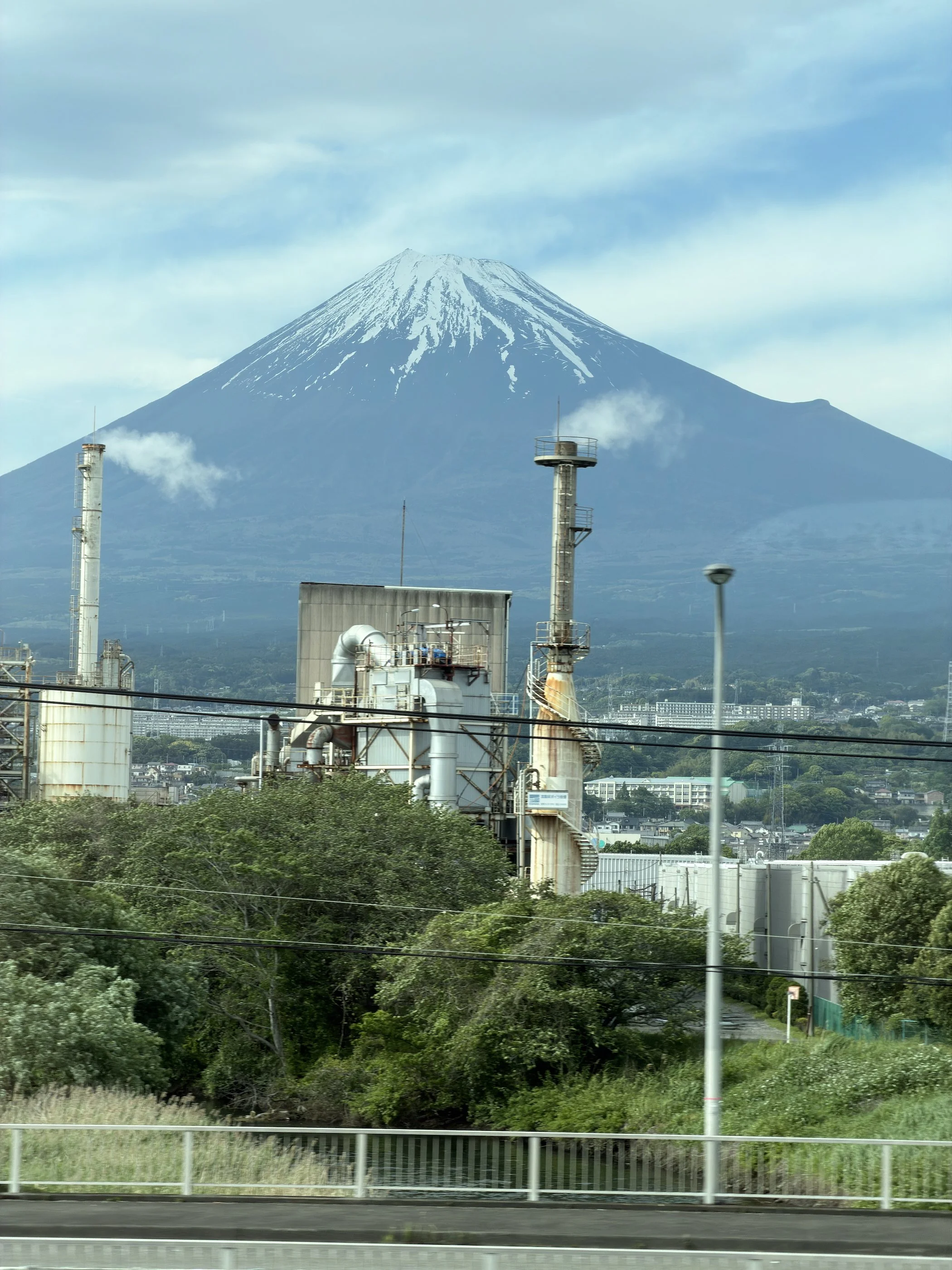
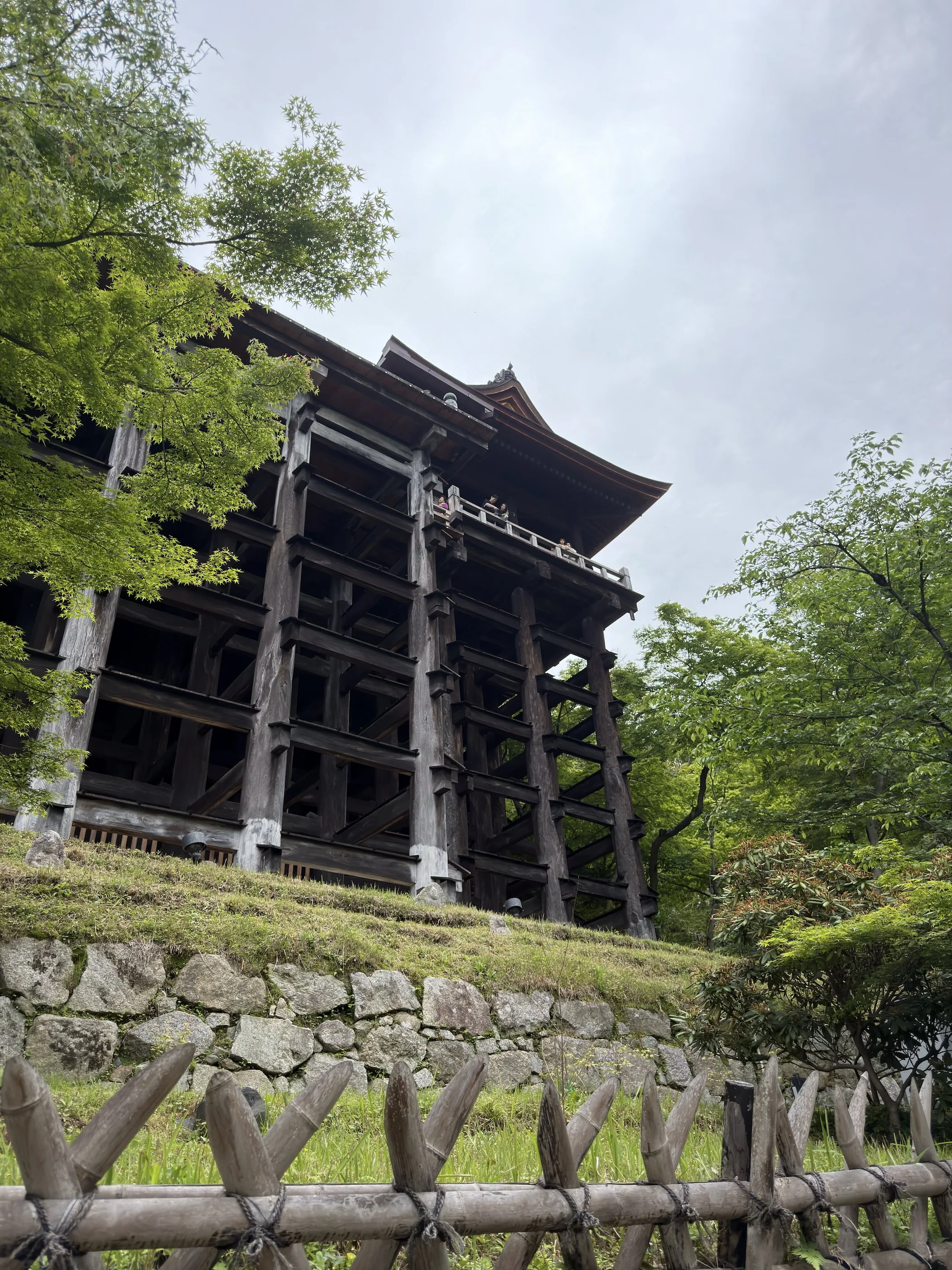
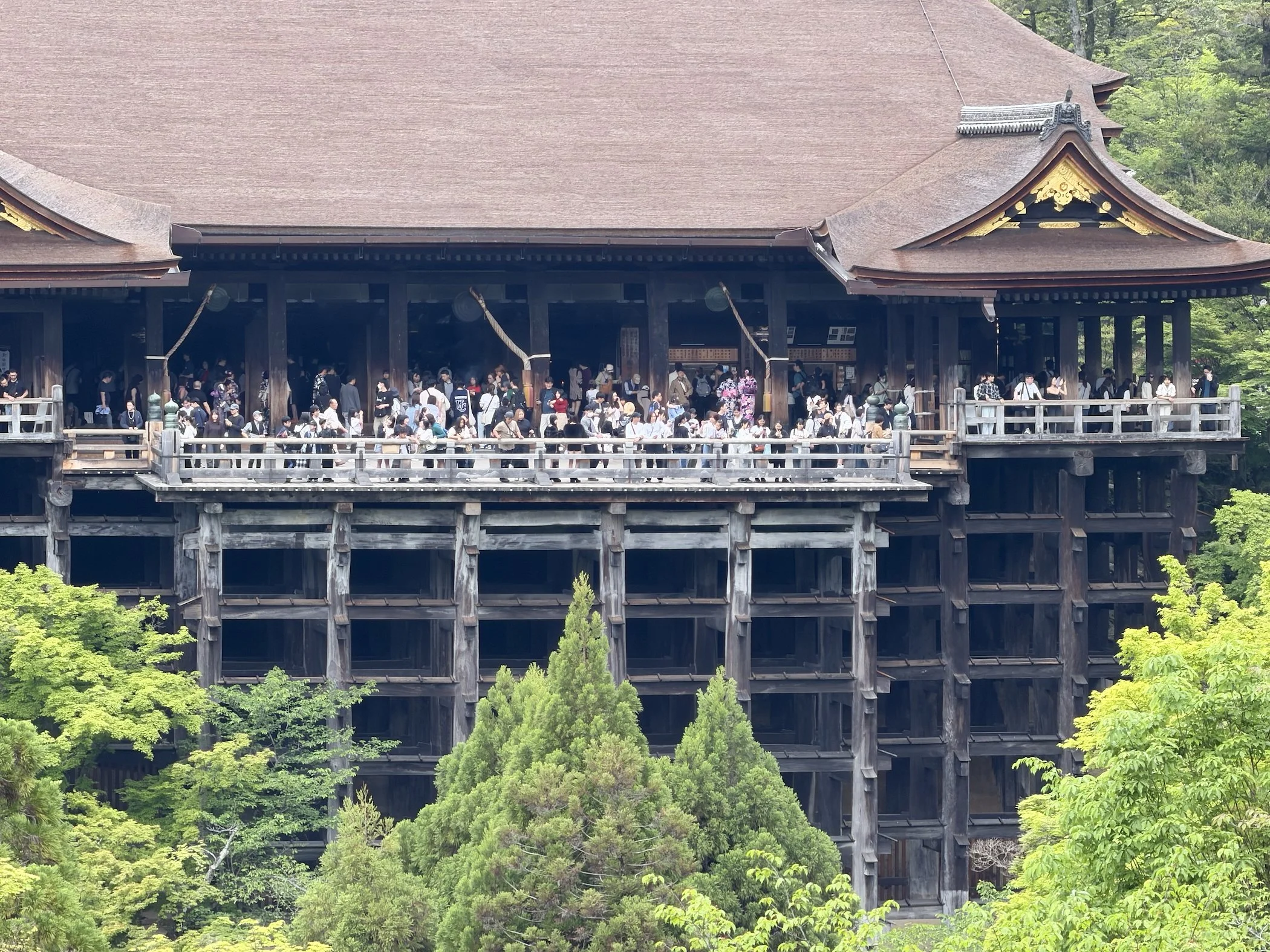
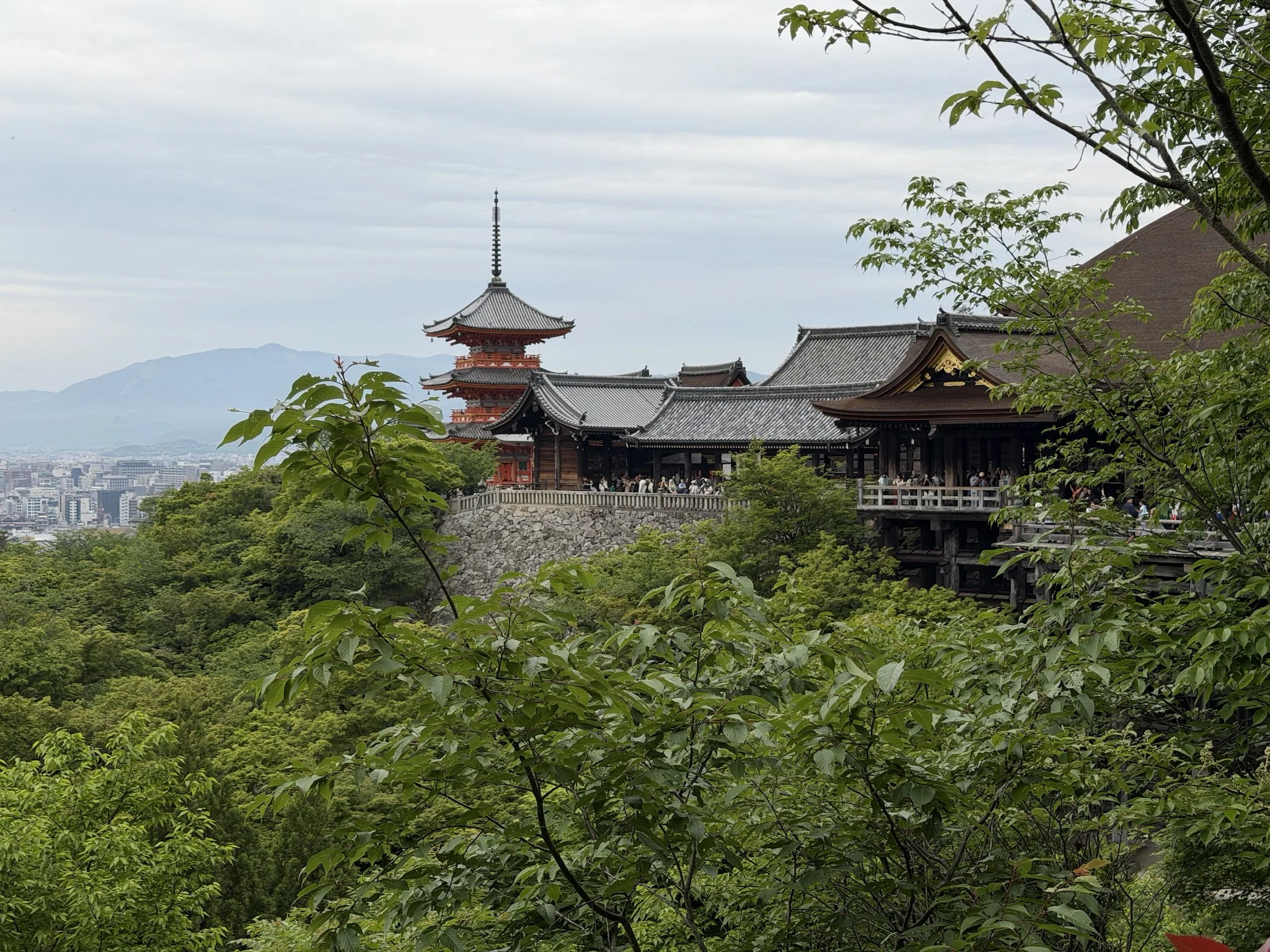
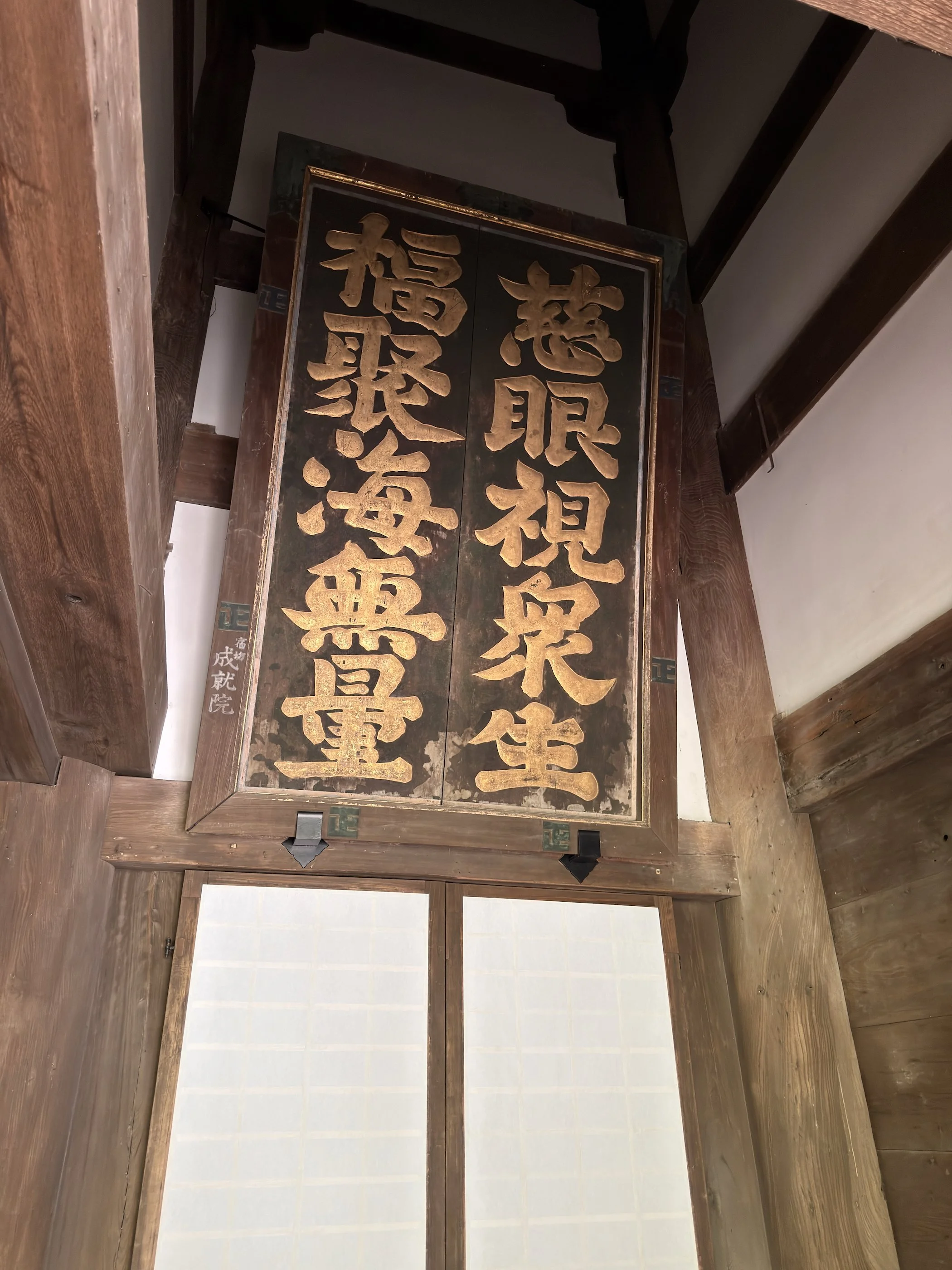
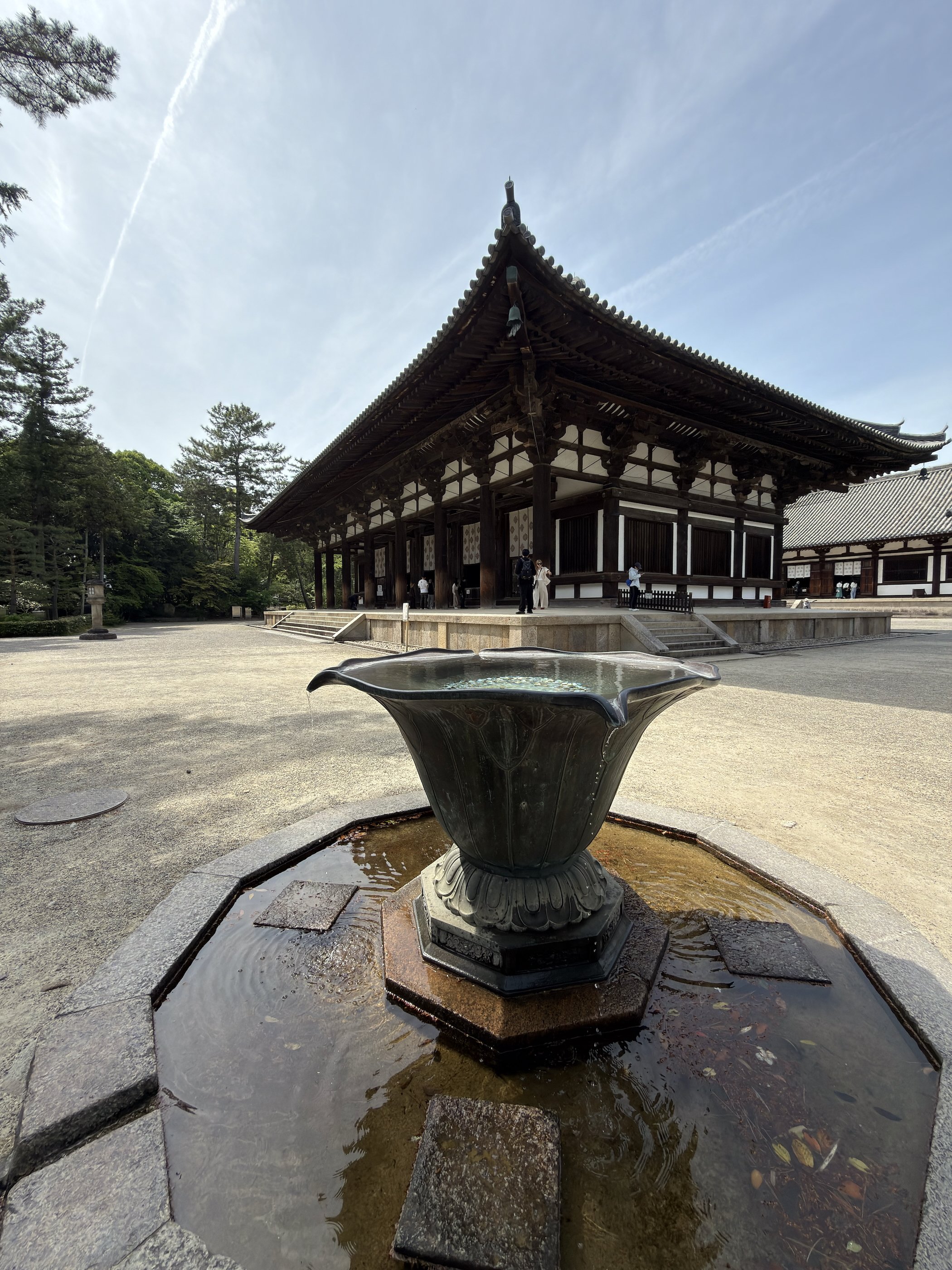
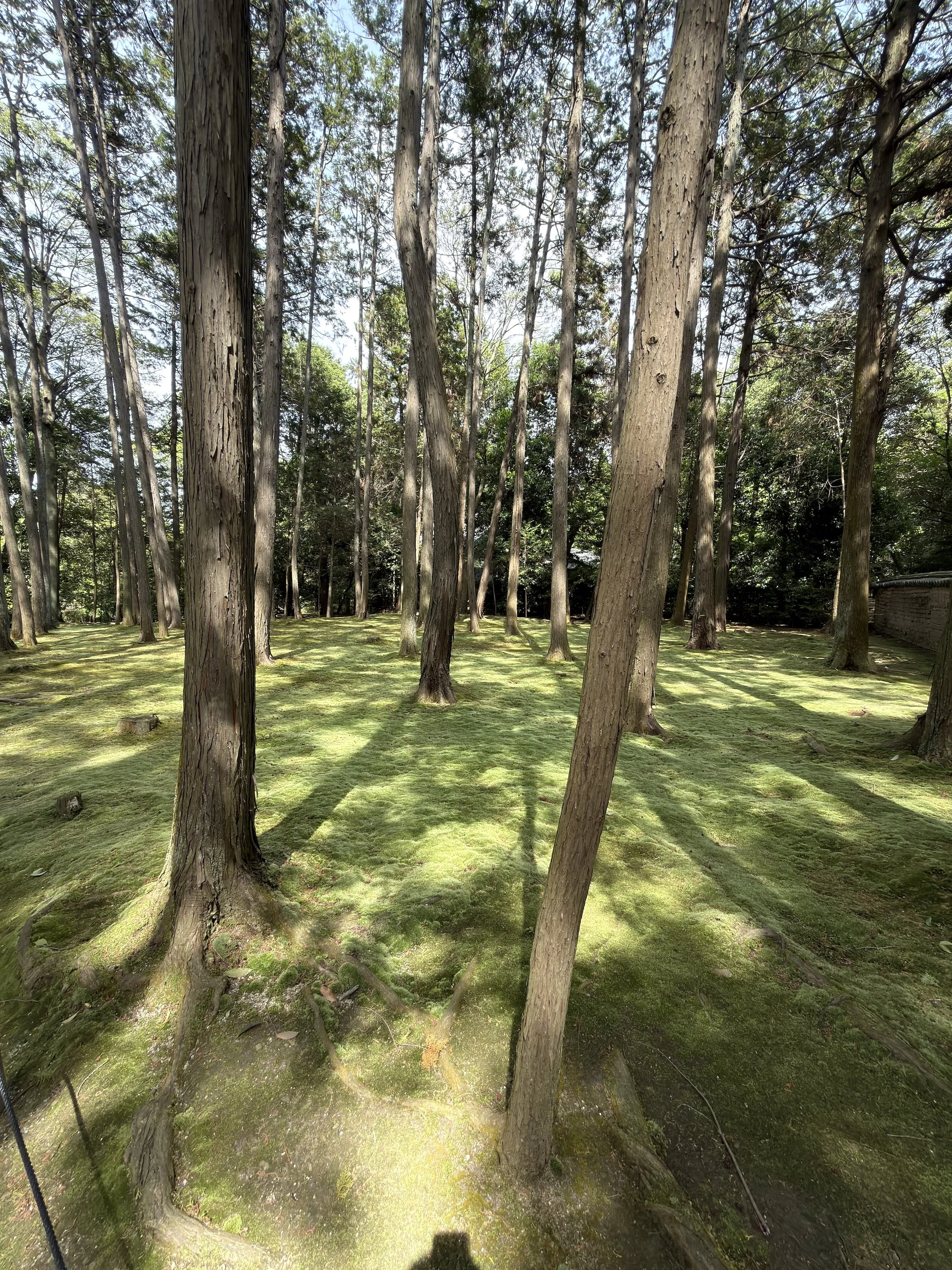
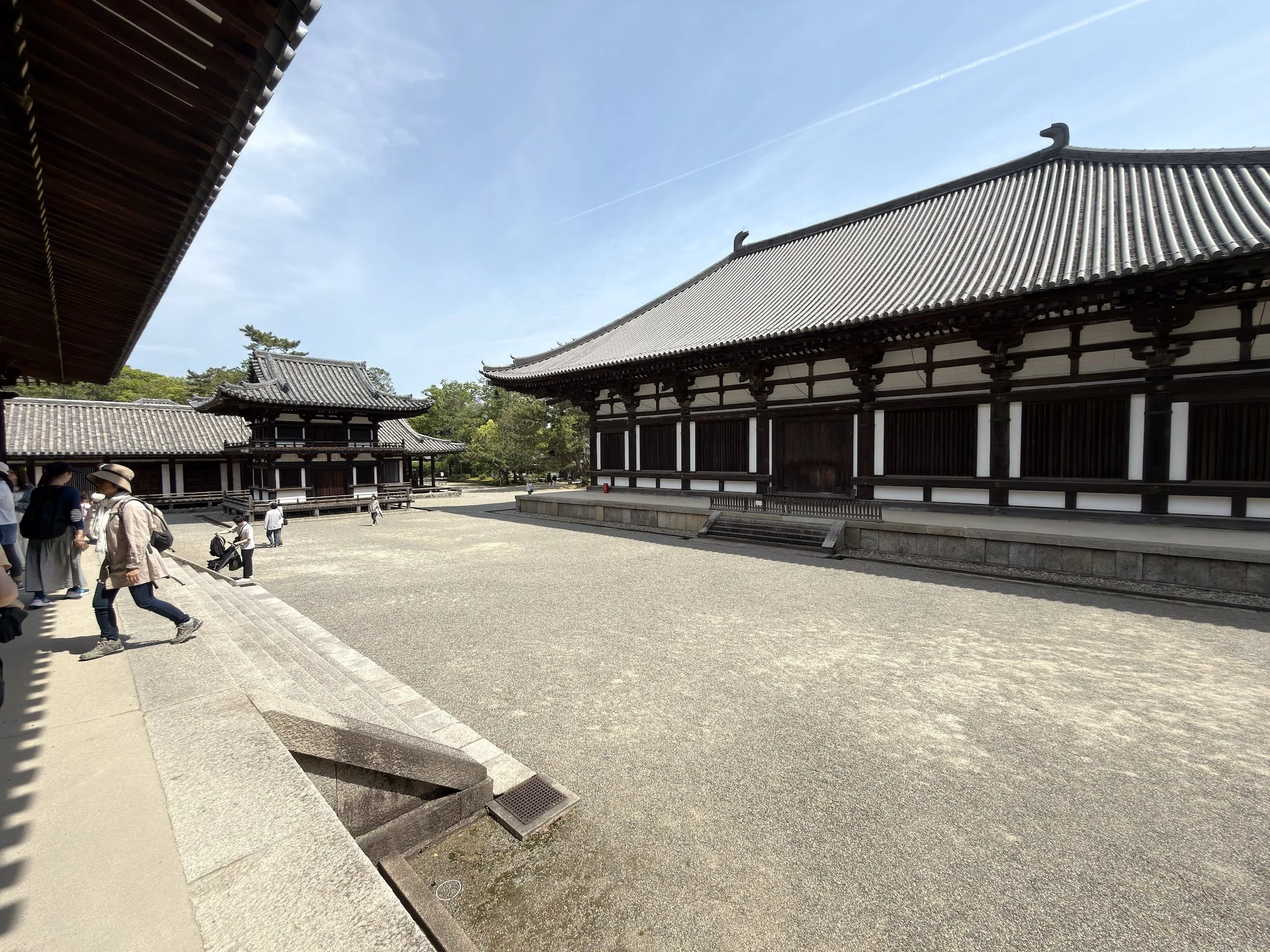
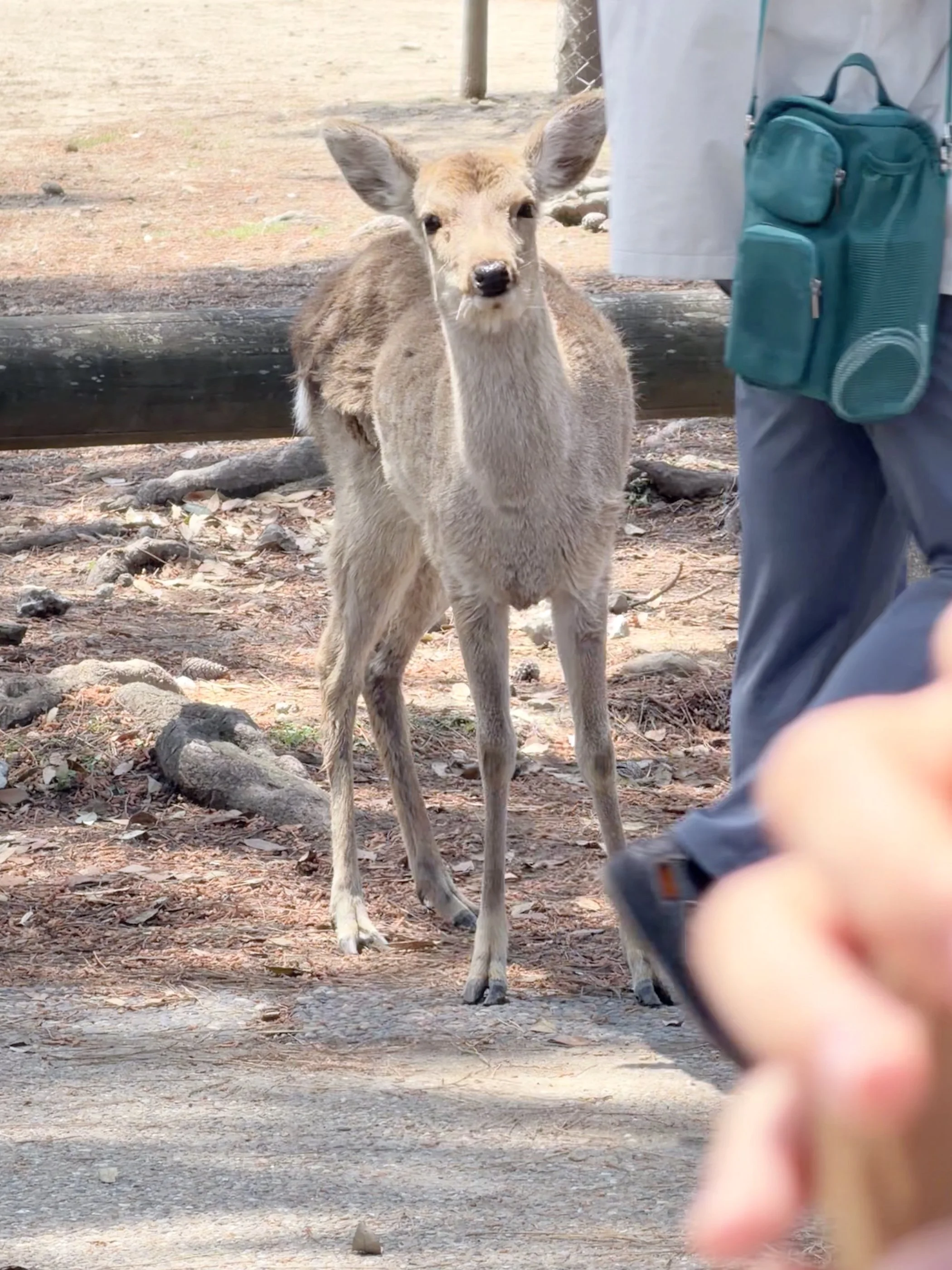
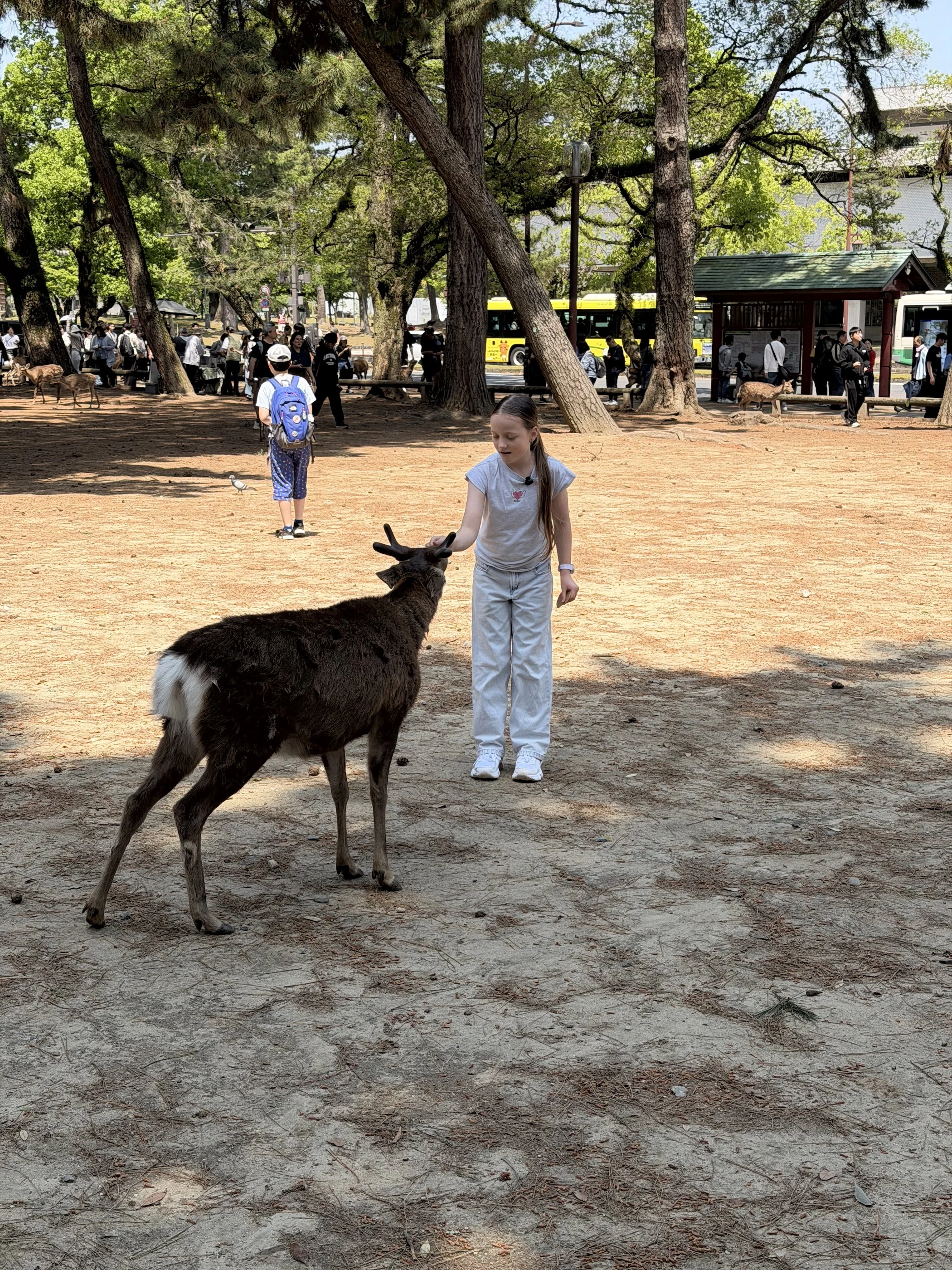
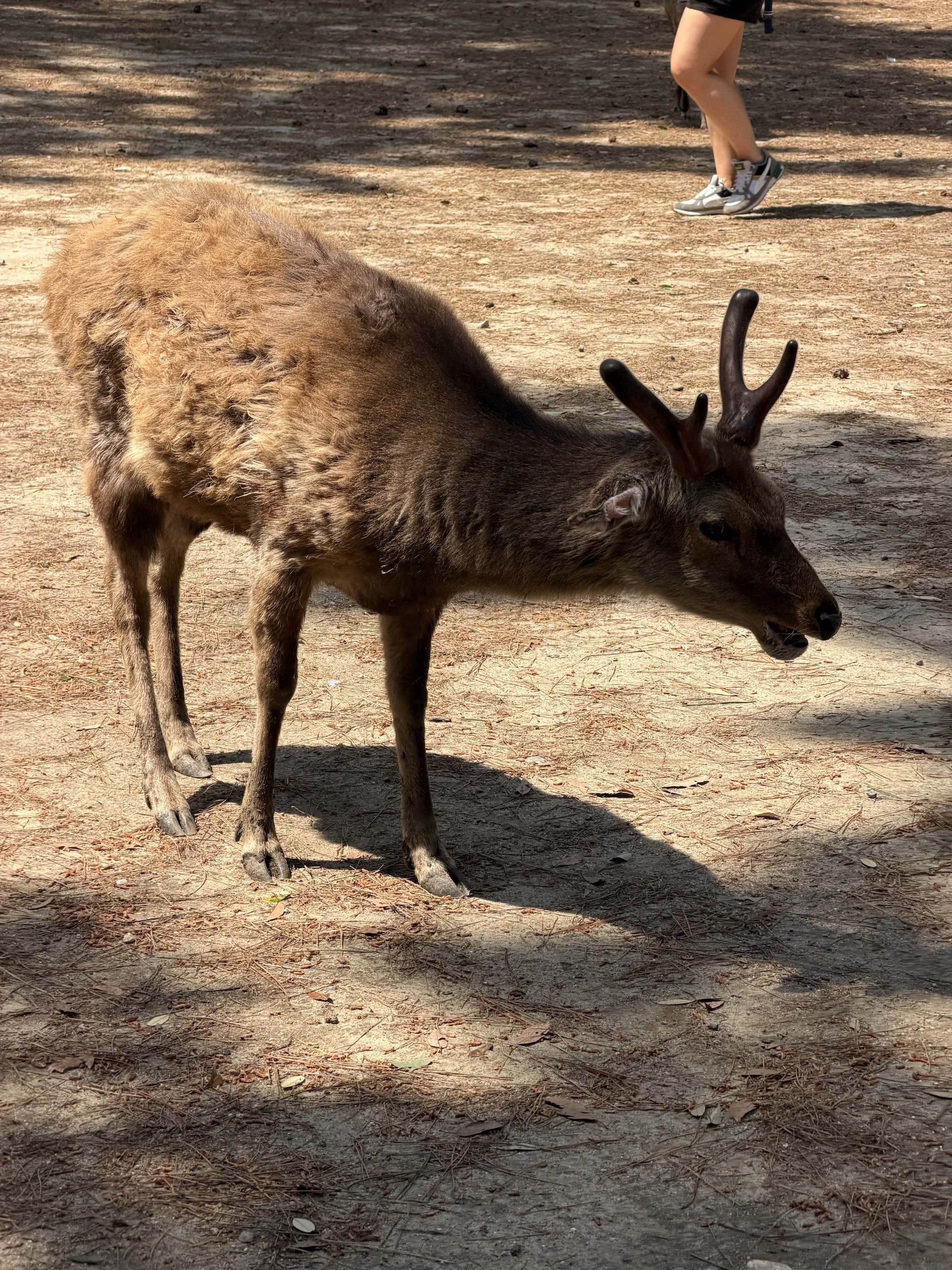
There’s a designated area to feed the deer; they discourage feeding in other areas.
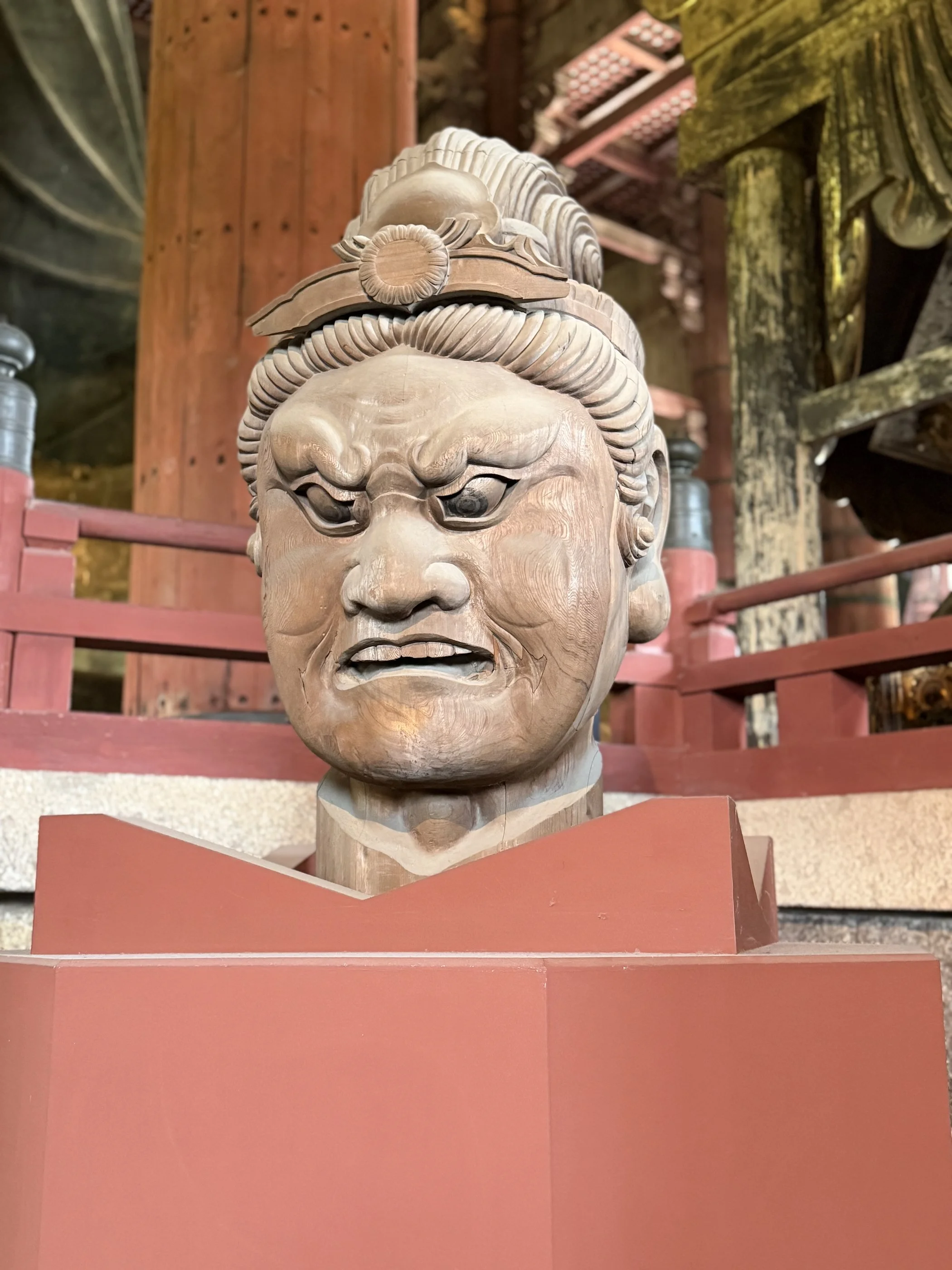
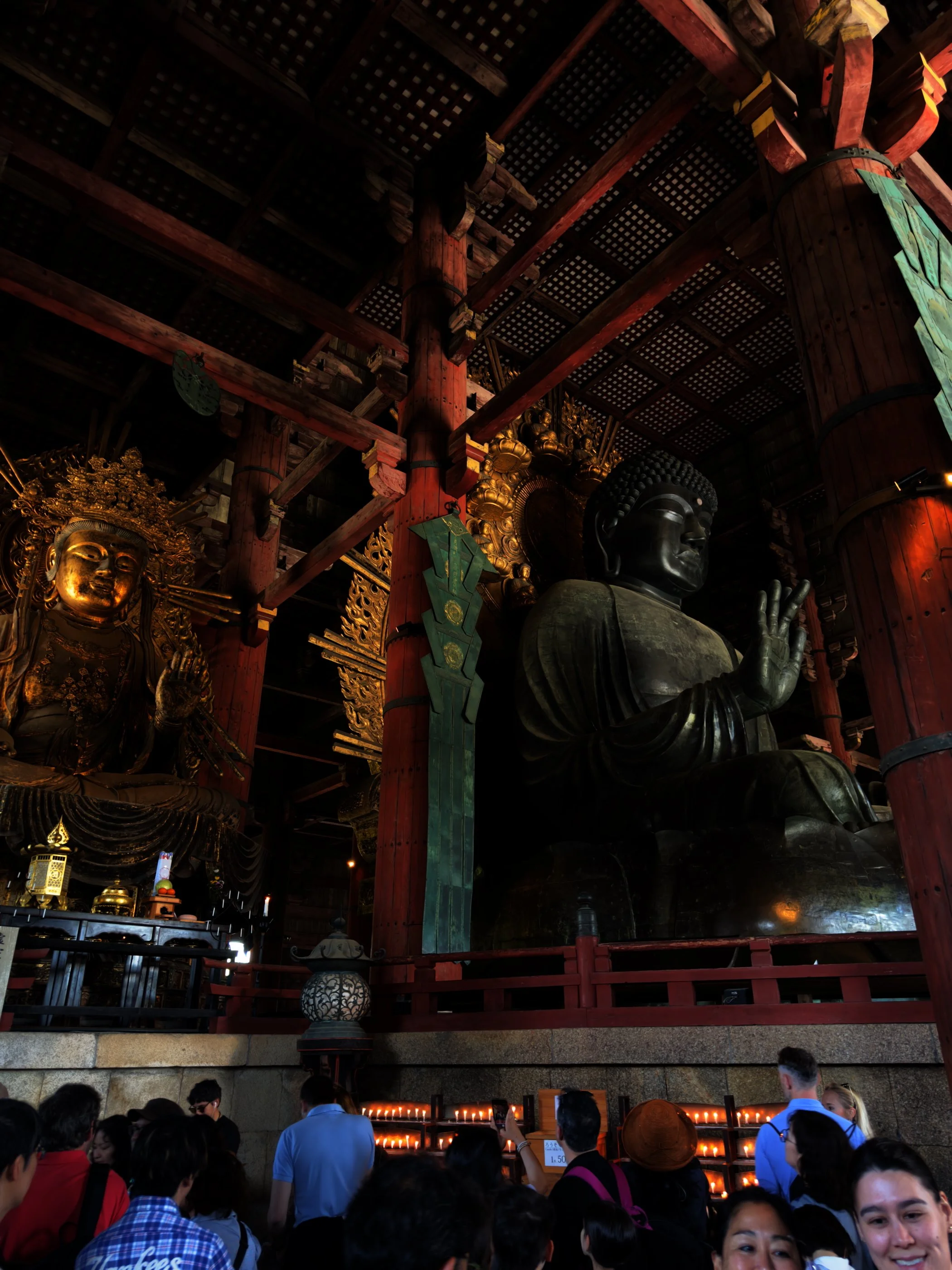
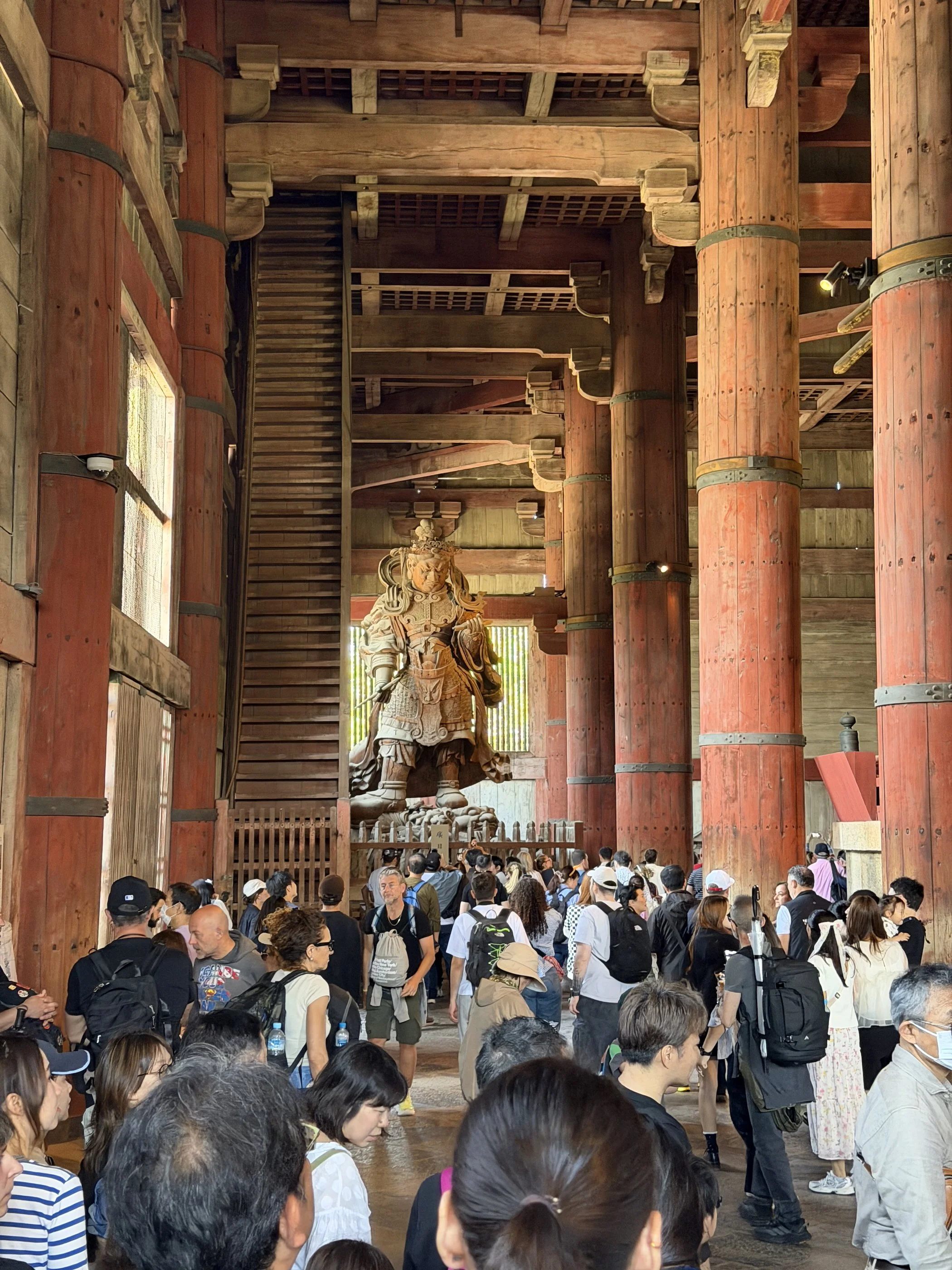
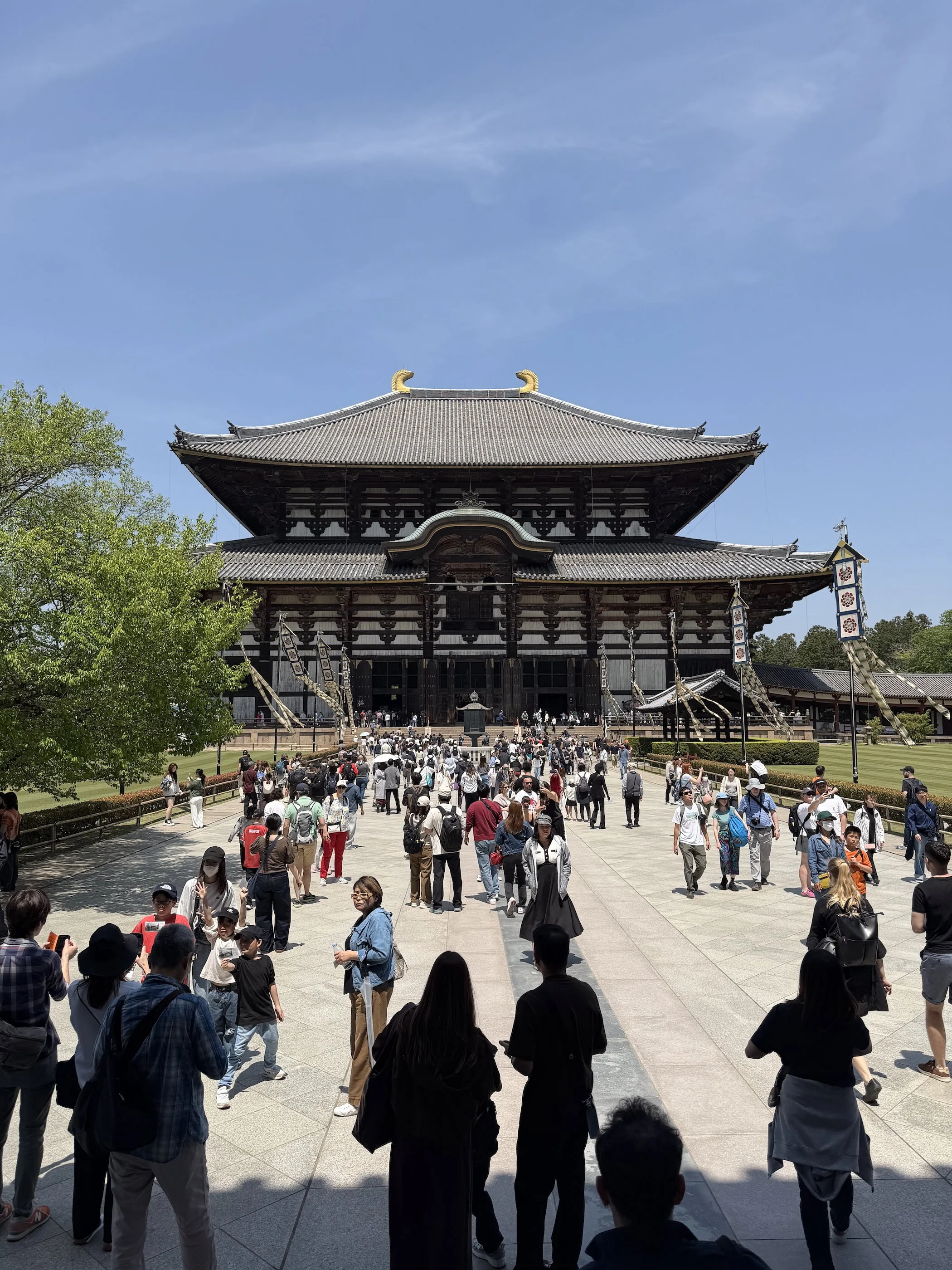
The photos above include Nara: Japan’s first official capital city. It then moved to Kyoto. Nara is most famous today for the deer, who roam free. You can buy biscuits to feed them and they’ll nip you. I won’t share the video clips of me running away from those deer!
While you mostly see people, look out for the deer droppings.
Sometimes the more impressive things are on the inside, not out.
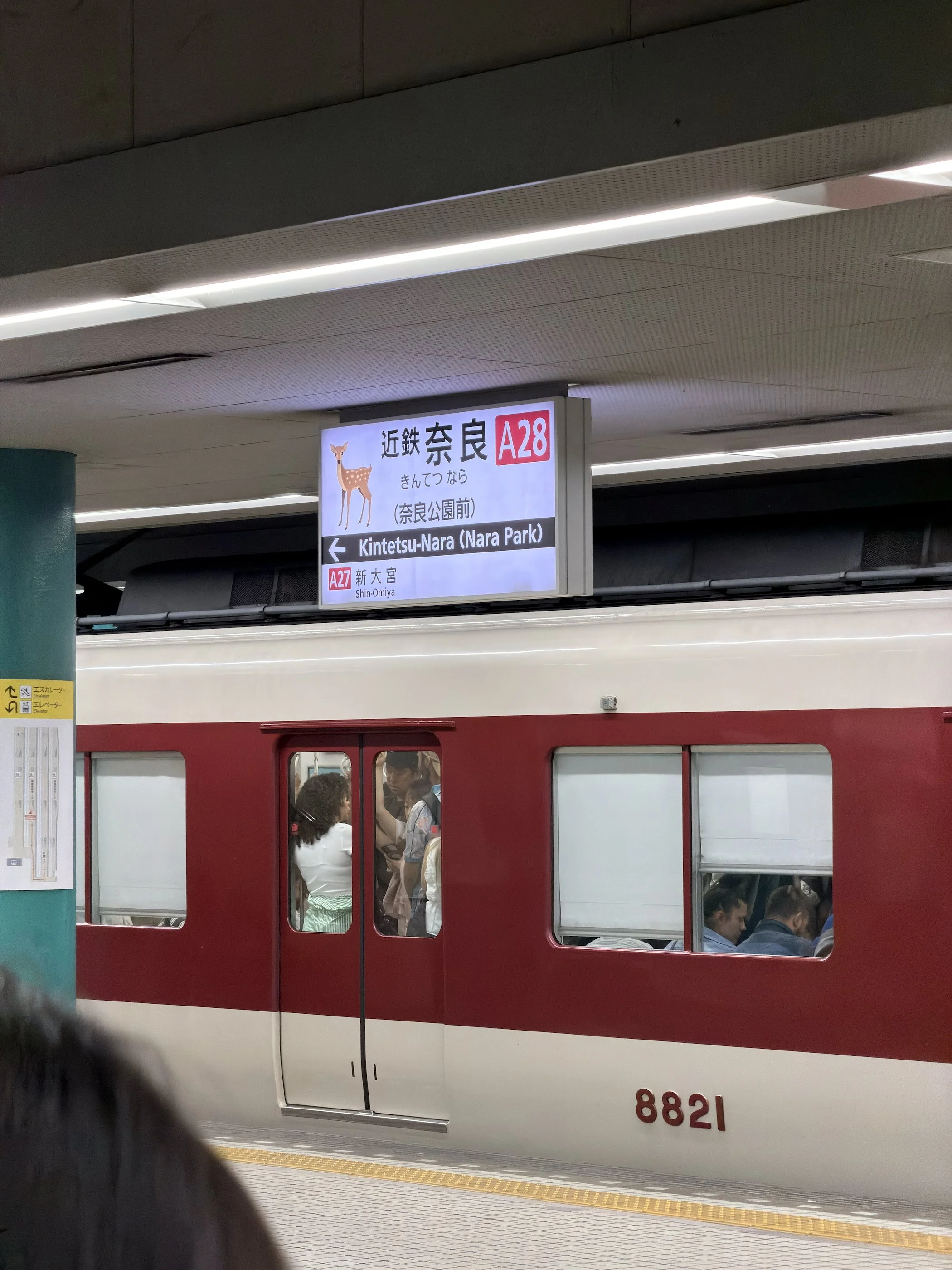
The train to Nara from Kyoto can be confusing. Different system again—we bought the express version of the train which gets you there quicker, but it requires you to both scan your IC card/app and then also purchase this special ticket. Thankfully they had English-speaking guides on how to purchase the tickets.
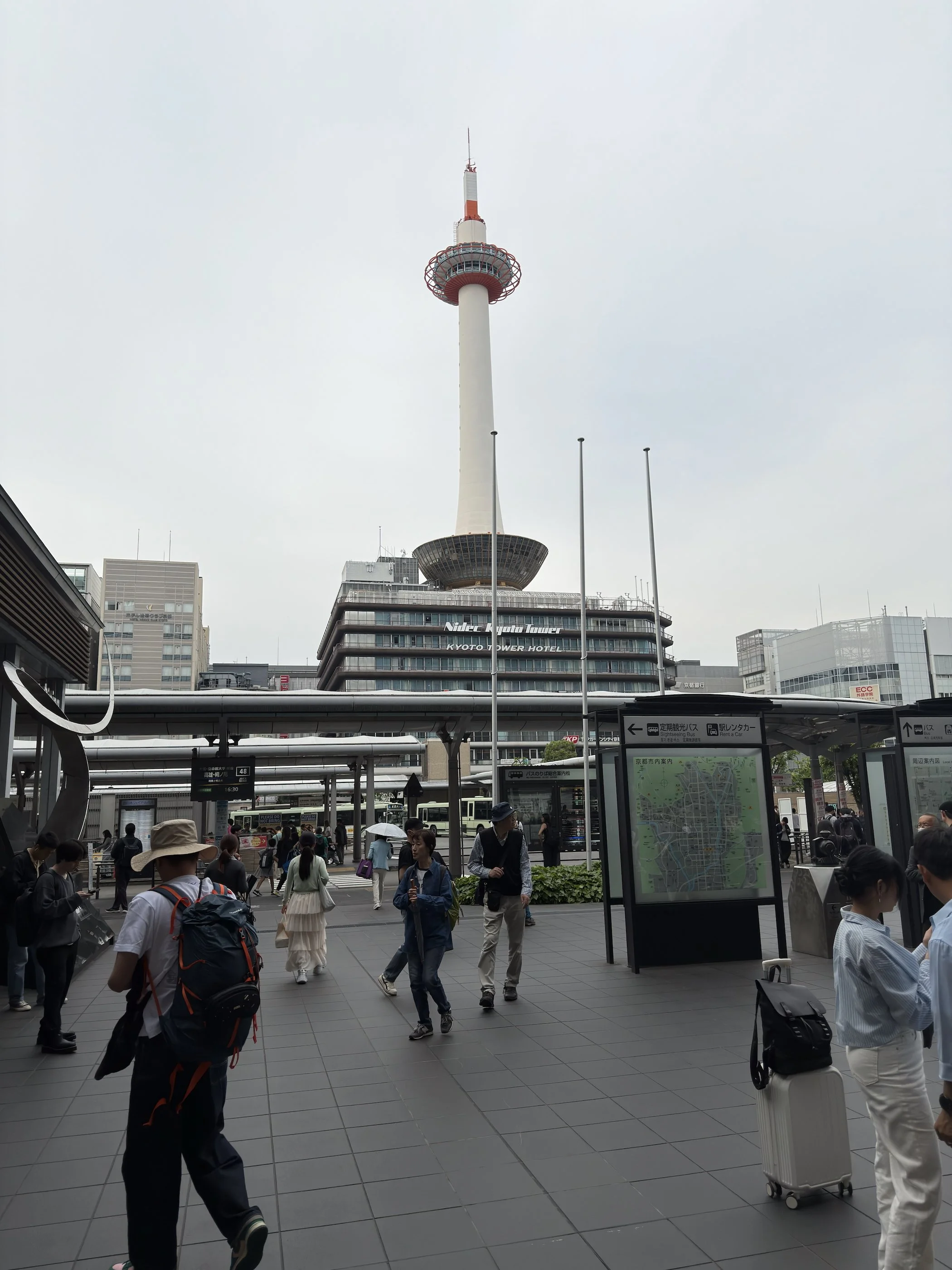
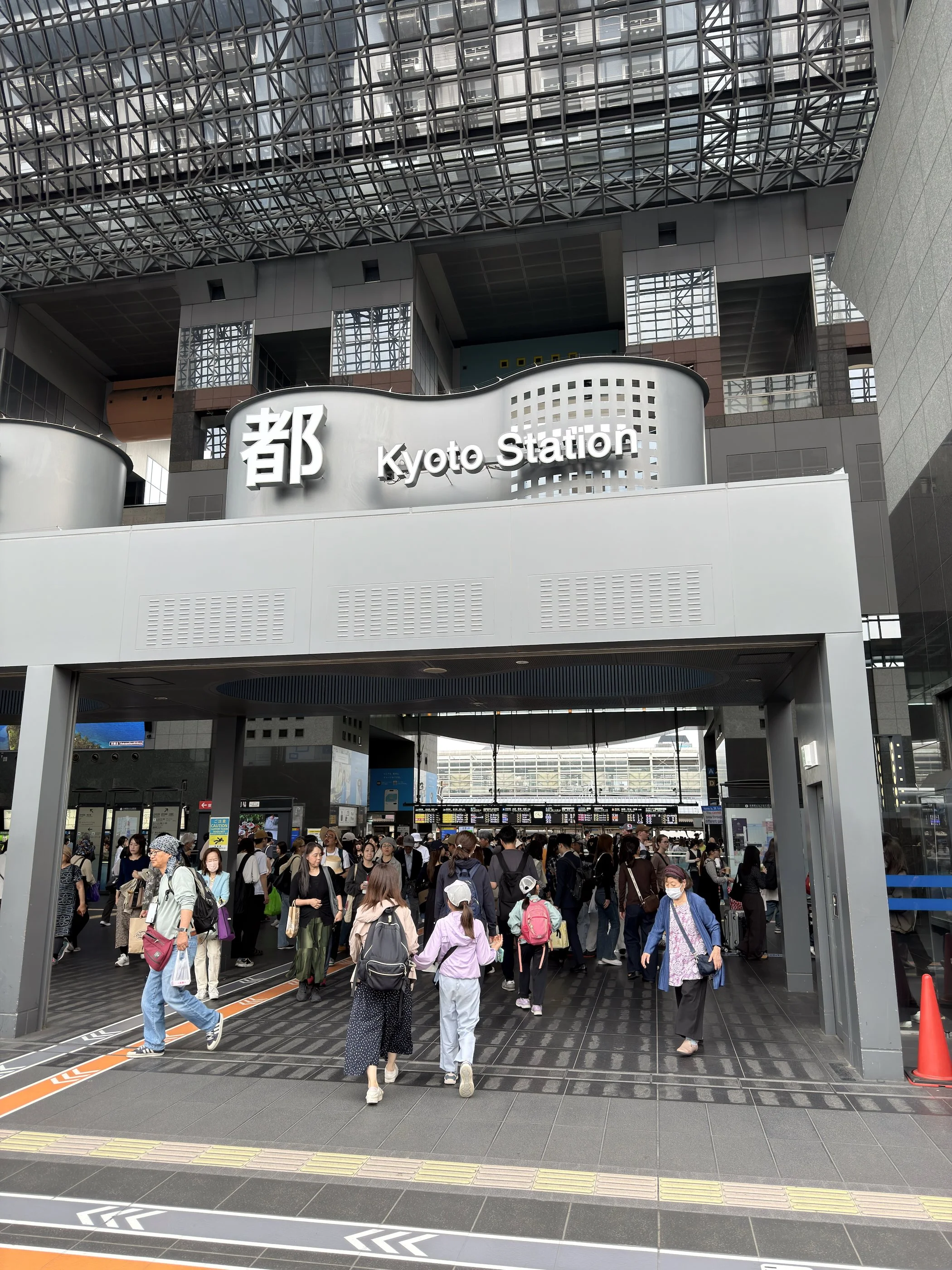
Kyoto station is easy to pick out from a city view because of the tower across the street from the station. We visited the Kyocera museum, which is one again I could have skipped—with no permanent collection but special exhibits. But since it was raining, we made that an option.
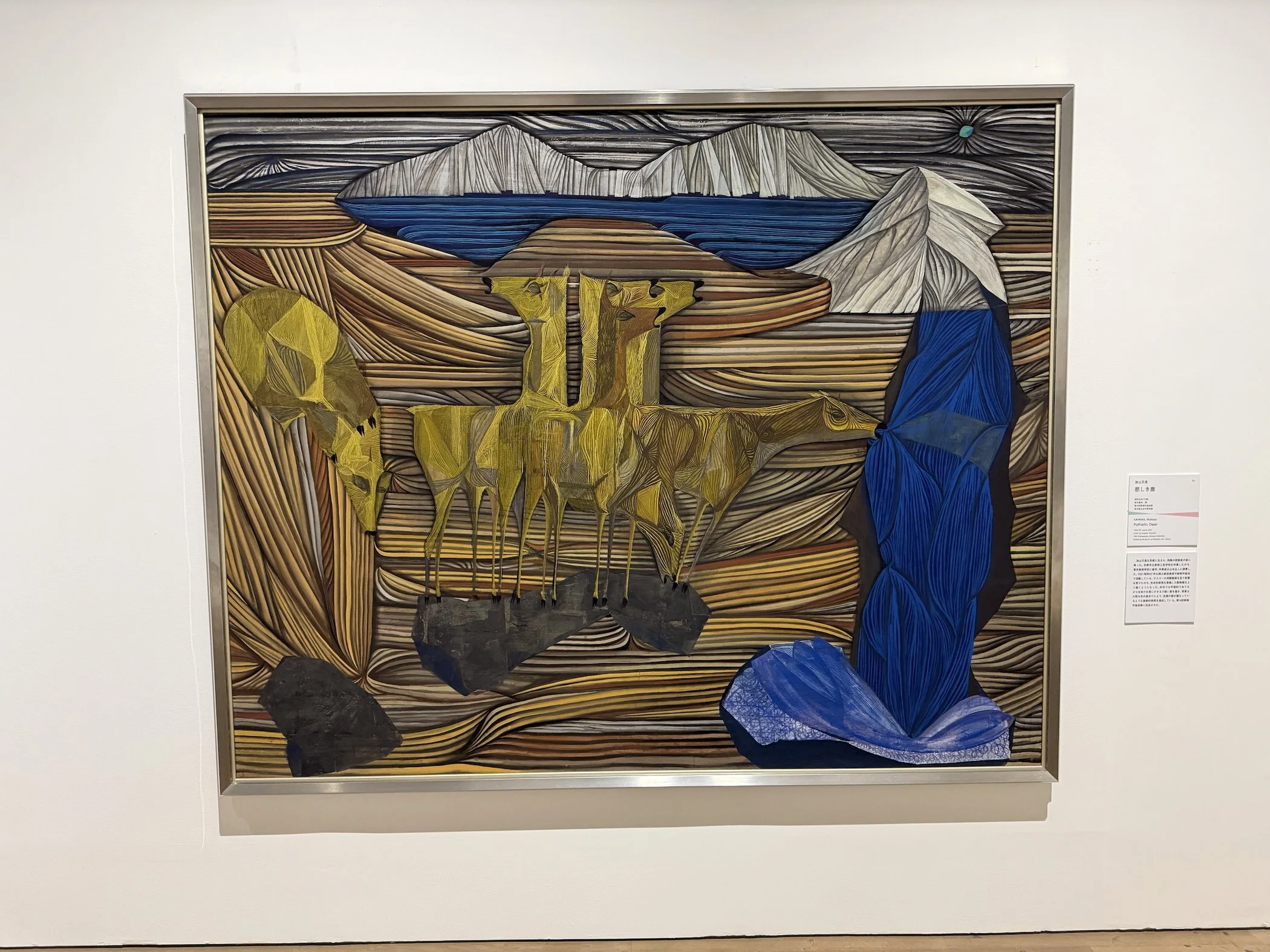
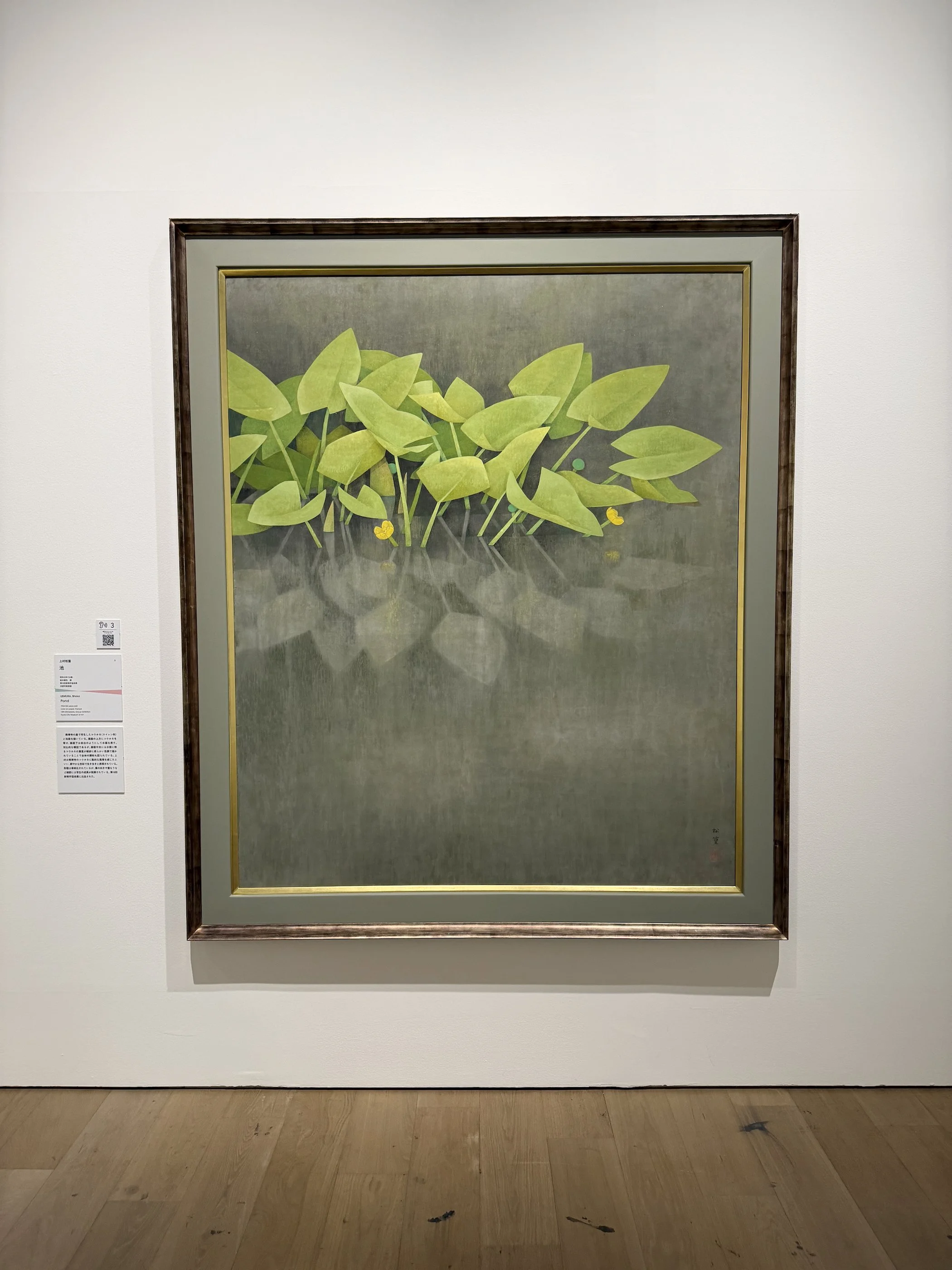
This exhibit explored Kyoto-based artist movements after World War II. I had not realized that Kyoto had been the original target for the American bombing of Japan with a nuclear weapon during the war, but given the sacred nature of the area, it was removed from the list. It was apparent in this exhibition to see the artists’ grappling with identity in the aftermath of the war.
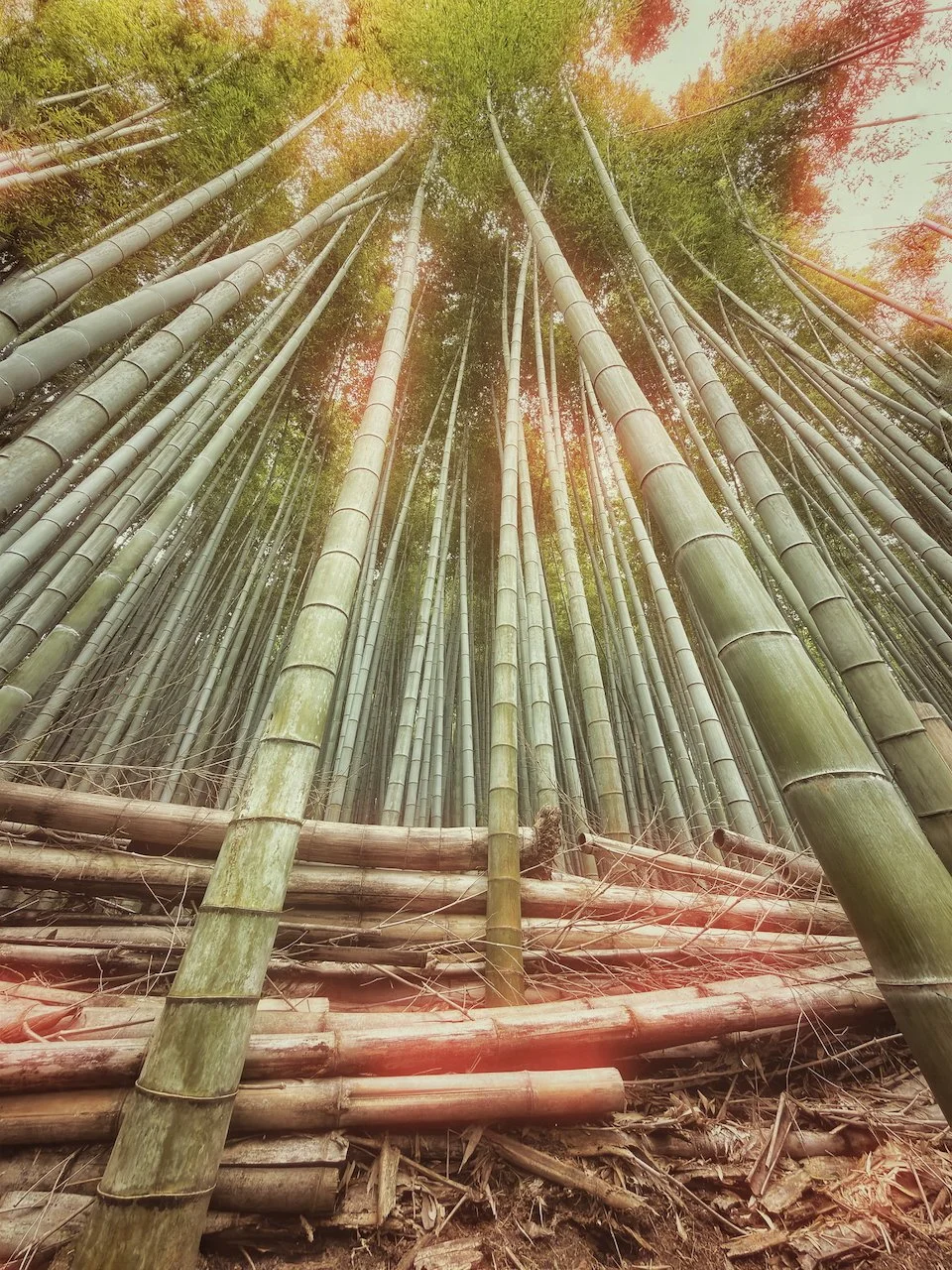
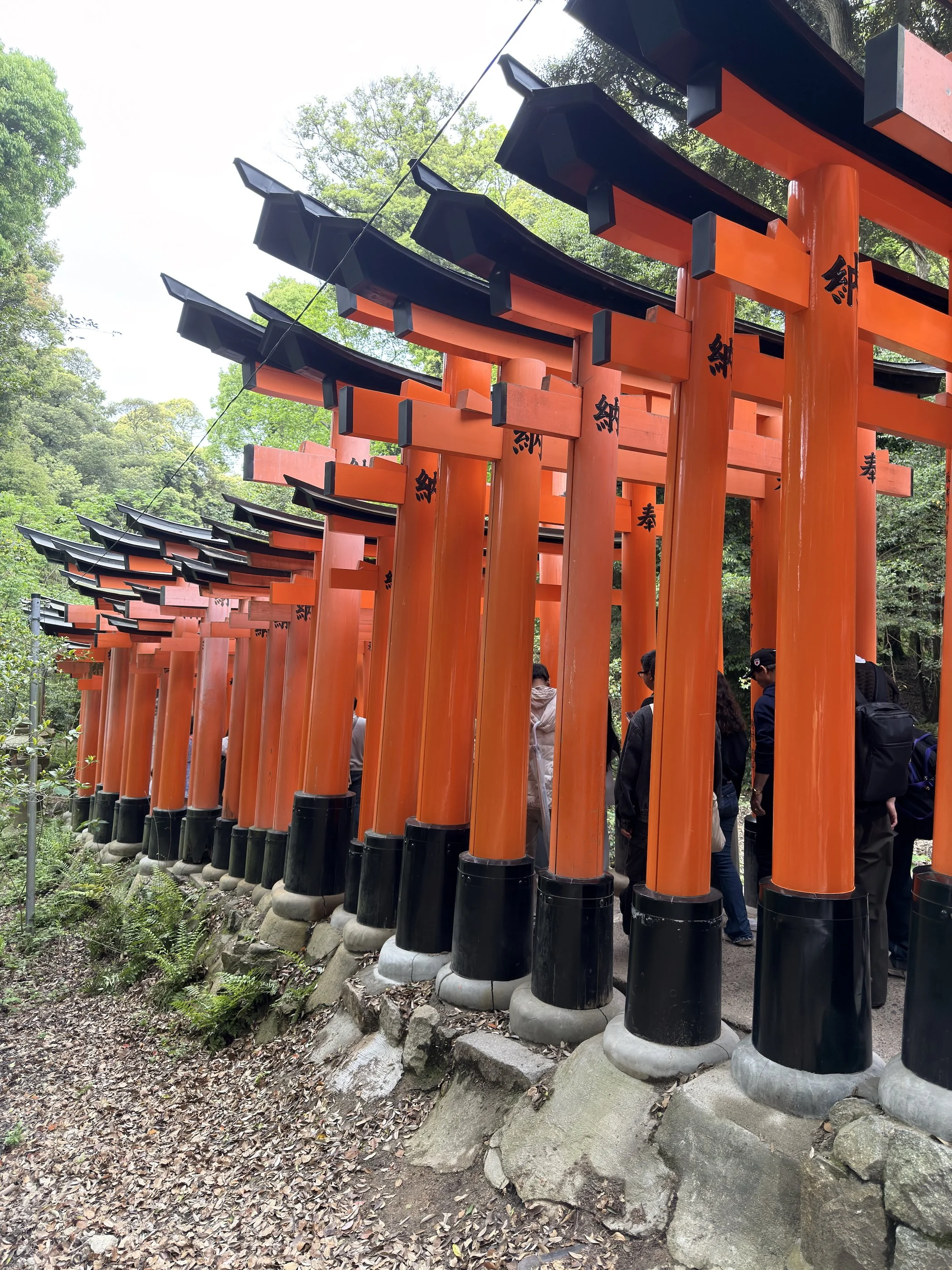
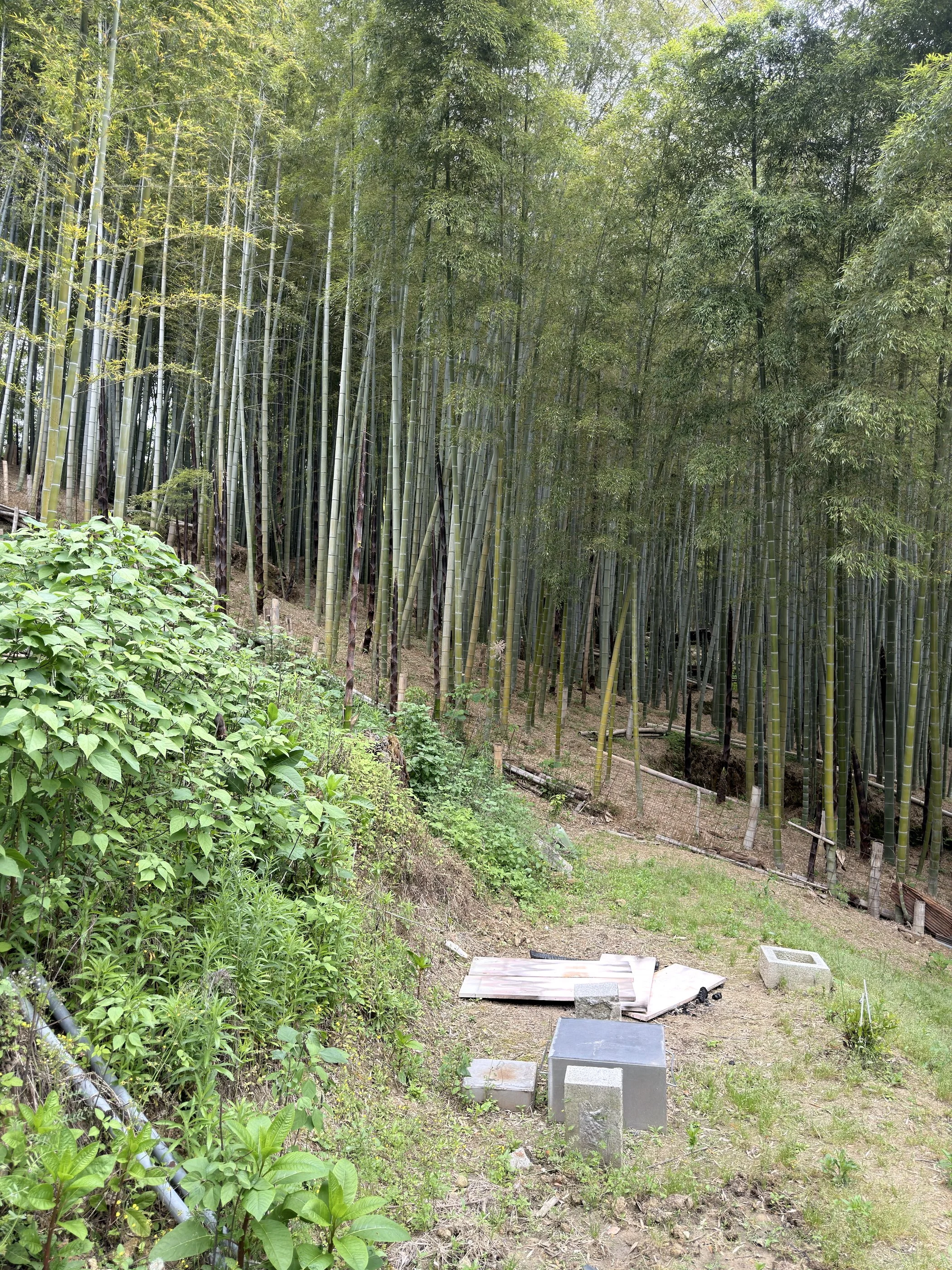
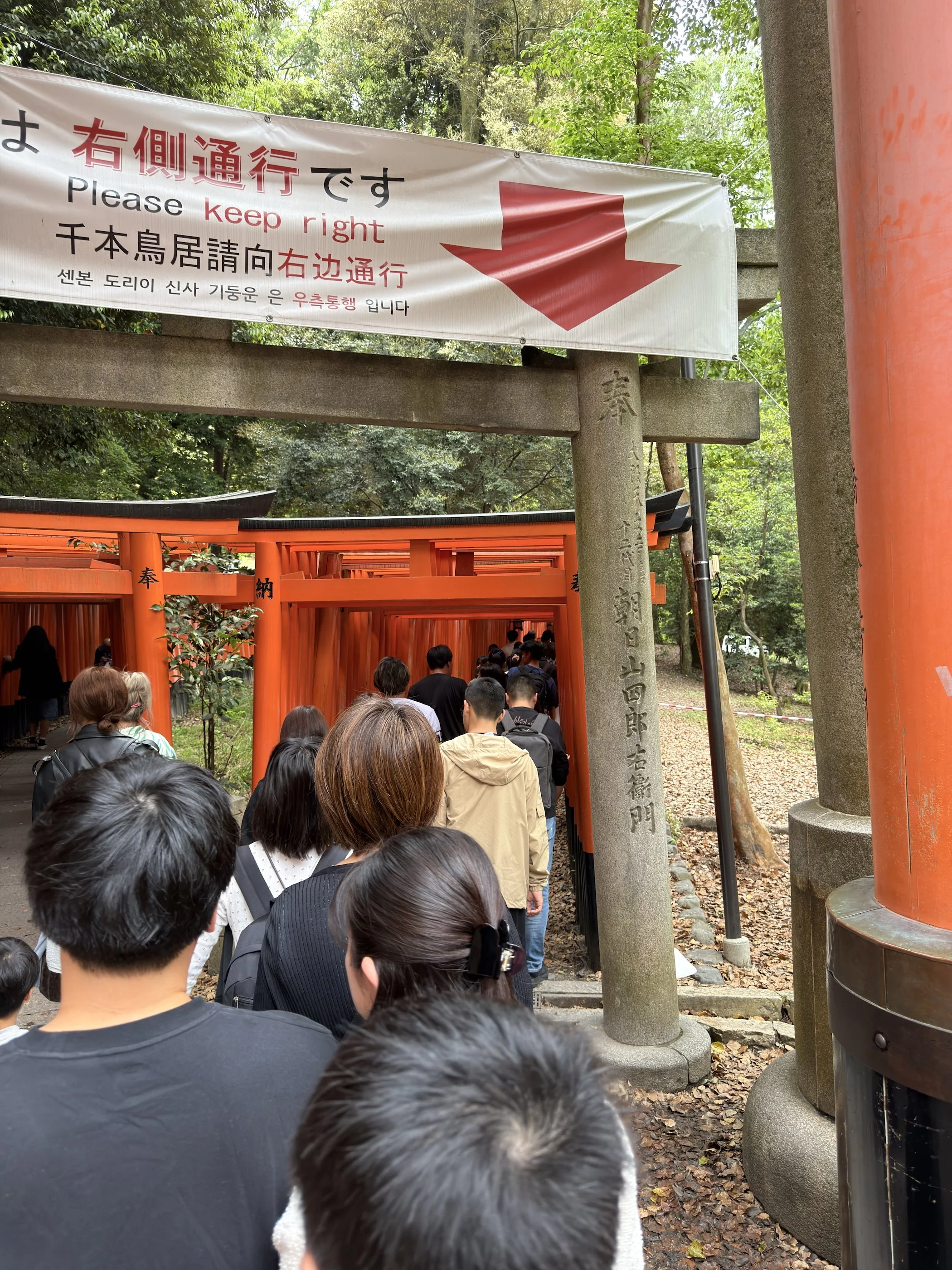
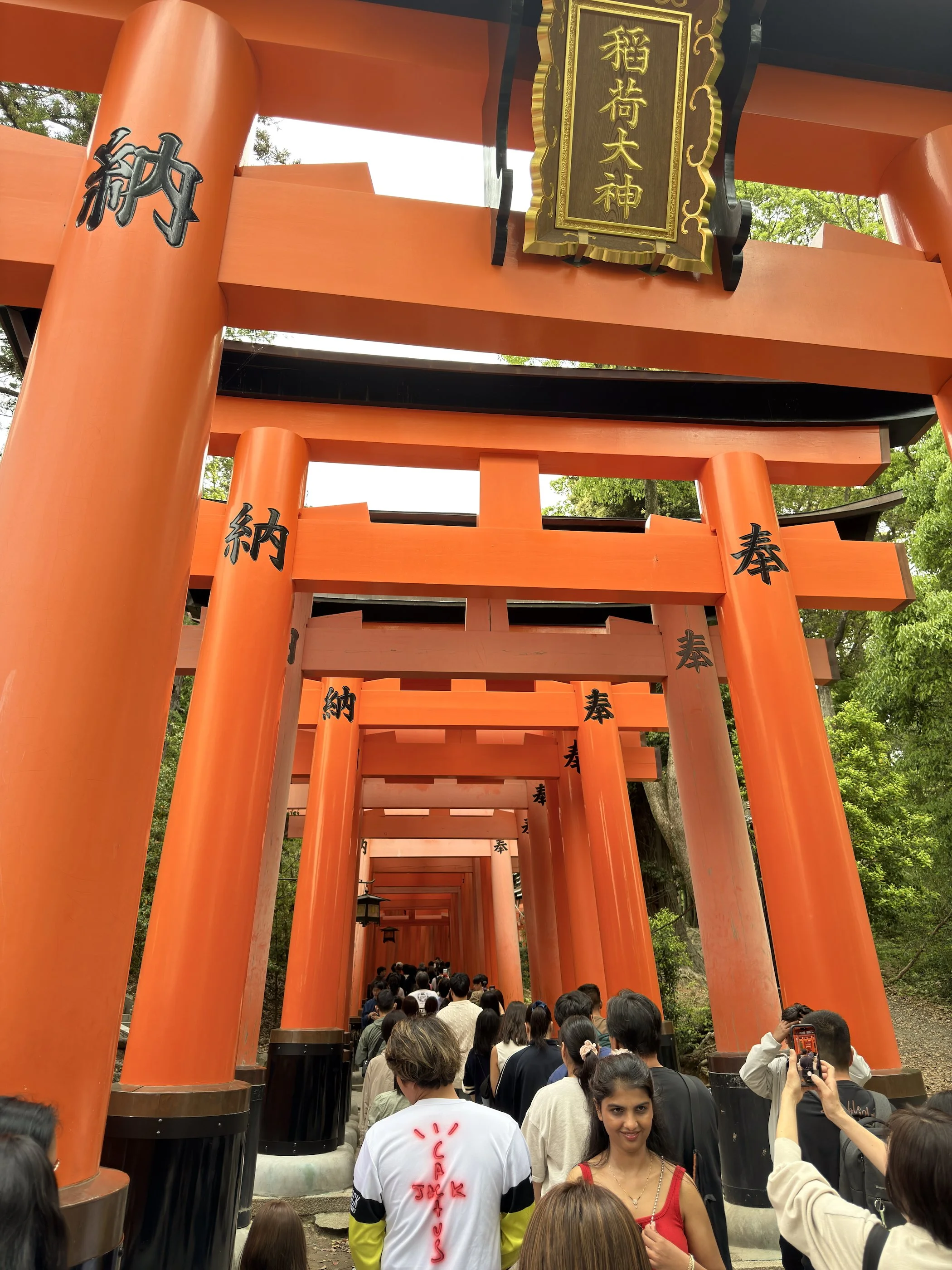
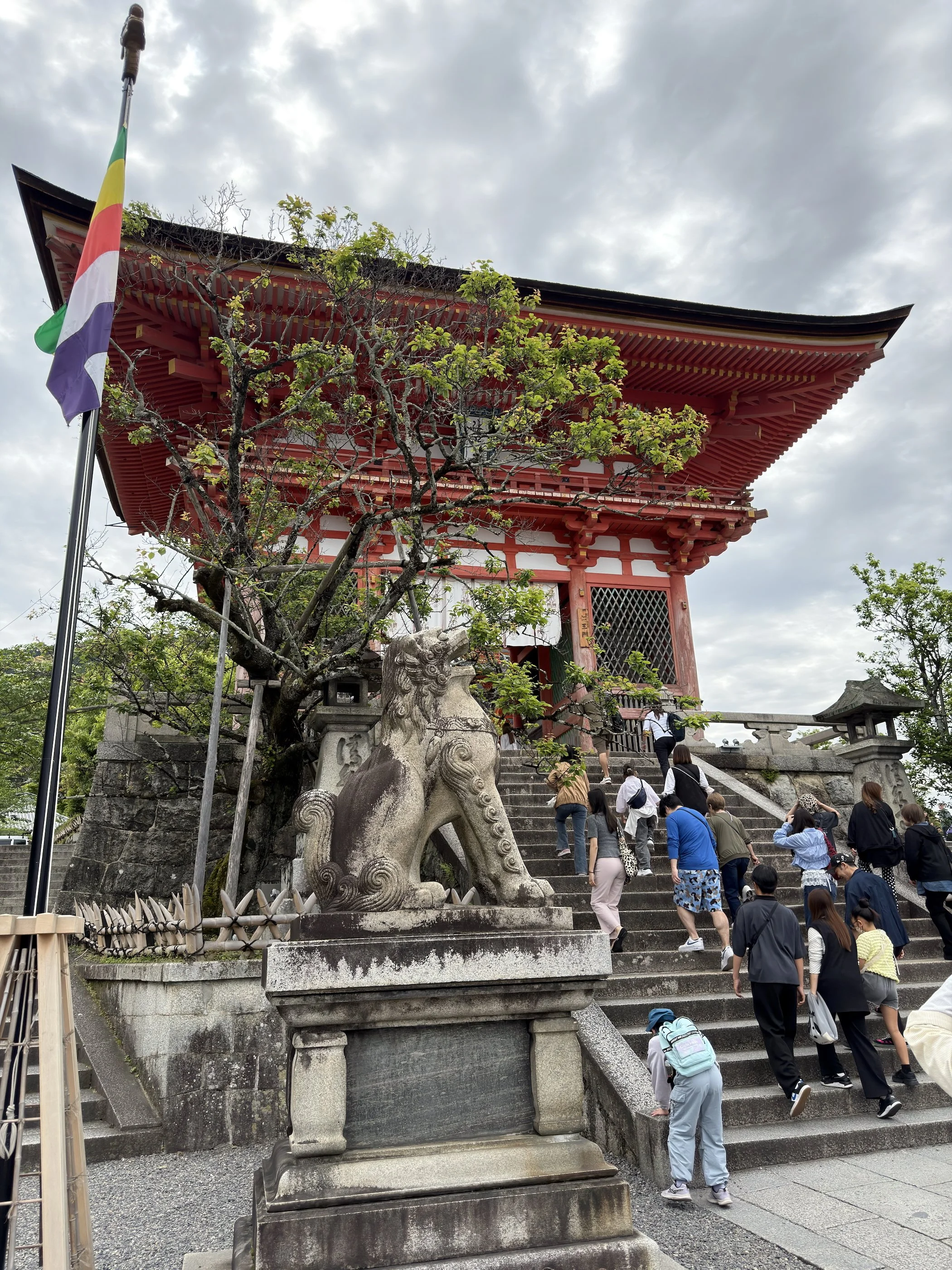
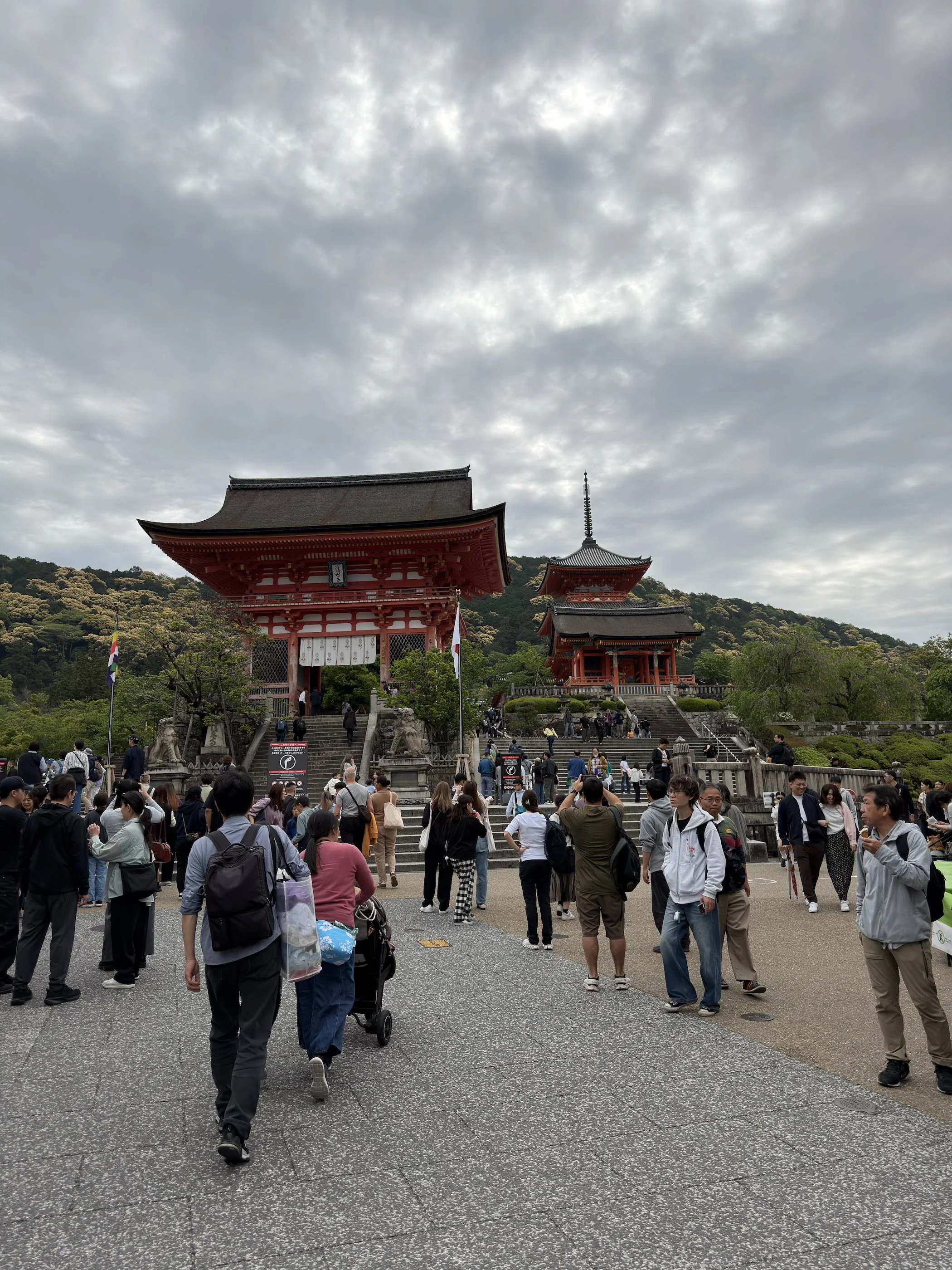
The orange gates were taken at Fushimi Inari, the head Shinto shrine. On that day, their monks were returning to the city from another location, and there was a procession of them in open-air trucks visible in Kyoto. It was a very busy time at this sight, but that’s where the bamboo forest images also come from. That part is not easily found, and was a nice reprise from the crowds.
The gates were added over time. It can take over an hour to walk through them all. A bit claustrophobic during Golden Week, to be honest.
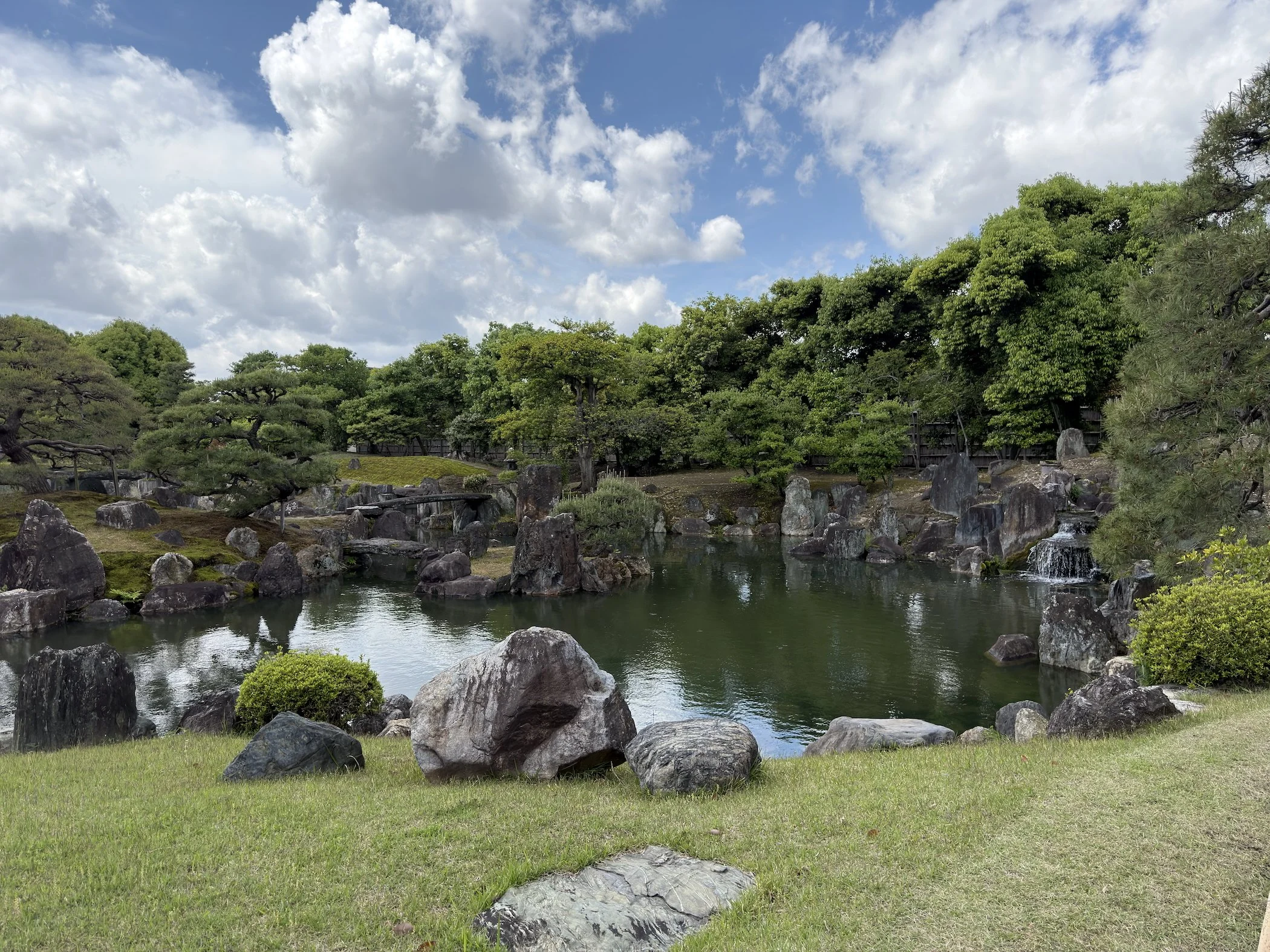
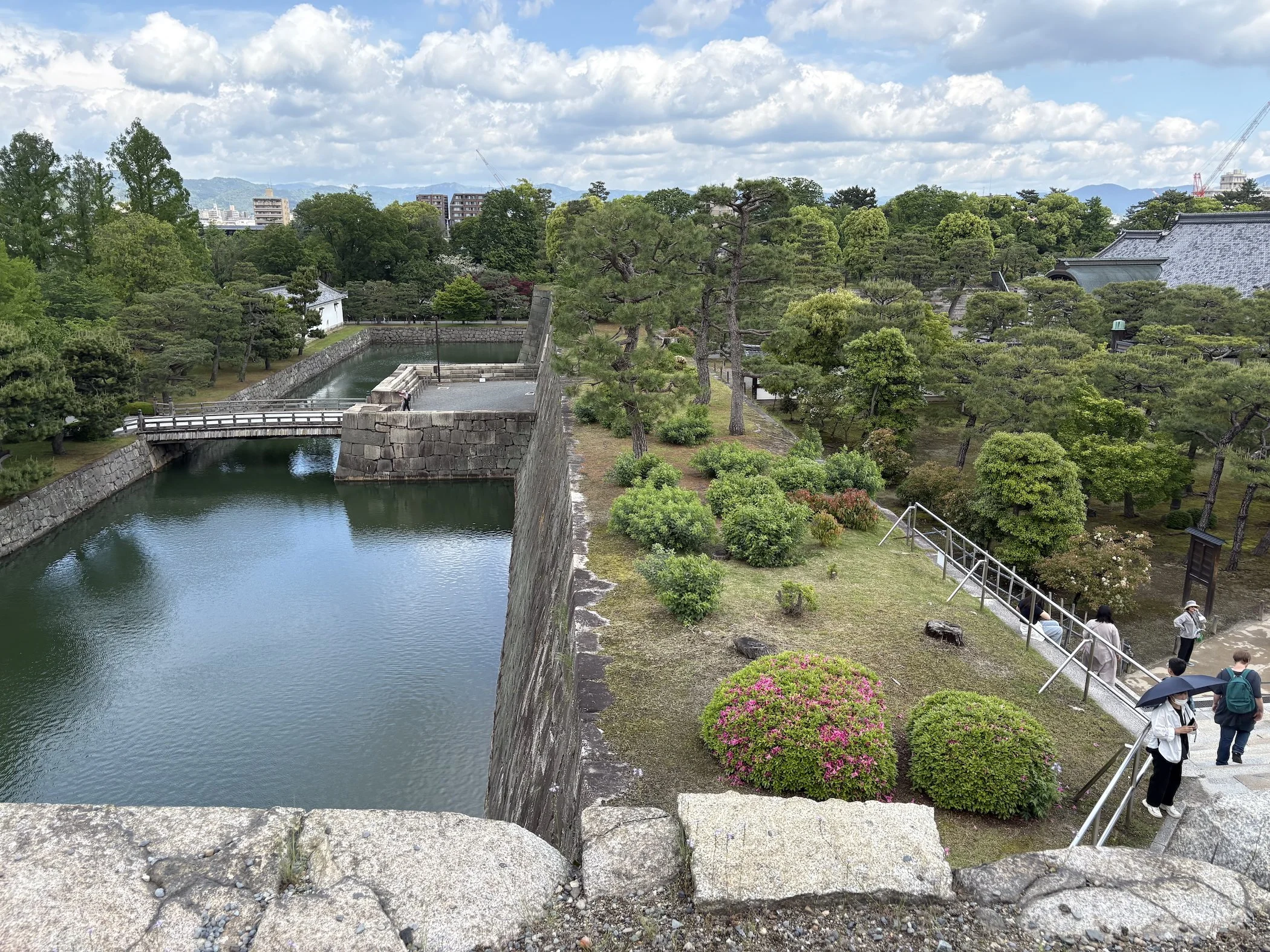
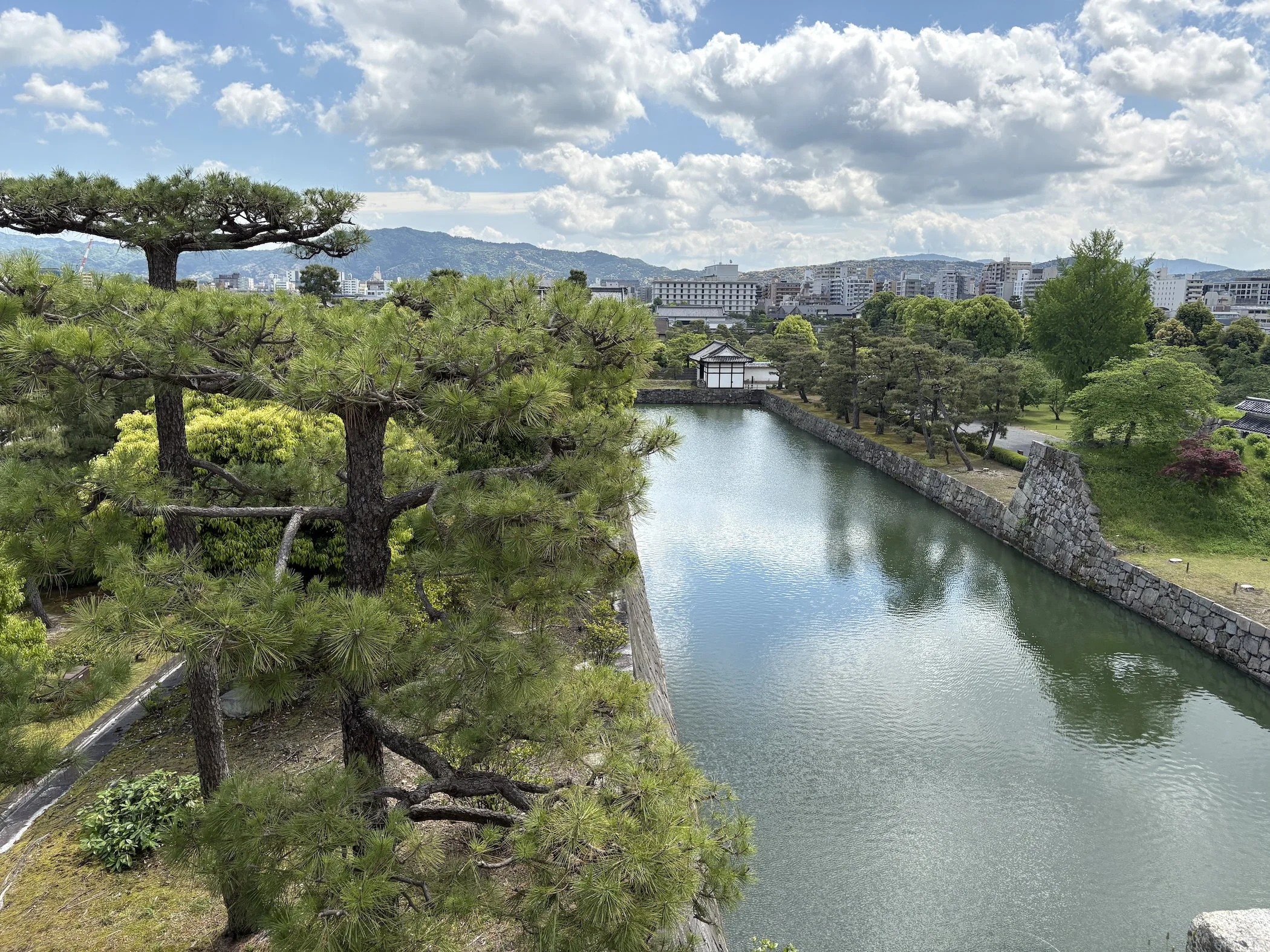
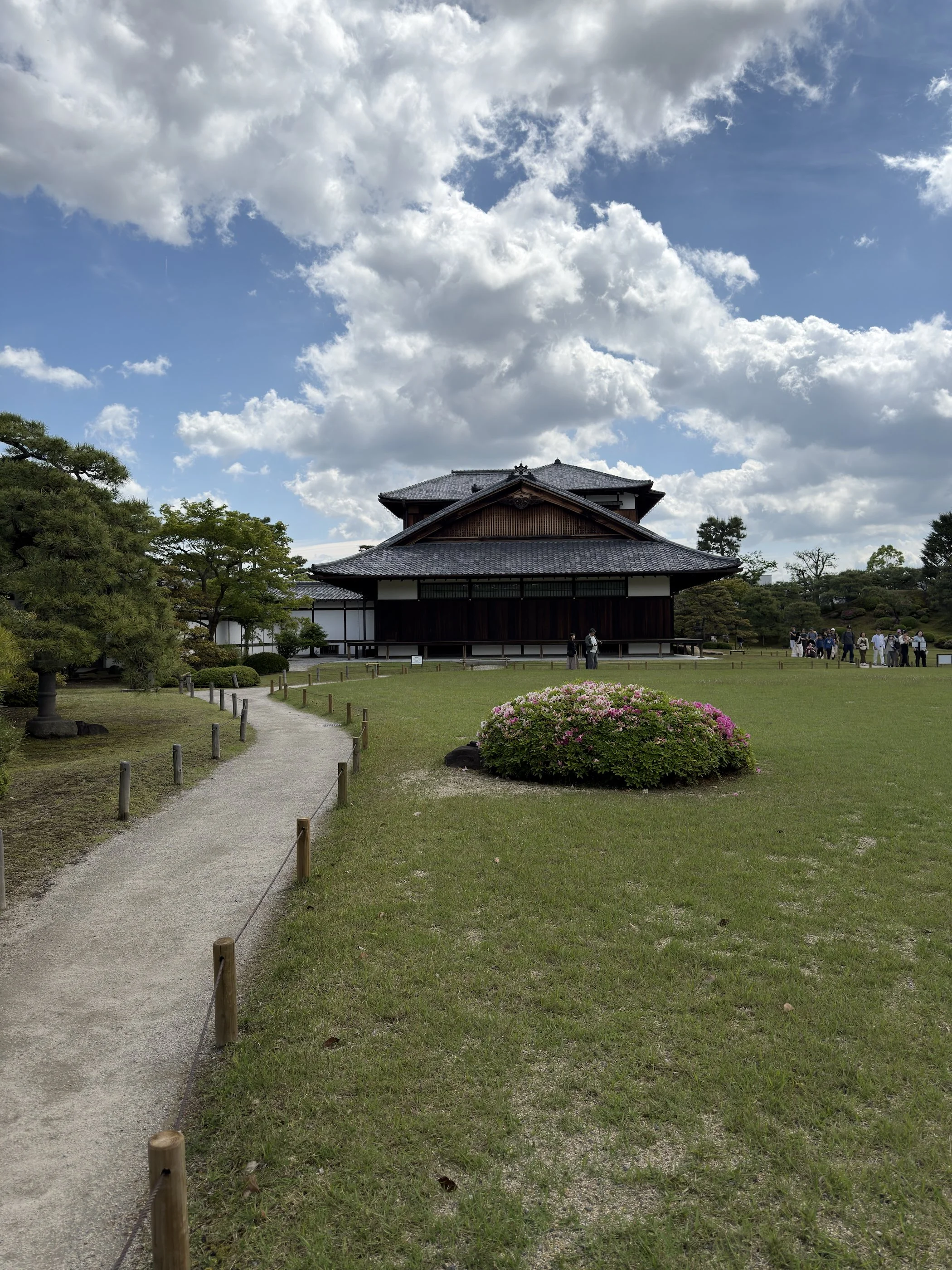
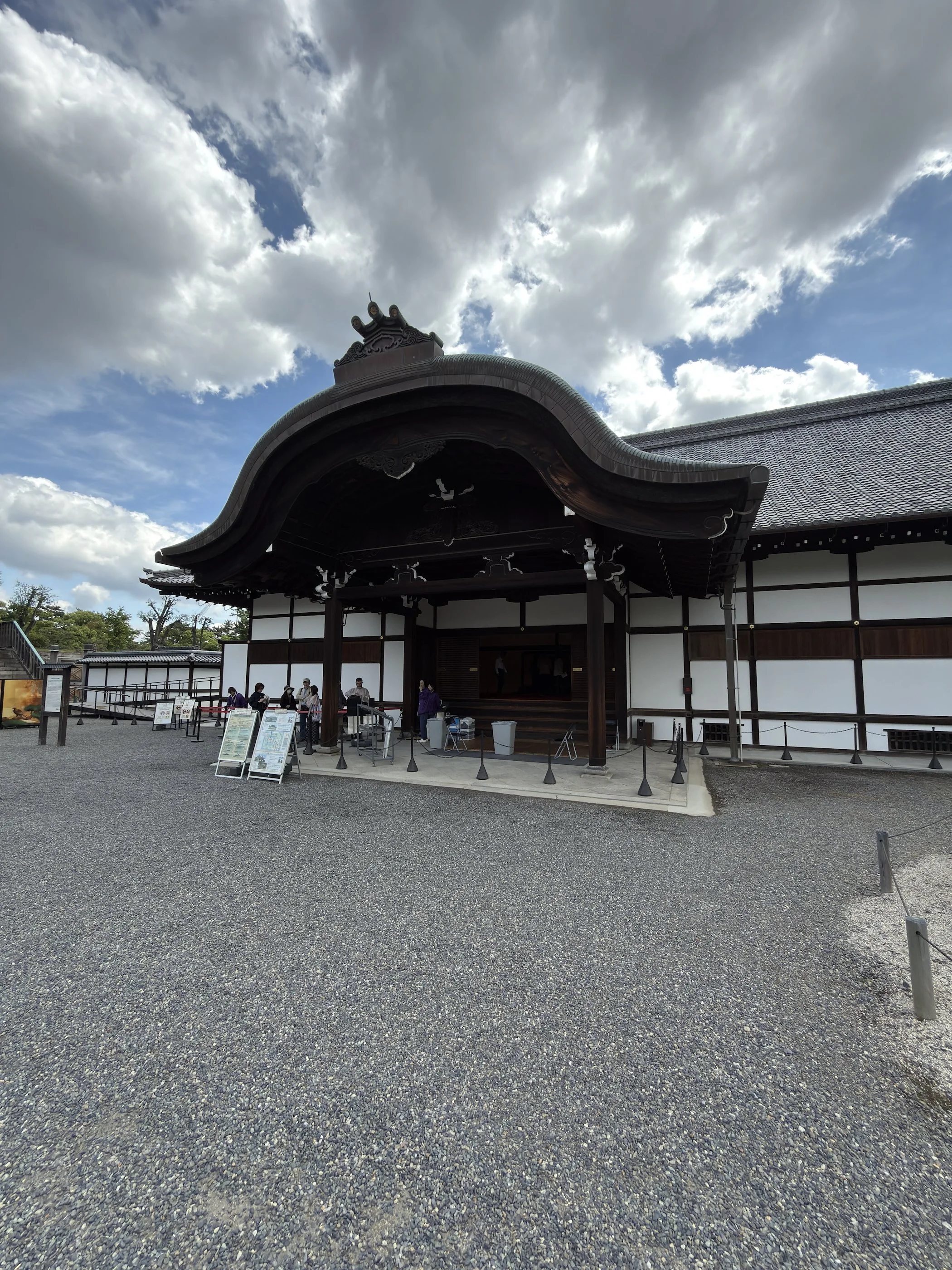
We also visited Nijo Castle, adjacent to our hotel, which has famous squeaking floors. The floors make a sound as you walk upon them, and legend has it that it was to help protect from invading ninjas, although the official reason says these floor sounds are just an unfortunate by-product on how they were constructed in the 1600s. The grounds give you plenty of space to walk with gardens and additional buildings.
View from the castle grounds.
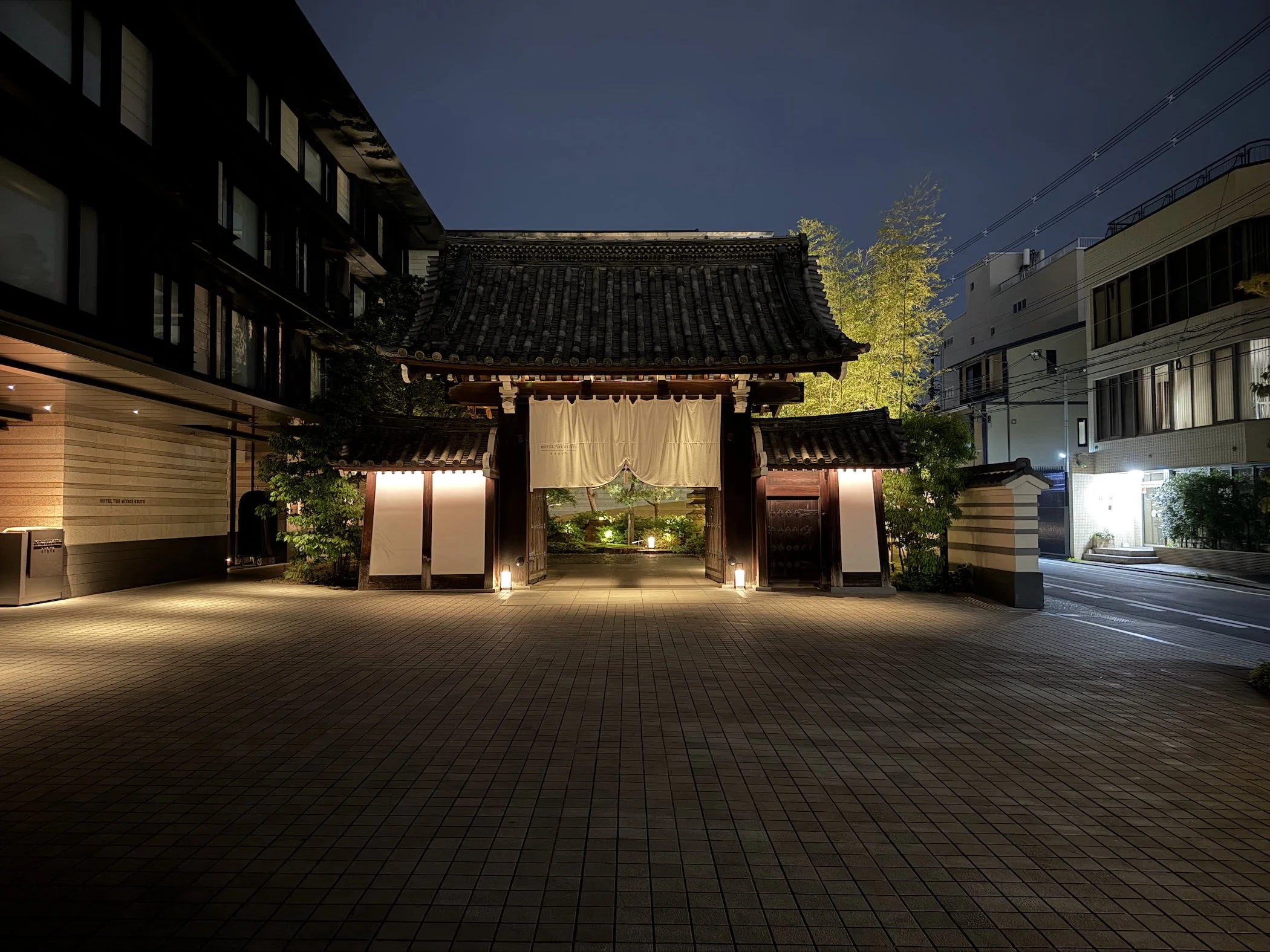
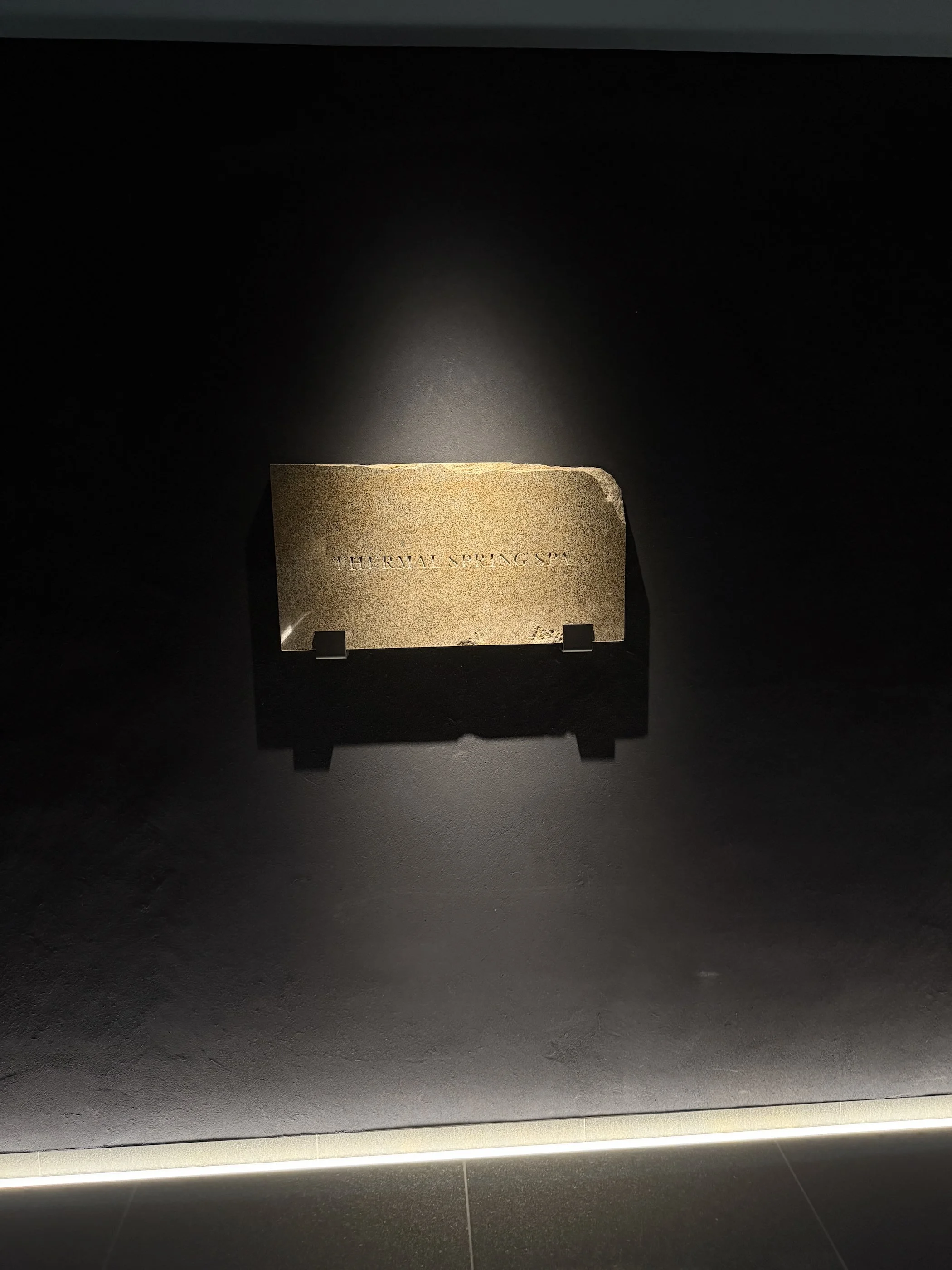
In all, Kyoto helped me relax a bit with the presence of a mixed-gender onsen experience at our hotel, The Mitsui. The natural spring, some 1000 meters under the hotel, provides healing warm waters. The hotel is on the site of a former sake distillery. It was a convenient excuse each day to visit and to just relax and let the waters calm sore calves and feet.
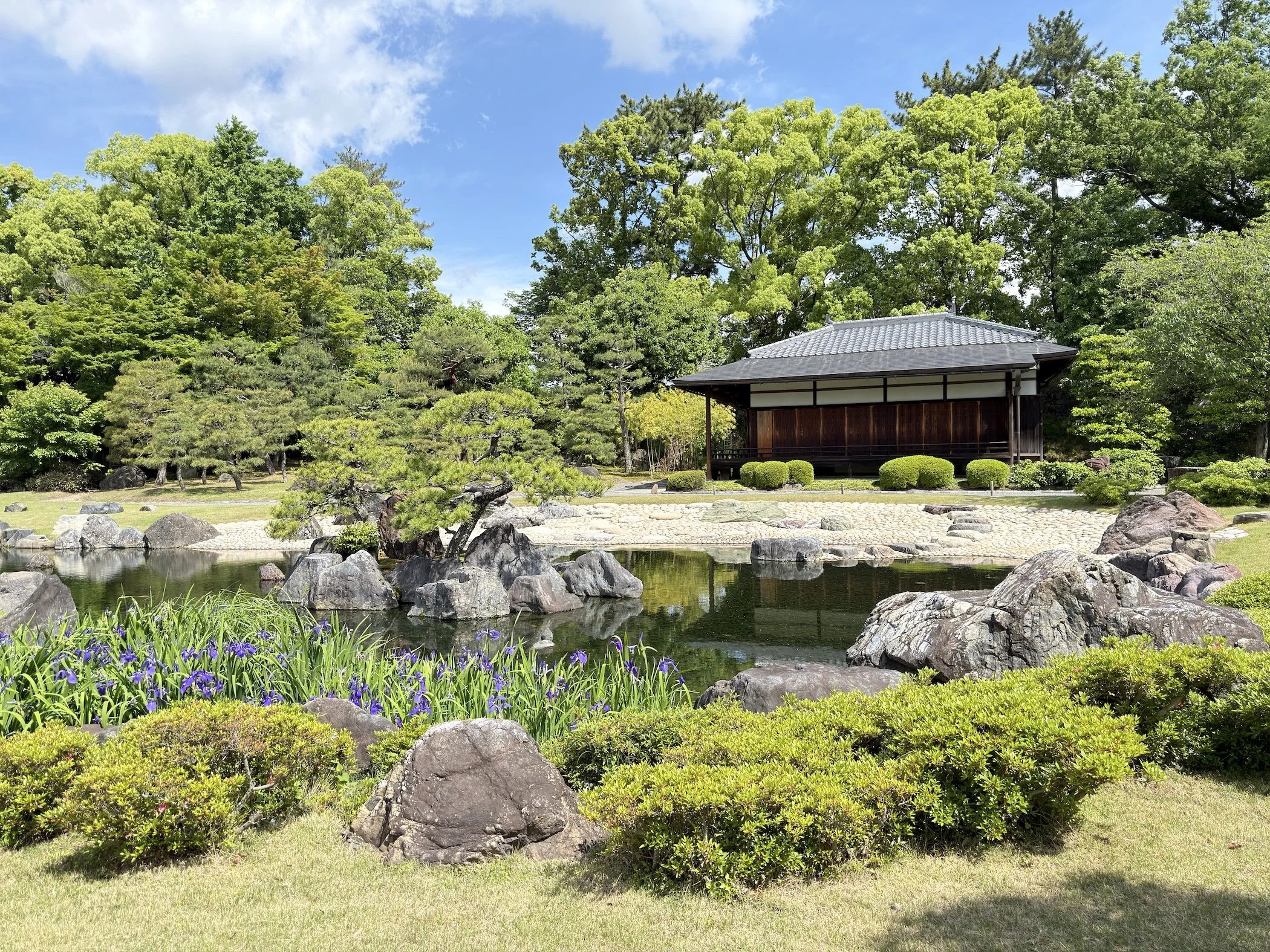
Garden and teahouse.
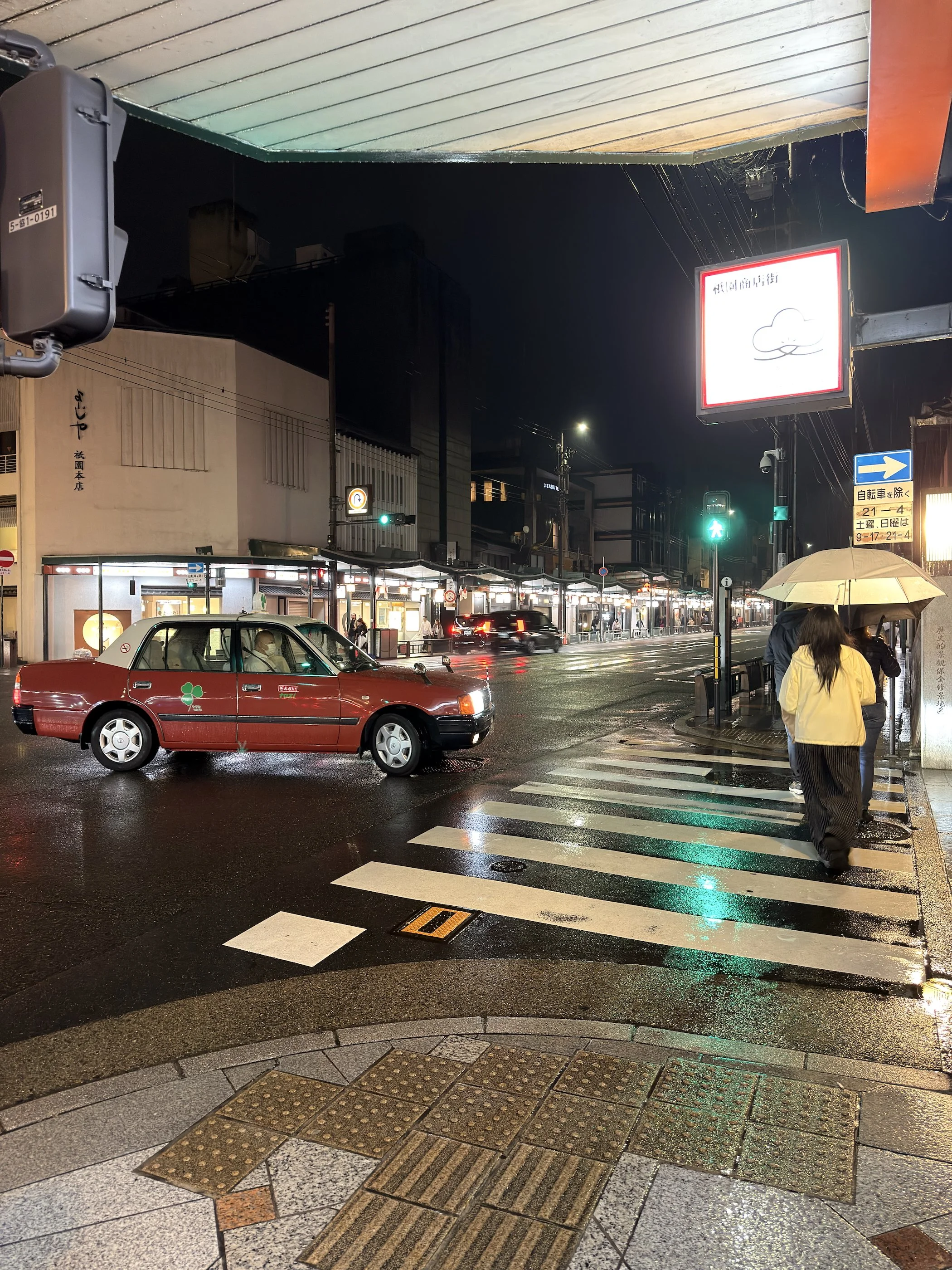
Gion district on a rainy evening.
Finally, a few more images:
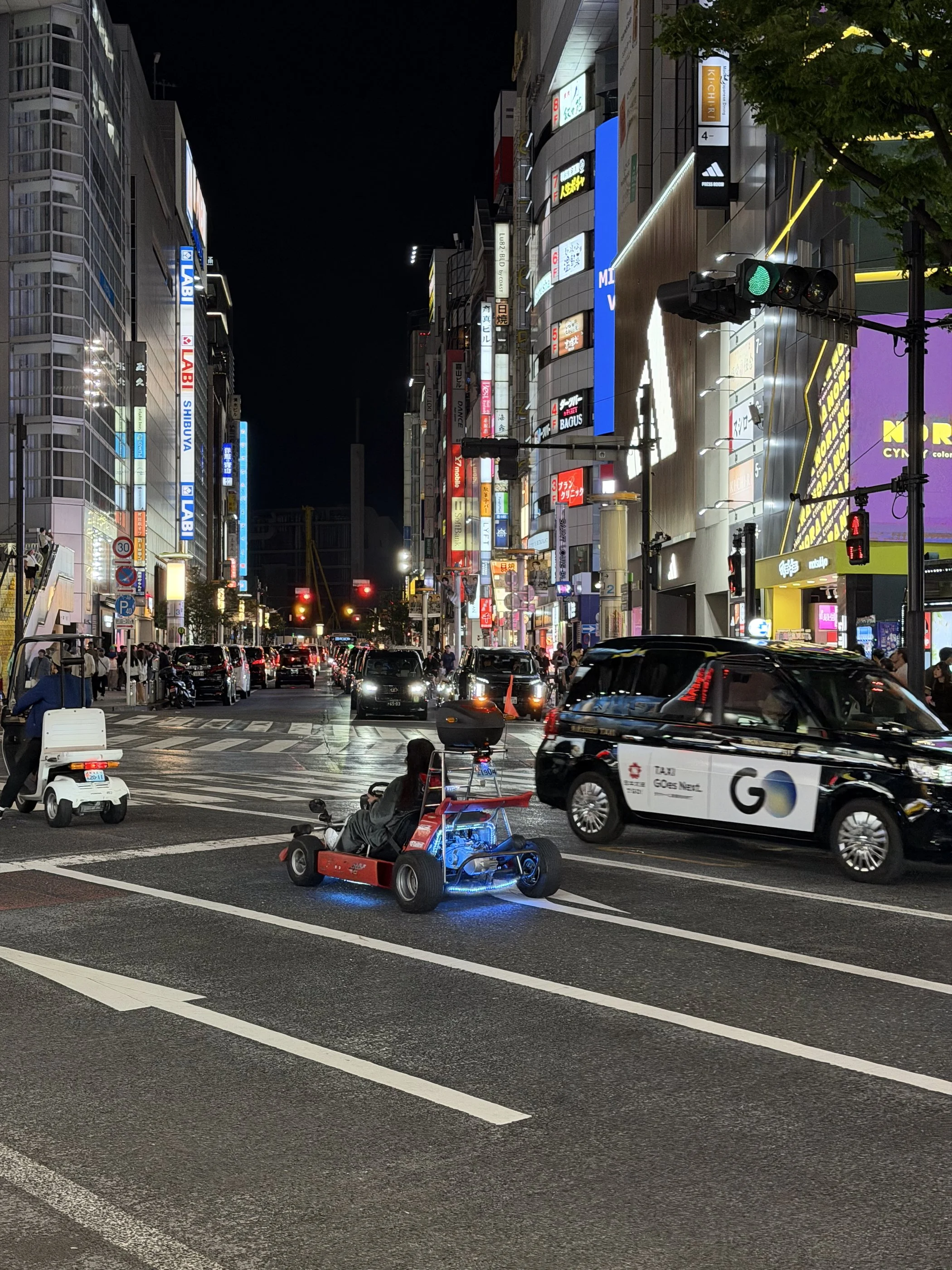
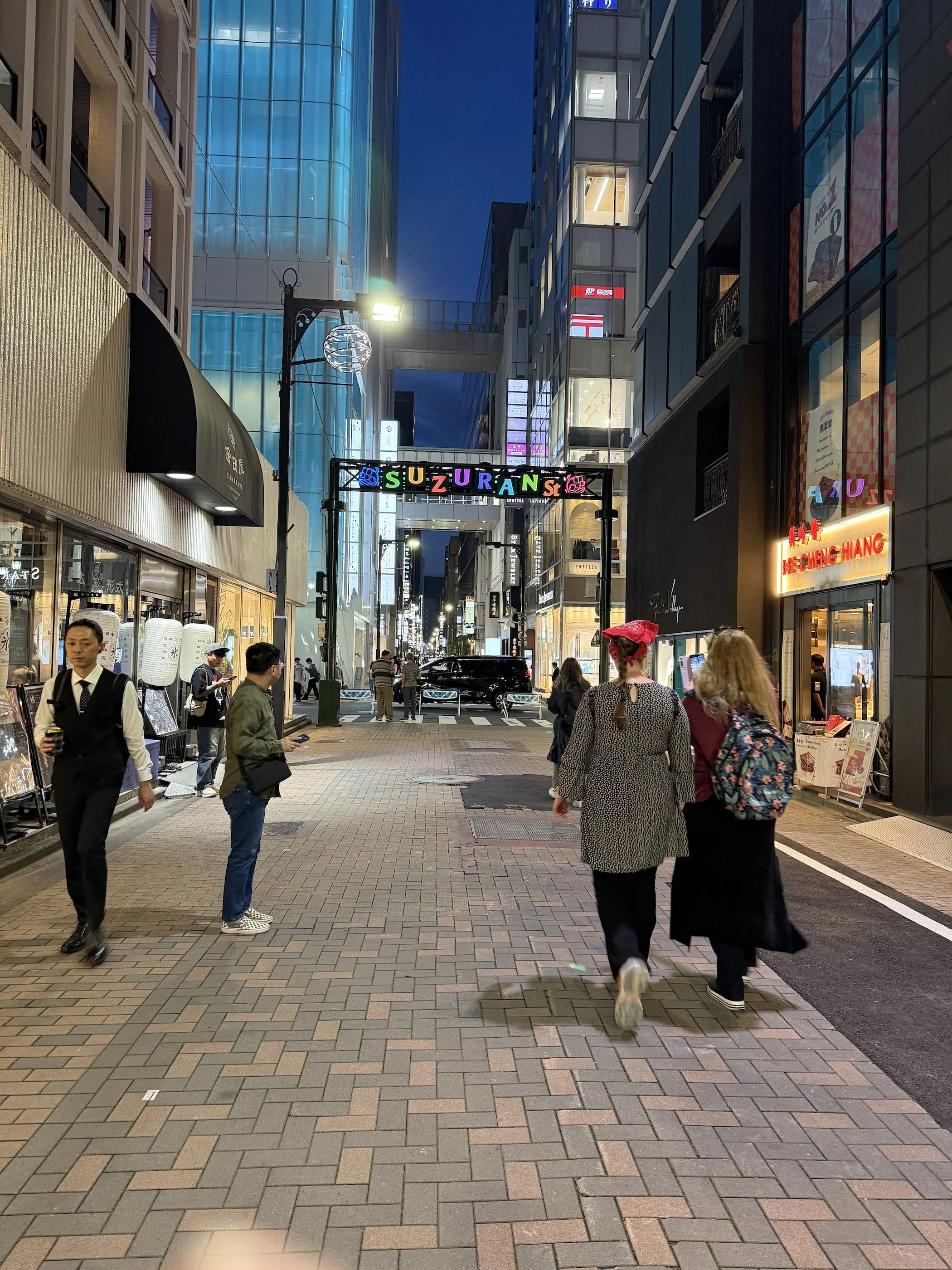
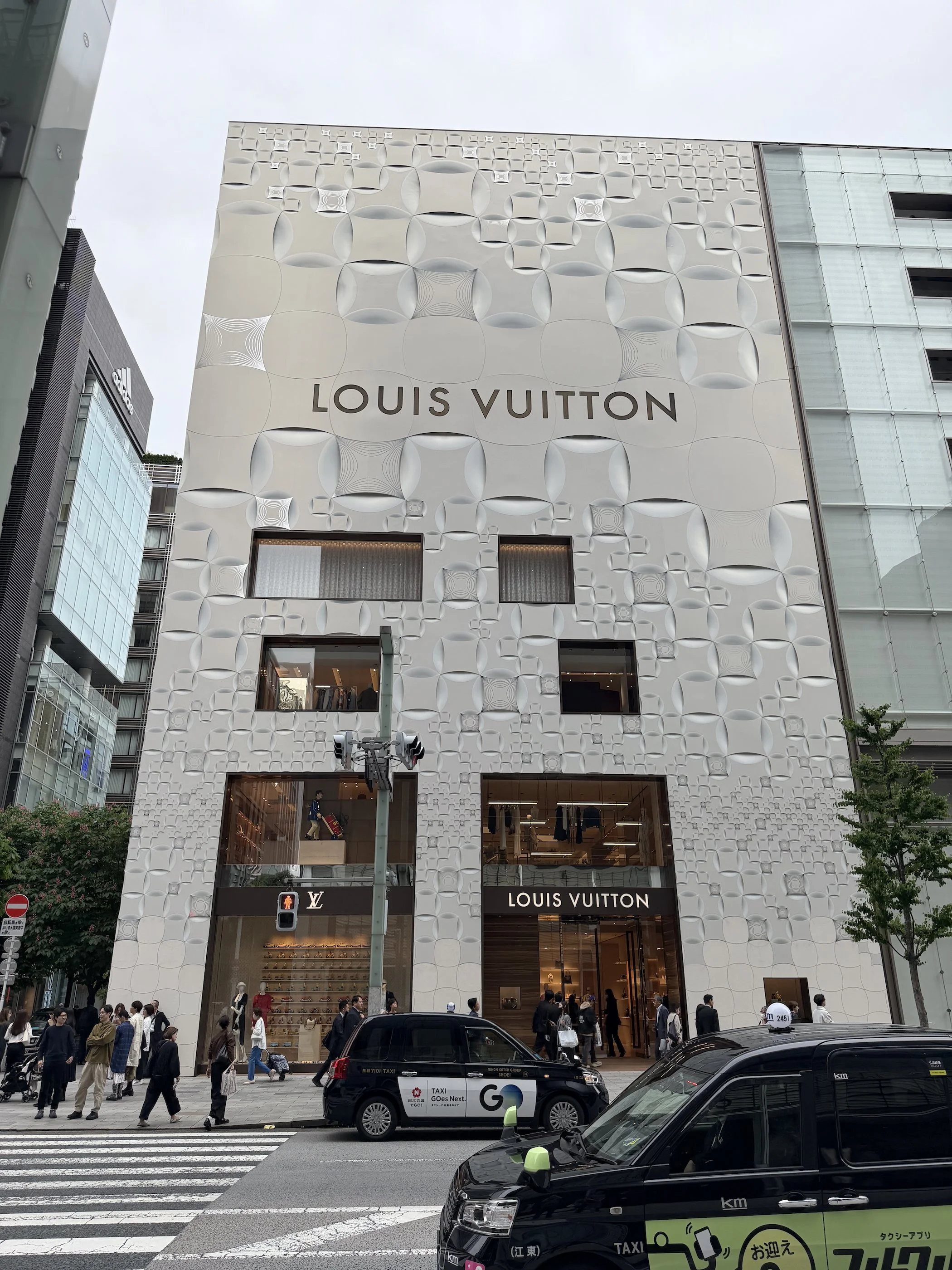
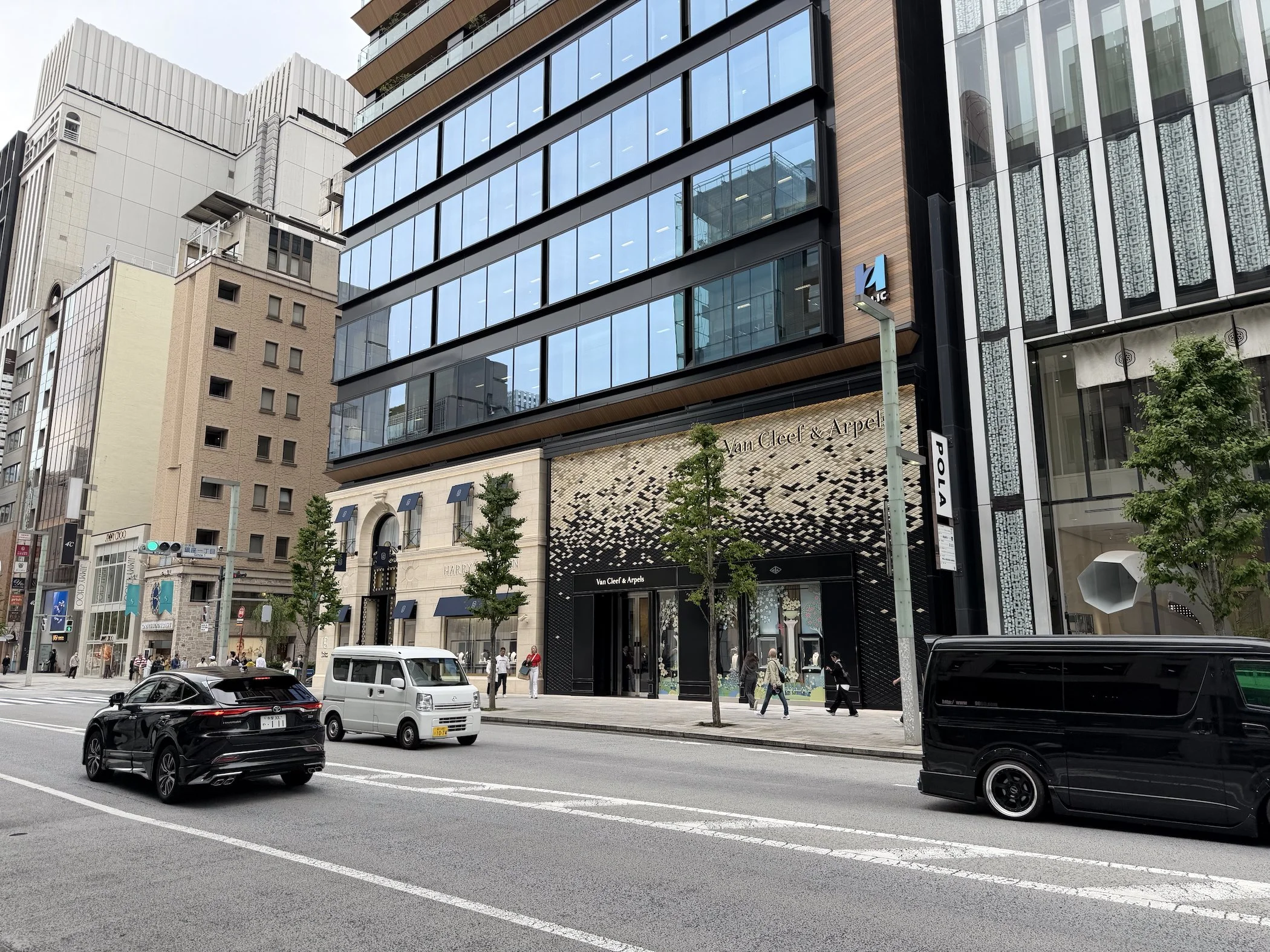
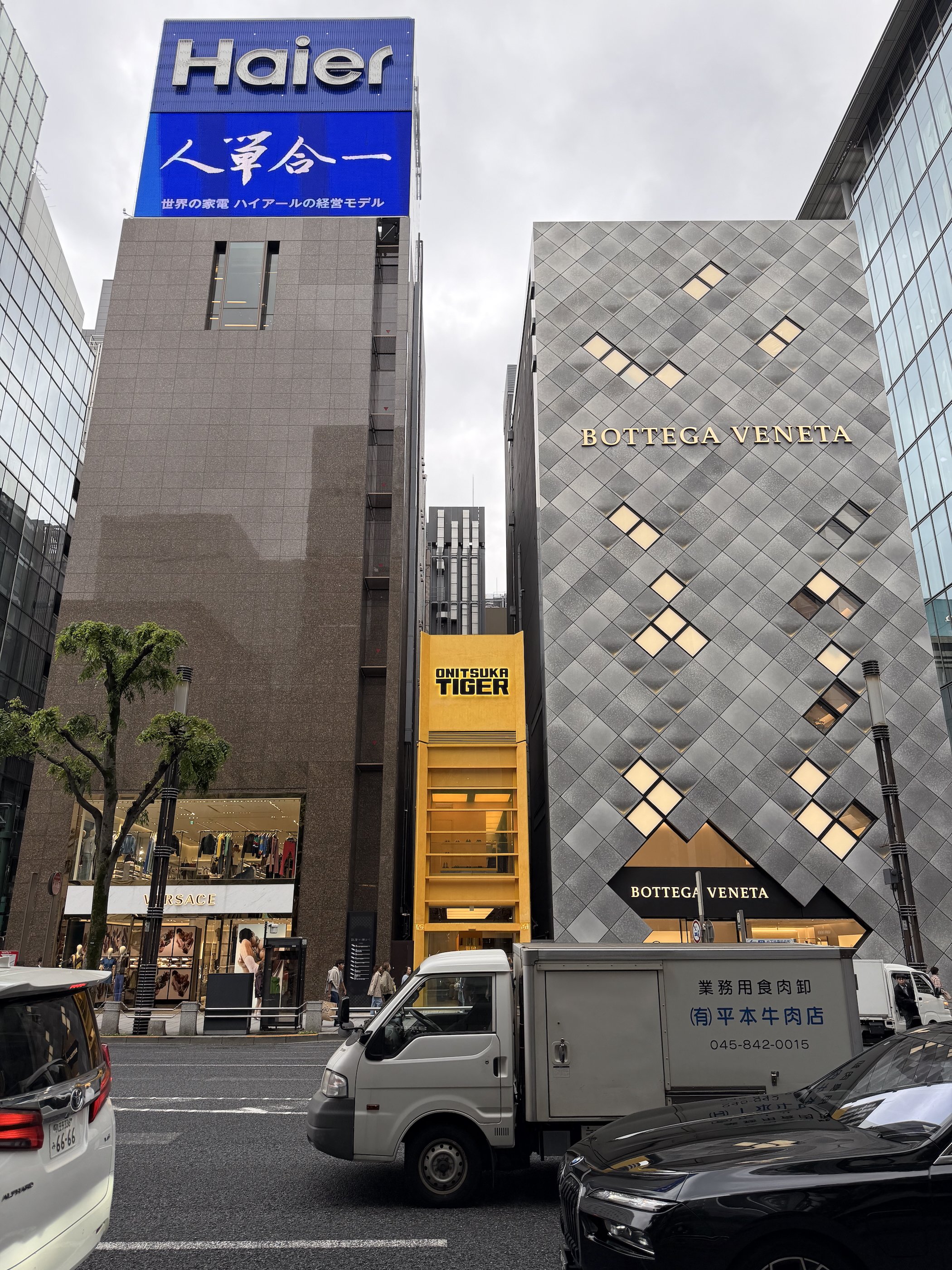
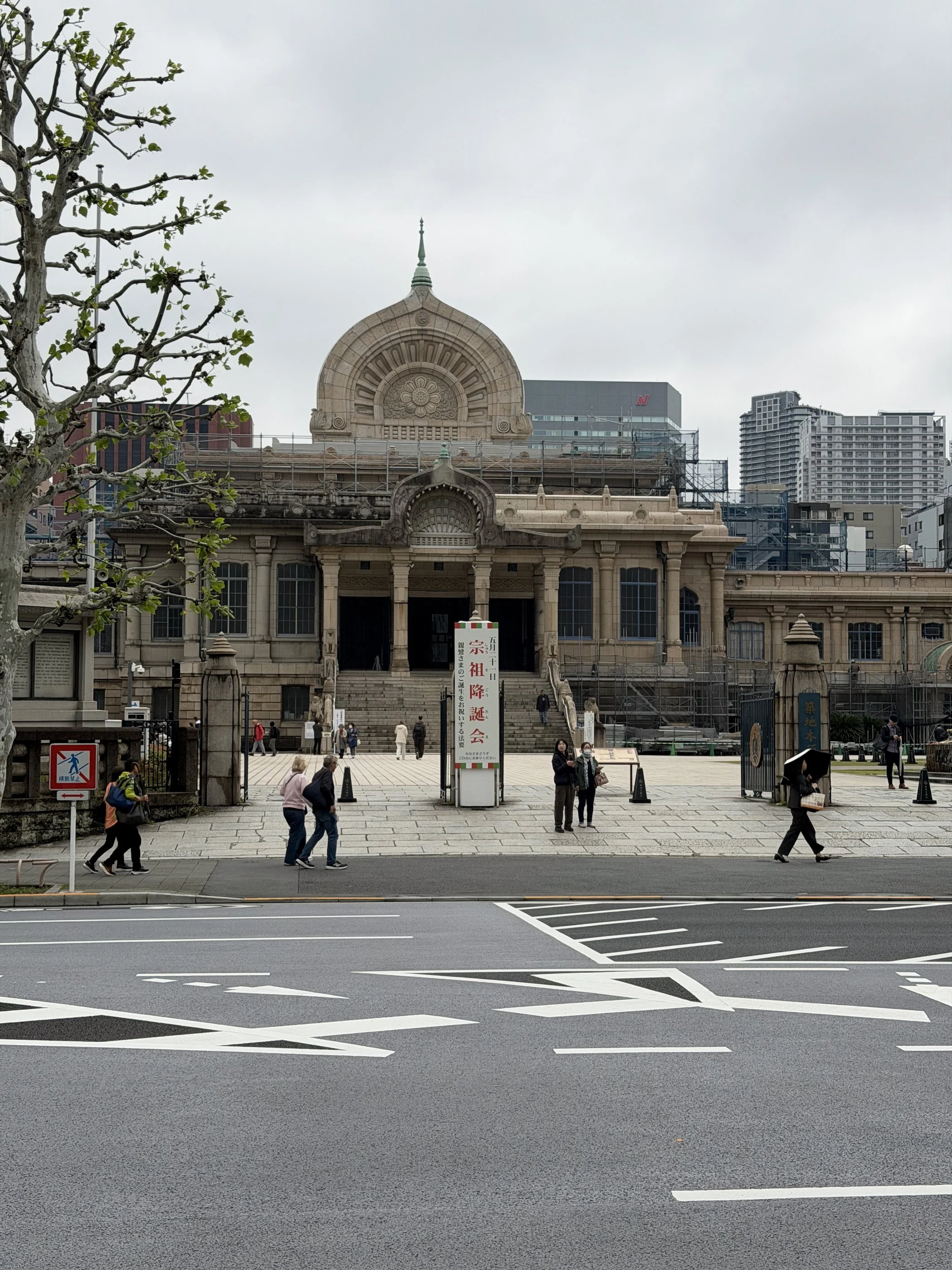
Near the old fish market, Tokyo
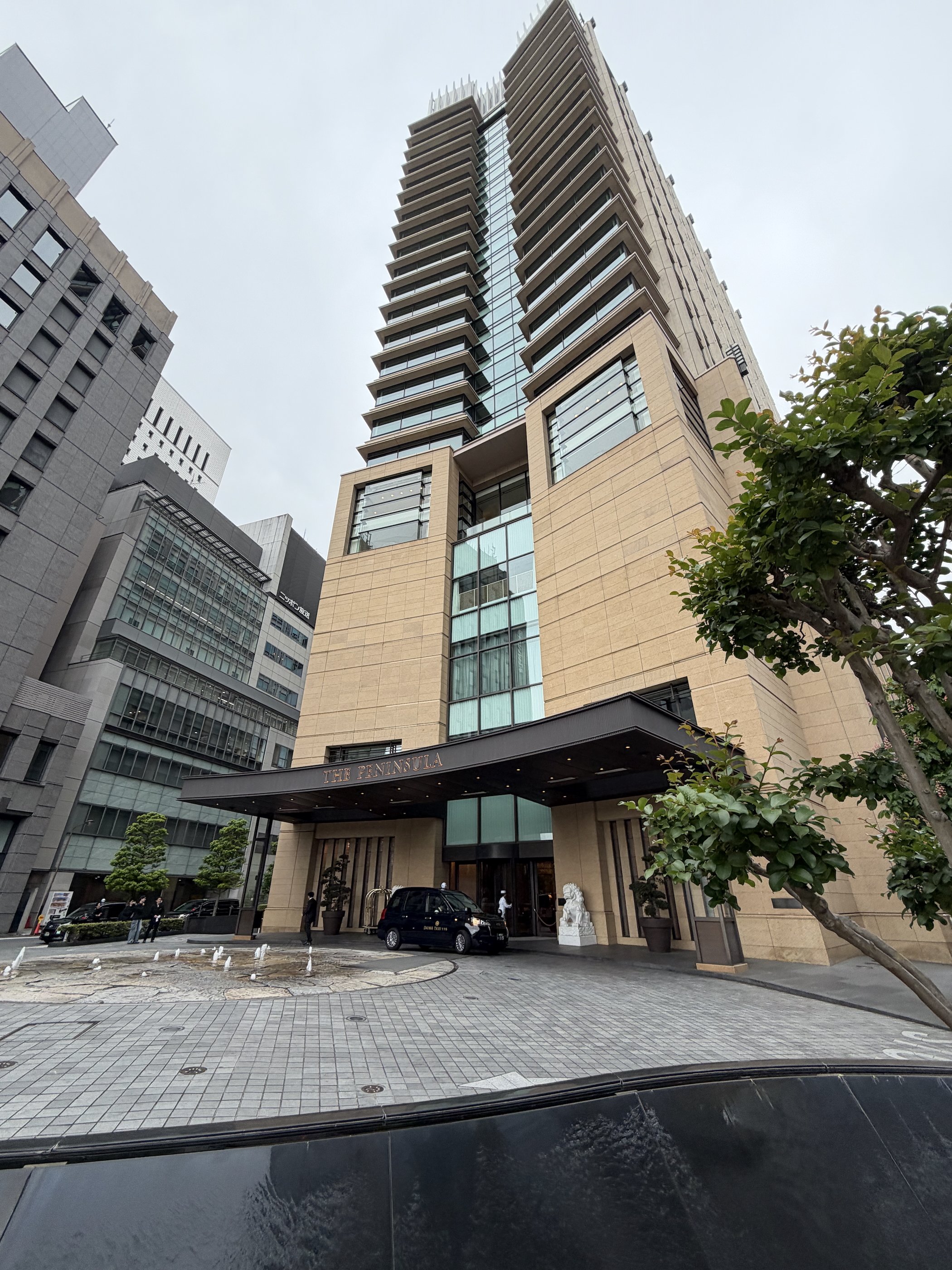
The Peninsula Tokyo
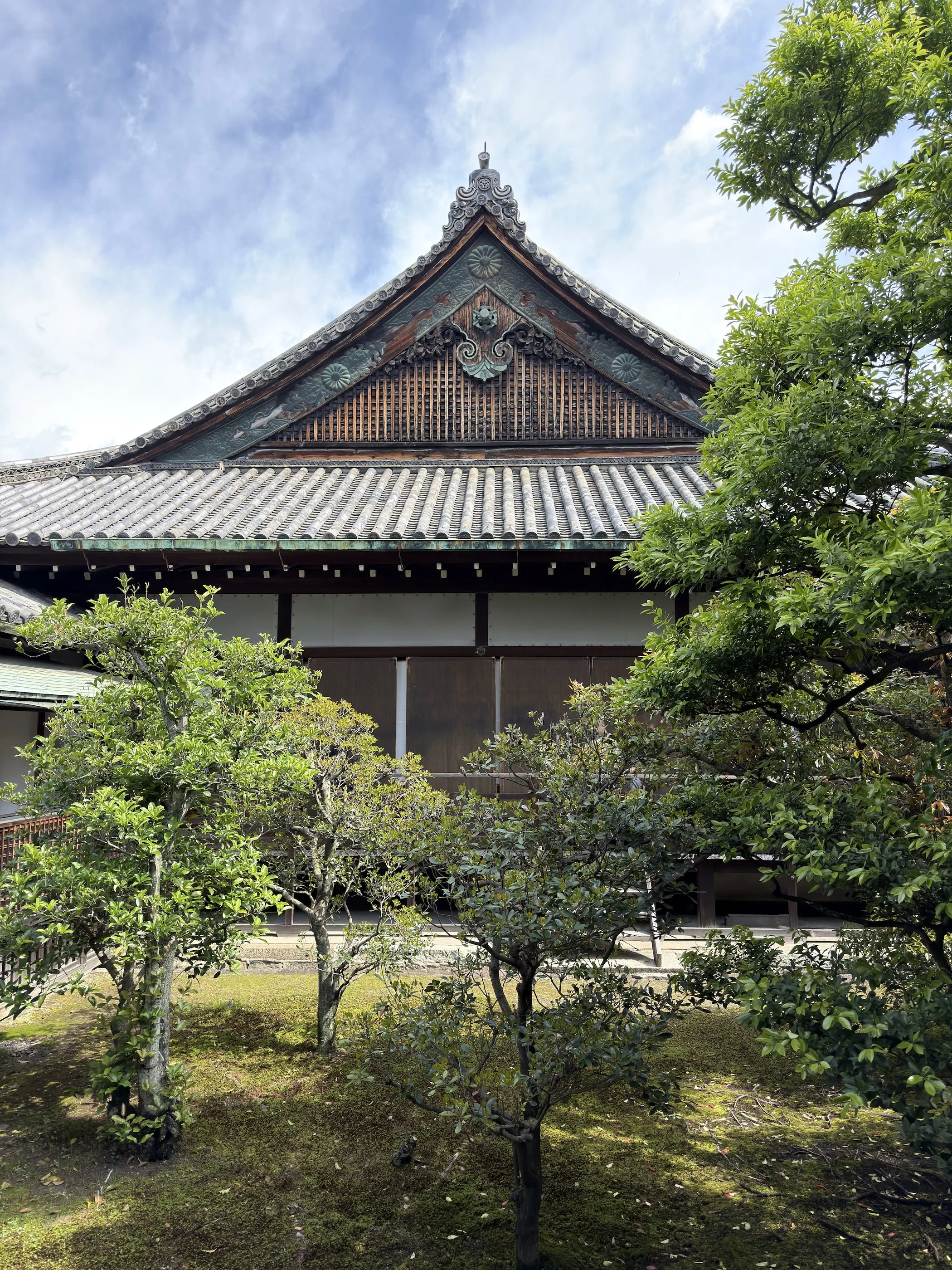
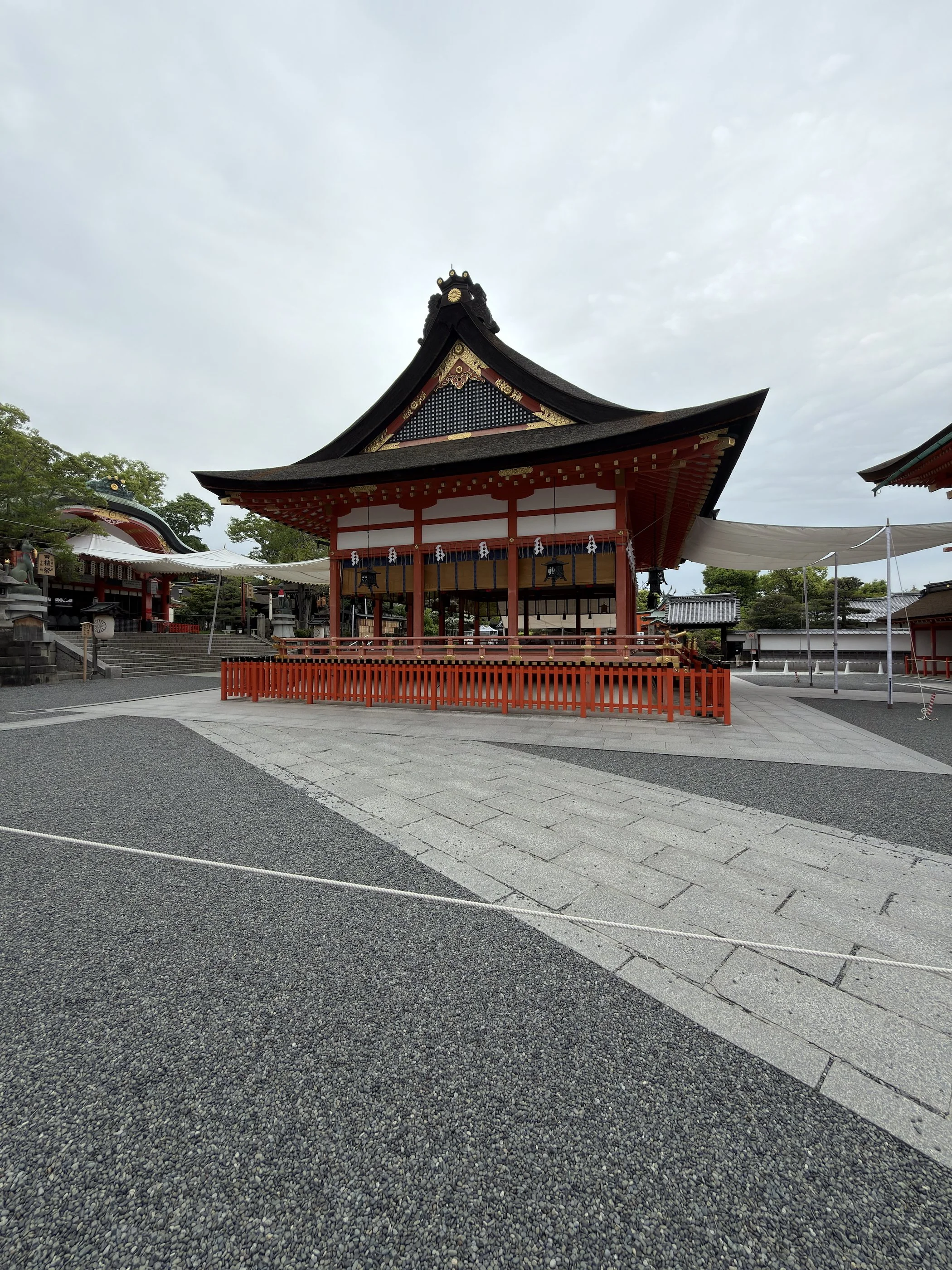
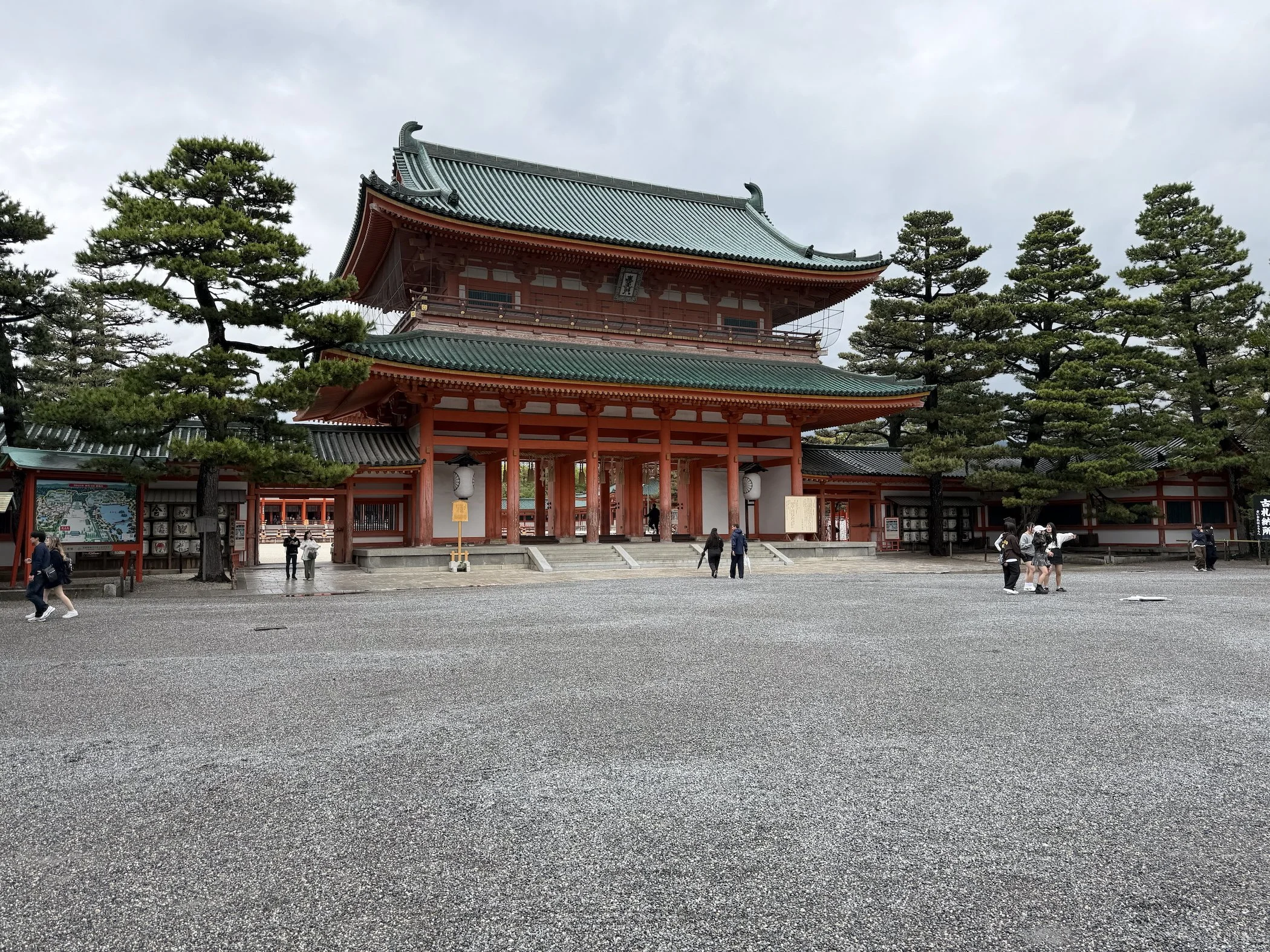
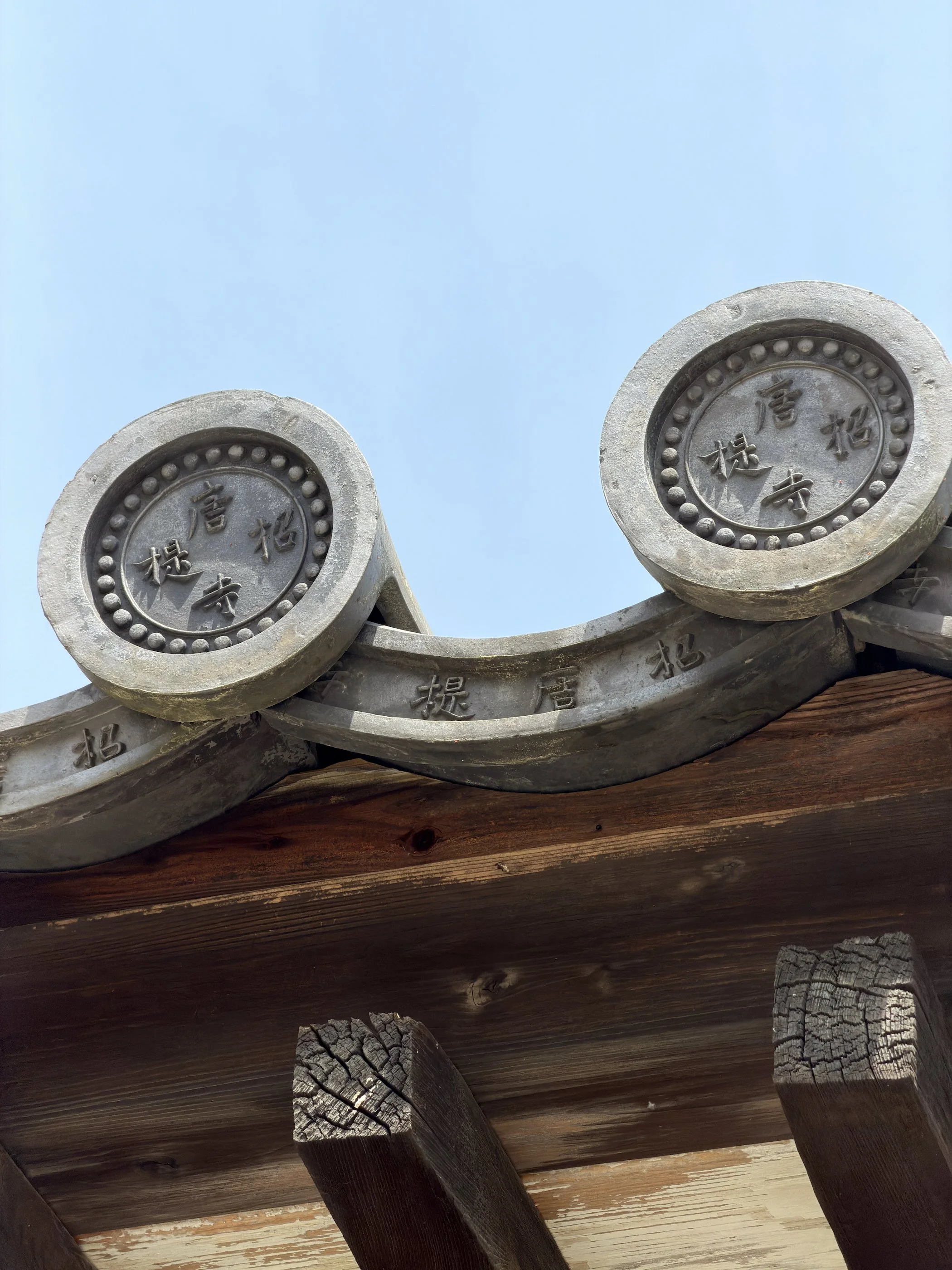
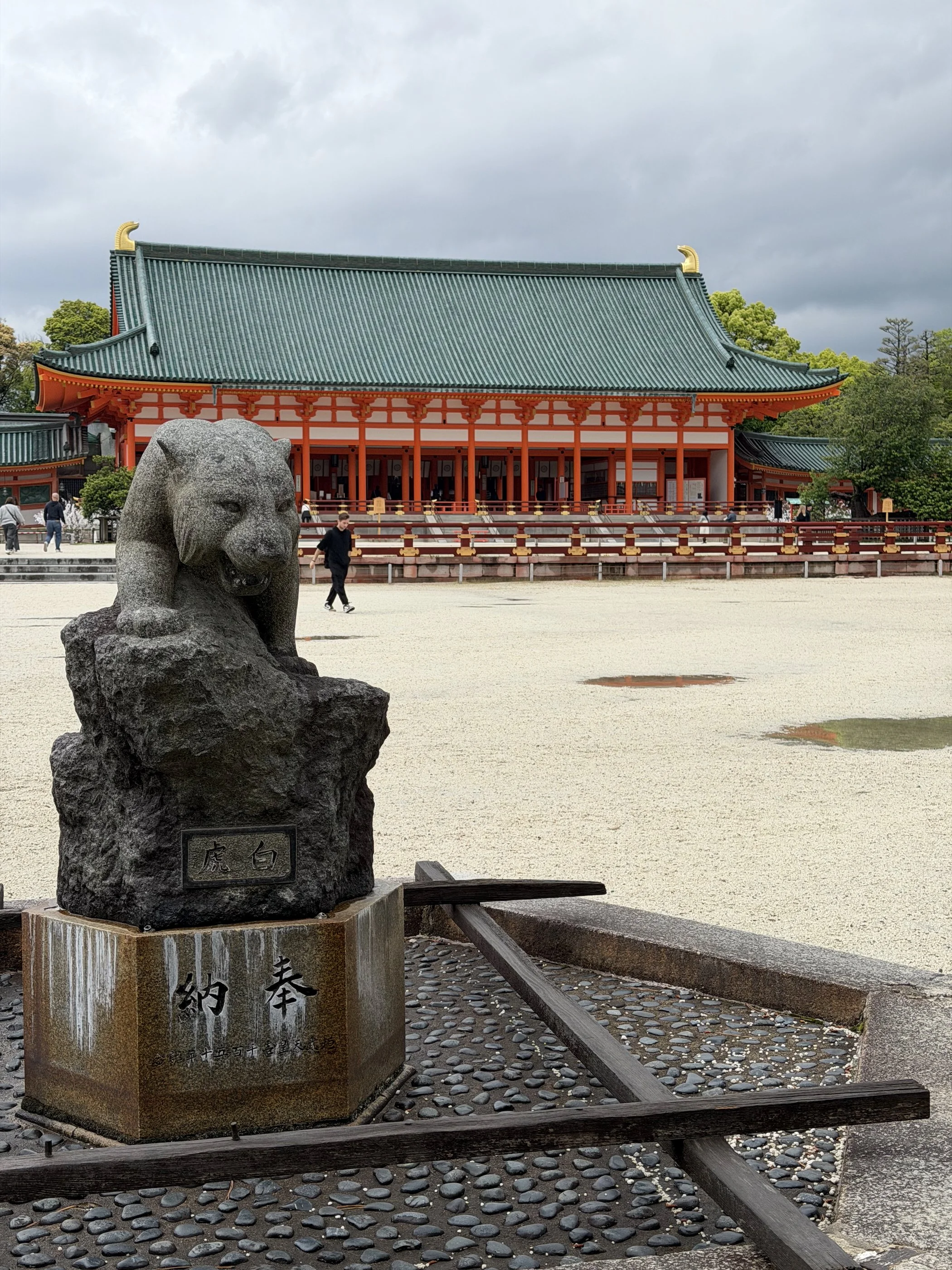
Detail from the roof of a shrine that was designed by a Chinese monk who erected the same building in Yongzhou, China.
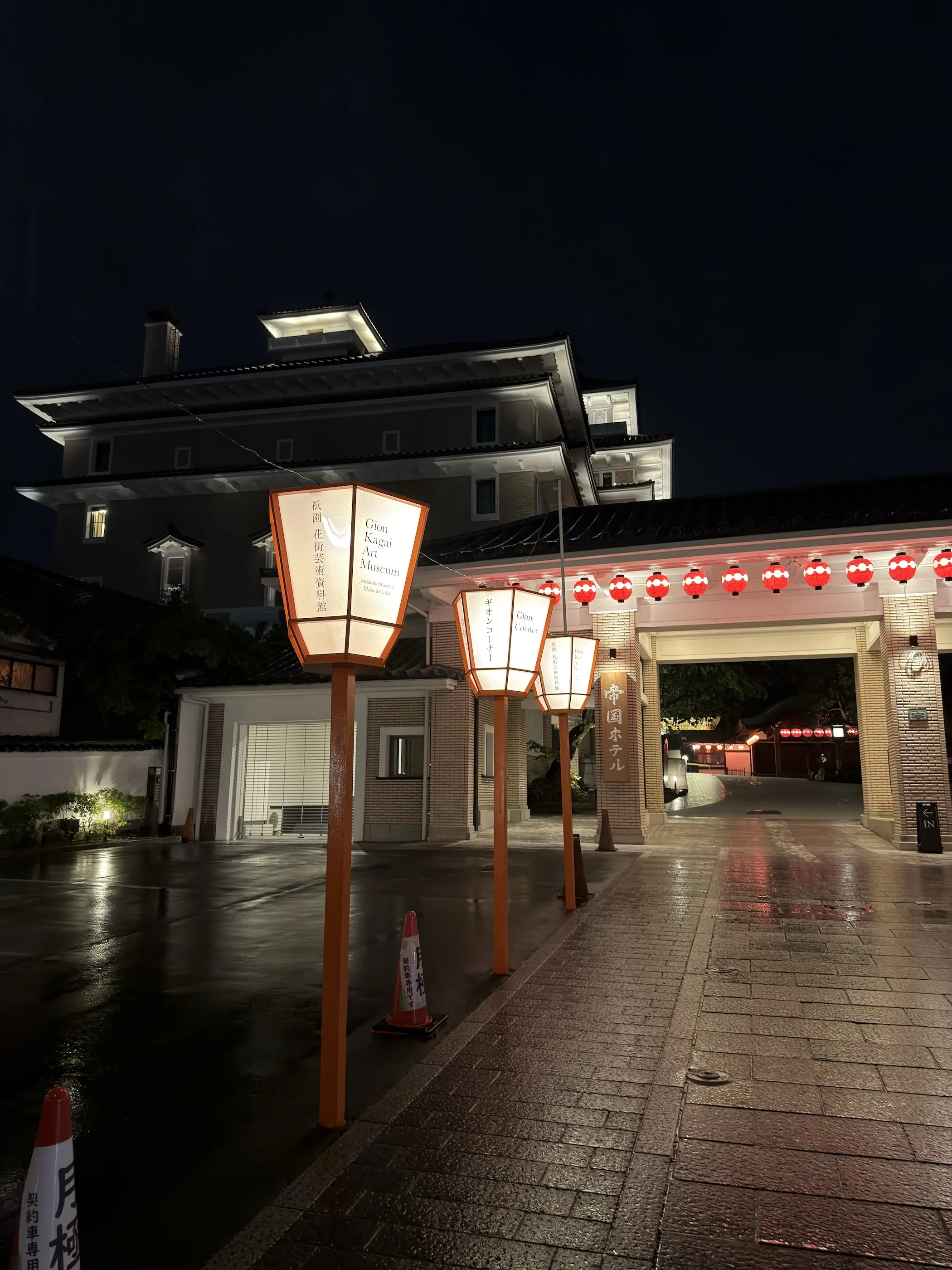
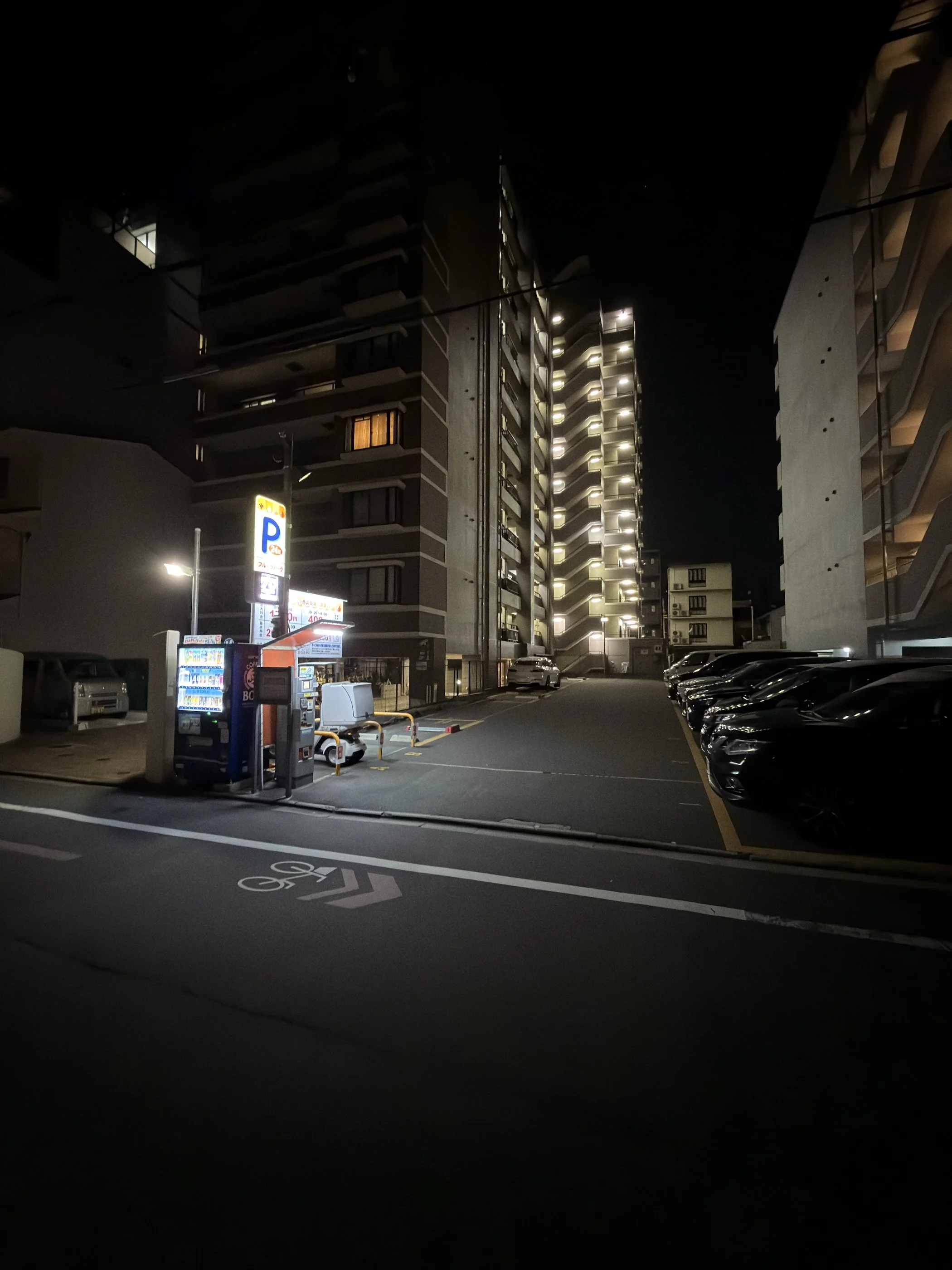
Scene walking around Kyoto at night.
The Hot Spring at The Mitsui in Kyoto
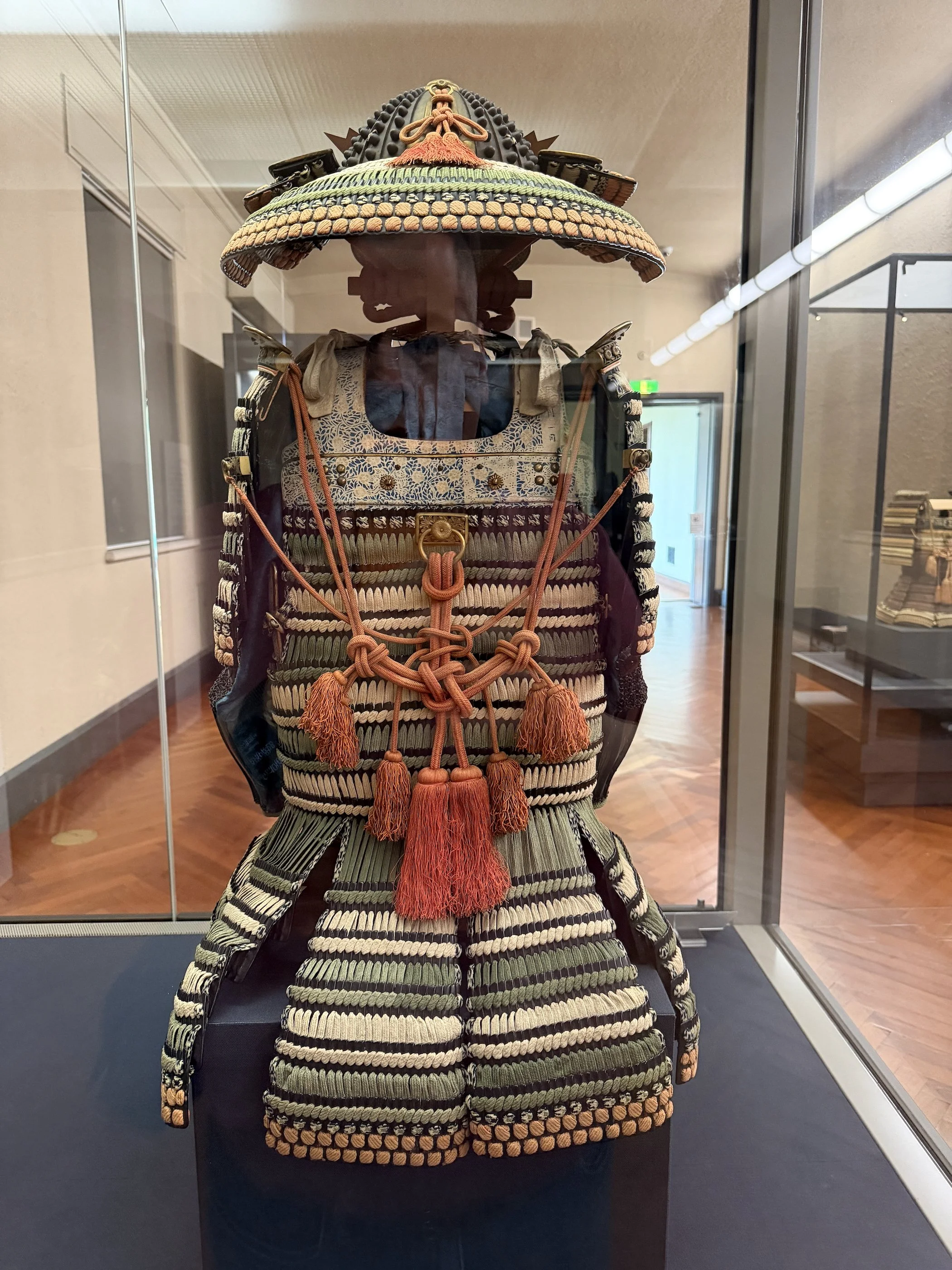
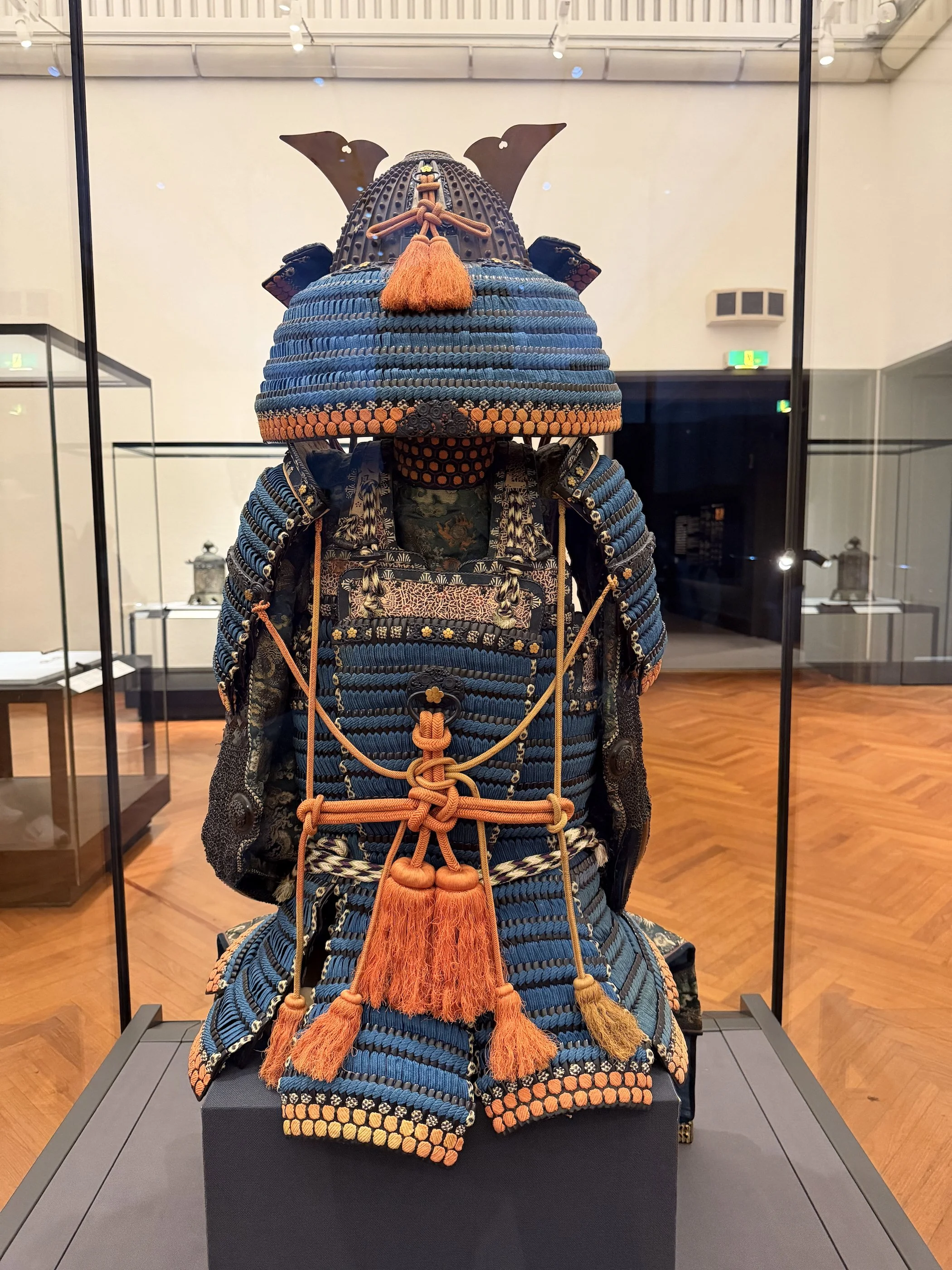
Samurai clothing on display at the Tokyo Museum.
In a future post, I’ll discuss our food experience in Japan.