Telemann: Recorder Music • Roed
This recording features music that, for Telemann fans, has been recorded well enough already. So the question is the one I always end up asking: what's new or interesting here?
I’ll put the conclusion here: This isn’t a recording you will probably need if you have several copies of these concertos already; however for a reference for Telemann’s best hits for recorder, this one would serve you very well.
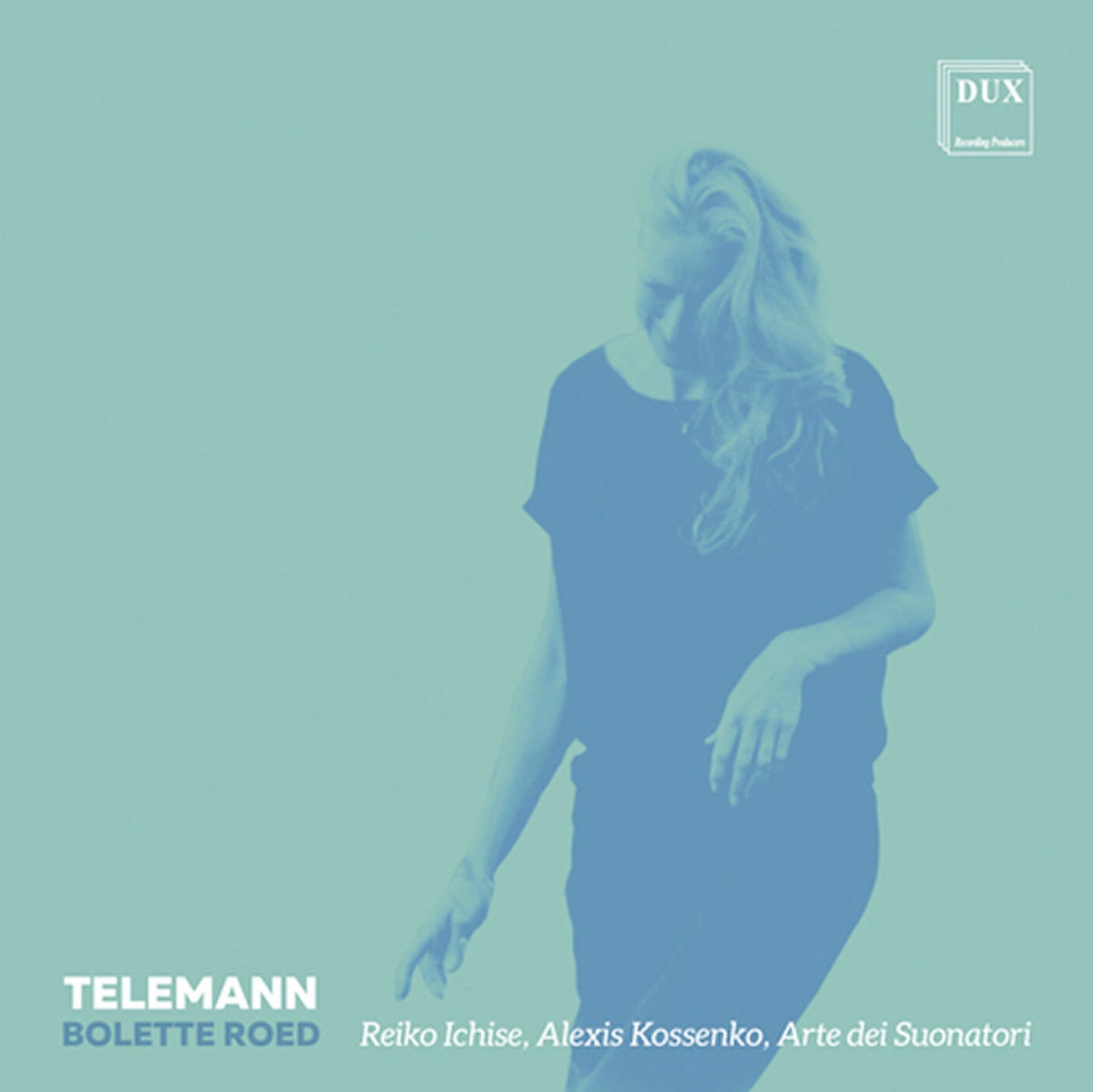
I'm was not familiar with the Dane Bolette Roed, despite her strong pedigree of training and her championing of recorder music beyond the baroque. (Interesting biographical fact: she’s also an M.D.!) This album appeared on the Polish label Dux in May 2016 and features the Poland-based Arte dei Suonatori, recorded the previous July in the Church of St. James the Greater, Sokolniki.
In terms of repertoire, you might be able to guess:
- Concerto da camera in G minor, TWV 43:g3
- Concerto for recorder and gamba in A minor, TWV 52:a1
- Suite (Overture) in A minor, TWV 55:a2
- Concerto for recorder and flute in E minor, TWV 52:e1
In general, Arte dei Suonatori are a quality ensemble with a good sound, and that appraisal is no different in this recording. My reference for them is the Vivaldi they did with Rachel Podger.
The challenge is balance with the recorder. I've heard one-per-part renditions of the A minor suite, and that helps. The usual work-around is to artificially amplify the recorder. Here, in the opening of the suite, the recorder steps away as a soloist and blends within the strings. This is not typical in many recordings, but it reflects the truth of what a recorder sounds like with a chamber group, especially one with multiple players per line. I like that honesty here — and it sets the terms for the whole disc. Where I wanted more of a soloist later on, it's this same decision at work, and I wouldn't undo it to fix those moments.
In the dances the recorder both melds and stands apart, as much as Telemann wrote the music that way, alternating between solo passages and those written together. One listen to the Réjouissance will tell you what you need to know about the musicians here: Roed is a strongly affective player, technically secure, and the ensemble is primed to support her. As ever, I like the use of the large lute here.
Alexis Kossenko joins on traverso for the E minor concerto. Another touch point is the final movement, with a strong, pulsing introduction from the entire ensemble before a solo duet for the two flutes. Here the two soloists and the available volume seem a bit unbalanced when the entire ensemble plays. While this could be addressed by those making the recording, the other consideration is to lighten the ensemble's numbers. However much that comes across on my system, it doesn't detract from admiring the fine playing.
Roed's playing in slower movements is also something special. In the Siciliana of the disc's opening G minor concerto — a concerto da camera scored for recorder, two violins and continuo — she pushes the tempo a bit, which I found welcome. She plays with some rubato which I admired. Her instrument's tone is full-bodied.
There's more of the same to admire in the Dolce third movement of the A minor double concerto. Here Roed is joined by Reiko Ichise on gamba. The stereo positioning of the instruments is good, with neither appearing dead-center. I did want to hear more of the gamba.
Conclusions
I opened with a fact and a preference: these works have many recordings available to us, and is there anything about this one to set it apart from those that came before?
The recording offers excellent playing from all involved. Roed is to be commended for pushing the tempo in some of the slower movements, which I liked. While she is a dramatic player, her style doesn't quite approach that of Antonini, who also made a Telemann disc after this one was released. The interpretation here is strong across the pieces. I'd characterize it as somewhat stronger than most players, but not as histrionic as a few stand-outs (Maurice Steger, I'm looking at you. With admiration, of course.)
My introduction to Telemann on the recorder came by way of the New London Consort, featuring Philip Pickett (whose career ended after a sexual assault conviction). In comparison, this album is many clicks more exciting. However, I didn't once think anything astonishingly different was achieved, given the many albums I've auditioned. While I do like daring performances, they are not everyone's taste, and this one lives in a comfortable space, appealing to many.
The recording engineers, I think, attempted to showcase a natural balance between the soloists and the string ensemble — and I'd rather have their version of that problem than an artificially spotlit recorder. My more legit complaint is why the recording's overall levels are not louder: I typically listen with the volume at −30 dB, and for this one I had to crank it up to −18.