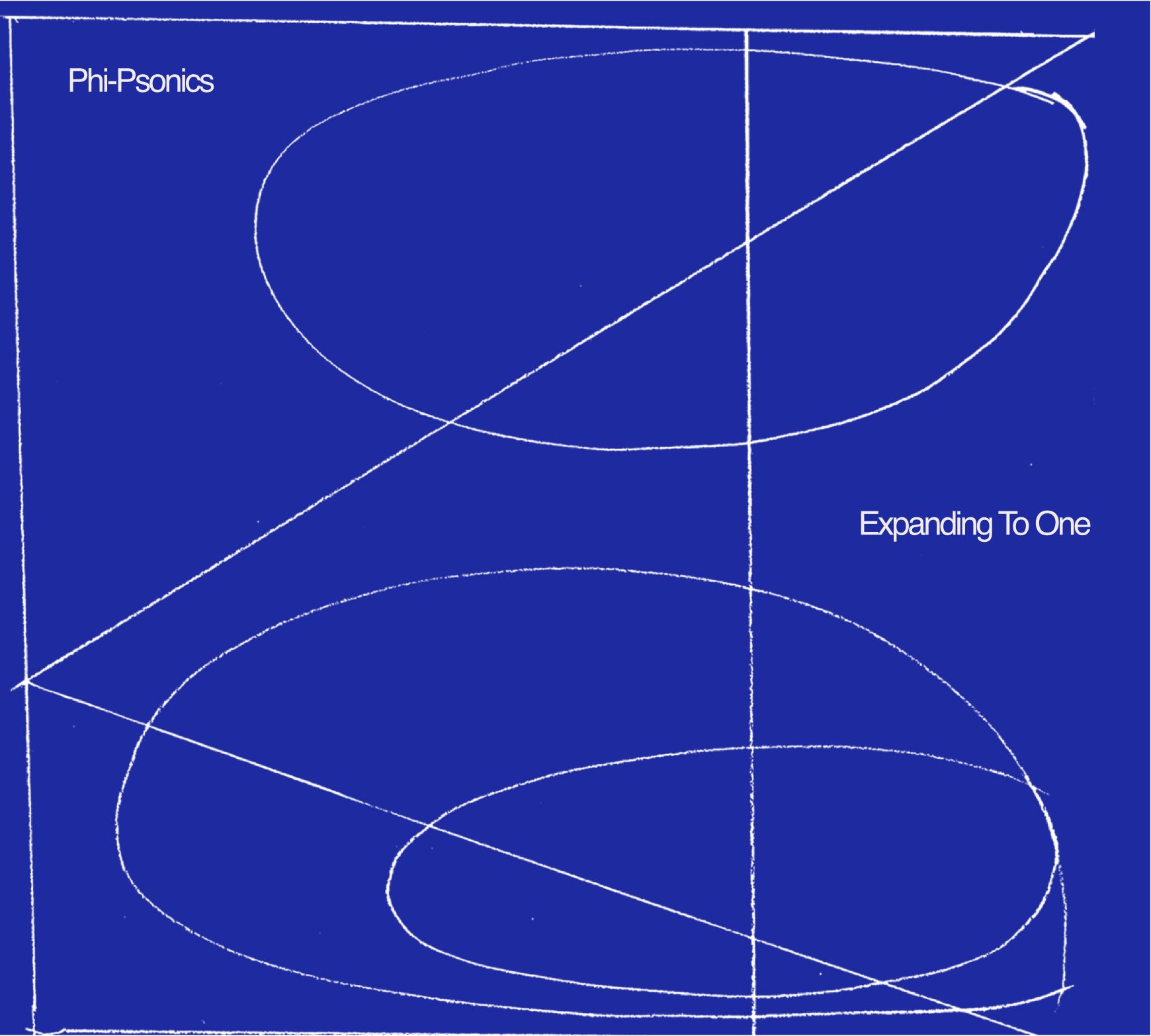
Expanding to One
As of late, in an effort to expand my own musical horizons, I’ve been taking recommendations by Instagrammers—many of which showcase elaborate home hifi setups, many featuring vinyl (because to be cool, you have to spin vinyl, supposedly) and this album came up as a recommendation. Sadly, I did not pay attention who recommended it, which would have been nice to include.
It wasn’t the first time I’d come across a recommendation of this band, Phi-Psonics, established less than a decade ago in Los Angeles. The first thing I noticed was the generous sound, which spoke to me, suggesting a great studio. But alas, no, the majority of the tracks were captured in live music sessions in the environs of a Pasadena-based record store. And so there you go.
The group’s leader, bass player Seth Ford-Young writes: “Phi-Psonics is a spiritual exploration of being together and connecting.” Their website continues:
The audiences on each night, he says, were “an intentional listening crowd”, seated on beanbags, eyes closed, drifting with the gentle tides of the music. Experiencing ‘Expanding To One’ in the comfort of their own home, listeners can now share in that moment, and immerse themselves in the gentle beauty of Phi-Psonics musical world.
And yes, I could imagine that. Maybe my preferred location to enjoy this album would be in the natural environs of a high-end spa, with cucumber water at the ready, wrapped in the comfort of a luxurious terrycloth robe? A cucumber-forward gin martini might also work, from the perch of a spa at the top of a skyscraper, a view of a busy city just outside, but yet, we’re still insulated from all of that, in a safe, comforting space.
What might suggest this image to me?
The use of acoustic bass, flutes, Wurlitzer electric pianos? And some little percussive shaker following along? It’s campy and clever, not so much hedonistic as a luxury spa sounds, but definitely it’s tied to something older, something if recast in the past we’d identify it as “hippie?”
Musically, however, the tracks aren’t just texture or background, although you could well turn things down and treat them as such. In the third track, Healing Time, an ostinato sets the mood before a harp(!) ends things. The piece could have continued; Many Paths starts with the sound of an indigenous kind of flute (it’s bamboo), the type you would find appropriate as the backdrop to a hot stone massage. The percussion extends the illusion, bringing in water and the rustle of trees to mind. The city concept comes back with saxophone. The piece literally is an unfolding of voices, uncertain to me if the track is so much notated as felt.
Sheila Govindarajan contributes vocals in the short track with Gary Fukushima on piano; the title, Before the Pyramids suggests something ancient; the vocals speak to something indeed old, but the affect is more soulful than anything relating to ancient cultures. What follows, New Pyramid continues the vibe, this time led by alto flute performed by Sylvain Carton. The piece turns out to feature a two-voiced dialog with the flute and sax over another ostinato. The music itself isn’t overly complicated, but one can easily luxuriate in the sound, especially so when the sax, played by Randal Fisher, takes on the lead by itself. The funkiness of the piece elevates us from the quiet beginning and for me, it put a smile on my face.
Altogether, Phi-Psonics combines bass, flutes, saxes, drums and percussion, electric pianos, guitars, and yes, a harp, to bring a unique sound world here that ventures into world music influences, green influences from nature, amid the reality of being in a vibrant, urban oasis in this easy-listening type of jazz. The liner notes speak to the musicians’ reliance upon an improvisational approach to music making, which doesn’t take too much effort to hear.
While some of these pieces seem to fit together, cut from the same influence or metaphorical cloth, others stand out on their own, like the ultimate track, Mysteries of the Dark. Take the album as a whole, or the fourteenth track by itself, but I’d recommend you set aside time to just listen and let the disparate elements take you on a journey, for however much time you have. You’ll want the lights low, and if you can indulge in turning the volume up one step beyond what’s realistic, the amplification only helps to clear your mind. For those of you here for my normal diet of baroque and early classical repertoire, this will be a different journey, but one that rewards you for going to a place that’s unfamiliar.