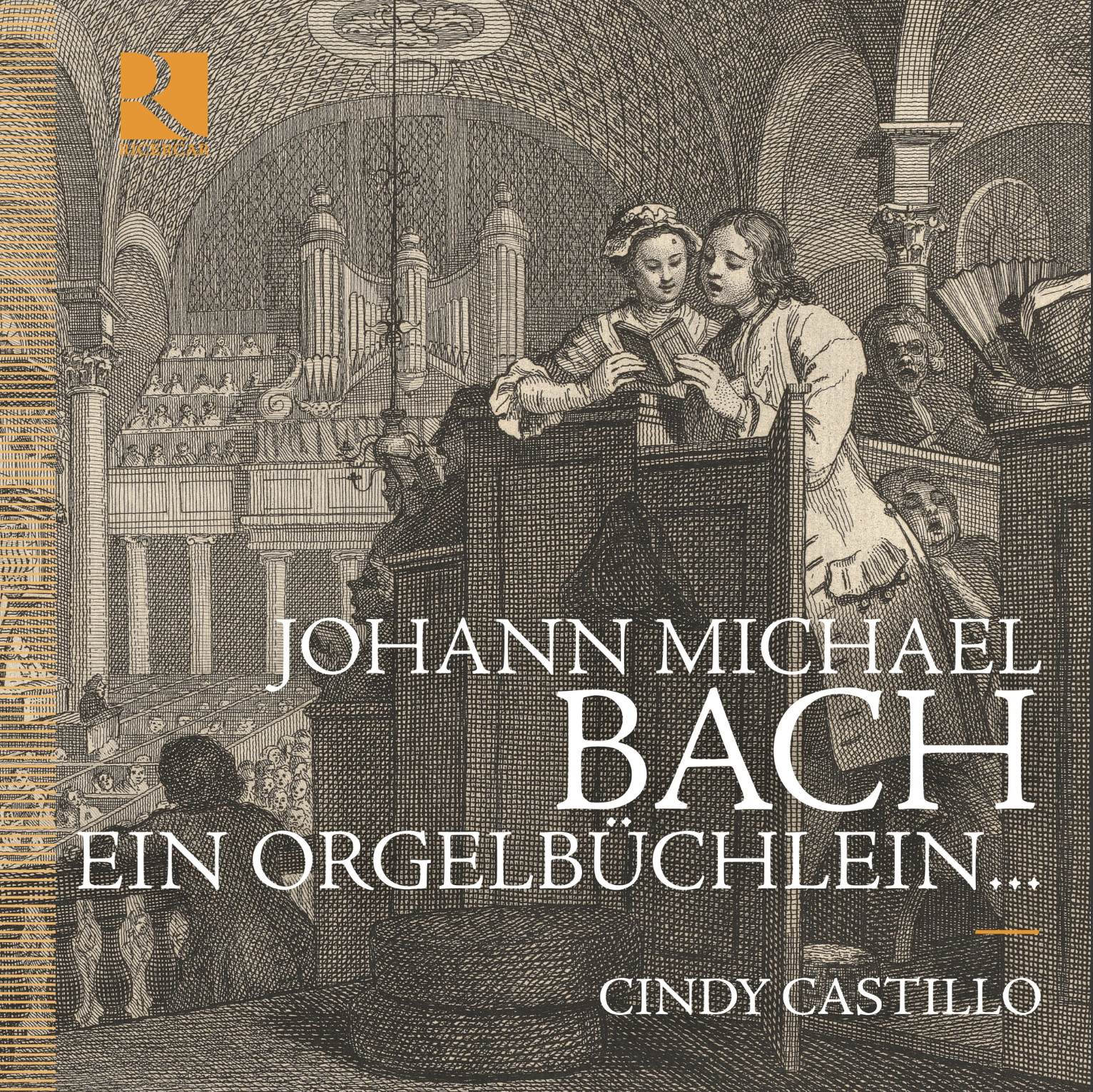
Johann Michael Bach: Complete Organ Chorales • Cindy Castillo
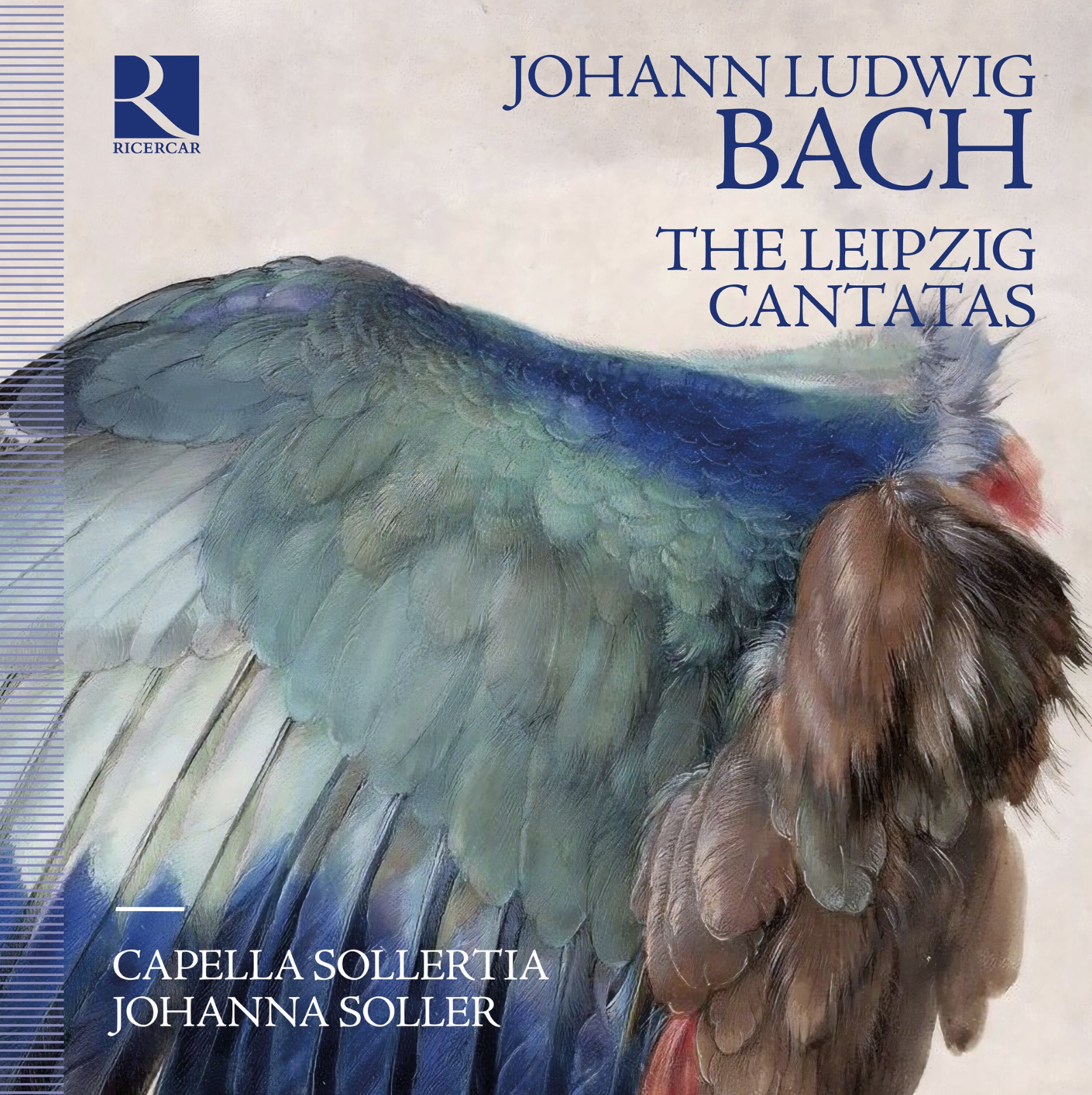
Keeping track of all of Bach’s relatives can be difficult, given that some of them shared names. Johann Michael Bach (1648-1694) was the father of Bach’s first wife, Maria Barbara and was an organist and harpsichord builder. The liner notes provide a comprehensive view of how these came to light, even as some had been attributed to Johann Sebastian. This album continues Ricercar’s recording project to cover the predecessors in Bach’s musical family.
Some of the novelty of these works are lost upon us without careful study. Chorale preludes—as a form—are pieces that many times could have been improvised. I remember knowing almost nothing about “Chorales,” the four-part church songs that I’d encountered in my life growing up within a Presbyterian tradition. Only when I got to college did I learn how to read the text around these pieces, noting that so many of them were not unique to my religious tradition and that many were, indeed, quite old.
It’s the melodic component of these religious pieces that get woven into a more elaborate setting at the keyboard. The novelty I speak of is how well a composer/performer would be able to hide and reveal these recognizable melodic fabric into faster, slower, and harmonically richer music. Our point of departure for those familiar with Bach’s own organ music is his “Little Organ Book,” or Orgelbüchlein.
Dr. Schweitzer said of this collection:
Here Bach has realised the ideal of the chorale prelude. The method is the most simple imaginable and at the same time the most perfect. Nowhere is the Dürer-like character of his musical style so evident as in these small chorale preludes. Simply by the precision and the characteristic quality of each line of the contrapuntal motive he expresses all that has to be said, and so makes clear the relation of the music to the text whose title it bears.
This collection is an interesting one to put onto the hifi as these short little pieces come and go quickly. But the art is in how Bach infused counterpoint into the musical language to a high degree, surpassing the complexity of his predecessors such as Pachelbel.
Johann Michael Bach was active in Gehren. Many may recognize the seventh track, In dulci Jubilo which has been ascribed to J.S. Bach, but in fact was a composition by J.M. Preludes such as Der Herr ist mein getreuer Hirt are contrapuntal like those by J.S. Others are presented in simpler clothing.
Listening to these pieces one after the other is not how they would have been experienced in the Baroque period. I get the same effect listening here that I have with J.S. Bach’s collection: a bit overwhelmed. I don’t have a good source for the scores, at least for casual listening purposes. Carus publishes the collection for 35 euros if you’re serious about getting into their construction. For those who want to get more out of this recording, without going to the music itself, I’d encourage you to set a few of these on repeat for about 10-12 minutes and internalize the obvious themes and what surrounds them. Many of these pieces become more interesting the more familiar they are; the other method is to seek out other works built upon the same melodic content.
The organ used by Castillo for this recording is a German baroque model at the French church of Saint-Loup in Namur. It was built in 2023 and as the liner notes suggest, it presents a relatively dry sound given the church’s construction materials. The effect for us through a recording is that we’re hearing more of the organ than the church, at least that’s conceptual.
I enjoyed these performances although I am not justly familiar with these works. For me, this was a great introduction. The acoustic of this church I think is ideal for a recording, offering superior clarity.