Shadow Dance • Dave Holland
Some time ago I came across the British bass player Dave Holland by accident; I subsequently learned about what a force and long-standing icon he’s been in the world of jazz. Holland is known for playing other people’s music as much as his own. And one of his pieces that’s been recorded on more than one occasion (some lasting up to three times longer than another) is Shadow Dance. I think the first time it was recorded may be from the 1983 ECM album Jumpin’ In featuring Steve Coleman, Steve Ellington, Julian Priester, and Kenny Wheeler.
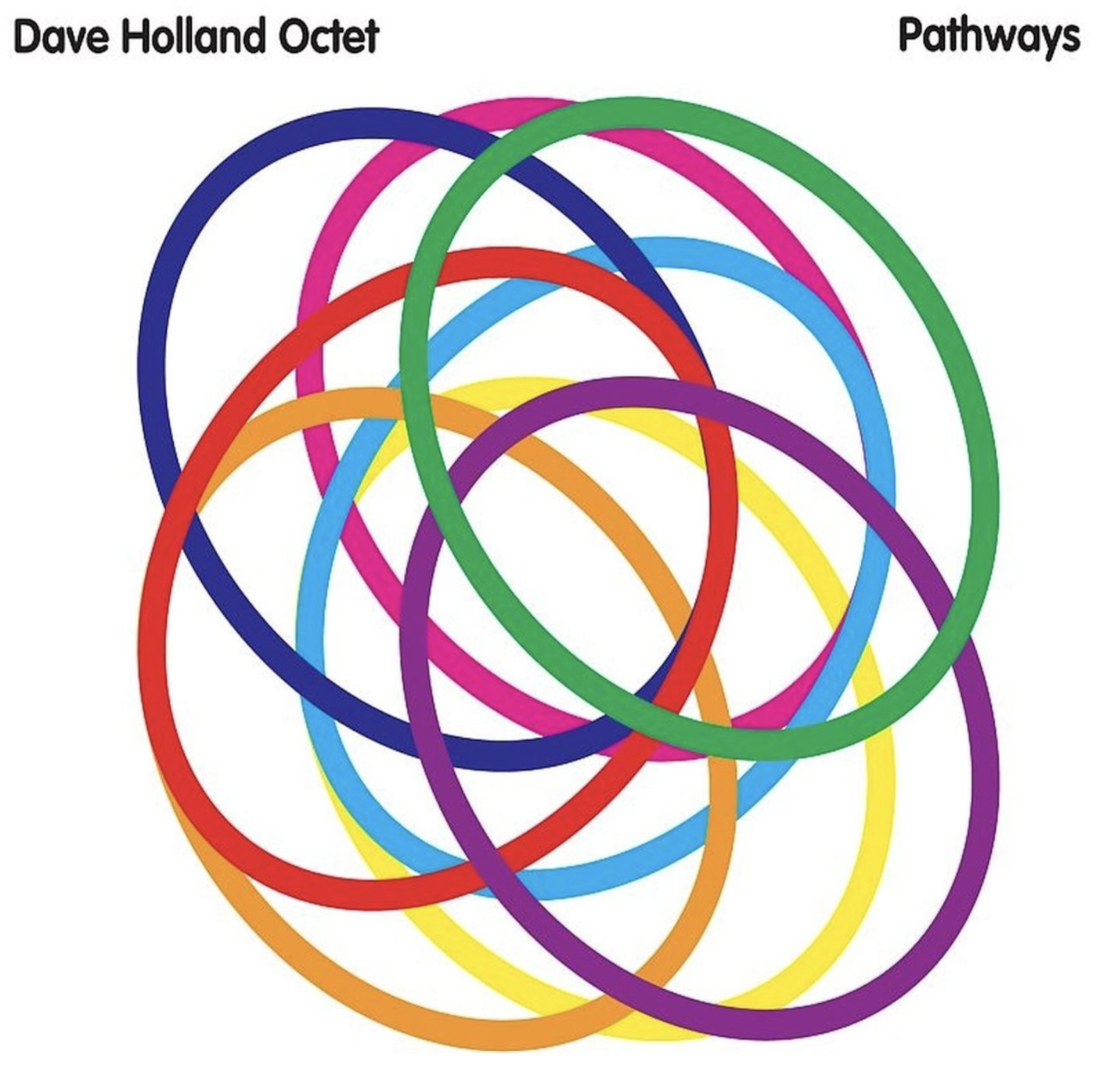
The 15 minute version appears in the form of the Dave Holland Octet from the 2010 release Pathways. A nearly long take appears on the What Goes Around album, released on ECM (2002) featuring Holland’s own Big Band formation.
Here’s a version I came across earlier this year, featuring Jack DeJohnette, Herbie Hancock alongside Holland:
I’d wager that each of these is worth seeking out. If this music is new to you, I’d probably go in this order:
- Jumpin’ In
- Video above
- What Goes Around
- Pathways
Which, honestly, is in chronological order. I’d then suggest maybe that you come back to the “original,” shortest version for a full-circle examination of the whole thing.
Why?
I think this piece—which, like the musicians involve I admire and like—helps to illustrate something about baroque music that has been both explored and lost in the rise of the HIPP movement, not to mention the “classical” or high-art traditions.
We know, for instance, that composers like Handel and Bach—across the various performances of large-scale works like Messiah or the St. John Passion that changes were made. We always have to remember that the idea of a singular masterpiece was foreign to these musicians. Music wasn’t meant for the ages, it was meant for the now. It served a very practical, if not pragmatic purpose. Fresh music was expected. The idea born out of radio for us, that a popular song might be repeated and repeated for a series of weeks if not decades? There may even have been the urge to “mess with” an old composition to add some freshness to it.
The second piece worth mention is the idea that a single piece, played multiple times, and here we might look at music not meant for specific ceremonial occasions such as keyboard works, would have been played differently each time. Or would it have been?
Most musicians today would agree with me, that each time a piece is played, it’s different. That’s just the truth, but the question becomes whether that’s an intentional thing by the artist or not. You can easily listen to various “takes” by jazz musicians and hear differences of what they were recording. I’d go further to say that in general terms, jazz performances, when playing the same chart, are intentionally played differently than the time before. It’s part of the performance culture.
Our understanding of music from the later baroque is that there was an expectation around improvisational creativity needed from soloists. Probably the best example of this in black and white terms is the published extemporized versions of Corelli’s opus five violin sonatas. The publication goes to on to document, supposedly, how “Corelli performed them,” which adds a ton more notes than what was included on the original.
There’s a rationale for this type of thing: the score not matching the performance. For one, good musicians were as much performers as they were composers. But the music may serve a dual purpose of appealing to both masters of the instrument alongside amateurs. You could imagine the simpler version being played by one level of musician, and a far more florid, complex version performed by a master like Corelli himself.
And so goes the complexity of recreating this music today. There are a lot of unknowns. It’s certainly safer to just play it the way everyone else does, using the score we have. Assuming it’s the same one?
I often read reviews by someone who is clearly invested in the HIPP movement and will criticize performers who do things against the text: i.e., did the composer write “harpsichord or cello”? Why did they combine both? Percussion? There’s no percussion called for in the score…
My comparison to these performances by Dave Holland breaks down a bit. For one, he’s the common thread throughout these performances. He can go as wild or off the chart as he wants.
It’s why the performances by Christina Pluhar and her L’Arpeggiata ensemble appeal to me. She’s evolved in her performances to include non-baroque instruments in the performance of pieces by, say, Handel or Purcell. Doing so kind of gives her musicians grace to get very creative—in much the same way I’d argue Holland gets creative—without being constrained about the dogma of HIPP. It’s as if to say, “I know, I’m not even attempting to play this straight. And we’re gonna take the spirit of improvised, arranged, and pragmatic music making and envision that within the context of today.” That’s not a quote, but it’s what I imagine she or any musician like her might say by approaching old music with a fresh approach.
Pardon me for the educational bent that I’m attempting here. You may well care less, but let me just say, Holland’s music for me is peerless in its construction. His late recordings on ECM and those on his Dare2 label have incredible stereo separation, a hallmark of his recordings. They are as much a musical delight as they are aural ones for those who like their music presented upon a 3D stage.
Some of you may well like jazz and some may not; but I’d encourage my readers to explore this music for a diversion, if nothing else. It’s impossible to say if baroque musicians would have recognized in these pieces any synergy with their own behaviors attached to creating and performing music, but inevitably today, these comparisons help us illustrate the fact that not all music—including high art music—is played as simply as recreating each note upon the page. There are performance behaviors and traditions that color the result in very interesting and rewarding ways.