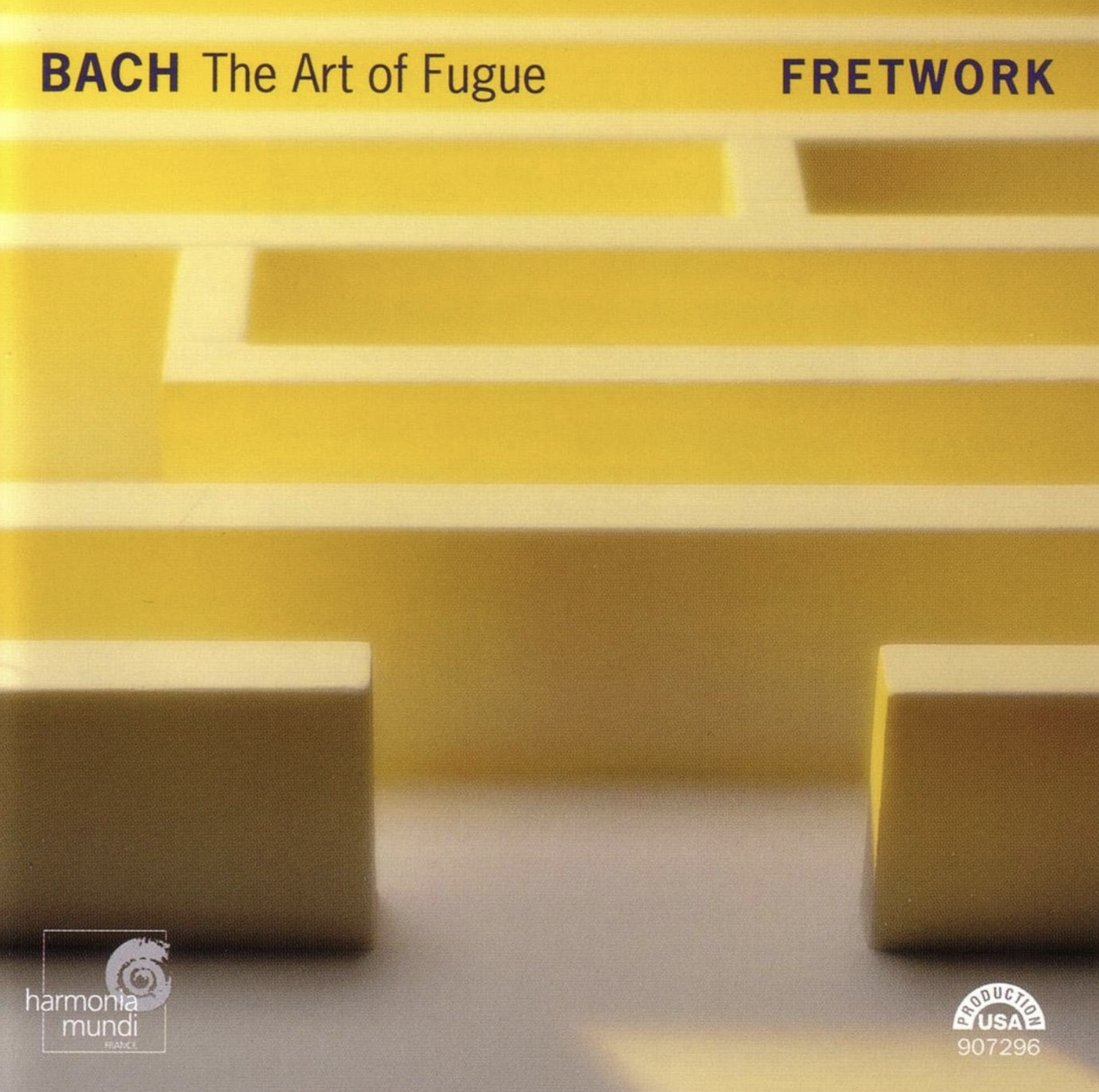
Bach: Die Kunst der Fuga • Fretwork
In 2001, a quarter-century ago, the British ensemble Fretwork recorded Bach's Die Kunst der Fuga at Snape Maltings, an arts center in eastern England and the center of activity of the Britten-Pears group, named after the British composer and his partner, a singer. The concert space is created out of a large, long brick structure — walls and foundation — capped by a wood ceiling. I've never been there, but it would be quite nice to take in a concert there at some point.
The venue has been a favorite of a number of British-produced recordings. I think the first time I came across the name "Snape Maltings" was with a recording featuring Catherine Mackintosh, the British baroque violinist who for many years led Hogwood's AAM.
I had the occasion, long passed from memory, of hearing Fretwork when they came to Harkness Hall at Case Western Reserve University while I was attending school there. At that point, their Dowland recording on Virgin Veritas was well-worn in my collection. This album came later, and I purchased it as soon as it appeared on the Harmonia Mundi label in 2002.
Before I dig in — yes, I admit, this recording may be off most people's radar after twenty-four years in the catalog, but as it happens, it has been with me and I never formally reviewed it. Just over a year ago, Phantasm, another viol consort, recorded Bach's ultimate work and I had some questions about historically-informed performance practice. My final words on that album were:
While Phantasm's recording is lovingly crafted by expert musicians, it ultimately represents a cerebral approach that may not reveal all the emotional depths this remarkable work contains.
Bach was likely not familiar with the viol consort. He might have found a performance of this work on these instruments interesting, especially if he were to take interest in the repertoire written specifically for it. Would he have understood why musicians in the 20th or 21st centuries would elect to perform his music on an instrumentarium that came, technically, before his time?
I'll say it: performing Bach on viols is not terribly different from playing Handel on piano. I get it — these musicians are part of the HIPP movement, and Bach to them isn't terribly far removed from the repertoire for which the consort enjoyed its original inspiration. The recording that appeared since my initial review, this past June, was Collegium Musicum '23's The Art of Fugue on stringed instruments — not what Bach specified, but instruments actually used at the Thomaskirche during his tenure. As far as authenticity within HIPP goes, they're walking the line.
But back to Fretwork. I pulled out the actual CD and am spinning it now from my Bluray player, via coaxial cable into my Grimm MU2. The ensemble drew on both the published 1751 version and earlier manuscripts to arrive at twenty tracks running over seventy-six minutes. I'm sorry to report I get no real impression of the Snape Maltings acoustics; the recording is close-miked and transparent, each line sitting in its own space, the ensemble exposed rather than blended. If the viols are what you came to hear, they are up front and centered.
Compared to my memory of Phantasm, these players are a bit more energetic in their projection.
These performances have lived well over the years. Nothing tells me this recording is a quarter-century old. The tempi are never hurried, but they carry enough momentum to sustain interest.
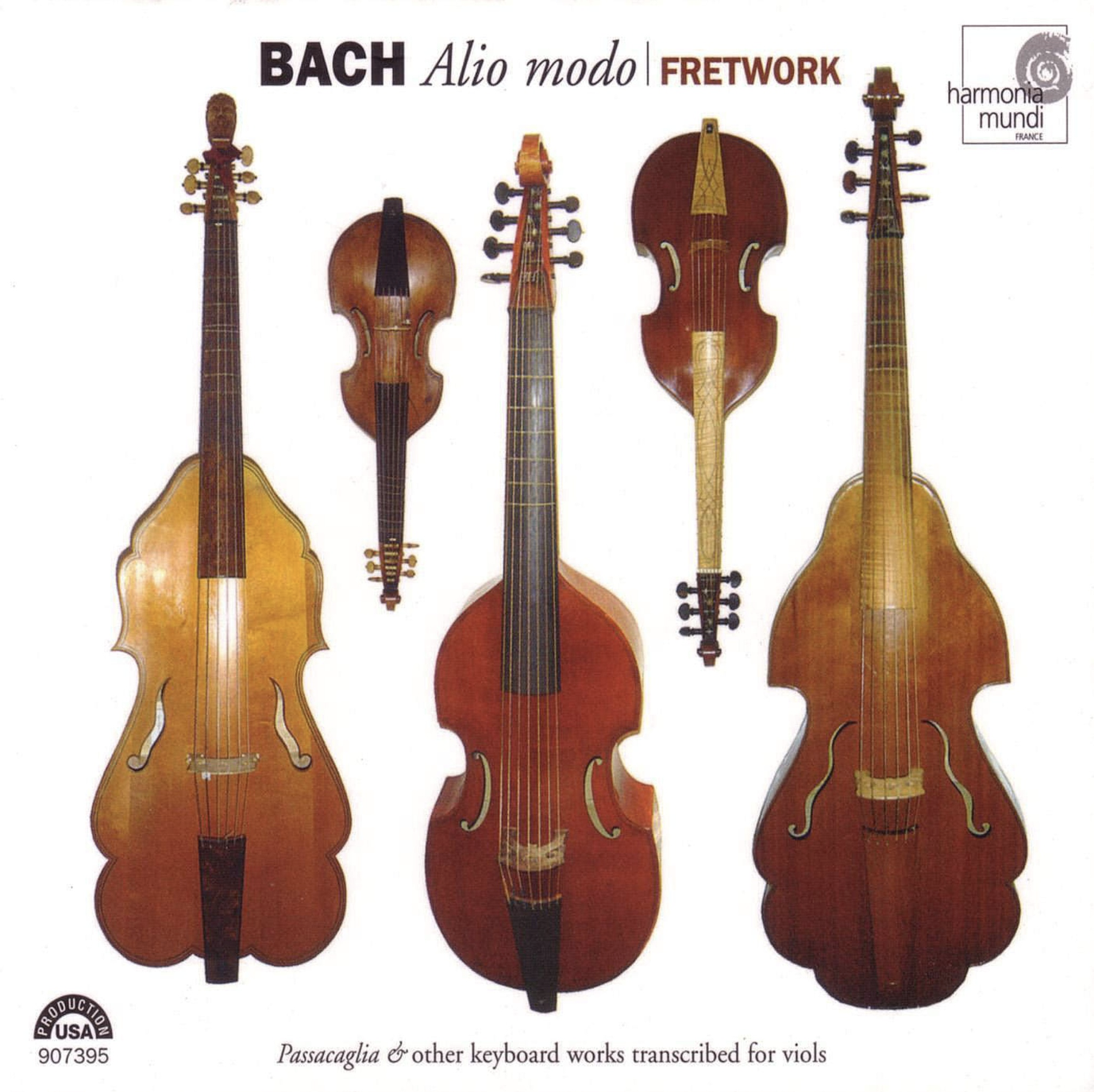
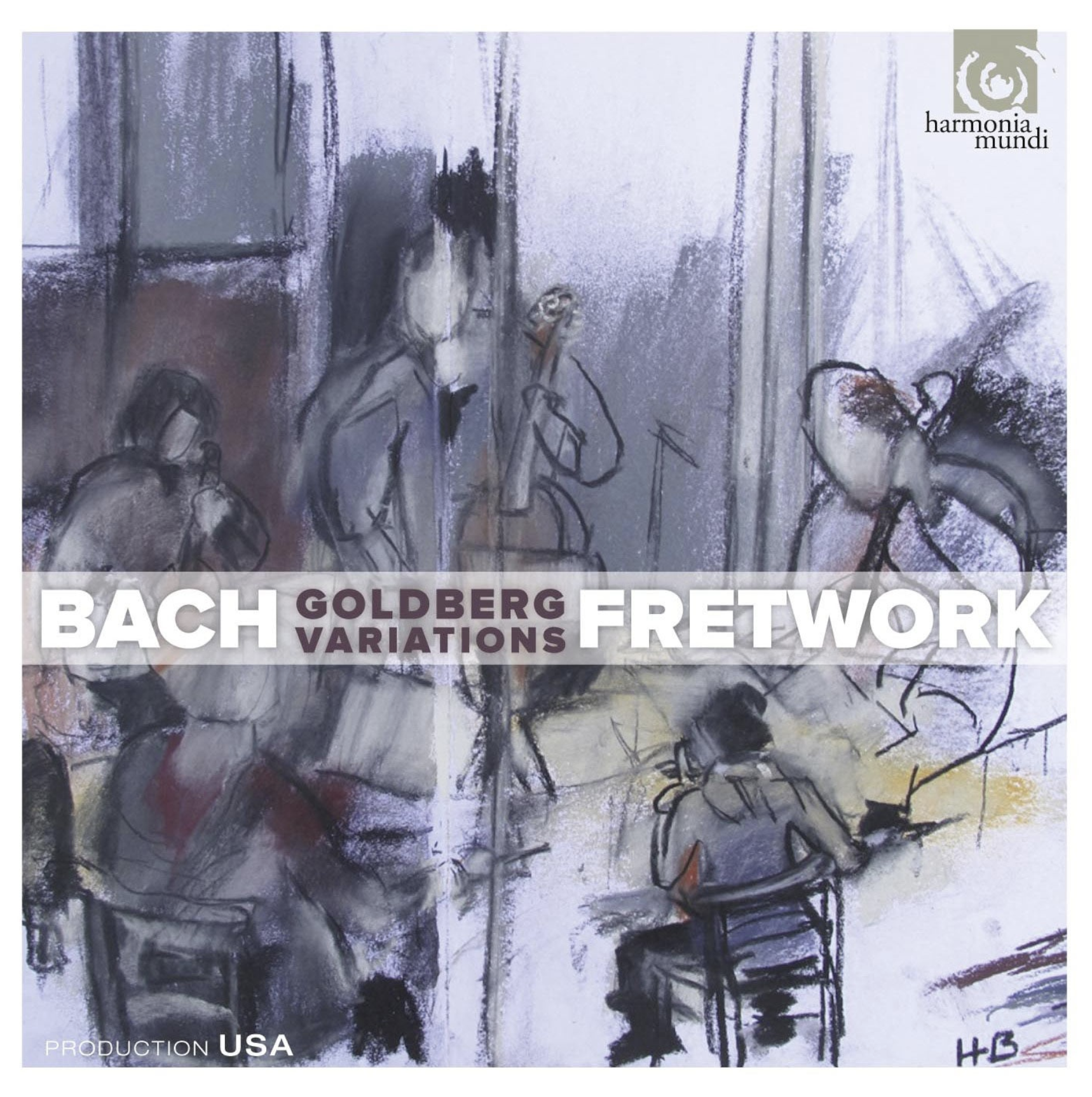
I should note that I was impressed by two later Fretwork Bach albums: the Goldberg Variations, which have no business being played by viols, and another featuring a hodgepodge of works including the great organ chaconne. HIPP issues aside, these players play well and they admire Bach — and you have to make your peace with both before deciding whether any of these albums are for you.
One of my benchmark fugues across recordings is Contrapunctus 9. The tempo here is ideal. The personality among the instruments? Clear separation with genuine cohesion. I couldn't imagine a better result — on viols, yes. I still prefer violins and cellos. But let's not let my biases obscure what's happening.
This album is, for me, a four-star recording. Technical playing flawless, enjoyment potential high. My reference for this work remains Goebel's 1984 MAK recording — there are elements of that performance, in the violin phrasing especially, and in his willingness to realize certain movements on harpsichord, that I continue to favor as the definitive solution. His later recording, released on DVD, doesn't displace it. Readers who know this work will recognize that it has enjoyed many fine performances; what I'm saying here is that this 2002 Fretwork release belongs among them. It rises in the company for its clear and transparent sound, its ripe choice of tempos, and its commitment to find character in the individual voices across the many fugues — not merely to play the notes. It may not be my most favored recording, but for those seeking a compelling variation on this inexhaustible work, it sits alongside Fretwork's other Bach recordings with my warmest recommendation.
N.B. I have decided after many years to refer to this work, BWV 1080, as Die Kunst der Fuga after Bach's original spelling. It's believed he called it this because of his obsession with numerology and accounting the numbers used in the title proving some extra-musical signifigance. Just to note I'm fully aware most refer to it as Die Kunst der Fuge or The Art of Fugue.