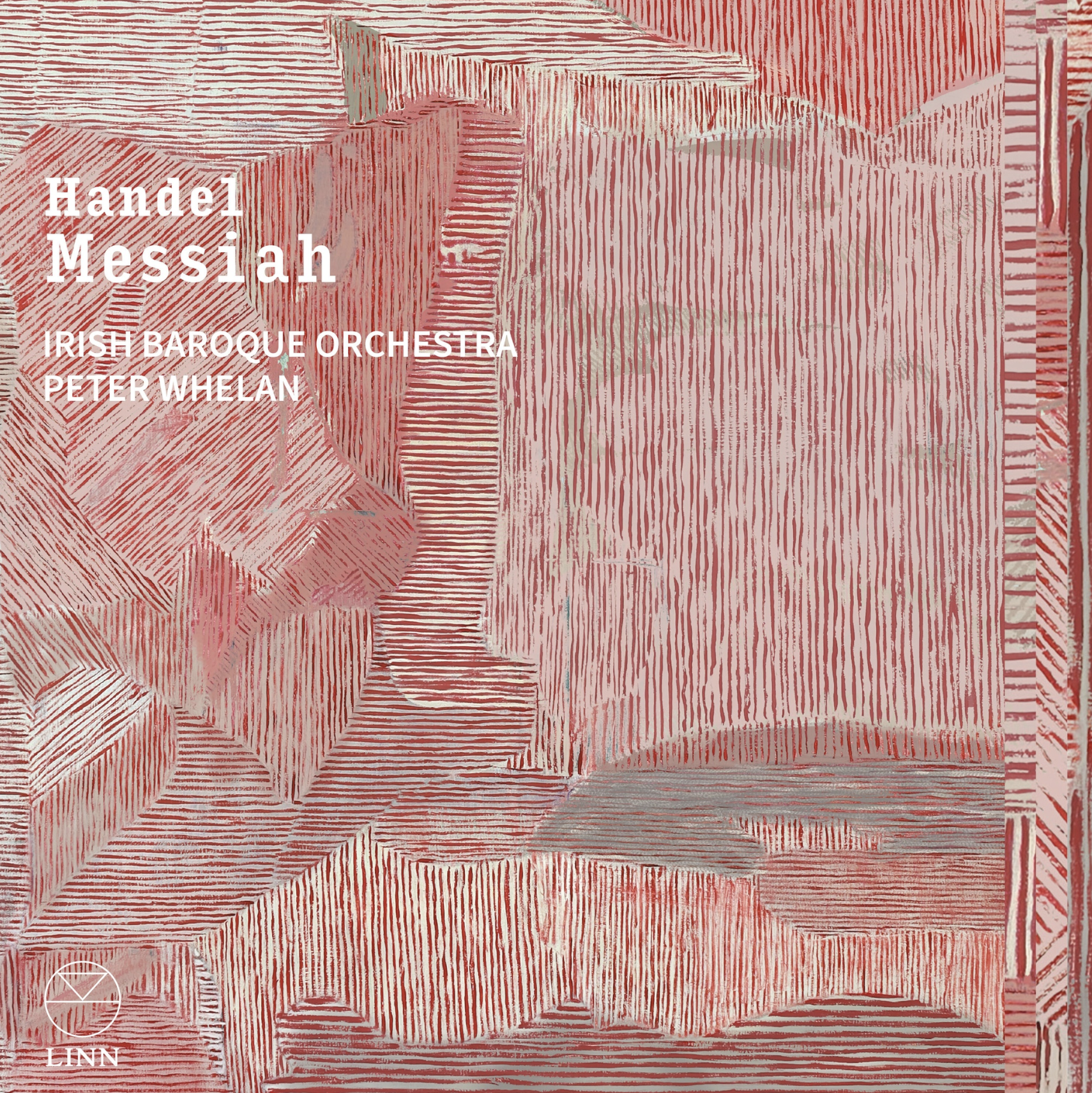
Handel: Messiah • Irish Baroque Orchestra and Choir
Handel completed Messiah in an astonishing 24 days in August and September of 1741, and the work received its premiere not in London but in Dublin, on 13 April 1742, at the New Musick Hall on Fishamble Street. The occasion was a charity benefit — proceeds went to prisoner debt relief and two hospitals — and by most contemporary accounts it was received with exceptional enthusiasm. London would have to wait until 23 March 1743, when the work premiered at Covent Garden to a more complicated and in some quarters hostile reception; English audiences were initially unsettled by the use of biblical text in a theatre rather than a church setting. The Dublin premiere, by contrast, has the character of an unambiguous triumph, with newspaper reports of the day praising both the performance and Handel's generosity in lending the work to such charitable purposes.
This new production directed by Peter Whelan uses details from the first Irish performance, including an aria for a local singer and a duet for two countertenors. The solo roster is strong, with countertenor Alexander Chance and alto Helen Charleston among the standouts.
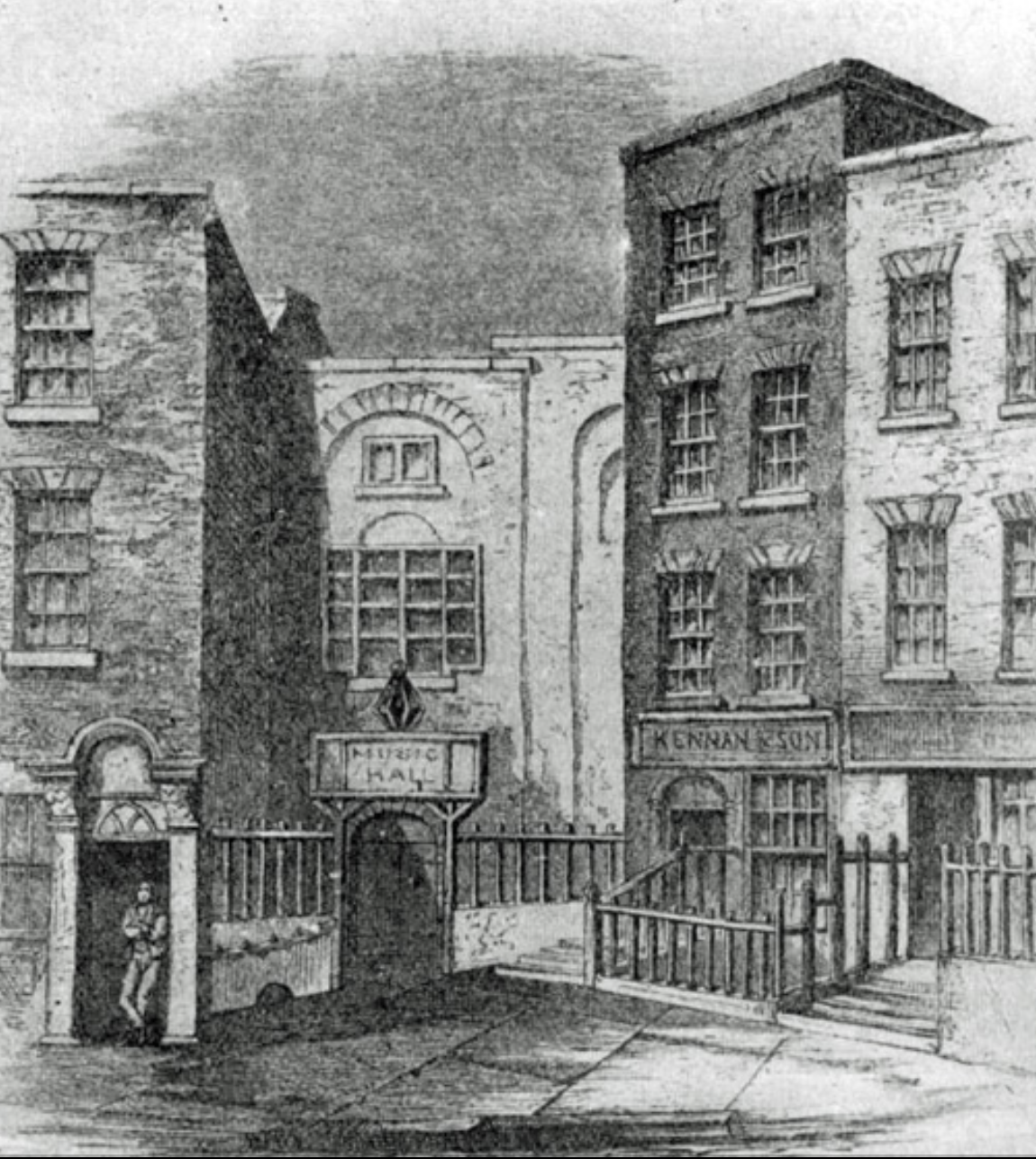
Great Music Hall at Fishamble Street
There's a welcome lightness to the approach: "For unto us a child is born" is presented with admirable clarity by the choir, the continuo support well-calibrated, the balance clean. Smaller forces open up the tempos naturally. "Glory to God in the Highest" is crisply articulated and driven with real forward momentum — Whelan has a sure sense of when to let the music move and when to let it breathe, and he errs consistently on the right side. One reservation worth naming: the production's soloists don't always share a common aesthetic around vibrato, and the inconsistency occasionally pulls at the seams. Chance brings a direct, focused tone to "Thou art gone up on high," with vibrato used sparingly on sustained notes — very much in the HIP grain. Soprano Hilary Cronin, by contrast, applies a more continuous vibrato even through the recitatives, and Guy Cutting's approach in "But thou didst not leave" is wider still. None of this is fatal, but in a production so deliberately conceived around historical fidelity, the stylistic divergence is noticeable.
Where the ensemble cohesion works best, the results are excellent. The duet "How beautiful are the feet," sung by Chance and Nathan Mercieca, finds two voices genuinely matched in weight and approach. The Chance-Cutting duet "O death" moves at a natural tempo, and Cutting — to his credit — dials back the vibrato enough that the blend holds. A quick comparison to Jordi Savall's 2019 recording of the same aria threw the difference into relief; this performance is simpler, more direct, and frankly more persuasive. "Why do the nations," taken by bass Frederick Long, bristles with energy. Long's vibrato is present but never obscures the text — he's a communicator first.
The "Hallelujah" chorus may be the most instructive moment on the recording. Heard against something like René Jacobs' 2006 account with the Freiburg Baroque Orchestra — expansive, burnished, almost monumental — this performance sounds lean and immediate by comparison, which is exactly the point. The timpani entry lands with real impact, and the acoustic of the performance space comes through with pleasing naturalness. You feel closer to the musicians than the music usually allows.
Auditioned on a two-channel setup, the recording presents well: transparent, well-balanced, with a consistent bias toward clarity over weight. There are a large number of Messiah recordings in the catalog, many presenting different versions of the score, but this one makes a coherent and persuasive case for returning the work to something like its original scale and context. The tempo choices are confident, the balance between singers and instrumentalists carefully managed, and the smaller chorus pays dividends throughout. Readers will no doubt have their own cherished accounts — but this one earns its place.