Bach: Lutheran Masses • Willens
The oddity, perhaps, among Bach's vocal works is a set of four Latin masses, BWV 233–236. The scale of these pieces is quite economical compared to the great B-minor Mass, and of course the Passions. Each is rendered in six movements:
- Kyrie
- Gloria
- Domine Deus or Gratias agimus tibi
- Qui tollis peccata mundi
- Quoniam tu solus Sanctus
- Cum Sancto Spiritu
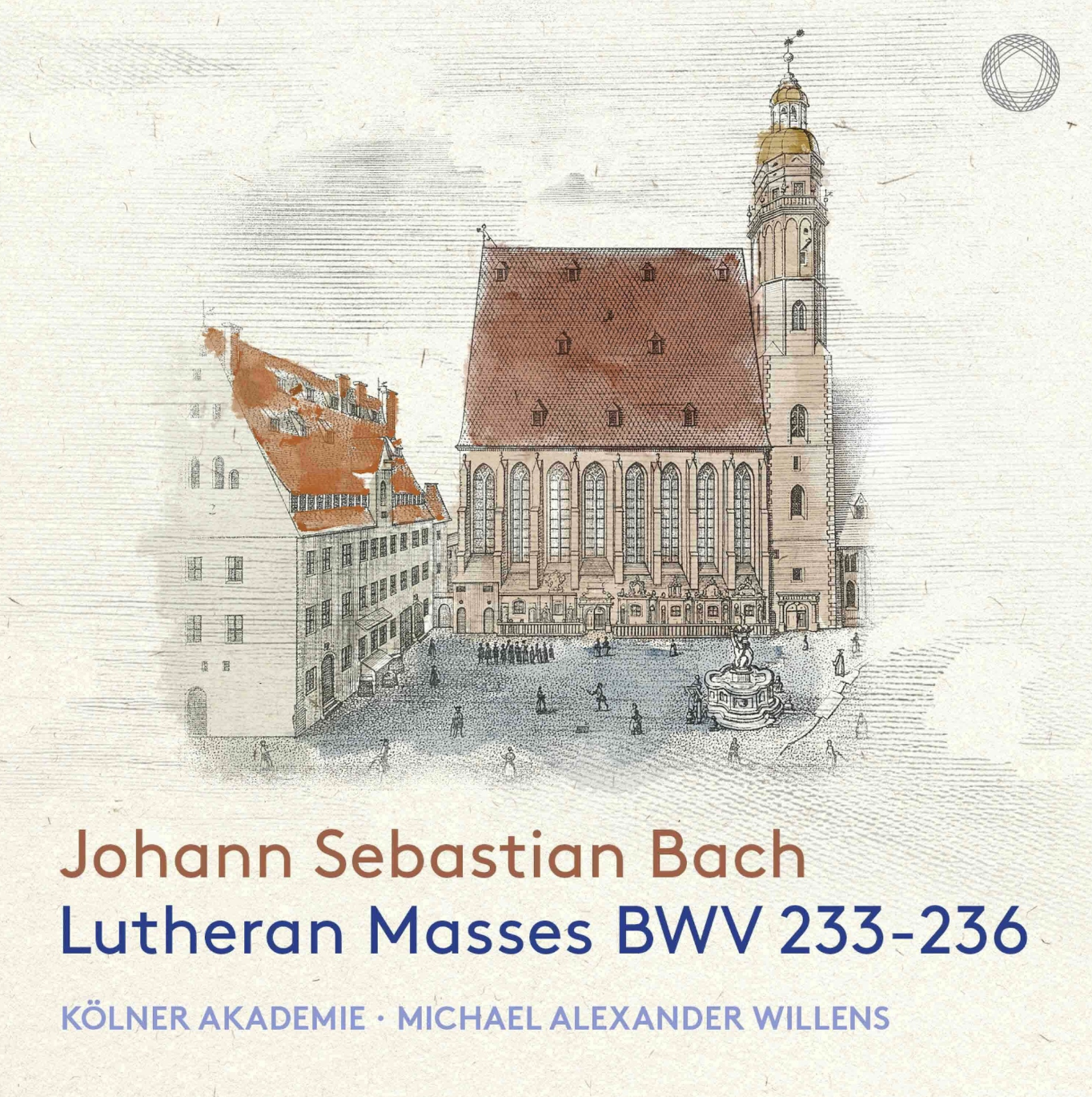
I'm most familiar with the opening Kyrie from the F-major Mass, having played an arrangement of it for trombones in college. I've since enjoyed a number of performances with voices and instruments, including the Herreweghe recordings on Virgin Veritas and, more recently, the Suzuki versions. Now we have a new entry: the Kölner Akademie under the direction of Michael Alexander Willens.
Releasing all four masses at once — nearly two hours total — was the right call. Willens connects his approach to the one-per-part advocates Joshua Rifkin and Andrew Parrott, and suggests the works may have been intended for Count Franz Anton von Sporck, aiming to recreate something close to those first performances. The liner notes are thorough on the performance history in Leipzig and the recycled cantata material throughout. The singers here sing out with confidence and authority, and their use of vibrato is deliberate. Balance between instruments and voices is well-engineered, with the focus squarely on the voices.
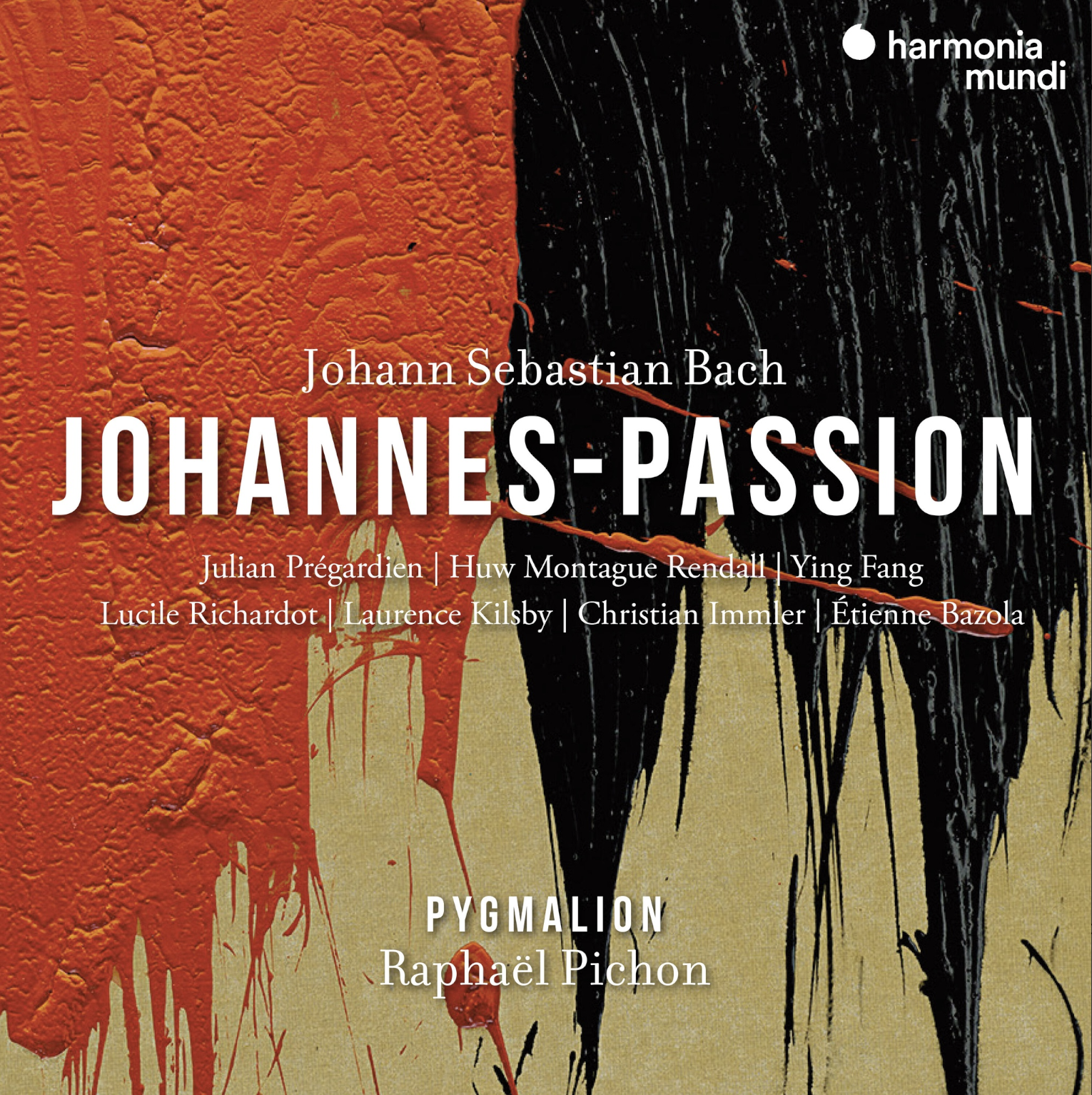
Compared with the earlier Pygmalion and Bach Collegium Japan recordings, I found those performances occasionally more electrifying — faster tempi, more dramatic choral projection. But there's a legitimate question about how dramatic these pieces need to be. They are church music, and there's real comfort in Willens' tempos, which neither drag nor exaggerate. He's quicker than Herreweghe, it turns out — not slow, but occupying a considered middle ground. That's not a compromise; it's a position.
The one-per-part question is, of course, a running argument in early music circles and it bears a moment here. What HIPP practitioners are really choosing between is fidelity to a composer's possible intent versus fidelity to the pragmatic musical realities of their time. The surviving evidence — primarily the vocal parts themselves — is genuinely ambiguous, and reasonable scholars read it differently. What we can say is that single-voice performance is a modern experiment, not a settled historical fact. It may be exciting and revelatory, as I often find it, but it remains an interpretation. Willens takes the position; the liner notes acknowledge the debate honestly, especially so in context for how they may first have been performed.
Compared to the Herreweghe release, both this recording and the Pygmalion put the listener considerably closer to the musicians. Herreweghe captures more of the ambient atmosphere of the performance space; here, the focus is transparency, and the Willens recording may be the most immediate of the three.
The Pygmalion ensemble, for reference, uses a small choir without vibrato — a very different sound that I admire, though it doesn't diminish what's on offer here.
Conclusions
If one-per-part Bach is your thing, this recording belongs in your collection. The voices are fine, the balance exemplary, and the performances carry real authority without tipping into spectacle. Willens has made thoughtful choices throughout.
My single reservation, stated plainly: the vibrato. It doesn't damage the music — these are soloists who happen to form a choir, and the style is internally consistent — but if you come to this recording expecting the cooler transparency that one-per-part performance often delivers, the sound here will surprise you. Take that as a genuine caveat, not a dismissal. In every other respect, this is a release that reflects well on everyone involved, and that, for a new entry into a well-recorded repertoire, is high praise.