Bohemia • Van Diemen’s Band
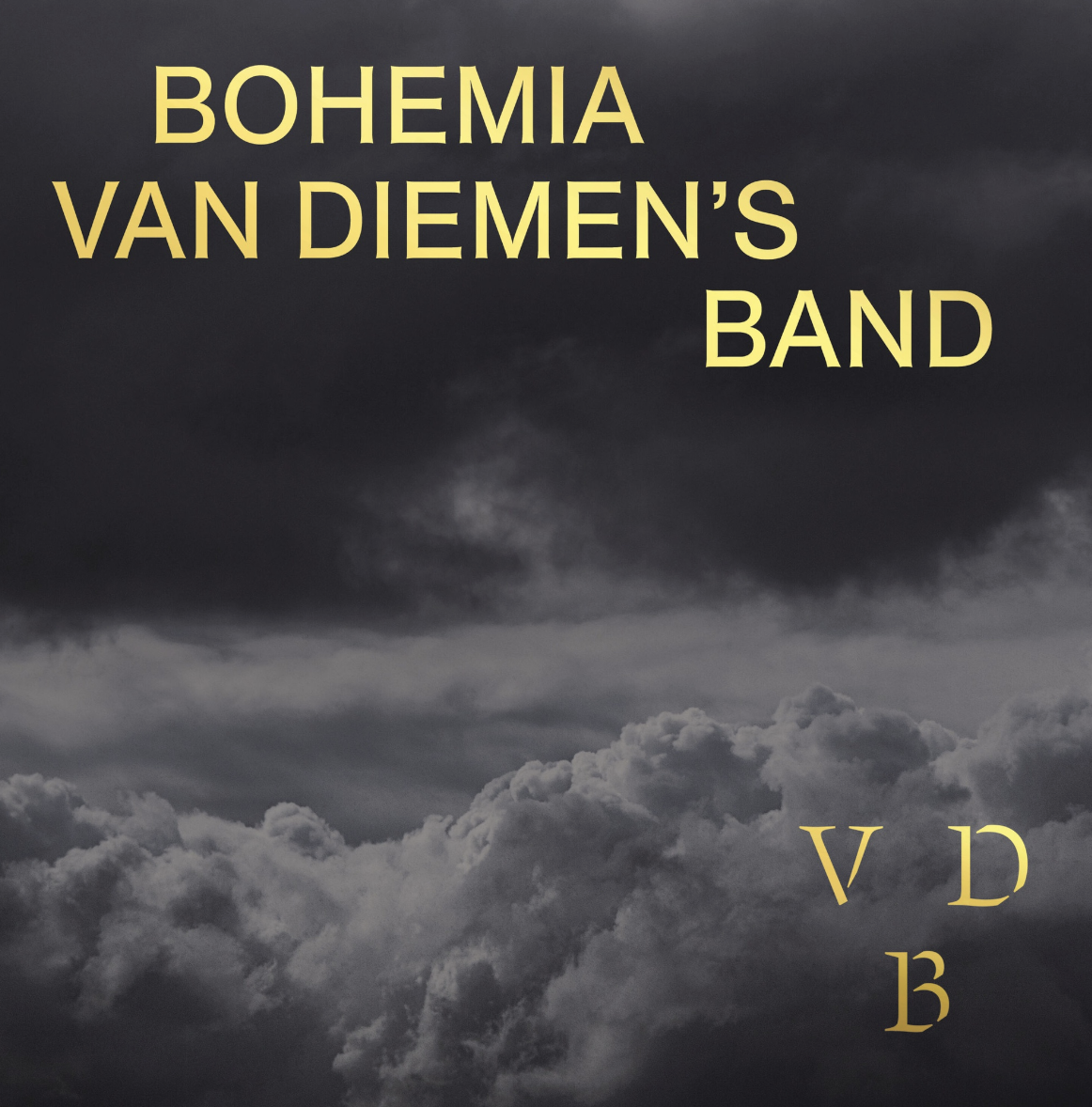
This short album (46 minutes) covers favorite repertoire of mine by composers as diverse as Johann Pachelbel, Heinrich Ignaz Franz von Biber, Froberger, Pezel, Muffat, and Kerll. The album appeared in June 2025 on the ensemble's own label. A booklet was not available via Qobuz. Details about the release are available from the band's website.
The Sonata Jucunda — anonymous, though usually pinned on Biber or his teacher Schmelzer — is one of the standouts on this album. It was introduced to me by Musica Antiqua Köln's account on their Scherzi Musicali album, made in 1990 or 1991. This album benefits from a better recording, with a far wider and deeper soundstage. It's an odd piece, by all accounts, with its frequent change of moods, the unison interjections, and the dramatic opportunities for the violin to fancifully soar above the ensemble. The interpretation might not rival that by MAK, but it's still a good bit of fun.
Two tracks are dedicated to keyboard: a toccata by Kerll on organ and a Plainte faite à Londres pour passer la Melancholie, FbWV 630/1. The harpsichord piece sounds a bit bright; the organ comes across better. Both performances are engaging.
The longest piece on offer is the Muffat D major sonata for violin and continuo. The balance for this one is a bit off; the violin appears hard left and the balance is dominated by the bowed bass — the violone, going by the personnel list, since there's no cellist credited. There's no reason to change from the harpsichord to the organ, but they in fact do that, and it offers some variety of color. Julia Fredersdorff, the group's leader, is a strong player. My reference for this piece is the performance by Manfredo Kraemer; this performance is very different but equally interesting. There were some moments around the chromatic key changes that might have benefitted from less lingering. The rich continuo, which includes triple harp, worked well for me.
I am not sure we needed another version of Pachelbel's Canon and Gigue, but it takes nearly five and a half minutes in the program. It's well played, and may well have encouraged the fancy of their live audiences, but given the adjacent material from the likes of Biber or Pezel, I would have preferred more music by those composers.
The single movement of Biber's third (and best) partita from Mensa Sonora was great, as I love the piece, but why not give us the entire set?
As presented, the recording serves as a set of appetizers. It's not a bad smorgasbord, and may well have pleased audiences, but on record, I would like to have had more.
Which is a polite way of saying what was offered was good enough for seconds. Or thirds. What is offered can satisfy, I think, at least, without having to resort to the Australian idiom of needing to eat a horse and chase the rider.